REVIEW · NATIONAL GALLERY LONDON
London: National Gallery of London Masterpieces Guided Tour
Book on GetYourGuide →Operated by Babylon Tours London · Bookable on GetYourGuide
Masterpieces start making sense fast. This National Gallery masterworks tour turns a crowded museum into a guided story, moving from 1300s paintings to early-1900s favorites, with live commentary from guides you’ll actually enjoy listening to, like Jake and Steph. I love that the route targets the art everyone remembers, including Da Vinci and Van Gogh, so you’re not spending your time wandering.
One thing to plan for: the museum can be noisy, and you’ll want to be positioned so you can hear your guide clearly during the stops.
In This Review
- Key things I’d prioritize before you go
- Why this National Gallery tour feels different than self-guiding
- Meeting up, group size, and how the 2.5 hours actually work
- The art-history timeline you’ll follow, from devotional panels to modern eyes
- First stop energy: religious art that teaches you how to look
- Botticelli and the myth that feels personal: Venus and Mars
- Vermeer and the quiet power of detail: a Virginal painting you’ll never forget
- Van Gogh and Sunflowers: when emotion meets technique
- Seurat, Bathers at Asnières: the modern shift you can feel
- Velázquez and Rokeby Venus: a turning point in realism and presentation
- The best part is the live guide: Jake, Steph, Matilda, and more
- Practical tips: what to bring and what will slow you down
- Accessibility reality check: wheelchair-friendly options and the limits
- Price and value: is $112 a fair deal for 2.5 hours?
- Should you book this National Gallery masterworks tour?
- FAQ
- How long is the National Gallery masterpieces guided tour?
- Is this tour private or shared?
- What language is the live guide?
- Do I need to bring ID, and can I bring luggage?
- Is it wheelchair accessible?
- Is there free cancellation?
Key things I’d prioritize before you go
- Small group focus (max 8): you get a real guide, not a human blur.
- A clear art-history timeline: you see how styles shift across centuries.
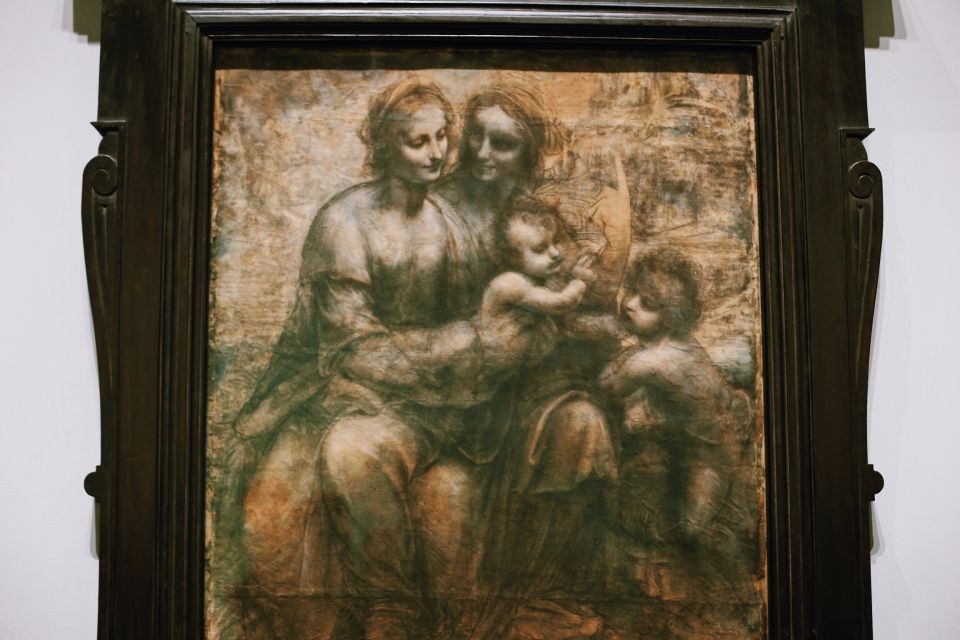
- Big-name works, explained well: Da Vinci, Van Gogh, Vermeer, and more, in context.
- Live commentary that stays practical: you’re told what to look for as you stand there.
- Interactive energy: several guides are praised for making dialogue and observation feel natural.
- Tight time window (about 2.5 hours): you’ll cover highlights without feeling rushed through everything.
Why this National Gallery tour feels different than self-guiding

I like museums best when they give me a way in, and this tour does that quickly. The National Gallery holds an eye-popping range of European painting, from early devotional works onward. Walk in alone and you can get lost in the sheer amount of art. Walk in with a guide and you get an ordering principle: what changed over time, why it mattered, and how to read each painting without needing a history degree.
You also get something practical: a route built around major works and major turning points. The tour specifically references stops like Botticelli’s Venus and Mars, Da Vinci’s The Virgin of the Rocks, Vermeer’s Lady Standing at a Virginal, and Van Gogh’s Sunflowers. That matters, because “masterpieces” can turn into vague museum stickers. Here, the guide ties each one into a bigger pattern you can remember.
Meeting up, group size, and how the 2.5 hours actually work

This is offered as either a private option or a small group option capped at 8 people. That size is the sweet spot. Big groups can flatten the experience into a silent shuffle. Small groups usually mean you can hear the guide, ask questions, and actually look at the paintings long enough for details to land.
The tour runs daily and lasts about 2 to 2.5 hours, depending on the day and availability. There’s a small amount of walking involved, so wear comfortable shoes and expect to move between rooms. The meeting point may vary depending on which option you book, so don’t assume it’s the main entrance of the gallery. Confirm the exact spot for your start time.
If you book the shared tour, there’s a minimum of 2 people. If that minimum isn’t met, you’ll be offered an alternative date or a full refund. Translation: you still have options, but it’s smart to book when you can be flexible with your schedule.
The art-history timeline you’ll follow, from devotional panels to modern eyes
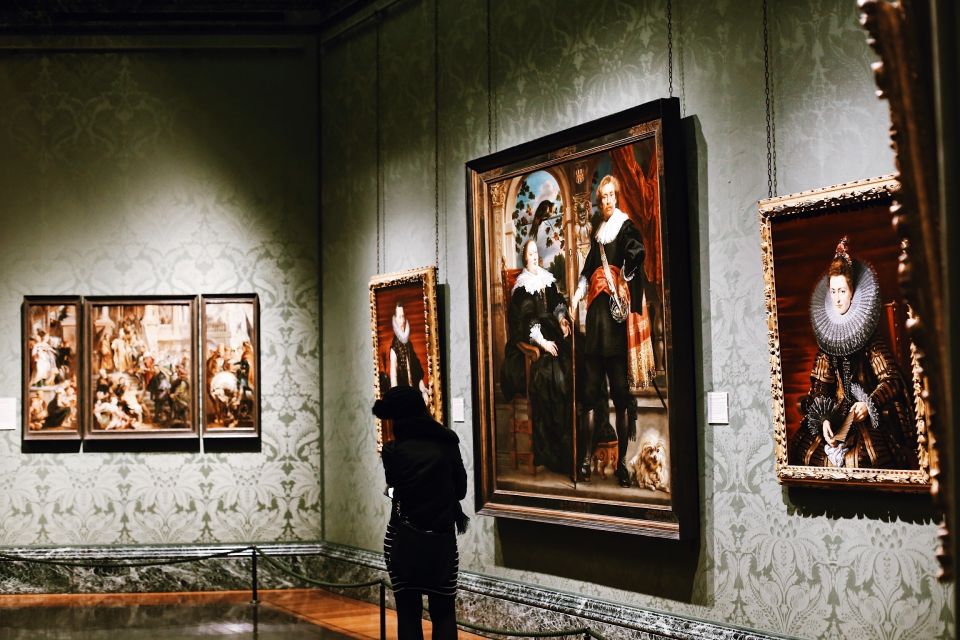
Even without an official “timeline map” in your hands, the tour’s structure helps you feel time moving forward. The collection spans roughly from the 1300s onward. The guide uses that range to show shifts in style, subject matter, and the way artists represented people and space.
One useful way to think about it: this tour doesn’t treat paintings like isolated masterpieces. It treats them like evidence. When you see works across centuries back-to-back, it’s easier to notice the logic of change—why one artist’s look feels different from another’s, and what cultural and artistic goals might be behind those choices.
You’ll also hear about artists beyond the headline names. The tour description explicitly points to Botticelli, Monet, Rembrandt, and Vermeer, among others. In practice, that means your guide isn’t only saying who painted what. You’re being shown why certain techniques and themes take hold, evolve, and sometimes clash.
First stop energy: religious art that teaches you how to look
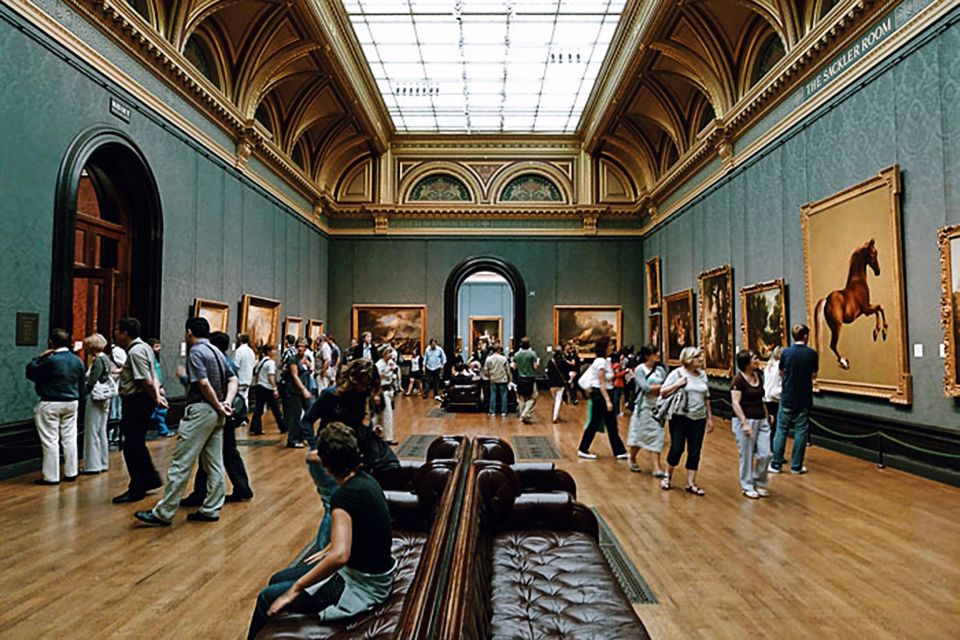
A good guide knows that “religious painting” can sound distant and boring on paper. They also know that if you learn a few visual clues, devotional works become surprisingly human.
Da Vinci’s The Virgin of the Rocks is named as a highlight, and that’s a great anchor because it lets your guide talk about style and storytelling rather than just biography. Once you understand what to notice—how faces are arranged, how mood is built through light, and how the scene guides your eye—the rest of the early works make more sense too.
You’ll also get mentioned early devotional painting by Raphael. Raphael’s inclusion is a big deal for learning, because he sits at a crossroads: you can feel classical influence and the drive toward idealized forms. In other words, the “why” behind the beauty becomes visible when it’s connected to what came before and what followed.
Botticelli and the myth that feels personal: Venus and Mars
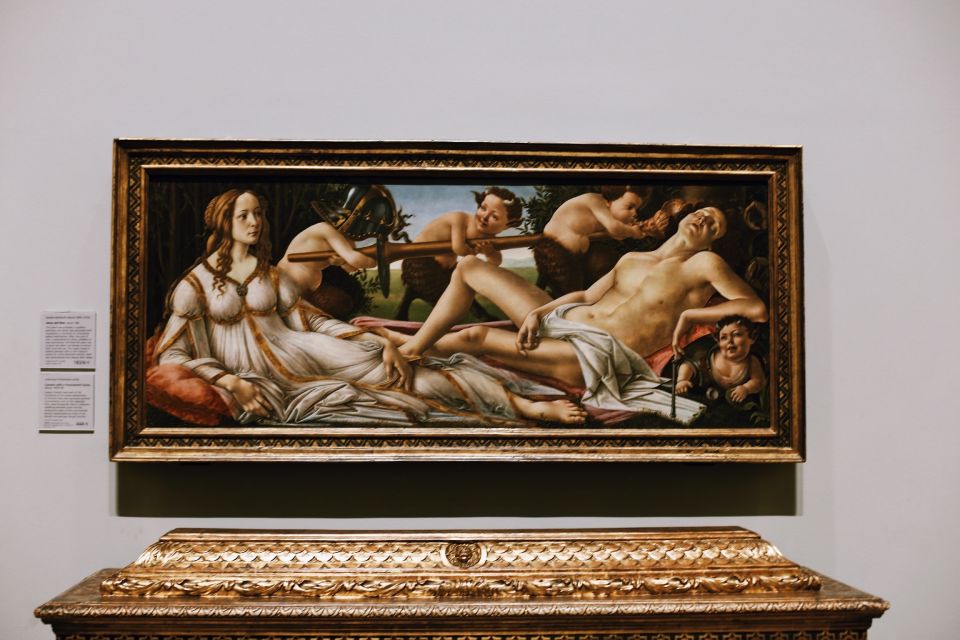
Mythological painting can be a trap if you only focus on names. What you want is the symbolism and the visual choices. Botticelli’s panel painting of Venus and Mars is part of the described experience, and it’s exactly the kind of work that benefits from a live explanation.
With a guide in front of you, you can connect subject matter to artistic language. You’ll likely get help spotting how figures are posed, how gestures and expressions communicate relationships, and how myth becomes a vehicle for artistic ideals. Even if you’ve seen reproductions before, standing close to the original and hearing a clear story changes the way you interpret it.
This is also where the small group format helps. You’re not craning around strangers while someone points at a painting from 20 feet away. Instead, you can actually focus on the details the guide is talking about.
Vermeer and the quiet power of detail: a Virginal painting you’ll never forget
Vermeer’s Lady Standing at a Virginal is specifically listed in the tour description, and it’s a smart inclusion for one reason: Vermeer rewards slow looking. You can’t really “speed-run” a Vermeer painting. The guide’s job here is to help you see what you’d otherwise miss.
For me, the value of an expert guide with a Vermeer stop is that you get permission to be patient. You learn what to look for in the figure, how the instrument (and its setting) supports the mood, and why the composition feels composed rather than accidental. That’s the kind of lesson that sticks, and it makes you a better museum viewer for everything after the tour.
If you’re into craft, this is one of the most satisfying sections of the overall experience. Even people who aren’t die-hard art fans often leave Vermeer moments feeling calmer and smarter.
Van Gogh and Sunflowers: when emotion meets technique
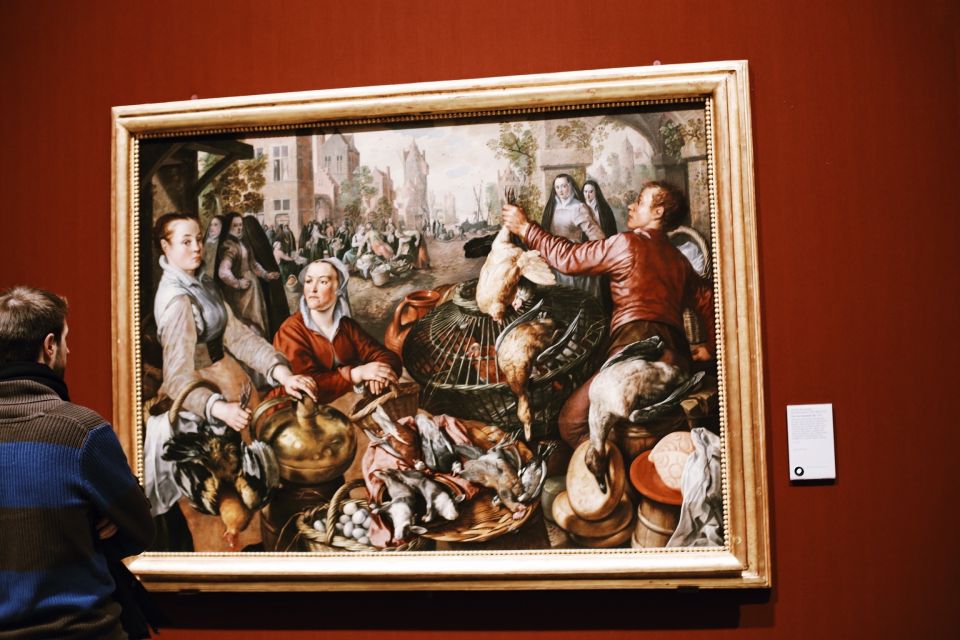
Van Gogh’s Sunflowers are another called-out highlight. That piece often lands as instantly recognizable, which is good. But the tour advantage is what comes after the recognition: understanding how Van Gogh builds feeling through color and brushwork, not just subject matter.
A guided stop can help you separate what you’ve heard about Van Gogh from what’s actually on the canvas. You’ll get the narrative and the visual. The goal isn’t to turn you into a technical art critic. It’s to help you see why the painting hits emotionally and how the artist achieves that effect.
You’ll also get context that ties Van Gogh back to the bigger story of change across centuries. When you move from early painting approaches into later styles, you start noticing that “progress” isn’t one straight line. Artists experiment, borrow, and react. The guide’s job is to show that pattern.
Seurat, Bathers at Asnières: the modern shift you can feel
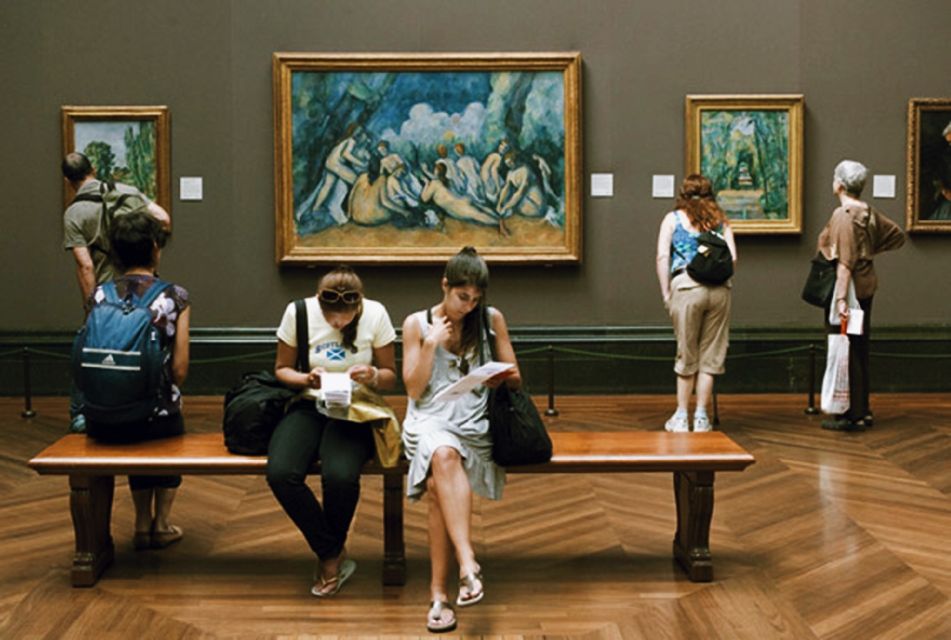
Seurat’s Bathers at Asnières is specifically named in the tour overview. This is where the tour’s timeline really flexes. Seurat’s approach represents a major step toward modern ways of thinking about color, form, and how scenes are built.
Even if you don’t know the art terms, you can still understand what’s happening when the guide points you toward the right details. You’re being shown how the look of art changes over time, moving away from older conventions and toward new visual systems. This is one of the reasons I like guided highlight tours when they do a good job: you leave with a few anchor points that explain a whole era.
It also helps that the tour is described as covering changing styles across the centuries. Seurat isn’t just a name on the wall. It’s part of the “how art evolves” message.
Velázquez and Rokeby Venus: a turning point in realism and presentation
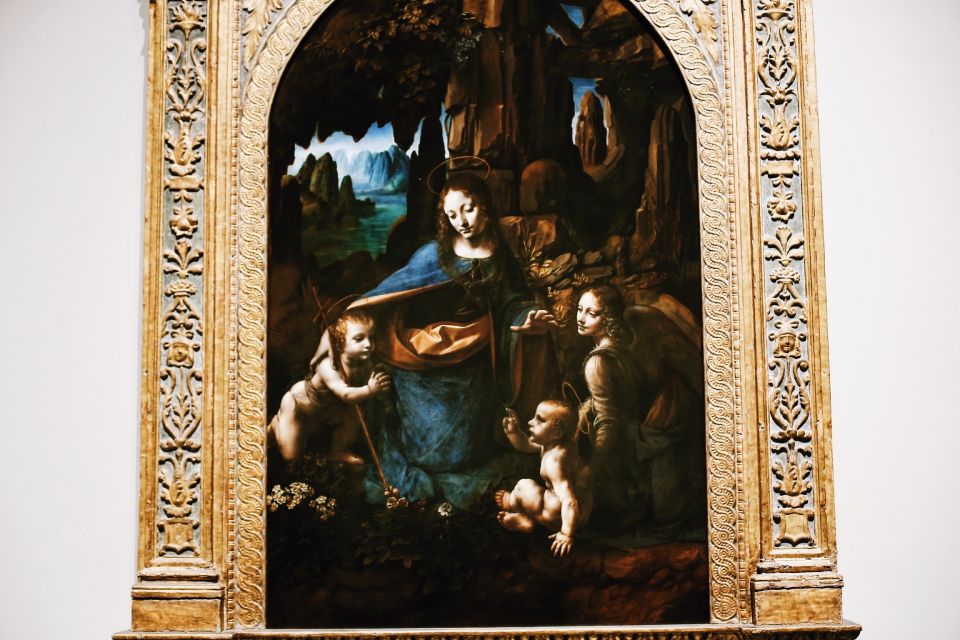
Velázquez’s Rokeby Venus is another named stop, and it’s a great example of why “masterworks” need context. A guide can explain how artists present the human figure, how realism is handled, and what kind of viewing experience the painting creates.
If you’ve ever looked at a classic painting and thought, I like it, but I don’t know why, this is the kind of stop that helps. You’ll get help reading composition choices and how the painting directs your attention.
Also, it’s a nice counterweight inside the tour. Not every highlight is sentimental or religious. Not every highlight is myth. Rokeby Venus slots into the broader conversation about how European painters handled the subject of the nude and how that shifted across time.
The best part is the live guide: Jake, Steph, Matilda, and more
The most praised element across the experiences is the guide performance. Guides like Jake and Stephanie are repeatedly mentioned for making the tour engaging and easy to follow. Several reviews point to a well-paced approach and a guide who speaks clearly enough even in a crowded gallery.
I pay attention to the details people mention about communication because museum sound is real. David’s feedback calls out that the environment can be noisy and suggests Bluetooth headsets would improve understanding. That lines up with what I’d expect in a busy gallery, so you’ll want to pick a spot where the guide is facing you and speaking loudly enough to reach the back of the group.
What I also like in the reviews: you’re not treated like a passive audience. People praised the guides for interaction, dialogue, and encouraging observation. Amelia specifically described a space for discussion and observation, where each painting revealed style, symbols, historical context, themes, and even rivalries. That’s exactly what you want from a highlight tour: a guided way to look, not just a summary of facts.
Other guide names that came up with strong ratings include Steph(anie), Becky, Alex, Matilda, and Kathy. That’s a sign the operator places real effort in who leads the groups, which directly affects how much you get out of the time.
Practical tips: what to bring and what will slow you down
You’ll want to bring a passport or ID card. That’s specifically listed as required.
You also can’t bring luggage or large bags. Plan to travel light. If you’re used to museum days with big daypacks, switch gears here. A small bag is usually manageable, but the tour explicitly says no large bags.
The tour includes a small amount of walking. Nothing extreme, but don’t wear brand-new shoes.
Temporary exhibits are not included in this experience. That’s useful to know because it keeps expectations clear: you’re coming for the National Gallery collection highlights in the guide’s chosen route, not whatever is on special display that month.
Accessibility reality check: wheelchair-friendly options and the limits
This tour says wheelchair-friendly tours are available upon request only. At the same time, it’s listed as not suitable for wheelchair users. That sounds conflicting, so I’d treat it as: don’t assume every departure works for you. If you need wheelchair access, request the wheelchair-friendly option directly when booking, and confirm in writing what’s possible.
For many people, the key point is still the walking and the museum environment. Even if access is arranged, being ready for movement between rooms is important.
Price and value: is $112 a fair deal for 2.5 hours?
At $112 per person for about 2.5 hours, you’re not paying for entry alone. You’re paying for someone to do the hard part: selecting the best stops, explaining what matters, and keeping the pacing at a human level.
Here’s where the value comes from:
- You get guided focus at major works, not random wandering.
- The live commentary helps you read paintings in context, from 1300s works through later shifts like Seurat.
- Small group size (max 8) increases the odds you’ll actually hear the guide and feel engaged.
If you’re the type who enjoys art but doesn’t want to spend your vacation time researching, this is good value. If you’re already a museum superfan who loves building your own route and reading wall labels for hours, you might find it less necessary. But even then, a guided highlight structure can help you see new angles on familiar masterpieces like The Virgin of the Rocks or Sunflowers.
In short: pay for the clarity. That’s what you’re buying.
Should you book this National Gallery masterworks tour?
I’d book it if you want a high-impact art day without turning it into homework. This is especially appealing if you’re traveling with people who enjoy different things. The tour hits famous names (Da Vinci, Van Gogh, Vermeer, and more), but the guide connects them into a story you can follow.
Book it too if you’re unsure what to see first in the National Gallery. A guide gives you a smart route, plus the meaning behind the work while you’re standing in front of it.
I’d think twice if you’re extremely sensitive to noise. One review points out that the gallery can be noisy and suggests headsets would help. If you already know hearing in crowds is tough for you, plan your positioning and consider bringing your own solution if you use one.
If you want a practical art-history walk through the National Gallery’s key masterpieces, this tour is a solid choice. You’ll leave with a few paintings you can explain, not just a few you remember.
FAQ
How long is the National Gallery masterpieces guided tour?
The tour lasts about 2.5 hours. Daily departures are available, and the exact duration can be around 2 to 2.5 hours depending on the schedule.
Is this tour private or shared?
It’s offered as either a private tour or a small group tour. The small group option is capped at a maximum of 8 people.
What language is the live guide?
The live tour guide speaks English.
Do I need to bring ID, and can I bring luggage?
Yes, you should bring a passport or ID card. Luggage or large bags are not allowed.
Is it wheelchair accessible?
Wheelchair-friendly tours are available upon request only. However, it is also listed as not suitable for wheelchair users, so you should confirm access needs before you book.
Is there free cancellation?
Yes. You can cancel up to 24 hours in advance for a full refund.