REVIEW · LONDON TRANSPORT MUSEUM
London Transport Museum Entrance Ticket
Book on GetYourGuide →Operated by London Transport Museum · Bookable on GetYourGuide
London’s Underground has its own time machine. This museum lets you track how transport shaped London since the 1800s, from the world’s first underground steam train to the modern electric Tube—and it all feels built for actually learning. I especially love the Elizabeth line driving simulation, and the way the exhibits connect big engineering milestones to the look of the city you see today.
The only catch: it can get loud on busy days, and the hands-on areas bring lots of kids energy.
In This Review
- Key Points That Matter Before You Go
- London Transport Museum in Covent Garden: what you’re really buying
- Steam, electric Tube, and the Underground map: the core story you’ll walk through
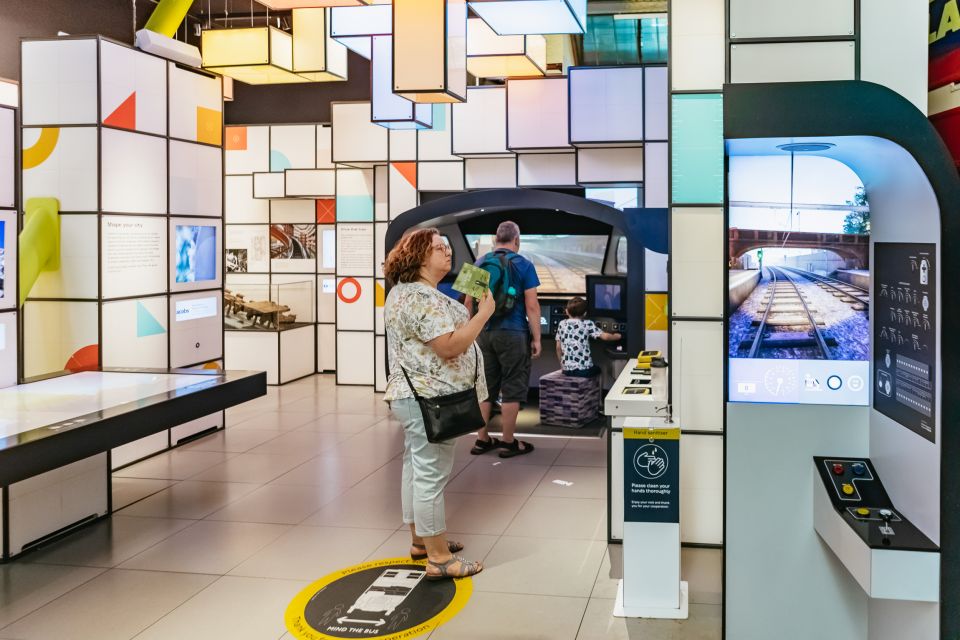
- Drive the Elizabeth line and other hands-on training stations
- Posters and graphic design: the Global Poster Gallery you don’t want to skip
- How to plan your visit in one day (and when to go)
- What to do first inside so you don’t waste time
- Families vs. adults: noise level, play areas, and pacing
- Logistics that affect your day: bags, last entry, and getting in
- Gift shop and souvenirs: what’s worth buying
- Price and value: is $33 per person worth it
- Should you book this entrance ticket?
- FAQ
- What’s the duration of the London Transport Museum entrance ticket?
- Where is the London Transport Museum, and where do I meet?
- What are the main things to see inside?
- Is there an interactive experience for driving a train?
- Is the Global Poster Gallery included with admission?
- Are luggage or large bags allowed?
- What time should I plan to arrive?
Key Points That Matter Before You Go
- Steam to electric in one walk: you can see the early underground story, not just read about it.
- Elizabeth line simulation: a rare chance to experience modern train control in a Future Engineer setup.
- Poster culture is a real attraction: the Global Poster Gallery focuses on commercial design, not just transport.
- Underground map origins and brand roots: you’ll learn how graphics helped make the system usable.
- Plan for time: last entry is at 5:00 PM, museum closes at 6:00 PM.
- Kid-friendly can mean noisy: weekends and school holidays may feel busy inside.
London Transport Museum in Covent Garden: what you’re really buying
For about $33 per person, you’re buying access to one of London’s easiest “value learning” museums: transport history you can touch, plus poster design you can really look at. The setting matters, too. Covent Garden is central, walkable, and easy to combine with other sightseeing the same day.
What I like most is the museum’s point of view. It doesn’t treat transit as a boring utility. It shows how trains, buses, maps, and even logos changed how Londoners moved—and how the city became recognizable around the world. You’re not just looking at vehicles. You’re tracing an identity.
Your time window is short if you let it be. Last entry is at 5:00 PM and the museum closes at 6:00 PM, so you’ll want a simple plan. If you show up near opening, you can see a lot without rushing.
Steam, electric Tube, and the Underground map: the core story you’ll walk through
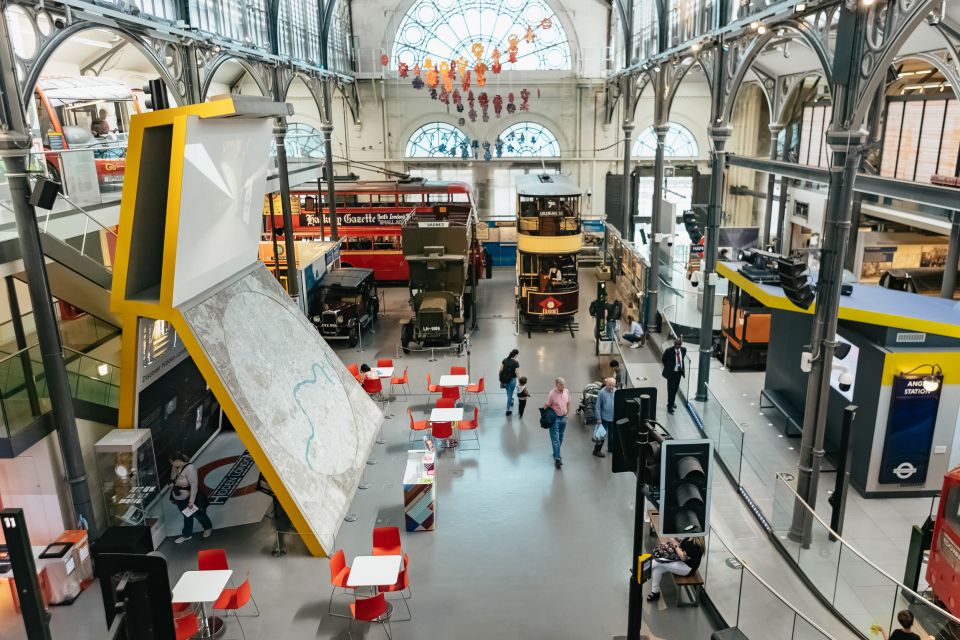
The museum’s backbone is the timeline of London transport, and it’s presented in a way that makes the changes feel logical, not random. You start with the big shift: horse-drawn buses giving way to later systems, then moving toward the underground era.
A few highlights are especially worth targeting:
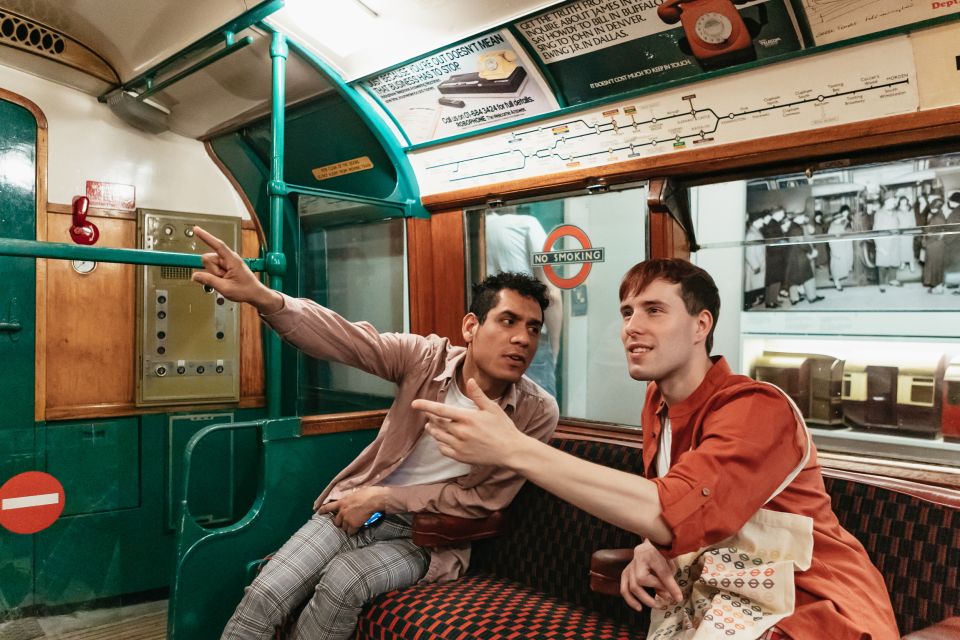
- The world’s first underground steam train experience and the electric Tube railway story. These displays help you understand what “underground” meant when it was new.
- The history behind the creation of the Underground map. You’ll see why the map wasn’t just a diagram—it was a usability breakthrough.
Even if you know the modern Tube map by heart, the exhibits help you notice what designers were solving: clarity, consistency, and quick decision-making. The museum’s graphics-focused sections make this click.
Also, the display of London transport branding—like the famous bullseye Tube logo—isn’t just nostalgia. It shows how a brand can become a navigation tool. When you look at the posters and design work later, the logic of the system feels stronger.
Drive the Elizabeth line and other hands-on training stations
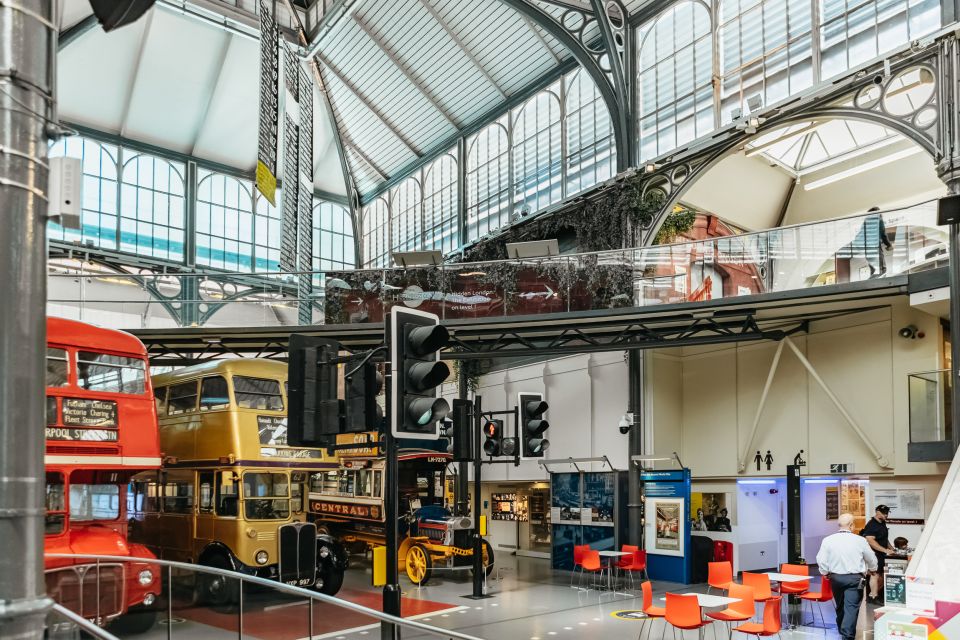
This is the part you’ll feel in your body. Instead of only reading labels, you get interactive stations that simulate real roles in the system.
The star for many visitors is the Future Engineer’s Elizabeth line simulation, where you get to drive a modern train setup. It’s a fun bridge between historical exhibits and present-day technology. You’ll also find a tube driver training simulator, which helps explain the idea that running trains is part procedure, part judgment.
What makes these displays valuable is how they explain work without being overly technical. You learn how the system thinks—control, timing, and safety—without needing an engineering background. That’s why it works across ages.
One more practical note: if you’re visiting with kids, these interactive areas are often where the day becomes the most memorable. If you’re visiting without kids and you want quiet focus, choose your timing so you’re not waiting too long to use the hands-on stations.
Posters and graphic design: the Global Poster Gallery you don’t want to skip

If you only chase trains, you might miss the museum’s quieter superpower: poster design. The Global Poster Gallery, opened in October 2023, is dedicated to the history of commercial poster art and design, and it’s free with your museum admission.
This isn’t “just a wall of old prints.” You’ll see more than 100 poster artworks and posters, plus a look at poster-making in the exhibition How to Make a Poster. The museum frames poster design as part of how transport systems built trust and recognition—especially before digital marketing.
A few things make this section especially interesting:
- You can connect the dots between branding elements (logos, map styles) and the wider visual language of the city.
- The bullseye Tube style and diagrammatic map approach show design choices that were meant to reduce confusion.
- The “How it’s made” angle helps you understand commissioning and creativity in a pre-digital era.
If you like design, typography, or visual history, this gallery can stretch your visit. Even if you don’t, it’s a welcome change from purely mechanical exhibits.
How to plan your visit in one day (and when to go)
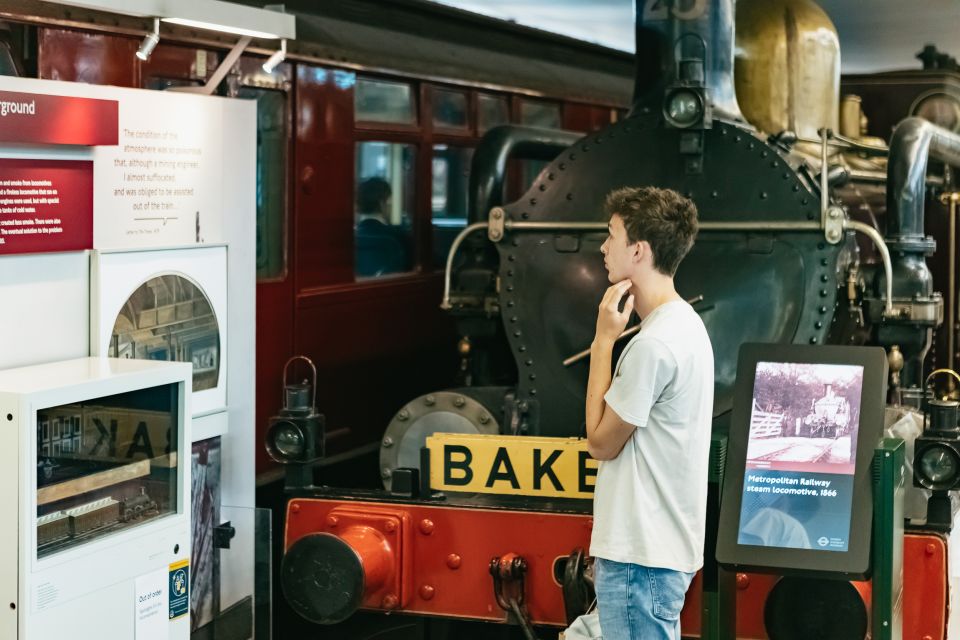
This ticket is designed for a 1-day visit, and it’s flexible in how long you spend inside. In practice, you can do it fast or slow:
- If you focus on the biggest highlights and keep things moving, you can get through in about 1 to 1.5 hours.
- If you want to read, test the interactive areas, and take your time with the posters, it can stretch closer to 3 to 4 hours.
The museum’s hours matter. Last entry is at 5:00 PM and closing is at 6:00 PM, so evening plans should be built around that.
Crowd timing is your other big lever. The museum is organized, but it can feel busy on Saturdays and school holidays. One family-friendly strategy is simple: go earlier in the day if you can. Some visitors report smooth mornings with little or no queue.
Also, keep in mind what the museum is like once you’re inside. It’s an interactive building with kids play areas, so sound spreads. If you’re sensitive to noise, try to avoid peak family times.
What to do first inside so you don’t waste time
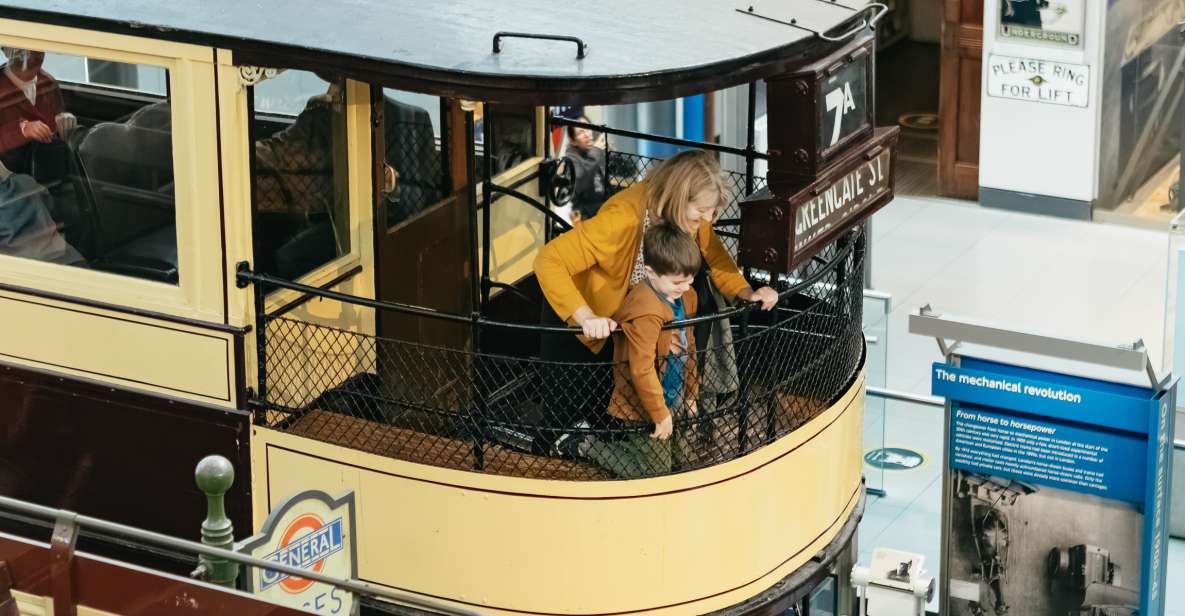
When you walk in, you’ll likely want to choose your route fast. Here’s a practical way to get the best mix without burning out.
Start with the “big anchors” so you don’t miss them:
- Go after the Tube origins displays—steam and electric highlights come up early in the story, and they set the tone for everything after.
- Then hit the Underground map origins and branding graphics. This makes the later poster gallery easier to understand.
- After that, plan your interactive blocks (Elizabeth line driving, training simulator). These can take longer than you think if a station is crowded.
Finally, save poster-focused time for the middle or later part of your visit. By then, you’ll be in a visual-thinking mood, which makes the design exhibits hit harder. If you’re tired from transit stairs and museum walking, the poster gallery also works as a calmer reset.
Families vs. adults: noise level, play areas, and pacing

This museum is genuinely welcoming for families. Multiple age groups can have a good time at the same visit, including toddlers up through adults who are there for the history and design.
That said, family friendliness has a side effect: it can get noisy. The play areas and interactive stations naturally bring movement and talking. If you’re traveling as a couple or solo and you want a quiet, gallery-like experience, you might find the sound level a lot.
My advice is to match your expectations to your priorities:
- If your goal is hands-on learning, this is a strong fit. The museum has lots of places for kids to engage, draw, and work with exhibit-style activities.
- If your goal is quiet design study, you’ll want to avoid the busiest days and consider earlier entry.
A good detail to remember: stroller/buggy parking is available, so families don’t have to fight the space. That helps the museum feel easier to navigate.
Logistics that affect your day: bags, last entry, and getting in
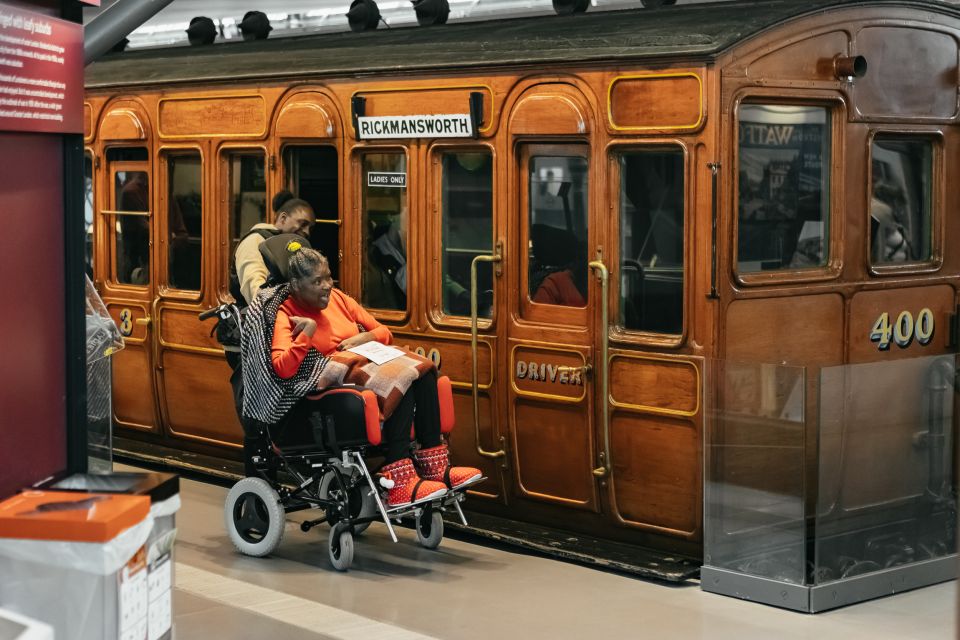
A small rule can save you stress: luggage or large bags aren’t allowed. If you’re traveling with a big suitcase, sort your storage plan before you come. The museum experience is much easier when you travel light.
The other timing rule is the most important one: last entry at 5:00 PM. If you arrive late, you may feel rushed trying to cover both transport history and the Global Poster Gallery.
On the people side, staff support is a real plus. One person specifically called out Giancarlo at the desk for helping them out, and that kind of on-site support matters when you’re deciding where to go first.
Gift shop and souvenirs: what’s worth buying
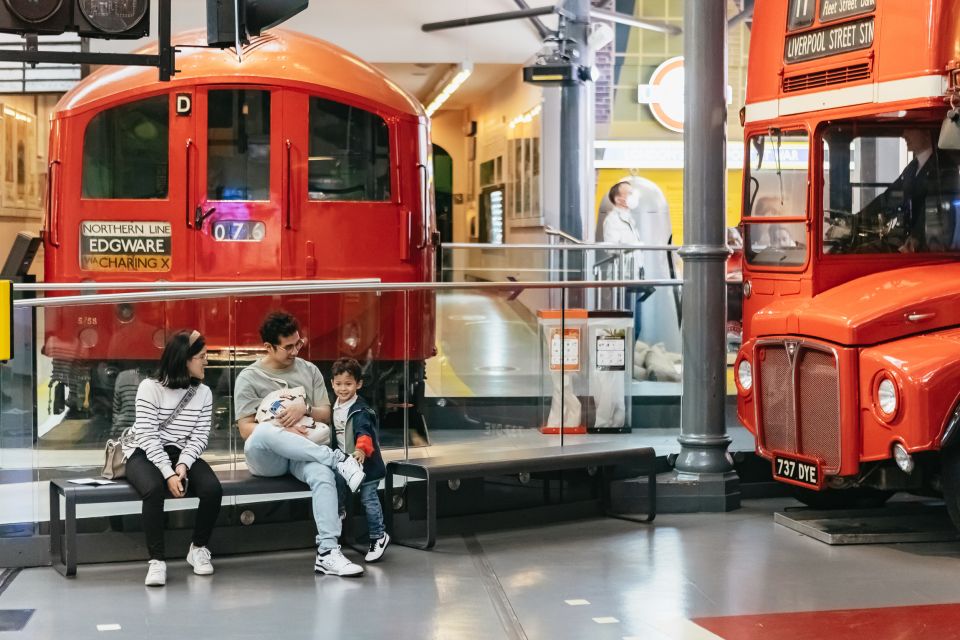
You’ll likely pass through the gift shop because it’s part of the full museum flow. It’s not just random tourist stuff. People describe it as excellent, and it fits the museum’s theme—transport-themed products plus design-and-poster style items.
If you’re buying clothing, treat sizing carefully. One visitor noted a Tube-themed T-shirt that ran small and tight, so check the size before you commit.
If you’re traveling with kids, small gifts tend to land well. If you’re traveling for design, look for poster-style prints or items tied to the museum’s visual themes.
Price and value: is $33 per person worth it
At around $33 per person, the value depends on how you like to spend your museum time.
Here’s the value logic I’d use:
- If you want one ticket that mixes history, interactive learning, and design, this feels like a good deal for London. You’re not paying for just one niche.
- If you love hands-on exhibits and kids-focused areas, the ticket can feel like high value because so much of the museum is built around doing, not only watching.
- If you’re not interested in posters and branding, you might still get your money’s worth through the transit timeline and the train simulation, but you’ll want to spend intentionally.
Also think about time cost. The museum gives you a one-day plan that can be as short as about an hour and a half or as long as a half day. If your schedule is tight, you can keep it efficient.
Should you book this entrance ticket?
Book it if you want a central, high-impact museum with both motion and visuals. This is one of those rare places where kids energy and adult curiosity can share the same space without forcing you to choose one.
You should lean in especially if:
- You like transit history and want more than photos.
- You’re curious about design—logos, map style, and commercial posters.
- You’re traveling as a family and need a safe bet.
Skip or reconsider if:
- You want a quiet, low-noise museum day.
- You’re traveling with large luggage you can’t store elsewhere.
If you’re planning your London itinerary, I’d treat this as a “must-do block” in your day. Then build the rest of your sightseeing around it.
FAQ
What’s the duration of the London Transport Museum entrance ticket?
The ticket is for a 1-day visit. You can check availability to see starting times.
Where is the London Transport Museum, and where do I meet?
You meet at London Transport Museum. The museum is located in Covent Garden.
What are the main things to see inside?
You can see the world’s first underground steam train and the electric Tube railway, plus exhibits about the creation of the Underground map and London transport branding. There are also interactive training-style stations.
Is there an interactive experience for driving a train?
Yes. There is a Future Engineer’s simulation where you can drive a modern Elizabeth line train.
Is the Global Poster Gallery included with admission?
Yes. The Global Poster Gallery is free with museum admission, and it includes the permanent poster-focused content and How to Make a Poster.
Are luggage or large bags allowed?
No. Luggage or large bags are not allowed.
What time should I plan to arrive?
Last entry is at 5:00 PM daily, and the museum closes at 6:00 PM.