REVIEW · LONDON
Booze, Brothels & the Bard: London’s Bawdy Borough
Book on GetYourGuide →Operated by Historic London Tours · Bookable on GetYourGuide
Southwark has a shady grin. This is one of London’s most entertaining walk-and-story tours, set in the former zone locals called London’s Bawdy Borough. I especially like how the guide threads together prisons, markets, and theatre without turning it into a lecture, and how the group stays small (ticket sales limited to 15). One drawback: it’s adult-leaning history, and the stops are quick—so you’ll want a return visit if you want to linger.
You’ll cover about two miles at an easy walking pace, starting outside Borough Station and finishing near Shakespeare’s Globe. The whole point is to move through Southwark and Bankside, an area outside the City of London’s jurisdiction, where the darker trades took root for centuries.
The tour is led by a live guide in English, and in recent bookings the guide was named Tom, praised for being friendly, funny, and sharp on details. Just know it’s not suitable for children under 13, and the 2-hour format means each stop is a short hit rather than a long museum crawl.
In This Review
- Key highlights I’d plan around
- Southwark’s Bawdy Borough: why this part of London got a reputation
- The 2-hour route: short stops that actually connect
- Marshalsea Prison: seeing how the justice system looked up close
- Crossbones Garden, the Hop Exchange, and the George Inn: the “seedy goings-on” vibe
- Borough Market and the Old Operating Theatre: the senses meet the strange
- Southwark Cathedral and London Bridge: where the tone shifts
- Winchester Palace and Clink Prison: two very different kinds of power
- The Globe Theatre: Shakespeare’s London, old site to new stage
- Who this tour is best for
- Price and value: is $26 a good deal?
- Should you book Booze, Brothels & the Bard?
- FAQ
- Where do I meet for the tour?
- How long is the walk and how far do we cover?
- How much does the tour cost?
- What’s included?
- Is it suitable for children?
- Is the tour guided in English?
Key highlights I’d plan around
- Small-group pace: limited to 15 attendees, so questions don’t get lost.
- Two notorious prisons: Marshalsea and the Clink, plus the surviving remnants you can still see.
- Borough Market in the mix: London’s largest and oldest market at the right moment in the route.
- Shakespeare, twice: the original Globe site and Shakespeare’s Globe Theatre, old and new in one walk.
- Southwark’s “why” explained: the area’s long reputation tied to shifting jurisdiction and social life.
Southwark’s Bawdy Borough: why this part of London got a reputation
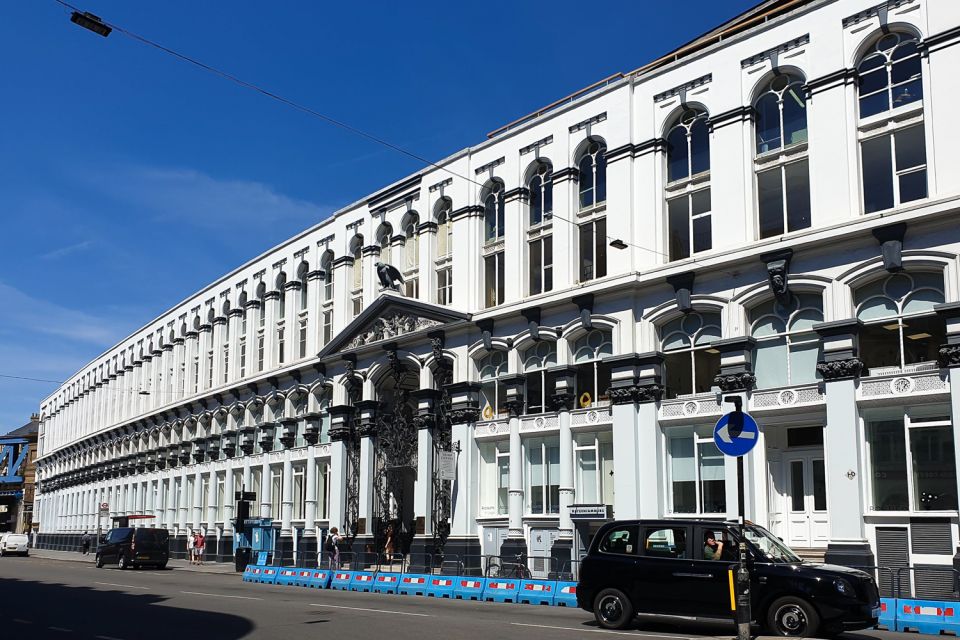
Southwark (right by the Thames) has always lived by different rules than the City of London. For centuries, this neighborhood sat outside the City’s jurisdiction, which helped it become the place where trades the City preferred to ignore could thrive. That’s the basic frame of the tour, and it works because the guide keeps returning to the same idea: laws, power, and money shape what a street looks like.
What I like is that this isn’t just scandal-for-scandal’s-sake. You’re shown how the neighborhood’s seedy reputation formed over a long stretch of time—starting as far back as the Romans—and then how the story kept morphing through medieval and Victorian London. It’s history you can look at while you walk, not history locked behind glass.
The tour also leans hard into character. You’ll hear about “Winchester Geese” prostitutes, a Charles Dickens connection to the neighborhood, and the odd-but-fun details that keep the tone from going grim. Expect named oddities like Doorkins Magnificat!, plus ghostly pub lore from the nineteenth century. It’s theatrical storytelling, but it still points you to real places.
You can also read our reviews of more tours and experiences in London.


The 2-hour route: short stops that actually connect
The tour runs about two hours and covers roughly two miles total. The guide moves you from stop to stop around Borough and Bankside, with brief guided pauses (around five minutes each). That “small dose” pacing is the whole secret. You get lots of settings, but you don’t get stuck in one place long enough to lose the thread.
This route also ends at Shakespeare’s Globe, which makes it a smart plan if you already want to spend time in that area later. You start by Borough Station, then gradually work your way toward the Globe zone, with London Bridge in the middle. It’s a very “get your bearings fast” approach for first-timers.
A quick note on fit: because each stop is short, this tour rewards curiosity and good walking shoes more than people who want deep time in one museum or cathedral. If you’re the kind of visitor who wants an hour inside everything, you’ll still have fun, but you’ll likely leave wanting more.
Marshalsea Prison: seeing how the justice system looked up close
One of the first big stops is the Marshalsea Prison. Even if you know London has prisons, this is the kind of place where you start understanding the human scale of punishment—how it sat in neighborhoods, not on distant cliffs.
The tour explains that parts of the prison world can still be seen today. That matters, because it changes your perspective from textbook sentences to streets and walls. Standing in the area helps you feel how ordinary the machinery of imprisonment was, and how it became part of everyday Southwark life.
This is also where Dickens’ London connection becomes useful. The guide ties the neighborhood’s reputation to the wider city story, so you’re not just learning names—you’re seeing why writers and readers kept coming back to this corner of town.
Crossbones Garden, the Hop Exchange, and the George Inn: the “seedy goings-on” vibe
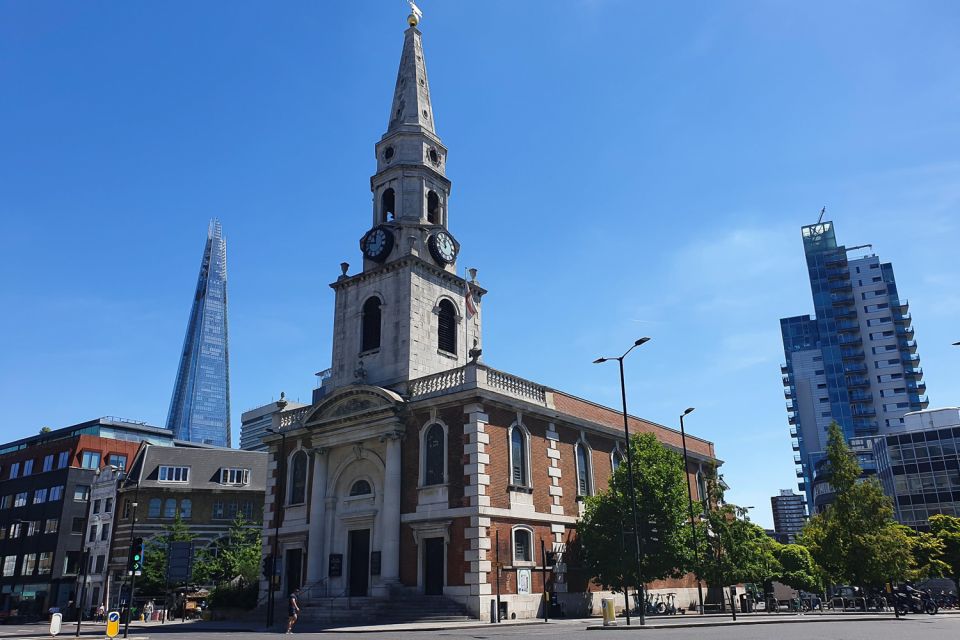
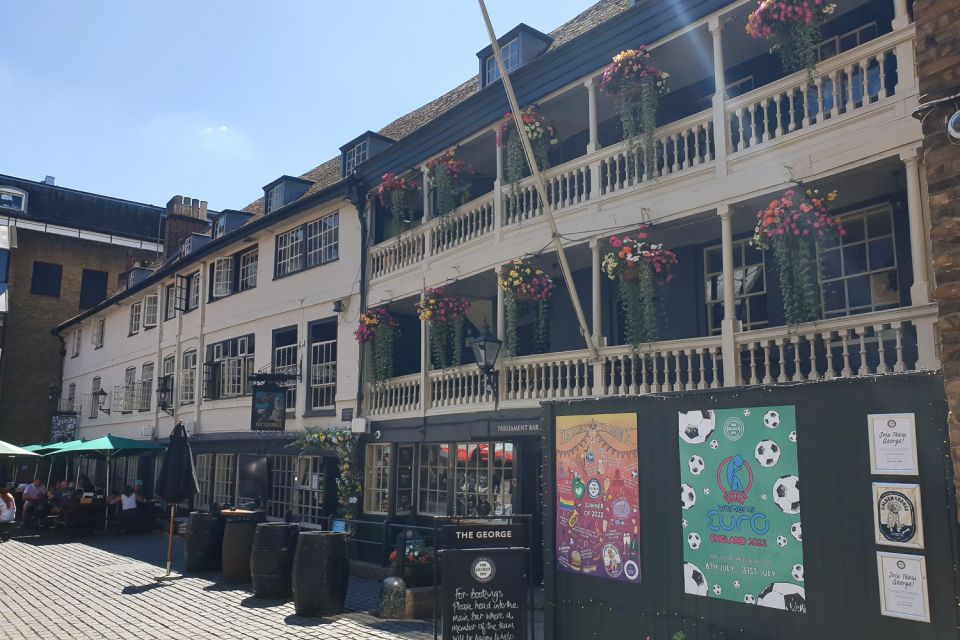
Southwark’s darker reputation isn’t only about prisons. You also get stops that point to the day-to-day culture that grew around them. You’ll pause at Crossbones Garden, then move on to the Hop Exchange, and then visit the George Inn area.
I like these stops because they broaden the story. Prostitution and punishment get headlines, but alcohol, commerce, and lodging are the supporting cast that makes it feel real. Names like Hop Exchange practically spell out what people were trading and drinking, and the George Inn connects the tour to the world of pubs—where stories, rumors, and social life piled up night after night.
You may also hear ghostly nineteenth-century pub landlady lore here and elsewhere on the route. Even if you don’t believe in ghosts, the point is good: it puts faces and voices onto a neighborhood that otherwise can feel like it’s made of stone.
Borough Market and the Old Operating Theatre: the senses meet the strange
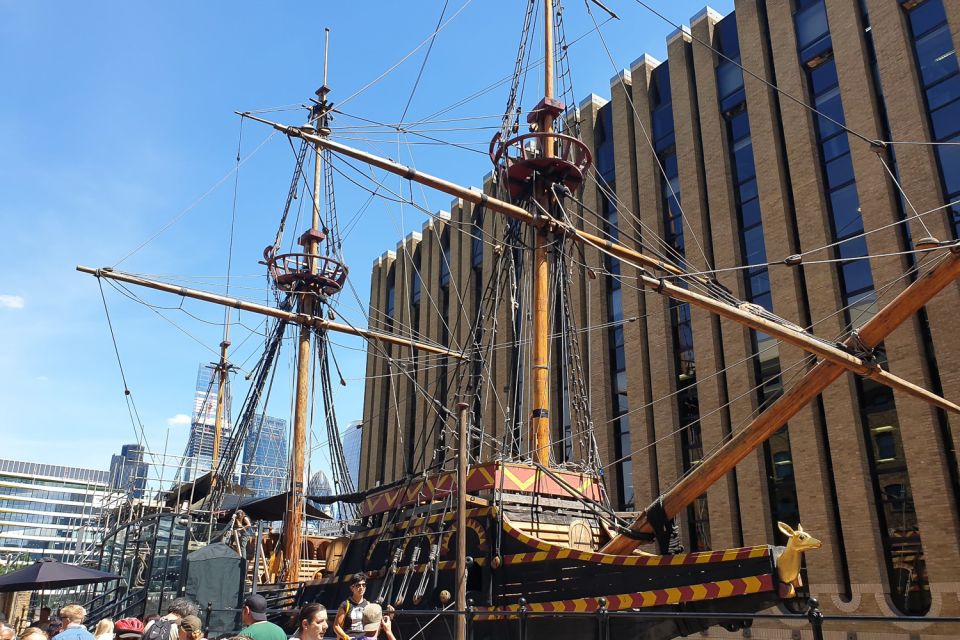
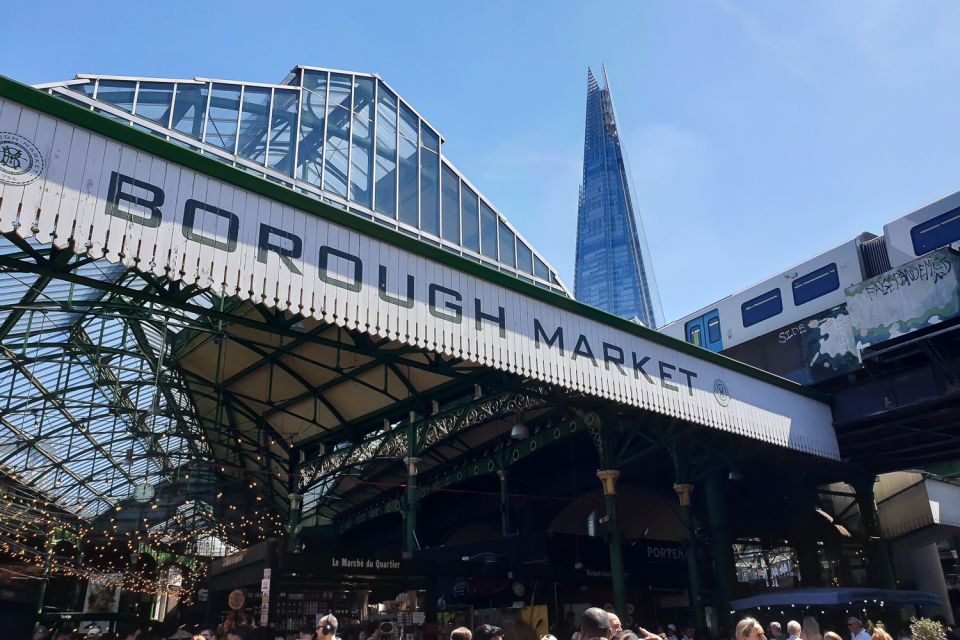
Next comes Borough Market, and it’s a great choice in the middle of the walk. It’s described as London’s largest and oldest market, and it’s the kind of place where the present-day crowd helps you feel the layering of centuries. You go from the neighborhood’s reputation to a living food market, which is a smart contrast.
Then you’ll visit the Old Operating Theatre Museum & Herb Garret. The name alone signals why it fits this tour’s theme: it’s medical history with a back-alley edge. You’re not just learning about crime and sex; you’re also learning about how humans dealt with pain and illness in earlier eras.
These two stops are also practical. Market time gives you a place to orient yourself and grab a snack if you want one, while the operating theatre stop reminds you that Southwark wasn’t only about vice. It was also about how the city functioned—messy, human, and not especially tidy.


Southwark Cathedral and London Bridge: where the tone shifts
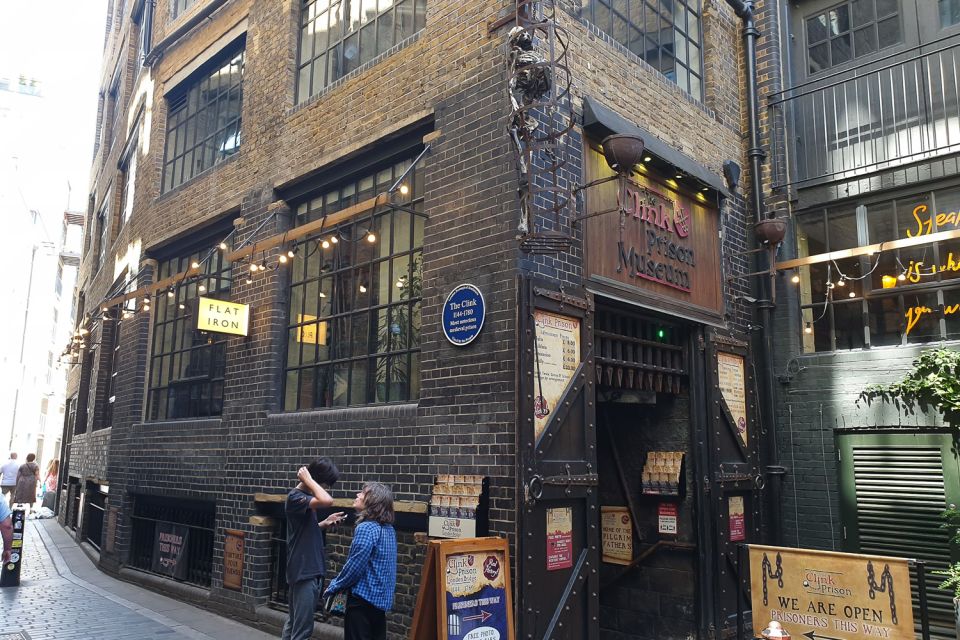
At Southwark Cathedral, the guide keeps things moving, but the stop still offers a change of pace. You get a guided look at a site with real antiquity, and it helps balance the tour’s more scandal-prone elements. It’s a good moment to slow down your brain for a second and notice how religion sat alongside the neighborhood’s reputation.
From there, you’ll reach London Bridge, which gives you a classic “big city” viewpoint. Even with short guided time, standing in the area helps you understand why Southwark mattered. The Thames was a highway. Trade, migration, and crime all traveled along water, so it’s no surprise that this neighborhood developed a reputation early and held onto it.
If you’re the type who likes to connect streets to the bigger map of the city, this portion delivers. It turns the walking tour from a string of stops into a sense of place.
Winchester Palace and Clink Prison: two very different kinds of power
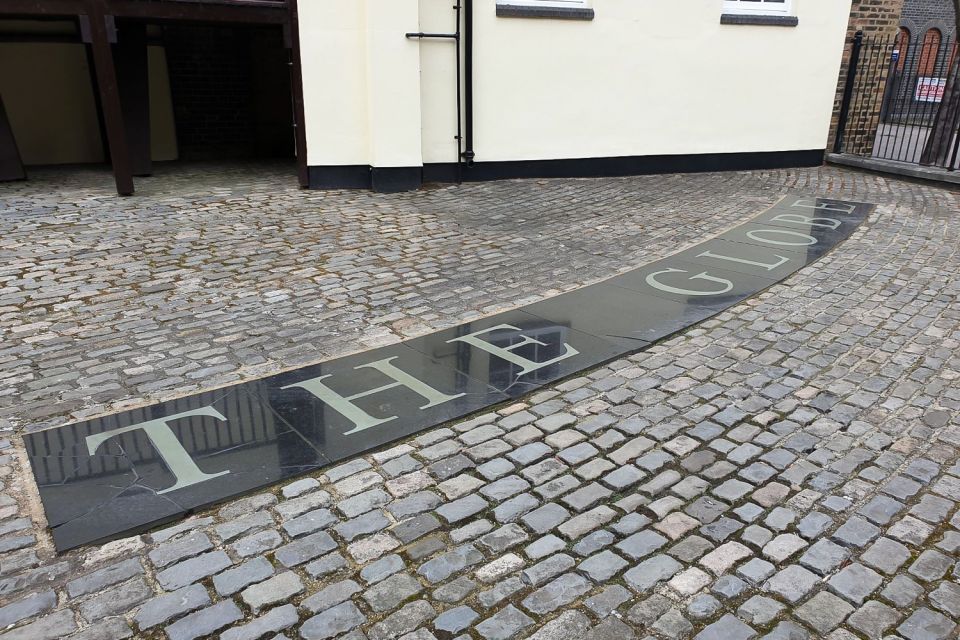
Later on, you’ll see Winchester Palace, the remains of the Bishop of Winchester’s palace. This stop is a useful counterweight to the prisons and brothels theme. It reminds you that Southwark wasn’t just where society’s “bad parts” went; it was also where influence and authority lived in stone.
Then the tour hits Clink Prison Museum. Like Marshalsea, the Clink connects you to the punitive side of London, again with remnants you can still relate to the real geography. It’s not just dark atmosphere for effect—the guide explains why these prisons mattered to the neighborhood’s long story.
Put together, Winchester Palace and the Clink show you two forms of control: religious authority and legal punishment. That contrast is one of the reasons this tour feels more thoughtful than simple shock value.
The Globe Theatre: Shakespeare’s London, old site to new stage
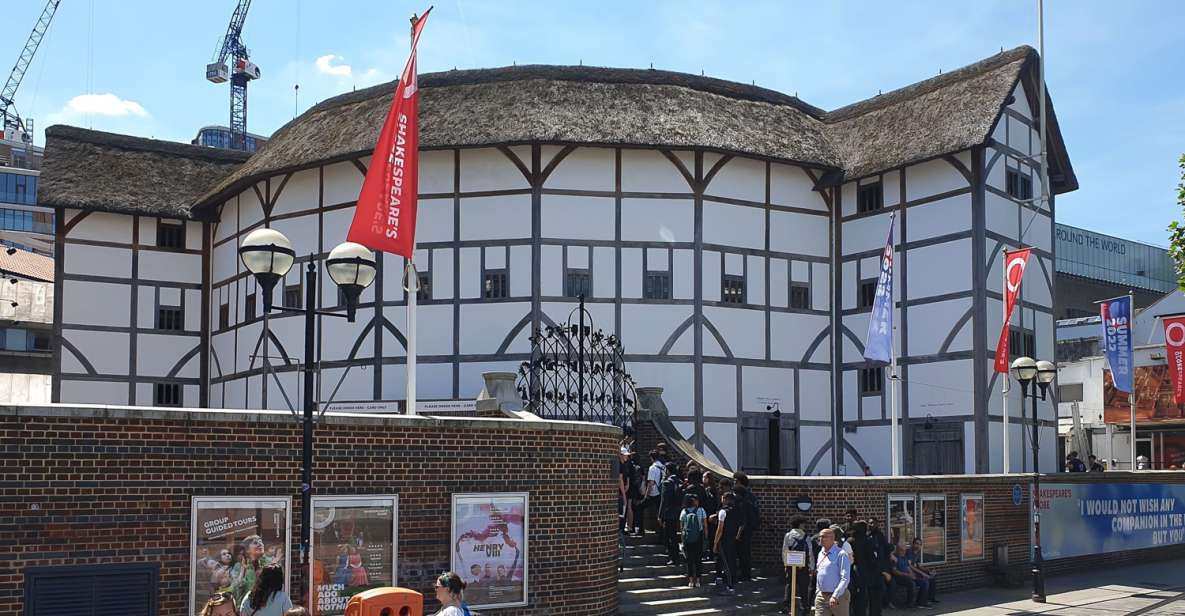
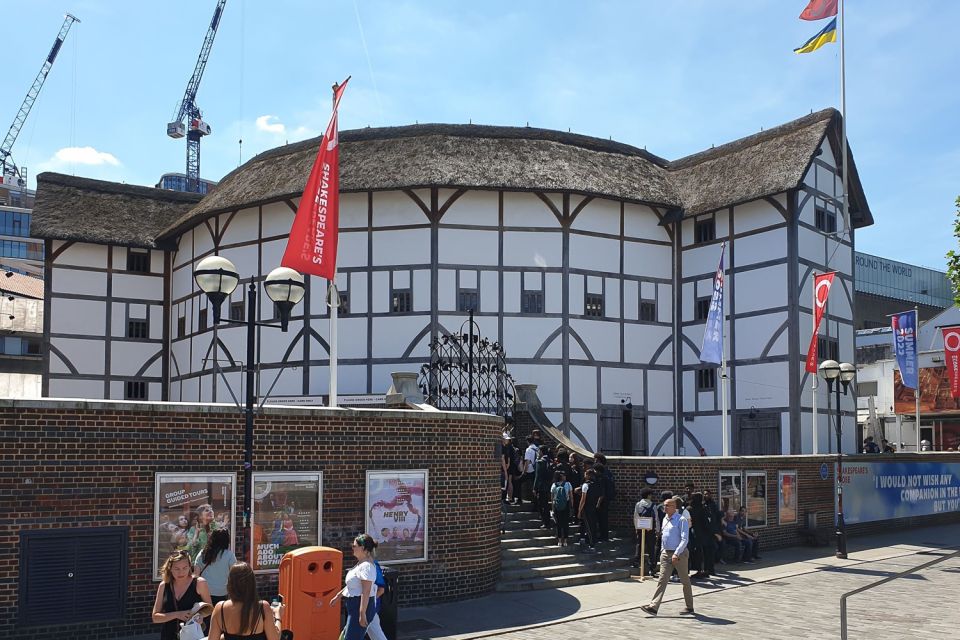
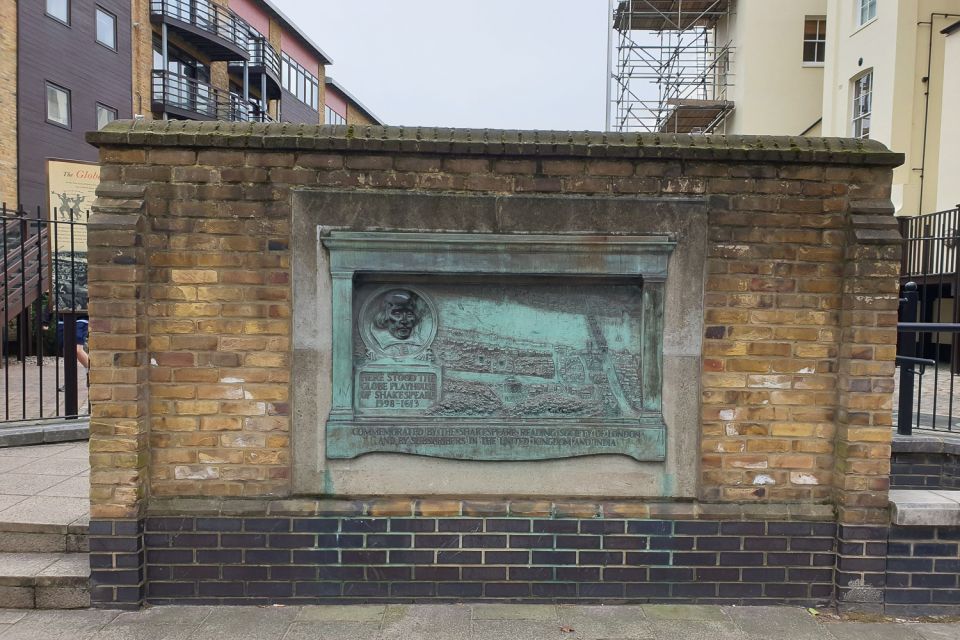
The last stretch makes the title make sense. You’ll visit the original site of the Globe Theatre, then finish at Shakespeare’s Globe Theatre, often called the modern reconstruction. Seeing both in one walk gives you a sense of continuity: stories may change, but places hold onto their roles.
I like this ending because it turns the tour’s tone into something more creative. You start with prisons and seedy trades, then you close at theatre—public performances where Londoners came to watch human behavior play out. The guide’s approach helps you connect the city’s rough edges to the kinds of drama Shakespeare could write because he lived in the same city that produced the same kinds of people.
If you want to go inside the Globe Theatre, plan extra time. The tour’s time at the site is short, and you may need separate tickets for entry if you want the full experience beyond the exterior.
Who this tour is best for
This is ideal if you’re the type who likes London with an edge—street-level history, recognizable names like Dickens, and famous sites like Borough Market and Shakespeare’s Globe.
You’ll enjoy it most if you:
- want a 2-hour overview of Southwark and Bankside without juggling multiple tickets and transport
- like stories that mix serious context with humor
- enjoy walking tours where the guide answers questions on the move
It may not be your best fit if you dislike adult themes, because the tour is explicitly framed around brothels and bawdy trades. It also isn’t aimed at younger kids; it’s not suitable for children under 13.
Price and value: is $26 a good deal?
At $26 per person for a two-hour guided walk, the value is strong—especially because the tour includes a live guide and keeps the group small (ticket sales limited to 15). You’re paying for interpretation: turning street corners into a readable timeline with names, character, and connections like the Dickens link.
The main “value consideration” is time. Each stop gets a short guided moment, so you’re not buying a long museum day. If your priority is extended time inside a cathedral or deep time in a museum, you’ll likely want to pair this with your own return visit after the walk.
Should you book Booze, Brothels & the Bard?
I’d book this if you want a memorable Southwark orientation—prisons, markets, and Shakespeare—in one tight package. The small-group format and the guide’s ability to answer questions while keeping the story moving are exactly the kind of details that make a short walking tour feel worth it.
Pass on it if you want a kid-friendly history stroll or if you only enjoy tours that spend long hours inside buildings. Otherwise, this is a smart way to see why Southwark earned its nickname and how that same neighborhood feeds London’s arts and storytelling.
FAQ
Where do I meet for the tour?
Meet just outside Borough Station on Borough High Street. Your guide stands by the exit with an Historic London Tours sign.
How long is the walk and how far do we cover?
The tour lasts about two hours and includes a total talking distance of about two miles (3.2 km).
How much does the tour cost?
The price is $26 per person.
What’s included?
The tour includes a live guide.
Is it suitable for children?
No. It’s not suitable for children under 13.
Is the tour guided in English?
Yes, the live guide speaks English.