REVIEW · LONDON
Burnings, Butchery & Black Death: London’s Bloody Past
Book on GetYourGuide →Operated by Historic London Tours · Bookable on GetYourGuide
London gets darker at Smithfield.
This 2-mile, two-hour walk with Historic London Tours traces London’s bloody past through slaughter sites, executions, and the places that inspired Dickens, with Tom guiding the story. It’s a compact route, but you’re covering a thousand years of change.
I love how the tour treats the Black Death as a real-world problem—how the city dealt with tens of thousands of corpses in the 1300s—rather than just a vague plague story. I also like the way it connects grim history to familiar names and landmarks, from Charles Dickens and Oliver Twist to the William Wallace memorial, with humor that keeps the pace moving.
One consideration: this tour goes straight at graphic topics tied to death and punishment, and churches along the way may only be entered if they’re not holding services. If you prefer light, pretty sightseeing, this one may feel heavy.
In This Review
- Key highlights you’ll actually remember
- From Barbican to Ely Place: why this London walk works
- Price and value: what $26 gets you in the real world
- Charterhouse Square and Smithfield Market: the neighborhood’s turning points
- St John’s Gate and Cloth Fair: where stories get messy and real
- St Bartholomew the Great: churches, context, and the limits of entry
- The William Wallace memorial and medieval executions
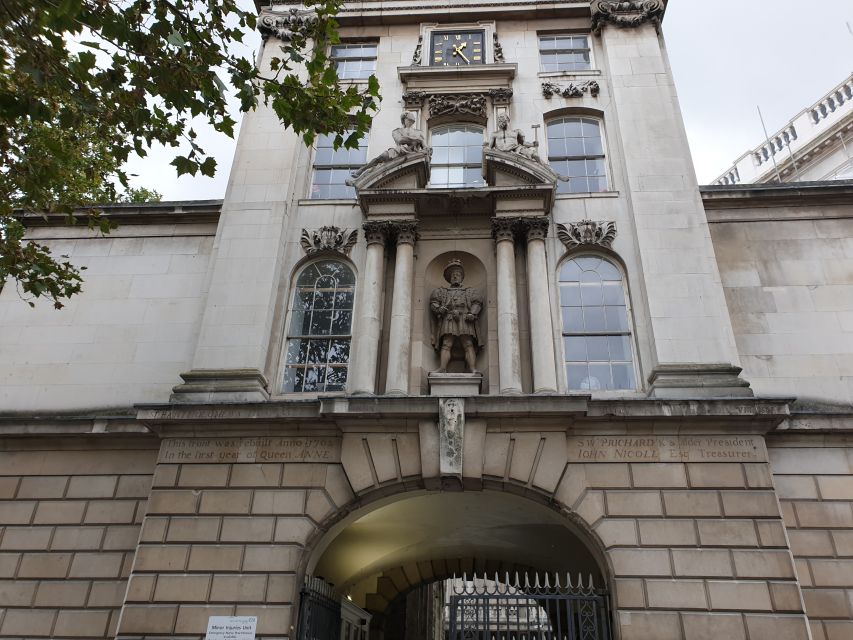
- St Bartholomew’s Hospital, Golden Boy of Pye Corner, and the “everyday” landmarks
- London Central Markets and Smithfield’s modern shadow
- Who this tour suits (and who should skip it)
- Should you book Burnings, Butchery & Black Death?
- FAQ
- How long is the tour?
- How far do you walk?
- Where is the meeting point?
- Where does the tour end?
- What does it cost?
- How big is the group?
- What language is the tour in?
- Is the tour suitable for children?
- Are churches included?
- What if my plans change?
Key highlights you’ll actually remember
- Smithfield, where both animal and human slaughter happened for centuries
- Black Death corpse disposal in the 1300s, explained in practical terms
- Medieval execution methods, including the William Wallace stop
- Dickens and Oliver Twist connections through the surrounding streets
- Landmarks like the Golden Boy of Pye Corner and St Bartholomew’s sites
- A small group capped at 15 people, so questions don’t get lost
From Barbican to Ely Place: why this London walk works
Most London walking tours aim for neat stories and photo stops. This one is different: it’s built around a single idea—Smithfield and its surrounding streets as the city’s long-term machine for dealing with death. You walk about two miles over roughly two hours, so you get movement and context without a slow, museum-style pace.
The small group size matters. With a limit of 15 attendees, you’re more likely to hear details clearly and actually ask questions. That helps a lot on a subject like this, where myths get mixed in with history and you’ll want straight answers.
You’ll also get a guided mix of names and eras that feel oddly connected: medieval justice, Charles Dickens, and even an eighteenth-century ghost story woven into the route. It’s not random; it’s the tour’s way of showing how one neighborhood can keep getting reused—socially, spiritually, and yes, brutally.
You can also read our reviews of more tours and experiences in London.



Price and value: what $26 gets you in the real world
At $26 per person for about two hours, this isn’t a “cheap-and-boring” tour. You’re paying for two things: expert-led storytelling and access to the places where the details took place. The route is tight, with frequent guided pauses, including churches (when they’re open for visitors).
For me, the best value signal here is specificity. This tour doesn’t just say London had a plague. It points you to Smithfield and explains what happened to the bodies in the 1300s and how the execution system worked. Then it brings Charles Dickens into the same neighborhood so you can see how suffering becomes literature and memory.
One more value point: the time commitment. If you’re short on days or you want one focused evening plan, two hours is easy to slot into a packed itinerary. You get story, walking, and landmarks—without turning your day into a long slog.
Charterhouse Square and Smithfield Market: the neighborhood’s turning points
The walk starts just outside Barbican Station on Aldersgate Street, with the Historic London Tours sign easy to spot. From there, the early stops set the tone: this area isn’t just one era—it’s layered. You begin with Charterhouse Square, then move toward Smithfield Market, where the tour’s main theme becomes impossible to ignore.
At Smithfield Market, the focus is on centuries of slaughter—both animal and human. That’s not the kind of fact you forget once it’s explained clearly, because it reframes the neighborhood. Instead of seeing a market district or a route through town, you start seeing a place the city used again and again, for hard, grim work.
You’ll also get a sense of how place shapes behavior. Markets are social. Streets are trade. But when the same space becomes tied to executions and plague deaths, the meaning changes. That’s the tour’s trick: it makes you look at the street layout and think about logistics, not just legends.
One practical tip: bring comfortable walking shoes. Even though it’s only about two miles, you’ll feel it if your day already involved a lot of sightseeing. This is a “stay steady and listen” walk, not a slow stroll designed for lingering photos at every corner.
St John’s Gate and Cloth Fair: where stories get messy and real
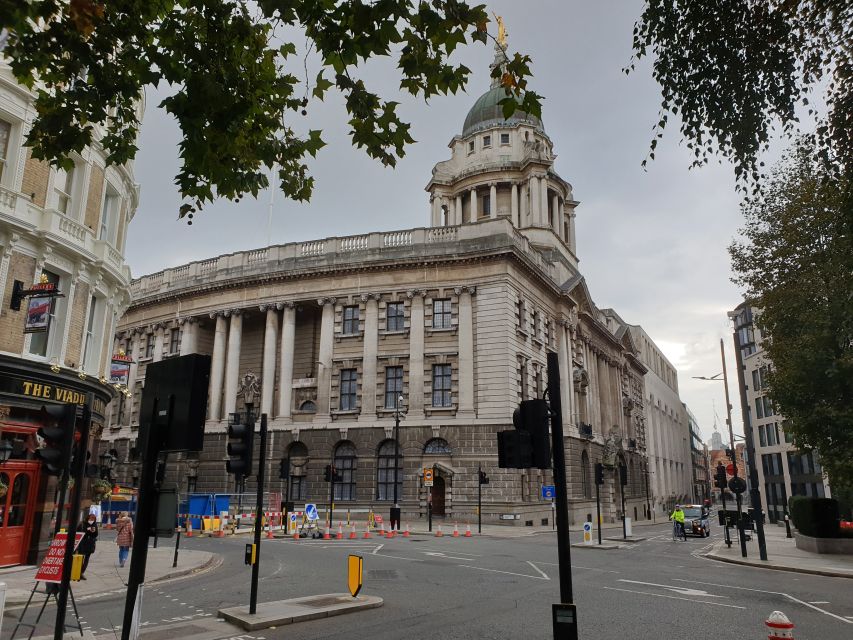
Next up is St John’s Gate, followed by Cloth Fair. These stops feel like you’re stepping into the gaps between big headline history. Instead of jumping from one famous event to another, the guide ties the neighborhood’s roles together—commerce, law, and the way people lived when the city was dealing with repeated crises.
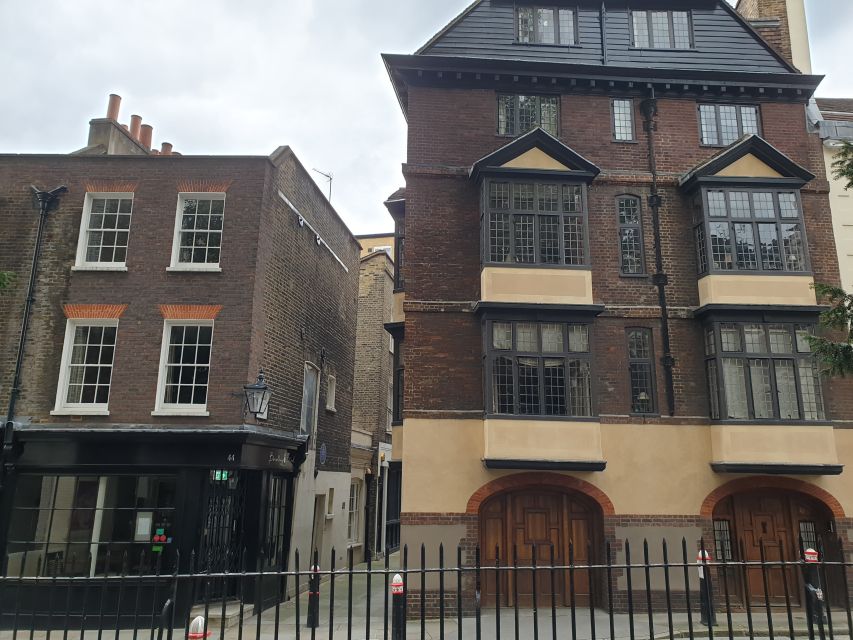
Cloth Fair is especially useful because it’s where the tour links history to later reputation. The area’s reputation shifts over time, and by the era of Dickens, this neighborhood has become a notorious slum setting—meaning you can connect what you learn about executions and plague with what later writers used the space for.
This is also where the tour’s storytelling style helps. Tom is described as entertaining and quick to answer questions, and that matters here because the topic can sound unbelievable until someone makes it make sense. When you hear how the neighborhood developed into the kind of place Dickens used for Oliver Twist, it clicks: London’s darkest episodes weren’t hidden away—they influenced everyday life and art.
If you’re the type who likes to understand the “how” behind the “what,” these street-level stops are a big win. You get a more human picture of how the city functioned under pressure.
St Bartholomew the Great: churches, context, and the limits of entry
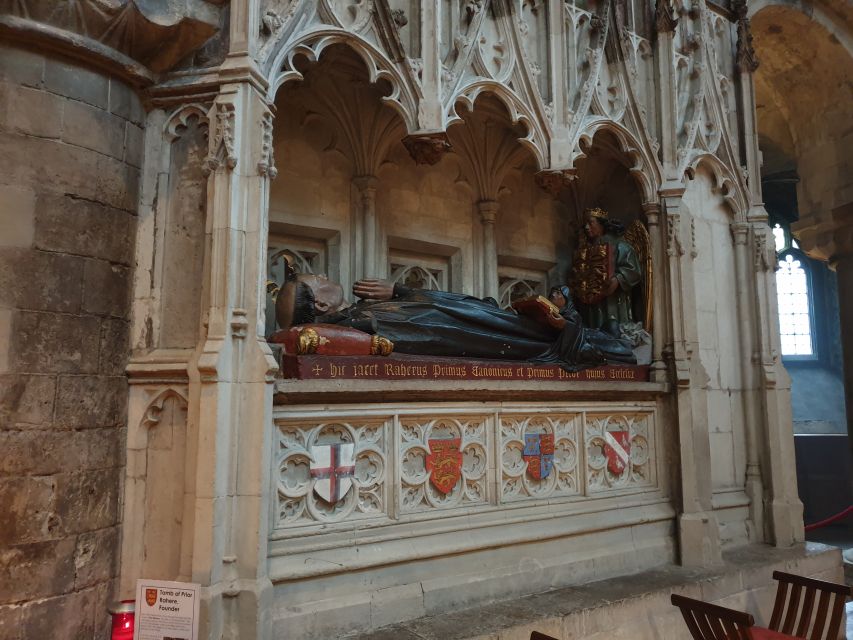
You’ll visit St Bartholomew the Great, one of the tour’s key church stops. Churches work well on this route because they give you an anchor point: even when the topic is brutal, the buildings help you see continuity. They also let the guide connect long timelines without the story feeling like a lecture on a sidewalk.
Church entry is subject to what’s happening that day. The tour includes church visits when there are no services in progress, so you might spend some time viewing from outside if the church is busy. Either way, the stops still matter because the guide uses the architecture and setting to explain why people built, gathered, and remembered in these places.
The value of pairing churches with this topic is that it changes your mental image. You stop thinking only about executions and bodies, and you start thinking about how society responded—religiously, socially, and legally. It’s a reminder that even dark history sits beside normal routines and belief systems.
A quick consideration: if you’re sensitive to graphic subject matter, you might want to mentally pace yourself at this point. The tour doesn’t shy away from what it covers, and churches won’t magically lighten the topic.



The William Wallace memorial and medieval executions
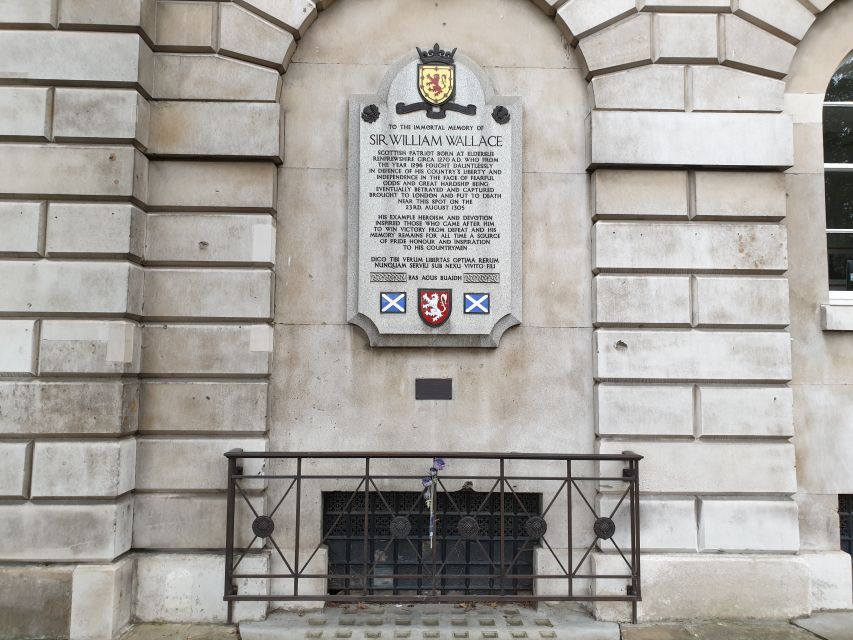
One of the standout stops is the Sir William Wallace Memorial. This is where the tour turns from general grimness into specific stories about punishment and spectacle. You’ll learn about execution methods used in the Middle Ages, and the guide’s approach helps you see why these events were both political and theatrical.
You’ll also hear the side of the story that makes people laugh a bit—especially around William Wallace and how the reality of execution didn’t match the punchy movie version of brave shouts and perfect timing. It’s the kind of detail that makes the past feel closer, not more distant.
This section is likely to be the most intense part of the walk. Not everyone will like it, and that’s okay. The tour’s strength is honesty, even when the subject is ugly.
If you’re the kind of traveler who wants history to explain systems—not just dates—this stop is a good fit. Executions were part of governance. They were also part of public messaging. When you learn how they worked, you start reading the neighborhood differently, not just remembering a story.
St Bartholomew’s Hospital, Golden Boy of Pye Corner, and the “everyday” landmarks
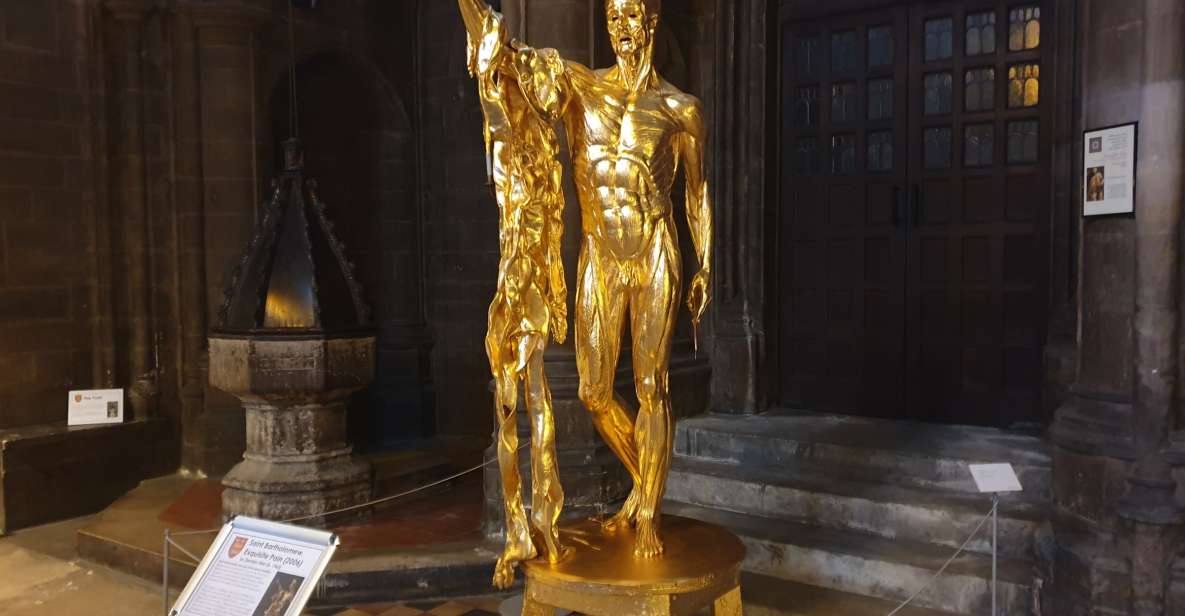
After the Wallace stop, the route continues to St Bartholomew’s Hospital and then the Golden Boy of Pye Corner. These stops balance the tour’s heavy themes with landmarks that feel more familiar.
St Bartholomew’s Hospital helps you understand how London dealt with illness and suffering in ways that weren’t only about courts and punishment. Hospitals and charitable institutions sit in the background of plague history, and the tour uses that context to broaden the story beyond death.
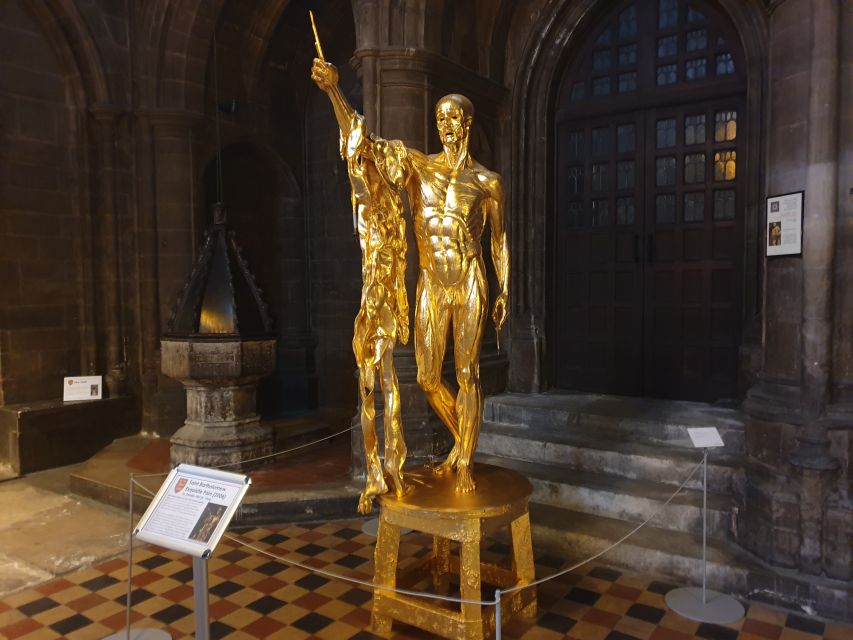
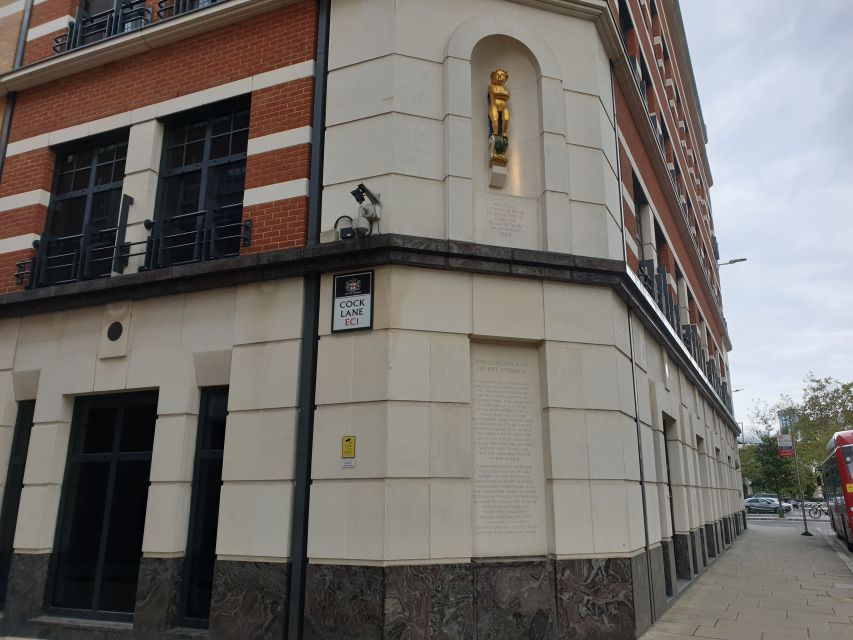
Then you hit the Golden Boy of Pye Corner, a landmark that people often notice but don’t fully connect to London’s folklore and memory. On this tour, it becomes part of the same conversation about fear, survival, and what the city chose to remember.
This is also where you’ll see how the tour’s format works. You’re not stuck only on grim facts; you’re moving through the places where those fears became part of local identity. The result is that the past stops feeling abstract.
London Central Markets and Smithfield’s modern shadow
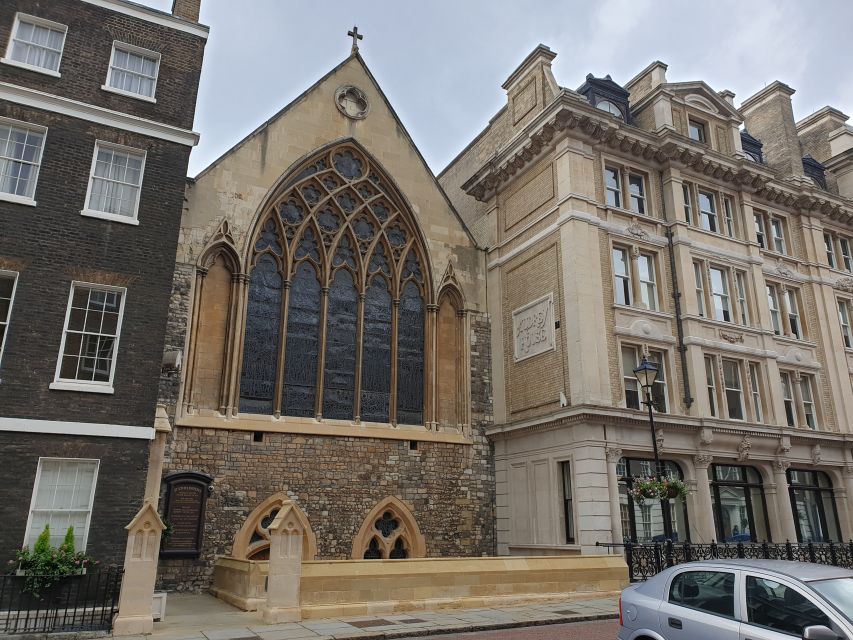
You’ll circle back through London Central Markets (Smithfield Market) area, which helps the tour land where it started: Smithfield. Seeing the market space again isn’t repetition for the sake of it. It’s the way the guide shows continuity.
A modern market is easy to romanticize. On this tour, you learn not to romanticize too fast. You look at the same ground with a different mental overlay: this place once managed large-scale death and punishment, and that history shaped how the area evolved afterward.
Ending with this context is smart because it helps you walk away with a practical takeaway. You can look at Smithfield and understand it as a working part of London’s system—not only as a historical curiosity.
When you finish near Ely Place, you’ve effectively toured a neighborhood’s transformation: from slaughter and plague logistics, to medieval justice, to Dickensian slum associations, and back to the present-day streets.
Who this tour suits (and who should skip it)
You’ll probably love this if you:
- want a focused London walking tour rather than a stop-and-start bus day
- like historical connections, especially where Dickens and real street locations overlap
- enjoy guided storytelling with humor and clear explanations from Tom
You might want to skip or reconsider if:
- you prefer light topics and don’t want graphic details related to death and execution
- you’re traveling with kids under 13, since the tour is not suitable for children under that age
If you’re unsure, think of it like this: this is history with teeth. You’re not coming for pretty views. You’re coming to understand how London dealt with extreme moments—and how those moments still echo in the streets.
Should you book Burnings, Butchery & Black Death?
Yes, if you want the kind of London tour that feels specific and grounded. The route is short, the group stays small, and the story is built around concrete places like Smithfield Market, the William Wallace Memorial, and the Golden Boy of Pye Corner. At $26 for about two hours, it’s good value for travelers who care about understanding the city, not just checking landmarks.
Book it especially if you like guides who keep facts moving with humor and who make time for questions. Tom’s reputation for fluent, entertaining delivery is exactly what you want on a topic this heavy.
If you don’t like grim subject matter, or you’re expecting a gentle stroll, then choose a different theme. This one is made for people who can handle the dark side of London and still come away feeling like they learned something real.
FAQ
How long is the tour?
The tour lasts about 2 hours.
How far do you walk?
The total distance is about 2 miles.
Where is the meeting point?
Meet just outside Barbican Station on Aldersgate Street, with your guide standing by the Historic London Tours sign.
Where does the tour end?
The tour ends near Ely Place.
What does it cost?
The price is $26 per person.
How big is the group?
Ticket sales are limited to 15 attendees.
What language is the tour in?
The tour guide provides the tour in English.
Is the tour suitable for children?
It is not suitable for children under 13.
Are churches included?
Entry to churches is included when there are no services in progress; churches along the route may be visited if they are not holding services.
What if my plans change?
You get free cancellation up to 24 hours in advance for a full refund, and there’s also a reserve now & pay later option.