REVIEW · LONDON
Discover the Secrets of Whitehall
Book on Viator →Operated by Andi Hall · Bookable on Viator
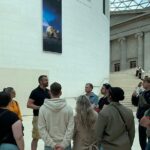
Power, pomp, and a short walking route. This small-group walk turns Whitehall into one easy story, linking top sights in about 2 hours with stop-and-explain guide commentary that actually leaves room for questions. I like how the route moves at a comfortable pace, so you’re not just rushing from photo spot to photo spot.
One thing to keep in mind: several headline landmarks are viewed from the outside, and a couple of sites have tickets not included (like Banqueting House). If you want guaranteed entry into everything, you may need to plan separate tickets for the places marked as not included.
In This Review
- Key things to know before you go
- Why Whitehall works in just two hours
- The route basics: timing, meeting point, and where it ends
- Stop-by-stop: from Trafalgar Square to Buckingham Palace
- Stop 1: Trafalgar Square (lions, Charing, and a quick orientation)
- Stop 2: Whitehall (a narrow road packed with power)
- Stop 3: 10 Downing Street (the dark heart of power)
- Stop 4: Banqueting House (Charles I’s execution site)
- Stop 5: Houses of Parliament (how power scales up)
- Stop 6: Westminster Abbey (crowns, burials, and a religious city)
- Stop 7: St James’s Park (pelicans and royal gardens)
- Stop 8: Buckingham Palace (royal power in one final look)
- The guide makes the difference: how Andi Hall’s style helps
- Value for your money: free stops plus one smart planning decision
- Who this walk is for (and who might want something else)
- Practical tips for a smoother walk
- Should you book Discover the Secrets of Whitehall?
- FAQ
- How long is the Discover the Secrets of Whitehall tour?
- What is the price per person?
- What language is the tour offered in?
- Do I need admission tickets for every stop?
- Where do I meet for the tour?
- When and where does the tour finish?
- Is there free cancellation?
Key things to know before you go
- Small group (max 15): You’ll get more time to ask questions than on big bus-style tours.
- Mobile ticket: You won’t need to hunt for printed confirmations on the day.
- Most stops are free to view: Trafalgar Square, Whitehall, Downing Street, and St James’s Park are ticket-free on this route.
- Pelicans at St James’s Park: It’s not just a pretty pause—there’s a specific Charles II story behind those birds.
- Andi Hall guides the story: His explanations focus on what changed, what stayed, and why it matters.
Why Whitehall works in just two hours
Whitehall is one of those London corridors where you can feel history without needing museum tickets. This tour is built for that. You connect the square where modern London gathers to the government-heavy stretch that sits between the City and the royal palaces area.
What you get is a guided walk that ties together politics, monarchy, and architecture in a way you can carry with you for the rest of your trip. And because it’s a small group and on foot, the pace is steady enough to actually absorb details—like why certain corners feel important or how buildings evolved over time.
At about $48.01 per person, the value comes from the mix: a compact route, a live guide, and many stops that are free to view. The only cost risk is that a couple of the big-name interiors or attractions on this route aren’t included.
You can also read our reviews of more tours and experiences in London.



The route basics: timing, meeting point, and where it ends
The tour runs for about 2 hours and uses a simple start-to-finish flow. You meet at 5 Trafalgar Sq, London WC2N 5DS, and you finish outside Buckingham Palace. From that ending point, it’s easy to continue sightseeing or head back via nearby Underground stations, including Victoria or Green Park.
This is offered in English, and confirmation comes within 48 hours of booking if space is available. It’s also listed as suitable for most people, with service animals allowed.
Stop-by-stop: from Trafalgar Square to Buckingham Palace
Stop 1: Trafalgar Square (lions, Charing, and a quick orientation)
You start at Trafalgar Square, one of London’s most recognizable public spaces. You’ll see the lions, and you’ll also hear how Charing—once described as a small village—became the transformed area that helps shape what you see today.
This first stop matters because it gives your brain a map. By the time you move toward Whitehall, you’re not only looking at buildings—you’re reading the city’s layout like a timeline. Ten minutes is brief, but it’s enough to set context fast.
Possible drawback: If Trafalgar Square is busy (it often is), the crowd can make it harder to linger and take in fine details. Still, the tour pace keeps things from turning into a standstill.
Stop 2: Whitehall (a narrow road packed with power)
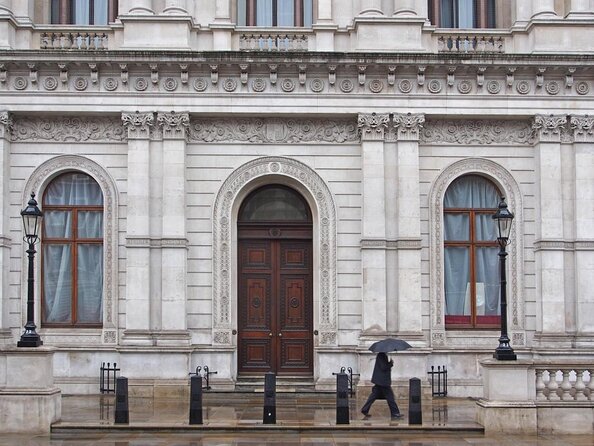
Next comes Whitehall, the road linking the City side to Westminster and beyond. The tour frames it as a place where history sits close together—described as home to the Civil Service and even the “Ministry of Magic” (a fun note that helps you connect popular culture to the real administrative spine of London).
You’ll get a sense of why this area is such a magnet for political life. It’s not just a street with famous buildings; it’s a corridor where government functions and royal sites concentrate.
What to watch for: Look for changes in the streetscape as you walk. Even if two facades look similar at first glance, the guide’s commentary can make it clear which parts belong to which eras—and why.
Possible drawback: Because the time is around 30 minutes, you won’t have a long pause to sit. If you want slow photography breaks, you’ll likely have to do a little hustling at transitions.



Stop 3: 10 Downing Street (the dark heart of power)
You then reach 10 Downing Street, famously described as the dark heart of power. You’ll hear how it was built by the phrase given to Sir George Downing (often repeated in stories about his reputation), and you’ll understand why this address became so loaded with meaning over time.
This stop is short—about five minutes—but it’s an anchor point. Even if you’ve only ever seen Downing Street in photos, the live explanation helps you connect the building’s location to the machinery of rule around it.
Possible drawback: You’re close to an extremely controlled area. Expect the tour to keep moving, with viewing and commentary rather than any extended time at the curb.
Stop 4: Banqueting House (Charles I’s execution site)
At Banqueting House, the focus shifts from offices and addresses to a dramatic moment in English history. This is described as one of the last surviving buildings of Henry VIII’s Whitehall Palace, and it’s also the site of the execution of Charles I.
Admission here is not included, so you’ll want to decide whether you’ll just take the outside context or add tickets separately (if you want to go inside). Either way, the guide’s framing helps the location make sense. When people walk past this kind of building without context, it can feel like just another landmark. With a story, it becomes a turning point.
Possible drawback: Because this stop is only about five minutes on the itinerary and tickets aren’t included, you’ll need extra time if you want an interior visit.
Stop 5: Houses of Parliament (how power scales up)
Next is the Houses of Parliament. The tour describes it as a place where the story starts—linking the idea of a ford across the river to the broader rise of a world empire. You’ll also hear how the setting helped shape the identity of the political center.
Like Banqueting House, this is marked as not included for admission, and it’s a quick stop. But it’s a strong moment to tie themes together: monarchy, government, and the physical space where decisions get made.
Possible drawback: If you’re hoping for full courthouse-level “see everything inside” access, this portion won’t do that. It’s more about getting your bearings and understanding what you’re looking at.
Stop 6: Westminster Abbey (crowns, burials, and a religious city)
Then you’re at Westminster Abbey, presented as a church fit for a King and the place where many monarchs have been crowned and where many are buried. The stop also connects the abbey to literary and publishing figures, including Geoffrey Chaucer and William Caxton, described as part of Westminster Abbey’s wider story.
This is one of the most famous stops on the whole route, and it’s only about ten minutes here with admission not included. That can feel fast, but it works if you want the big-picture mental framework. You’ll leave with a clearer sense of why Westminster Abbey feels like more than a church—it’s described as a religious city within the city.
Possible drawback: Ten minutes is not enough to read it like a book. If your goal is deep architectural study inside, plan for separate time.
Stop 7: St James’s Park (pelicans and royal gardens)
After the heavy hitters, you get a breather at St James’s Park. This stop includes the story of Pelicans, described as descendants of birds given to Charles II by the Emperor of Russia.
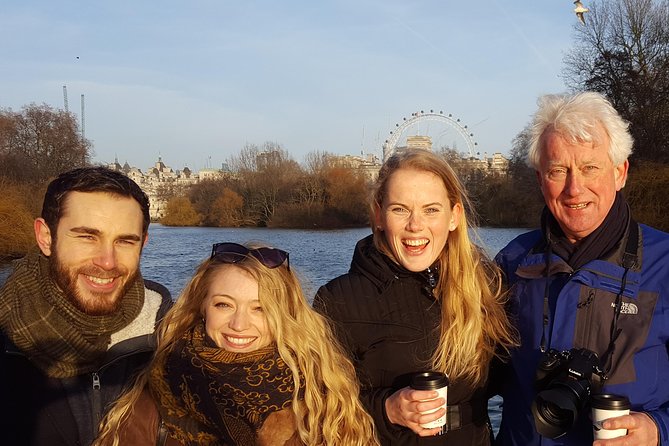
It’s a smart placement on the tour. After Parliament and abbey talk, it’s nice to shift to a park setting where the guide can help you see London as a lived-in place, not just a list of monuments. You’ll also learn that these are royal gardens that have become a public space and sanctuary for water birds.
Possible drawback: Parks can be affected by weather and lighting. If it’s raining, you might have less time outside simply because people move for cover. The guide will still keep the story moving.
Stop 8: Buckingham Palace (royal power in one final look)
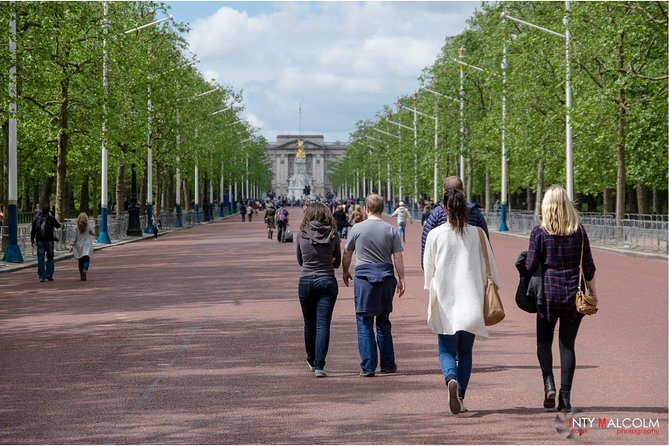
You finish at Buckingham Palace, described as the centre of royal power since the time of Queen Victoria. The tour notes it as home, office, and grand statement about the power and influence of the British Royal family.
This ending is useful because you’re dropping into one of the easiest areas to continue sightseeing. You can head on toward other nearby sights, or use nearby Underground connections to get back to the rest of your day.
Possible drawback: Admission is not included. So think of this as a grand viewing moment more than an inside visit.
The guide makes the difference: how Andi Hall’s style helps
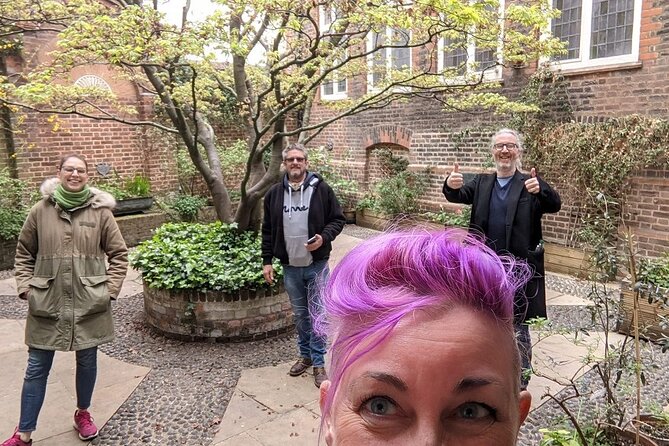
The strongest part of this experience is the way the history connects, not just the facts. With Andi Hall guiding, the explanations land in a way that makes you notice details you might skip on your own.
A few things this kind of guide approach does well for your day:
- It turns landmarks into cause-and-effect stories, so you remember more than just names.
- It keeps the walk moving at a rhythm that supports questions rather than shutting them down.
- It helps you spot small architectural and symbolic details—things that often look random until someone points out what they mean.
That’s exactly what you want in a short tour. In two hours, you can’t become a full-on historian, but you can get a mental framework that makes the rest of London click.
Value for your money: free stops plus one smart planning decision
Let’s talk price without hand-waving. At $48.01 for about 2 hours, you’re paying for a guided connection of major sites, plus the convenience of a tight route with mobile ticket access.
The value gets even better because many stops are free to view. Trafalgar Square, Whitehall, Downing Street, and St James’s Park are all listed as free in the itinerary.
Your one planning decision is the ticket question. Banqueting House is marked as “not included,” and the same is true for Houses of Parliament, Westminster Abbey, and Buckingham Palace. If you want interiors, you’ll need to add tickets and time. If you’re happy with context from the outside, you’ll likely feel like the price fits perfectly.
Who this walk is for (and who might want something else)
This tour fits you best if you:
- Want to connect several Whitehall icons without spending a whole day on multiple timed tickets
- Like guided stories that help you understand the city’s layout
- Prefer a small group and a relaxed walking pace
- Want time to ask questions rather than being rushed
You might want a different format if you:
- Need guaranteed entry into interiors at every major site
- Want a long pause at each monument for slow photography and reading
Practical tips for a smoother walk
- Wear comfortable shoes. This is a walk linking multiple landmarks.
- Bring a simple rain layer. You’ll be outside enough that weather matters.
- Have your questions ready. This tour is built for discussion, not speed.
Also, since you end outside Buckingham Palace, consider how you’ll handle your next step. If you’re transferring elsewhere, plan your route before you leave so you’re not stuck looking up directions in a busy area.
Should you book Discover the Secrets of Whitehall?

I’d book it if your goal is to get your bearings fast and leave with a clear story of how Whitehall became the power spine of London. The 2-hour length keeps it doable, the small group format keeps it human, and the guide’s commentary (with Andi Hall at the helm) is the kind of context that makes the sights feel connected.
If your dream is inside visits at Banqueting House, Westminster Abbey, Parliament-related buildings, or Buckingham Palace itself, you can still book—but treat it as a smart orientation walk and plan separate ticketed time for interiors.
If you want, tell me your travel dates and whether you want to add any interior tickets, and I’ll help you shape a simple day plan around this walk.
FAQ
How long is the Discover the Secrets of Whitehall tour?
It’s approximately 2 hours.
What is the price per person?
The listed price is $48.01 per person.
What language is the tour offered in?
The tour is offered in English.
Do I need admission tickets for every stop?
No. Many stops are free to view, but Banqueting House and several major landmarks are listed as admission not included.
Where do I meet for the tour?
The meeting point is 5 Trafalgar Sq, London WC2N 5DS, UK.
When and where does the tour finish?
The tour finishes outside Buckingham Palace, and it notes that it’s simple to get back to the start or take a short walk to Victoria or Green Park Underground Stations.
Is there free cancellation?
Yes. You can cancel for a full refund up to 24 hours in advance of the experience start time.