REVIEW · LONDON
German Language : Original Jack the Ripper Tour
Book on GetYourGuide →Operated by See Your City · Bookable on GetYourGuide
Old photos, new streets, one unanswered killer. This German language Jack the Ripper tour turns Whitechapel sidewalks into a working 1888-style mystery, with an expert Ripperologist guide and stories tied to real places. I like that the experience leans on street-level detail, not just spooky vibes, and that you’ll see how the neighborhood used to look through past images.
I also really value the way the guide presents both victims and shady suspects. You’ll hear the theories, you’ll get prompted to think about what evidence might mean, and you’ll connect it to the broader culture that later inspired Sherlock Holmes.
One thing to consider: this tour includes graphic details and visual content, and it’s outdoors the whole time. Also, it’s mostly guided storytelling rather than a very hands-on, map-by-map experience, so if you want lots of participation, you may want to mentally lean into listening.
In This Review
- Key highlights you should know
- Entering Whitechapel: what makes this tour work
- Price and time: is $24 for 2 hours good value
- Finding your guide: Altab Ali Park and the blue flag
- Stop-by-stop on the East End route
- 1) Whitechapel: starting where the neighborhood tells the story
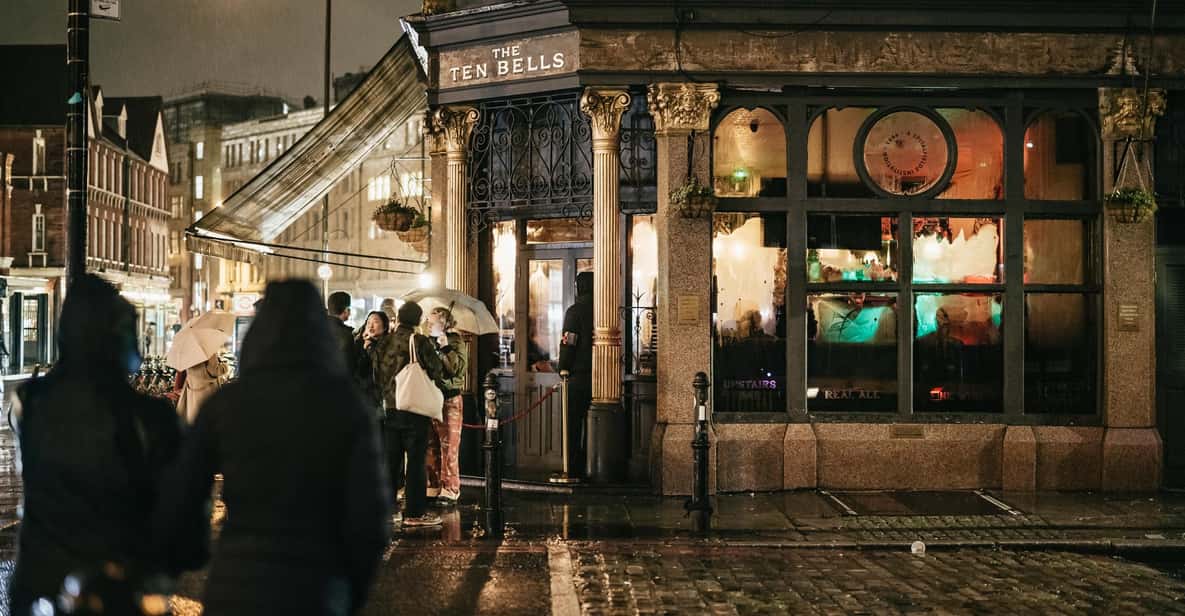
- 2) Ten Bells Spitalfields: the landmark that anchors the investigation
- 3) Christ Church: where architecture meets the era’s reality
- 4) Mitre Square: a pause point for theories and evidence
- 5) Brick Lane: the route turns into culture as well
- 6) Petticoat Lane: daily life contrast that makes the story hit harder
- The photo-and-evidence angle: why it’s more than a ghost story
- Sherlock Holmes connections: the cultural bridge you don’t expect
- What about the dark content: comfort and expectations
- Accessibility and getting around on public paths
- Will you like it? Who this tour fits best
- Should you book the German Language Original Jack the Ripper Tour?
- FAQ
- How long is the Jack the Ripper walking tour?
- Where do I meet the guide?
- What is the nearest Underground station?
- What languages are offered?
- Is the tour wheelchair accessible?
- Does the tour include food or drinks?
- Is it suitable for children?
- Is there free cancellation?
Key highlights you should know
- A guide who uses old photographs to compare then-and-now streets and give clues visual weight
- True-to-life murder theories focused on evidence and investigation angles, not just one fixed story
- Real East End stops including Ten Bells Pub, Spitalfields Market, Brick Lane, Mitre Square, and Petticoat Lane
- Sherlock Holmes context tying Victorian public imagination to the Ripper era
- Multilingual live guide with German plus English, Spanish, Italian, and French
- Accessible by design, but outdoors with varying public-path conditions and weather prep
Entering Whitechapel: what makes this tour work

Whitechapel isn’t just a setting here. It’s the method. The tour frames each stop as a small piece of the 1888 puzzle, using what you can still see today and pairing it with historical context so the neighborhood feels like it has layers, not just plaques.
The star is the Ripperologist guide. That matters because the best part of any walking “mystery” is whether you get clear, grounded explanations. Here, you’ll hear true-to-life stories about victims and alleged suspects, plus how investigators (and later theorists) tried to make sense of what happened.
I like that you’re not asked to sit there passively. You’ll be encouraged to assess photographic evidence and weigh theories. Even if you already know the broad outline of the Jack the Ripper story, this gives your brain something to do with the details, including who might have looked suspicious and why people proposed certain ideas.
You can also read our reviews of more tours and experiences in London.



Price and time: is $24 for 2 hours good value
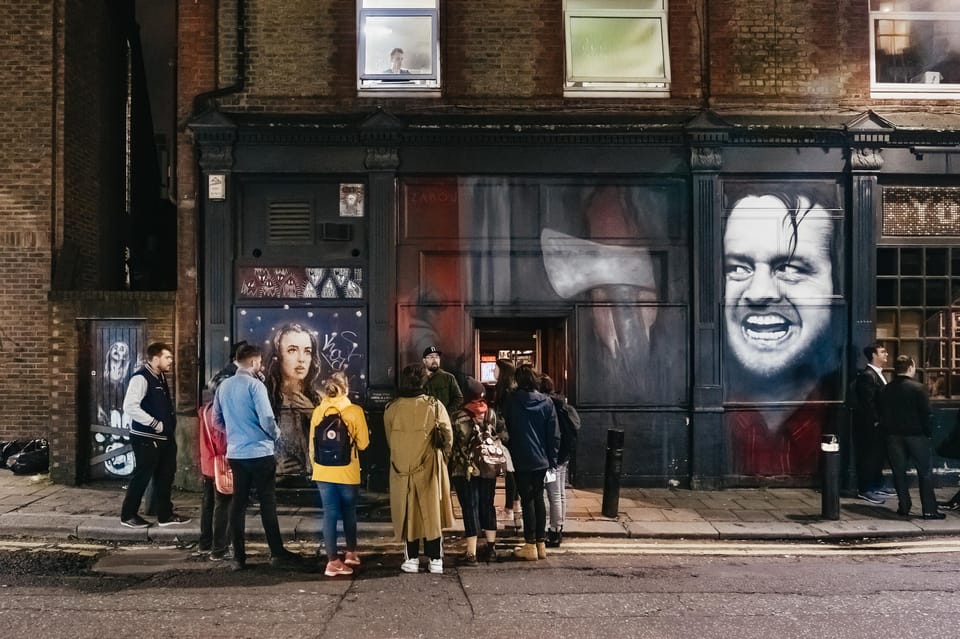
At $24 per person for a 2-hour guided walk, the value comes from three things: live expertise, a focused route, and context that goes beyond the murders. A short tour can feel rushed, but this one is built around a manageable pace and a compact set of stops in the Whitechapel/Spitalfields area.
You also get multilingual guiding. That’s not just a convenience; it’s part of how the tour stays coherent. If you’re booking in German, you’ll likely appreciate that you can follow the details without having to mentally translate every name and concept.
Food and drinks aren’t included, so you’re paying for the experience itself. Practically, that means you’ll want a plan for a snack before or after, especially if you’re doing this on a day that also includes markets and sightseeing.
Finding your guide: Altab Ali Park and the blue flag
The meeting point is straightforward once you know what to look for. You meet your guide at the west entrance to Altab Ali Park, on the corner of White Church Lane and Whitechapel High Street, by the large iron arch gate. Your guide will be holding a blue flag.
Nearest Underground station is Aldgate East. If you like to arrive early, you’ll have time to get oriented before the group starts walking, which helps a lot on tours that jump right into the story.
A small but useful detail: the itinerary lists the start near St Marys Whitechapel Church Memorial. In practice, that fits the same general neighborhood area, so once you’ve found the Altab Ali Park iron gate, you’re in the correct part of town.
Stop-by-stop on the East End route

This tour is designed as a sequence: neighborhood texture first, then the crime-story layer on top. Even if you don’t memorize every name, the route helps your mind connect what you see now with what people lived through back then.
1) Whitechapel: starting where the neighborhood tells the story
You begin in the Whitechapel area, and the opening works like a set of bearings. The guide frames what Whitechapel meant in everyday terms—an impoverished district at the time—and sets expectations for why people ended up living where they did, and how that shaped the atmosphere around the crimes.
This first segment is useful because it prevents the story from becoming only a list of horrors. Instead, it’s about context: the “why here” question that many visitors care about, but rarely get answered in a way that makes sense on foot.



2) Ten Bells Spitalfields: the landmark that anchors the investigation
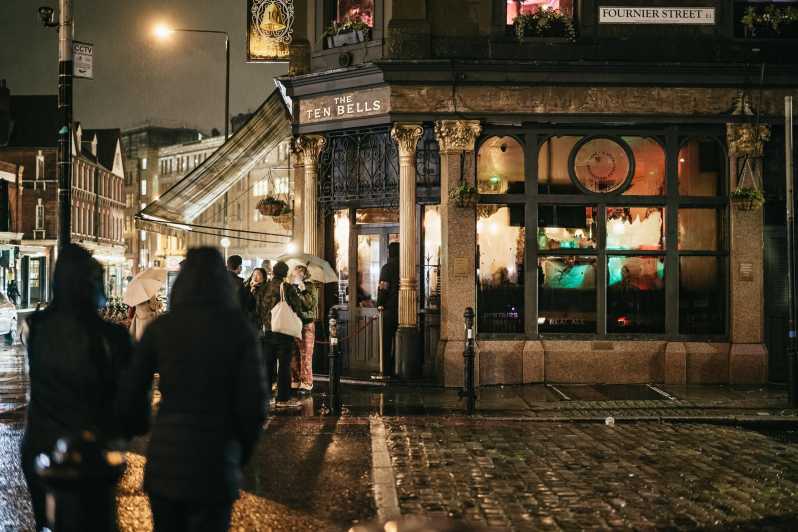
Ten Bells Spitalfields is both a stop you pass and, at the end of the walk, your finishing point. That tells you the guide likely uses it as an anchor for the darker parts of the narrative—stories, theories, and how people tried to interpret clues in a neighborhood that was already under pressure.
What makes this stop compelling is contrast. You’re standing by a familiar kind of London pub landmark, but the guide ties it back to what the era felt like, and you’ll hear about the theories surrounding who could have been involved and why the case never neatly resolved.
3) Christ Church: where architecture meets the era’s reality
You’ll also pass Christ Church as part of the route. Churches in London tours often risk becoming just a backdrop, but here they matter because the guide connects the built environment to Victorian life in Whitechapel—how people moved through the area and what “normal” looked like alongside the extraordinary.
Even if you don’t care about architecture, it helps to have a stop where the guide can pivot from street life to more formal structures. It keeps the story from feeling like it exists only in alleyways.
4) Mitre Square: a pause point for theories and evidence
Mitre Square is another key stop. Squares are good for walking tours because they give you a natural moment to regroup—visually and mentally. This is typically where a guide can lay out competing ideas without needing you to sprint to the next corner.
This tour uses those transitions to keep the mystery-thinking active. Expect discussion that nudges you to consider the role of evidence and how certain theories gained traction.
5) Brick Lane: the route turns into culture as well
Brick Lane is one of the most recognizable names on this itinerary, and it’s there for more than name recognition. The guide connects it to the lived reality of the East End and then overlays the Ripper-era questions—what people noticed, what they didn’t, and why a case like this could slip into uncertainty.
This stop also helps you understand why you’re not just learning about crimes. You’re learning about how an entire neighborhood’s reputation got written into British culture, and how later figures like Sherlock Holmes fit into that same cultural context.
6) Petticoat Lane: daily life contrast that makes the story hit harder
Petticoat Lane is included as a stop, and that’s smart. It adds a daily-life layer to the route, which is crucial if you want the tour to feel grounded rather than purely sensational.
The idea is not that you’re searching for the murder “location” as a modern-day scavenger hunt. It’s that you’re watching the guide connect everyday East End life to why the crimes, investigations, and rumors carried on the way they did.
The photo-and-evidence angle: why it’s more than a ghost story
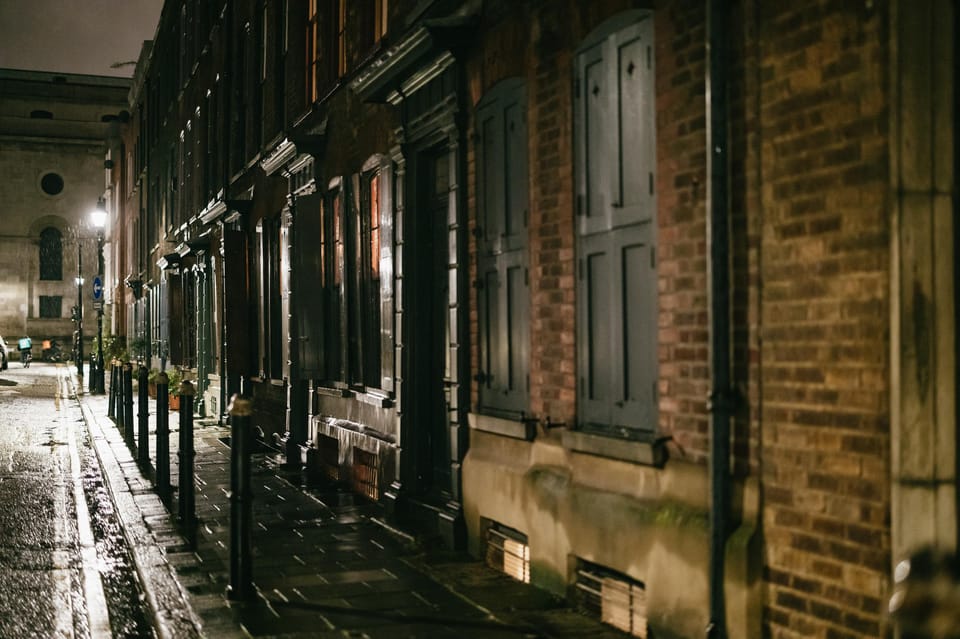
A lot of Jack the Ripper tours are either straight legend or straight history. This one tries to live in the middle by using photographic evidence as a discussion tool. You’ll assess what’s presented and hear theories tied to alleged suspects and the investigation.
In my view, this is where the tour becomes genuinely memorable. You’re not being asked to simply believe in one dramatic culprit. Instead, you’re being trained—lightly, at tour pace—to think about how “evidence” is interpreted, how information gets repeated, and why certainty is hard when records and testimony are incomplete.
This also explains why the guide’s wording matters. A good Ripperologist won’t treat the case like a solved detective novel. They’ll treat it like a historical mystery with pressure points and gaps, which is exactly what keeps the story from feeling like a movie scene.
One review highlight that fits this well: guides like Bettina are known for using images from earlier London to compare past and present. That then-and-now approach makes the clues feel less abstract.
Sherlock Holmes connections: the cultural bridge you don’t expect
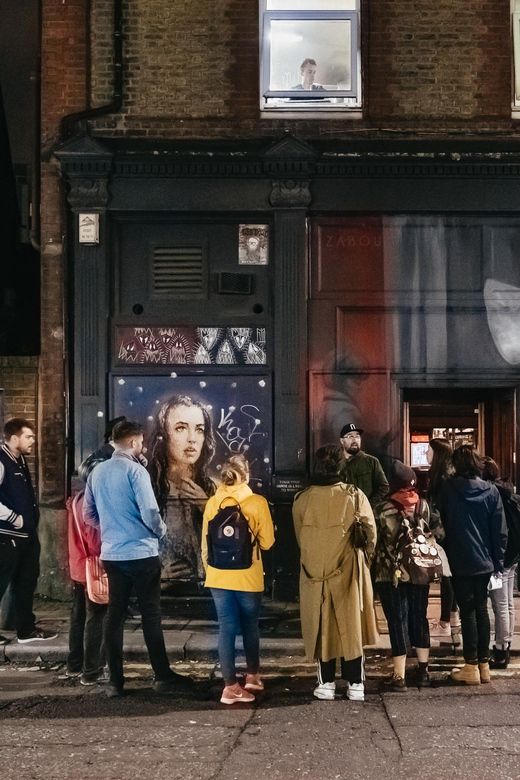
The tour doesn’t only cover the Ripper crimes. It also points to the cultural context behind Sherlock Holmes, and that can be a pleasant surprise if your mental image is only fog, knives, and street legends.
Why does this matter? Because Holmes didn’t appear in a vacuum. The guide frames how Victorian-era fascination with mystery, detection, and public obsession grew out of the same atmosphere where sensational stories spread and people argued about truth.
Even if you’re not a Holmes superfan, you’ll likely appreciate the “how culture works” angle. It makes the tour feel less like a single-case obsession and more like a window into why the British imagination latched onto stories of investigation.
What about the dark content: comfort and expectations
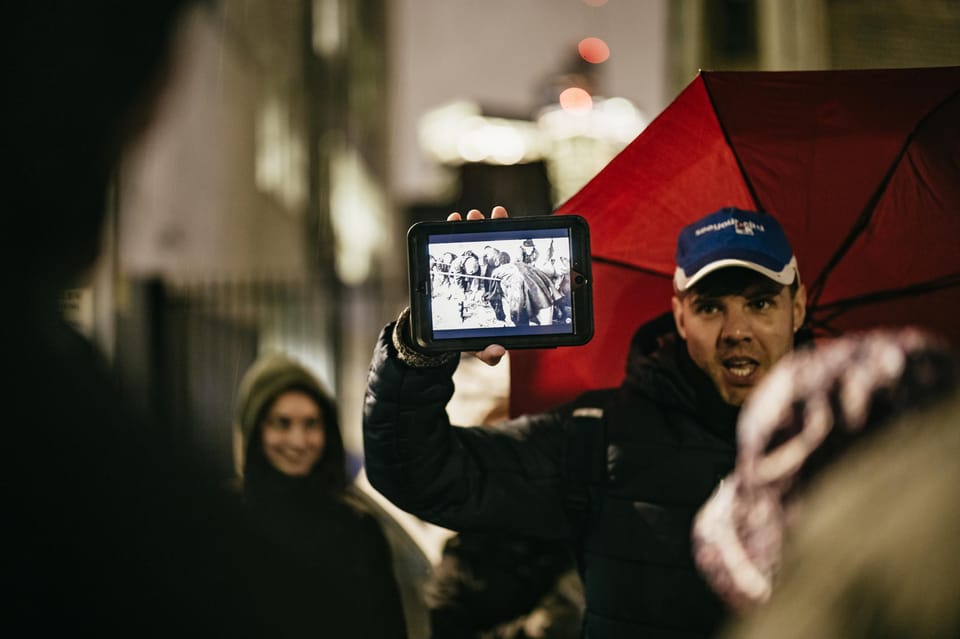
Let’s be clear: the activity contains graphic details and visual content. That doesn’t mean it’s all gore and shock. But it does mean you should judge your comfort level honestly.
If you’re booking for anyone under 18, note the requirement: participants under 18 must be accompanied by an adult. Because the subject matter is heavy, I’d treat this as a tour for older teens and adults who can handle crime storytelling respectfully.
Also, remember it’s entirely outdoors, so your experience depends on weather. Wear layers. Bring something for rain or cold if you’re walking in London in the shoulder seasons. Two hours can feel short until you’re standing in the wrong kind of wind.
Accessibility and getting around on public paths
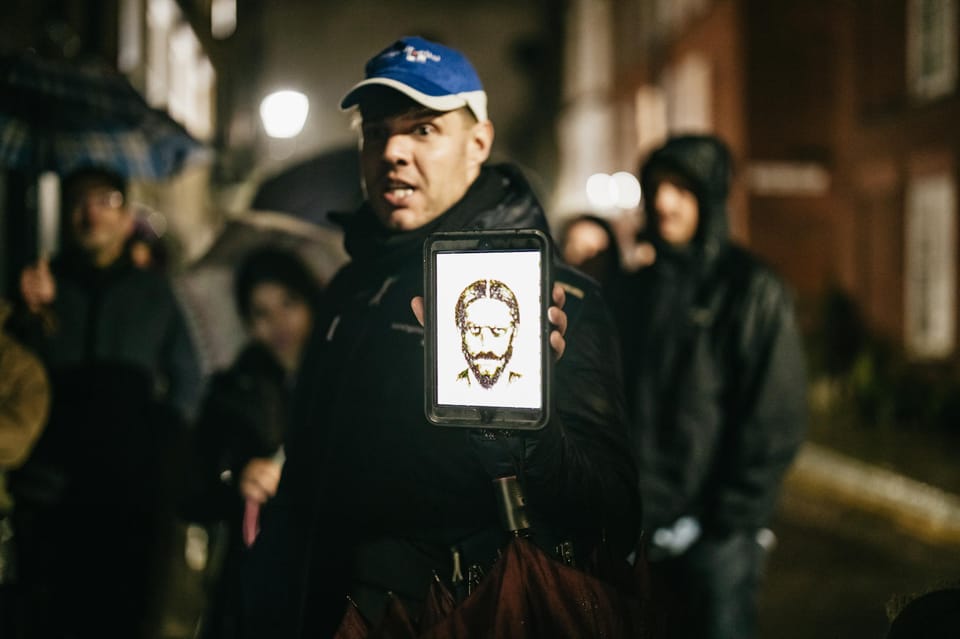
This tour is described as wheelchair accessible. It doesn’t include stairs or many inclines, which helps.
The practical part: it still happens outdoors on public paths, and those can vary underfoot. So if you use a wheelchair or mobility aids, it’s worth being prepared for uneven pavement and changing terrain depending on the exact streets you’re on that day.
If you’re traveling with mobility concerns, I’d pack “slow and steady” energy. The key is that the route is not designed around steep climbs, even though London streets can still be unpredictable.
Will you like it? Who this tour fits best
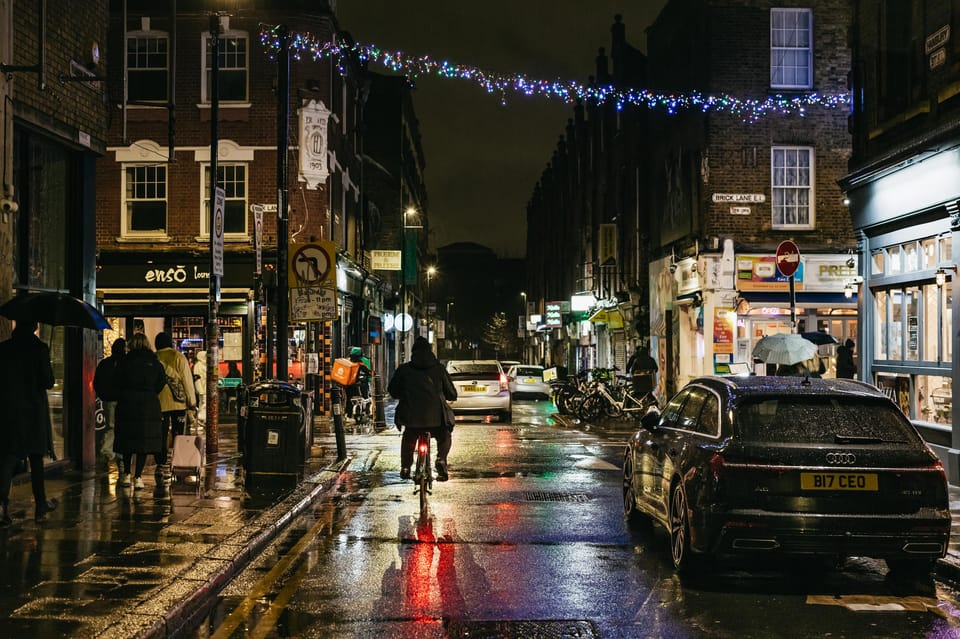
This Jack the Ripper walk is a great match if you like:
- mystery stories with reasoning, not just one-liner legends
- real city stops you can revisit later on your own
- history told through everyday neighborhoods, not only museum rooms
- tours in German that still feel detailed and structured
It’s also a strong choice if you’re doing a first visit to London’s East End and want a single guided route that covers both the grim and the cultural sides of the area.
The one caution I’d add is about interaction. One experience shared that the tour was engaging, but it would be even better with more ways to involve the group, like cards, maps, or a clearer frame story. If you know you need lots of participation to stay interested, plan to lean on the guide’s storytelling as the main “activity.”
Should you book the German Language Original Jack the Ripper Tour?
I’d book it if you want a tight 2-hour walk that blends street-level London with the case’s investigation style—plus Sherlock Holmes context—and you prefer getting that story in German (with multiple other languages available too).
Skip it or reconsider if graphic content would be too much for you, or if you want a highly interactive, DIY-feeling experience rather than a guided story built around evidence talk and historic comparisons.
If your goal is to leave Whitechapel with clearer context and a better sense of why the mystery stuck around, this is the kind of tour that can do that without dragging on.
FAQ
How long is the Jack the Ripper walking tour?
The tour lasts 2 hours.
Where do I meet the guide?
Please meet at the west entrance to Altab Ali Park, at the large iron arch gate on the corner of White Church Lane and Whitechapel High Street. The guide will be holding a blue flag.
What is the nearest Underground station?
The nearest Underground station is Aldgate East Station.
What languages are offered?
The live tour guide is available in German, English, Spanish, Italian, and French.
Is the tour wheelchair accessible?
Yes, it is listed as wheelchair accessible. The tour does not include stairs or many inclines, but it is outdoors and public paths can vary.
Does the tour include food or drinks?
No, food and drinks are not included.
Is it suitable for children?
Participants under the age of 18 must be accompanied by an adult. The tour contains graphic details and visual content.
Is there free cancellation?
Yes. You can cancel up to 24 hours in advance for a full refund.