REVIEW · LONDON
Kew Gardens Entrance Ticket
Book on Viator →Operated by Royal Botanic Gardens, Kew · Bookable on Viator
London needs a green reset. With a UNESCO setting at Kew Gardens, you get hours of walking, plus standout sights like the Xstrara Treetop Walkway and the Victorian glasshouses like the Temperate House.
I also like the built-in flexibility: you can pace it yourself across 326 acres, or plug into a free guided walking tour when you want more context. That freedom is the real win here.
One thing to consider: this can feel pricey for a short visit, especially if you’re aiming to see every special building, since some major spots like the Kew Palace and Pagoda have limited seasonal hours and aren’t included.
In This Review
- Key highlights you should care about
- Royal Botanic Gardens Kew: why this ticket makes sense
- When Kew Gardens is open (and what changes on Sundays)
- Arriving and getting your bearings fast
- A smart walking route: from gardens to the glasshouses
- Xstrara Treetop Walkway: the canopy view that fixes your photo angles
- Rhizotron: seeing roots (yes, it’s cooler than it sounds)
- Temperate House and the Chilean Wine Palm
- Queen’s Garden, Kew Palace, and the Pagoda: what’s included vs. optional
- Gardens that work year-round (and why winter still has a plan)
- Cafés and breaks: refuel without losing your momentum
- Value check: $30.37 for 3 to 4 hours in a UNESCO site
- Who should book this ticket, and who might want a different plan
- Should you book Kew Gardens entrance tickets?
- FAQ
- How long should I plan for Kew Gardens?
- What is included with this ticket?
- Are Kew Palace and the Pagoda included?
- Are meals included in the ticket price?
- Can I join a guided tour?
- What are the opening hours?
- Is Kew Gardens cancellation-free?
- What happens if the visit is canceled due to weather?
- Do I need to worry about age rules for entry?
Key highlights you should care about
- UNESCO Royal Botanic Gardens across 326 acres: lots of room to spread out, not a cramped checklist.
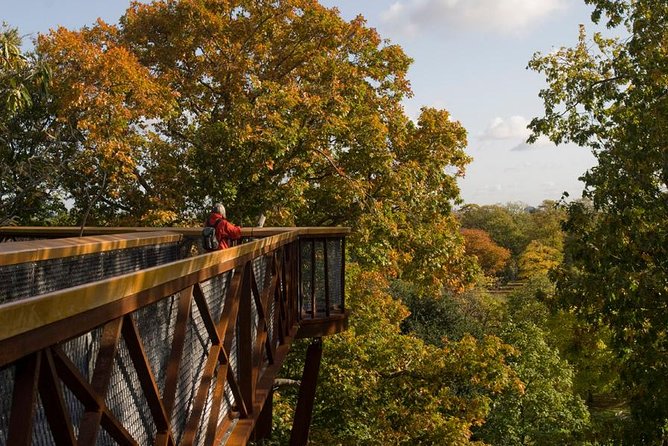
- Xstrara Treetop Walkway: raised views that change how you see the gardens.
- Rhizotron: a rare look at plant roots, not just pretty flowers.
- Temperate House: Victorian glasshouse time, including the Chilean Wine Palm.
- Queen’s Garden + Kew Palace area: sculpture history and grand garden design nearby.
- Free guided walking tours: optional structure if you want plant facts without a paid tour.
Royal Botanic Gardens Kew: why this ticket makes sense
Kew Gardens is one of those London stops that works even when you only have a half day. The ticket gets you into a huge UNESCO site, and then it’s really about how you move through it: slow strolls, big pauses, and a few signature stops that feel worth the trip.
What makes the experience click for most people is the mix of styles. You’re not just looking at flowers in beds. You’re walking manicured garden sections, then switching gears to major glasshouses like the Temperate House, where sub-tropical plants live under Victorian architecture. And when you want a change of perspective, the treetop walkway puts you above the action and into the canopy view.
You’ll also appreciate the practical rhythm. The park is big, but the highlights are spread in a way that makes a self-guided route realistic. Plan smart and 3 to 4 hours is enough to hit the best-known areas. Want more? You can stretch it into a full day and still feel like you barely covered it.
You can also read our reviews of more tours and experiences in London



When Kew Gardens is open (and what changes on Sundays)
Kew Gardens runs daily from 10:00 AM to 7:00 PM. That’s helpful because it gives you multiple timing options, whether you like a late afternoon stroll or you want daylight views for glasshouses and photography.
There’s one specific timing note: on Sunday 15 September, Kew Gardens opens at 11:00 AM due to the marathon. If you’re visiting around mid-September, check the opening time for that date so you don’t lose your morning.
Also keep in mind the practical reality: this experience requires good weather. If weather forces a cancellation, you’ll be offered a different date or a full refund. Plan for at least some daylight walking because a lot of the enjoyment is the gradual shift from garden paths to glasshouse interiors to treetop views.
Arriving and getting your bearings fast
You make your own way to Kew Gardens. The good news is that it’s near public transportation, so you’re not stuck with a complicated transfer chain.
Inside the garden, the flow is simple: you enter with your pre-purchased ticket and move at your own pace. The most common frustration with this kind of ticket is avoidable—ticket issues at the gate. In the data provided here, there’s an example where a voucher didn’t have the necessary QR code and entry took longer than it should have. Before you go, double-check that you have the correct QR code or the right ticket format saved offline.
Once you’re through the entrance, you’ll want to do one thing first: pick your must-see list. Then let everything else be a bonus. Kew is big enough that if you try to do everything at once, you’ll end up rushing and skipping the best moments—quiet corners, long glasshouse viewing, and treetop time.
A smart walking route: from gardens to the glasshouses
If you’re aiming to do the classic Kew highlights without turning your day into a sprint, structure your time around transitions.
Start with the garden areas that feel like the park’s core:
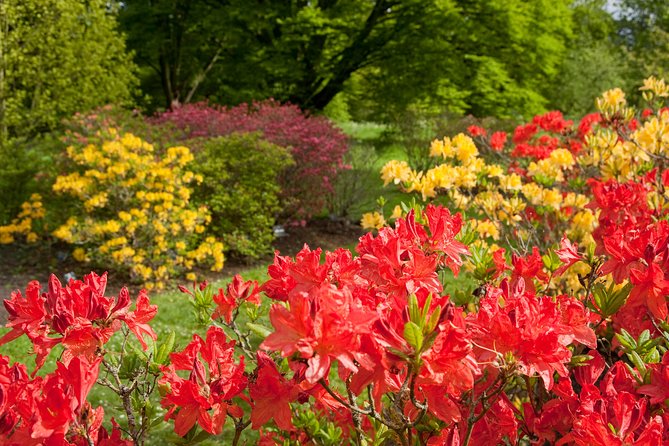
- Azalea Garden
- Minka House
- Bamboo Garden
- Queen’s Garden, near Kew Palace (also known as the Dutch House)
- Holly Walk, where you can look for much older trees
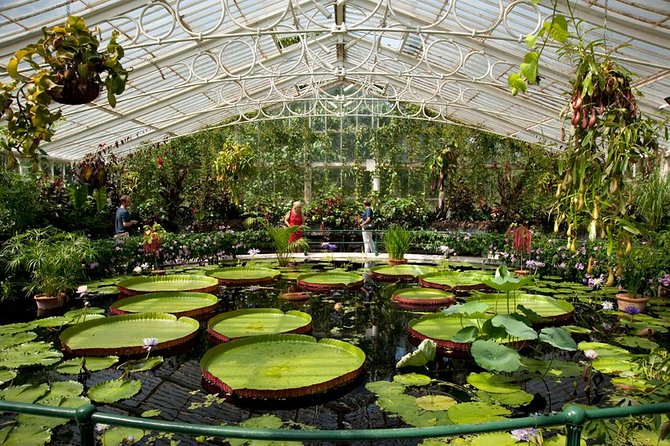
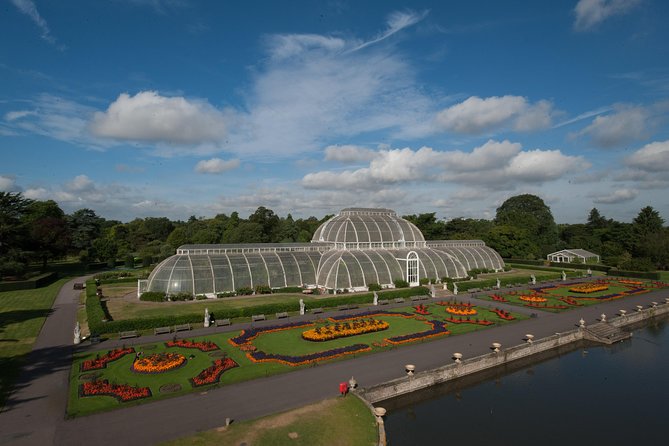
From there, shift toward the signature indoor exhibits. The Temperate House is a major pivot point because it’s the sort of place you can easily spend longer than you planned. It’s an original Victorian glasshouse, and it’s where you can see sub-tropical flora, including the Chilean Wine Palm inside. Glasshouse time changes the whole pace of your visit: you slow down, look up, and take in the plant shapes that don’t show well outside.
Then, add the vertical viewpoint. That’s where the treetop walkway comes in. Even if you’re not a “walkway person,” the view is a reminder that Kew isn’t just ground-level gardens—it’s an ecosystem you can see from above.
Xstrara Treetop Walkway: the canopy view that fixes your photo angles
The Xstrara Treetop Walkway is one of Kew’s best “time-to-wow” stops. Instead of strolling past plants at your height, you rise and get a view through the crowns—so the gardens start looking layered and architectural rather than only colorful.
This is also where the park’s size helps you. In many city gardens, you feel boxed in. Here, you see depth. The walkway is designed for that shift: from footpaths to tree canopy, from ground detail to overall structure.
Give yourself at least a chunk of time to just stand and look. If you rush, you miss what makes the walkway different. I’d treat it like a viewpoint, not a connector. It’s not only about photos, though it’s great for those; it’s also about understanding the garden from a new angle.
If you’re traveling with kids, this sort of “level change” tends to help energy levels. It breaks up the walking in a way beds of flowers can’t always do.






Rhizotron: seeing roots (yes, it’s cooler than it sounds)
The Rhizotron is the surprise highlight many people end up loving once they find it. It’s described as a way to weave through the crowns and explore what’s happening below the surface. Root viewing is the kind of plant science detail you don’t usually get in standard gardens.
Why this matters for your visit: Kew isn’t just a pretty place. It’s a Royal Botanic Gardens site with the plant collections to match. The Rhizotron helps you understand the living system, not just the finished landscaping. It makes the garden feel more purposeful.
If you’re traveling with someone who thinks botanical gardens are all about flowers, this stop can reframe the whole day. It’s the one that makes the experience feel more like a visit to a working collection and less like a stroll through a park.
Temperate House and the Chilean Wine Palm
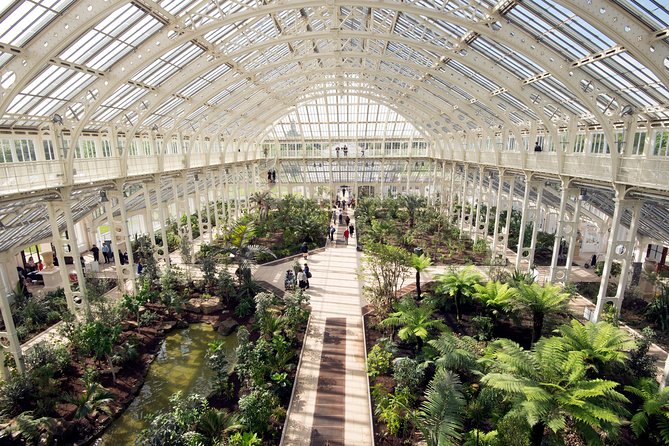
The Temperate House is where the Victorian glasshouse experience becomes real, not just decorative. You’re stepping into an original glass structure built for plant environments, and the payoff is the range of sub-tropical flora you can view in one place.
A standout named in the details here is the Chilean Wine Palm. It’s the kind of plant that gives you immediate context for why glasshouses matter: outside, the climate would be wrong, but inside you can see the plant living where it belongs.
What I like about pairing a glasshouse with outdoor walking is that it prevents “garden fatigue.” After time outside, your eyes adjust to a new light, new textures, and plants that look different when humidity and glasshouse conditions shape the atmosphere.
Plan for time here. Glasshouses reward slow watching. Even if you’re not into plant trivia, you’ll likely spend longer than you expected because it’s easy to stare at leaf shapes and grow patterns.
Queen’s Garden, Kew Palace, and the Pagoda: what’s included vs. optional
Kew gives you some big historical structures, but not all are built into the ticket in the same way.
You can see the Queen’s Garden near Kew Palace (also known as the Dutch House) as part of the broader park exploration. The Queen’s Garden is home of Kew’s oldest sculptures, so it’s a good stop when you want something besides plants—sculpture and garden design in one spot.
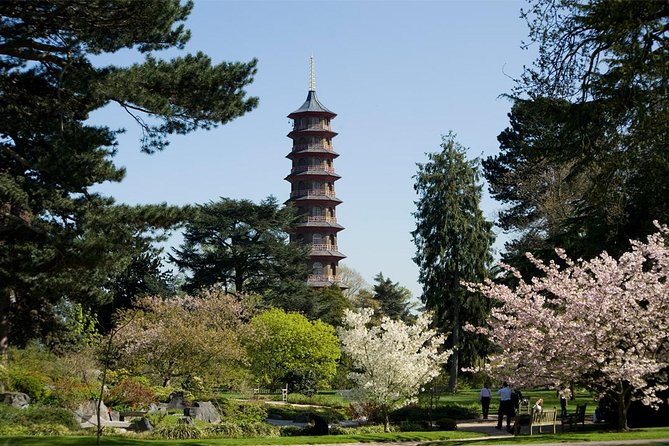
But the Kew Palace and Pagoda have a catch: they’re listed as not included and are open April to September. That means if you’re visiting outside those months, you should expect that these buildings may not be available during your trip window.
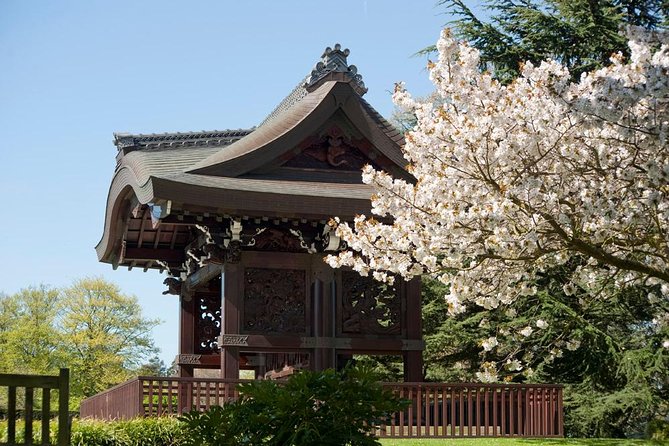
The Pagoda is described as a gorgeous octagonal structure in the southwest corner of the park, and the fact that it’s part of the story makes Kew feel like a designed landscape, not just a collection of beds. Still, treat it as seasonal icing, not your main course.
Gardens that work year-round (and why winter still has a plan)
Kew can be a hit any season, but you should set expectations. In winter, you’re likely to find parts of the garden that feel less lush. The hot houses become the anchor because they’re controlled environments where plants can still look impressive even when outdoor growth slows down.
That’s also why a 3 to 4 hour visit can work well in cooler months. You can prioritize indoor and signature viewpoint stops, then add outdoor paths based on what’s most open and interesting.
If you’re visiting in bloom season, you’ll get that classic garden feeling with Azalea, Bamboo, and other curated sections. If you’re visiting off-season, you’ll still have the glasshouses and treetop walkway as your reliable “wow” moments.
So my practical advice is simple: don’t build your day only around outdoor flowers. Build it around the systems—glasshouses, viewpoints, and a few themed gardens.
Cafés and breaks: refuel without losing your momentum
Food isn’t included, so you’ll be buying lunch or snacks on your own. The good part is that Kew has four cafés, and you can also find outdoor spots to eat when the weather cooperates.
These cafés matter because Kew’s scale can trick you. A short visit can turn long fast, and then you end up making rushed food decisions. If you plan a café break around your natural pacing—after the walkway, or midway through the glasshouses—you’ll keep the day enjoyable instead of exhausting.
Also, if you’re with family, café time is a reset button. The garden has kids’ options, but the calm pace still works better when you build in a break rather than trying to keep everyone moving nonstop.
Value check: $30.37 for 3 to 4 hours in a UNESCO site
The ticket price is $30.37 per person, and the experience is often booked about 23 days in advance on average. On paper, it may sound steep for a single park visit. In practice, the value depends on what you want from the day.
Here’s the balanced view. Kew Gardens isn’t just one attraction. Your ticket gets you access to a huge UNESCO site across 326 acres, where you can mix outdoor gardens, glasshouses like the Temperate House, and viewpoint time on the Xstrara Treetop Walkway. That combination is exactly what makes the ticket feel reasonable when you make a plan.
Where it can feel less worth it is when you expected every major structure to be included. Since Kew Palace and the Pagoda are not included and are only open April to September, your “everything in one ticket” expectation needs adjusting. If your plan is palace-and-pagoda focused, you’ll want to check what’s available during your dates.
If you treat the day as a self-guided highlight loop with a bit of optional structure (free guided walking tours), the ticket price starts to look fair.
Who should book this ticket, and who might want a different plan
This ticket is a great match for:
- First-time London visitors who want a major attraction that isn’t inside a museum
- People who like plants but also want viewpoints and architecture
- Families who need a mix of walking, indoor stops, and breaks
- Photographers who want both glasshouse interiors and treetop angles
It may be less satisfying if:
- You want a quick 90-minute stop. Kew rewards time.
- You’re visiting in winter with a flower-only mindset. Many outdoor areas may not be at their peak.
- You’re expecting Kew Palace and Pagoda to be part of the included ticket during your season. Those are seasonal and not included.
Should you book Kew Gardens entrance tickets?
Yes, if you want a high-impact London day with flexible pacing. The ticket gives you access to a massive UNESCO Royal Botanic Gardens and the kind of variety that keeps you from zoning out: outdoor gardens, signature glasshouses, and treetop views.
I’d especially recommend it if you’re traveling with mixed interests—someone who loves plants, someone who loves buildings, and someone who just wants a calm, scenic walk. This place gives each person something without forcing one kind of activity all day.
My final decision rule: book it if you can commit to a half-day of wandering and at least one indoor anchor (the Temperate House) plus treetop time. If you only want a quick stroll and nothing else, you might feel the price more strongly.
FAQ
How long should I plan for Kew Gardens?
Plan about 3 to 4 hours. You can also spend longer if you want to keep exploring at a slower pace.
What is included with this ticket?
This ticket includes admission to Kew Gardens.
Are Kew Palace and the Pagoda included?
No. Entry to the Kew Palace and Pagoda is not included, and they are open April to September.
Are meals included in the ticket price?
No. Food and drinks are not included. There are cafés on site and meals are at your own expense.
Can I join a guided tour?
Yes. There is a free guided walking tour of the gardens if you want to join.
What are the opening hours?
From 04/22/2024 to 05/21/2026, Kew Gardens is open Monday to Sunday from 10:00 AM to 7:00 PM. On Sunday 15 September, it opens at 11:00 AM due to the marathon.
Is Kew Gardens cancellation-free?
Free cancellation is available up to 24 hours in advance for a full refund.
What happens if the visit is canceled due to weather?
If it’s canceled due to poor weather, you’ll be offered a different date or a full refund.
Do I need to worry about age rules for entry?
Yes. Customers under age 16 need to be accompanied by an adult.