REVIEW · LONDON
London: Tower Bridge Entry Ticket
Book on GetYourGuide →Operated by Tower Bridge · Bookable on GetYourGuide
Tower Bridge turns into a sky history lesson. This ticket is a tight, one-hour visit that mixes spectacular views with real engineering storytelling, from the towers up to the Victorian Engine Rooms. You get that rare London combo: postcard scenery plus the nuts-and-bolts of how the bridge actually works.
I love the 42-metre glass walkway and the nerve-testing glass floor that puts the Thames right below your feet. I also like that the Engine Rooms explain the bridge as a working machine, not just an exterior photo spot. One consideration: this pre-booked ticket does not include fast-track entry, so you may still spend some time in the outside queue.
In This Review
- Key things to know before you go
- Tower Bridge in One Hour: What You Actually See
- Getting In at the North Tower: Queue, Search, and Bag Limits
- The 42-Metre Glass Walkway: Views and Height Reality Check
- Getting Between the Towers: How to Pace Your Photos
- Victorian Engine Rooms: The Bridge as a Working Machine
- Info Boards, Staff Help, and Small Comfort Touches
- Value for Money at About $21: Who Should Book
- Should You Book This Tower Bridge Ticket?
- FAQ
- How long does the Tower Bridge entry take?
- What is included with the ticket?
- Is skip-the-line entry included?
- Is Tower Bridge accessible for wheelchairs?
- Are there rules for bags and luggage?
- Can I cancel for a refund?
Key things to know before you go
- 42 metres up: you walk and look down over the River Thames from the top-level glass walkway.
- Both towers + walkways: you can move between the North and South Towers instead of just doing one quick viewpoint.
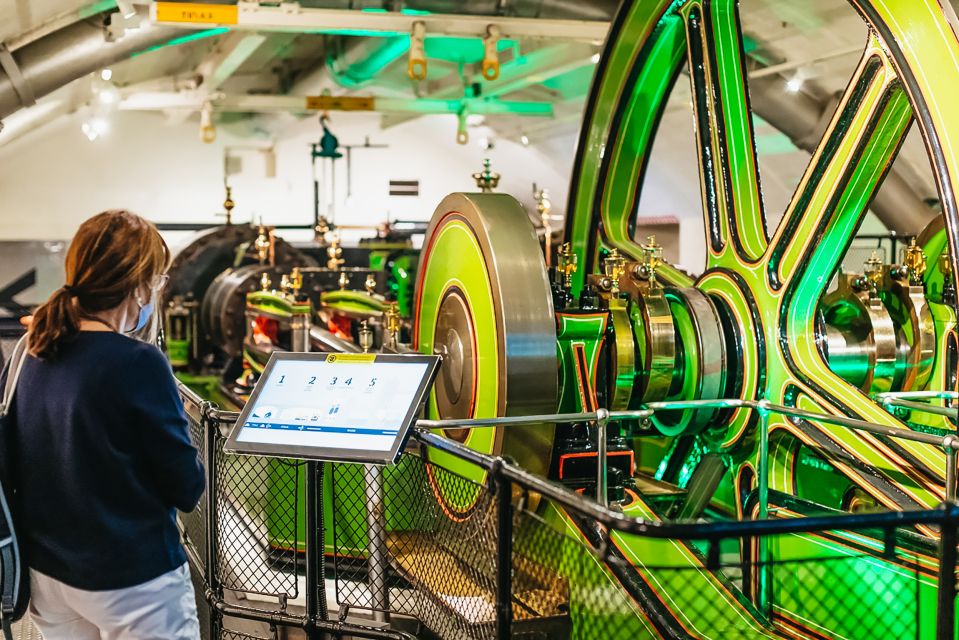
- Engine Rooms matter: you’ll see the Victorian machinery story, including how many people were needed to run the engines.
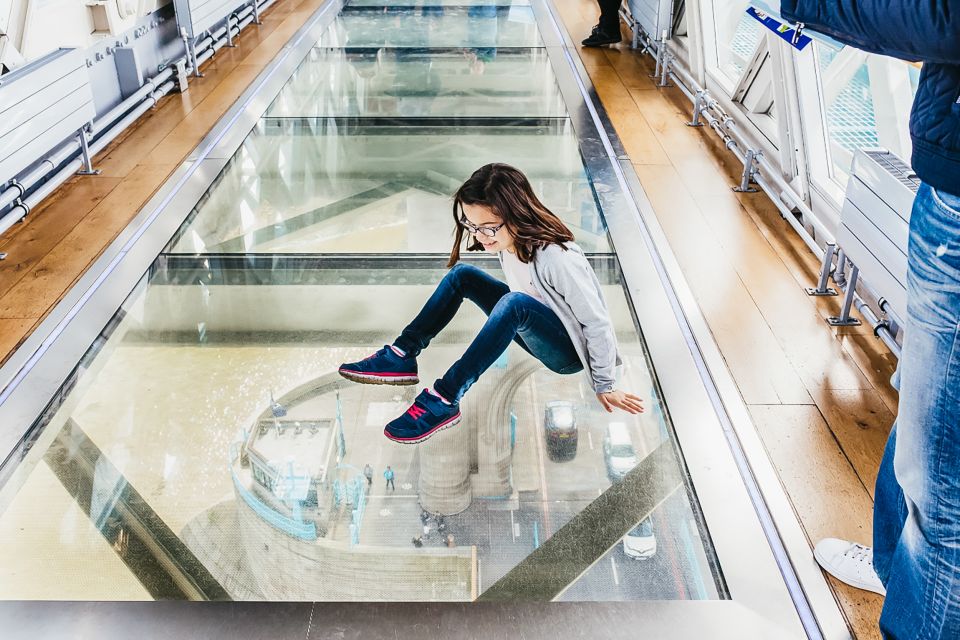
- Glass floor photo moment: the clear panels give you a perspective that’s hard to get anywhere else.
- Heaters on the walkway: on colder days, they help; on hot days, you’ll still notice the comfort measures.
- Bag search rules: there’s a strict 100% search policy and limits on bag size.
Tower Bridge in One Hour: What You Actually See
This is designed to be a focused hit. Expect about 1 hour from entry to finish, with time to read, look around, and take photos at the main high points. You’re not just doing a quick viewpoint. You’re moving through the bridge’s public levels in a way that feels like a self-guided walkthrough of the structure and its history.
The big payoff is that the experience is layered. First you get the dramatic perspective from the top levels, including the glass walkway set 42 metres above the river. Then the mood shifts to the Victorian Engine Rooms, where you can better understand what you’re seeing up top. That contrast is what makes Tower Bridge more satisfying than many “stand here, take a picture” attractions.
You also get access to both towers, not only one side. That matters because Tower Bridge is wide and built for views from different angles. In practice, you’ll find you spend more time turning your head, not just posing once and leaving.
If you want a checklist version of the visit: towers → walkways → glass floor moments → Engine Rooms. You can pace it however you like, but the layout is straightforward and doesn’t waste your time.
You can also read our reviews of more tours and experiences in London



Getting In at the North Tower: Queue, Search, and Bag Limits
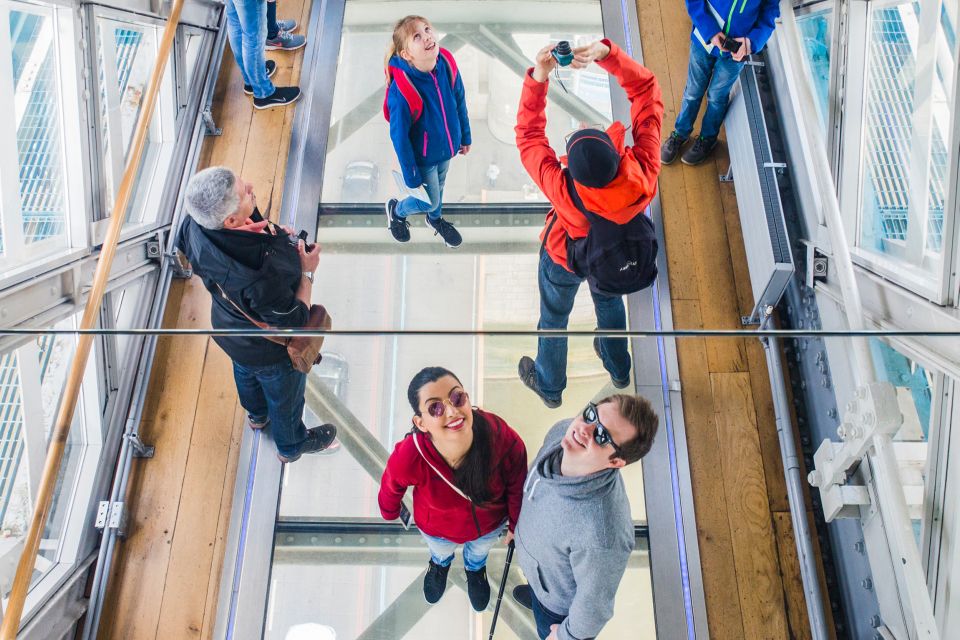
Your entry point is on the western side of the North Tower. Plan to join the outside queue, and the Tower Bridge team is there to help you get in.
Now for the practical stuff that affects your experience: Tower Bridge runs a 100% searching policy. That means it’s not a casual walk-through. They check bags on arrival, and they keep rules tight to manage security and flow. Bag allowance is specific: bags up to 45cm x 35cm x 20cm are allowed, and wheeled bags are not allowed. Wheelchairs and prams are allowed, but they are still subject to the search.
Also note what you are not getting. This ticket does not include skip-the-line entry. Pre-booked doesn’t mean instant entry. It means you’ve reserved your spot, and you still go through the on-site process when it’s your turn.
So how do you make this smoother? Keep your bag small and simple. If you’re bringing a camera kit or daypack, double-check it fits the size limit. If you’re traveling with kids or using a stroller, be ready for a slightly slower arrival while the search happens.
The good news is that the on-site flow is managed. Many visitors describe the entry process as well organized and staff as helpful when people arrive a bit off-schedule.
The 42-Metre Glass Walkway: Views and Height Reality Check
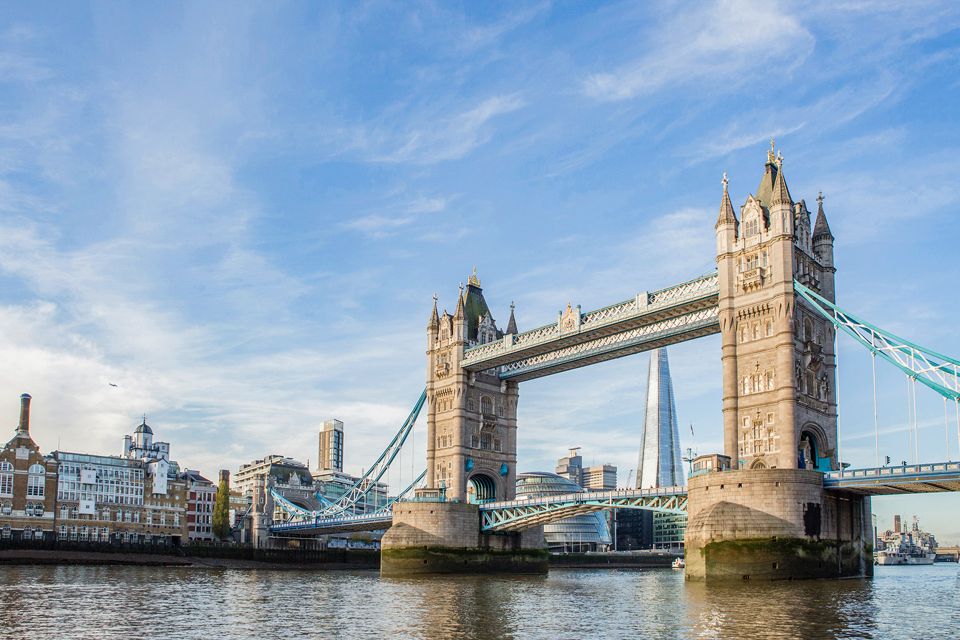
This is the moment most people remember. Tower Bridge’s glass walkway gives you height, exposure, and a direct look down toward the river. At 42 metres above the Thames, it’s not just “pretty glass.” It changes how you feel when you look through it.
If you like views, you’ll appreciate that the walkway is positioned between the North and South Towers. That means you get angles you can’t replicate from street level. You’re looking across London’s river scene, with traffic and boats putting motion into the scenery. More than once, people mention ending up seeing something special while they’re up there, like the bridge being raised during their visit.
The glass floor is another step up in intensity. It’s the kind of thing that turns a confident “I can handle it” into a quiet moment of feet-first courage. If you’re afraid of heights, you don’t have to force it instantly. Take your time. Hold the rail when you need to. Even people who aren’t fans of heights tend to find the view worth it once they’re standing there.
Comfort matters too. On cold days, staff provide heaters on the walkway. On hot days, you may notice fans being used to keep the top levels manageable. Either way, it’s easier to enjoy the experience when you’re not fighting the weather.
Practical tip: if you’re able, one smart approach is to use the stairs for part of the route. It’s a built-in way to break the “all elevator, no sense of place” feeling and can make the climb more fun.
Getting Between the Towers: How to Pace Your Photos
Since your ticket includes access to both towers and the walkways, you can do this visit like a little “top-level loop.” That pacing helps. If you rush straight to the glass floor, you miss the slower moments where the bridge design clicks in your head.
Walking the span between the towers also helps you understand Tower Bridge’s scale. At street level, it can look like a famous backdrop. Up top, you see how it works as a designed crossing with clear sightlines and purposeful structure.
One detail I really like is the way the experience gives you time to read and look, not just sprint for the big moment. Info boards and visual materials help connect what you’re standing on to what you’re learning about—construction choices, materials, and why this bridge looks the way it does.
For photography, the glass surfaces create a different style of picture than normal stone-and-metal views. You can get shots where the Thames and river traffic sit below you, framed by the architecture above. People also point out that staff are willing to help with photos if you’re visiting solo.
And yes, it can get busy, especially in peak hours. One practical tip from what people report: earlier in the day can mean shorter lines. If your schedule allows, build in a little morning buffer.
Victorian Engine Rooms: The Bridge as a Working Machine
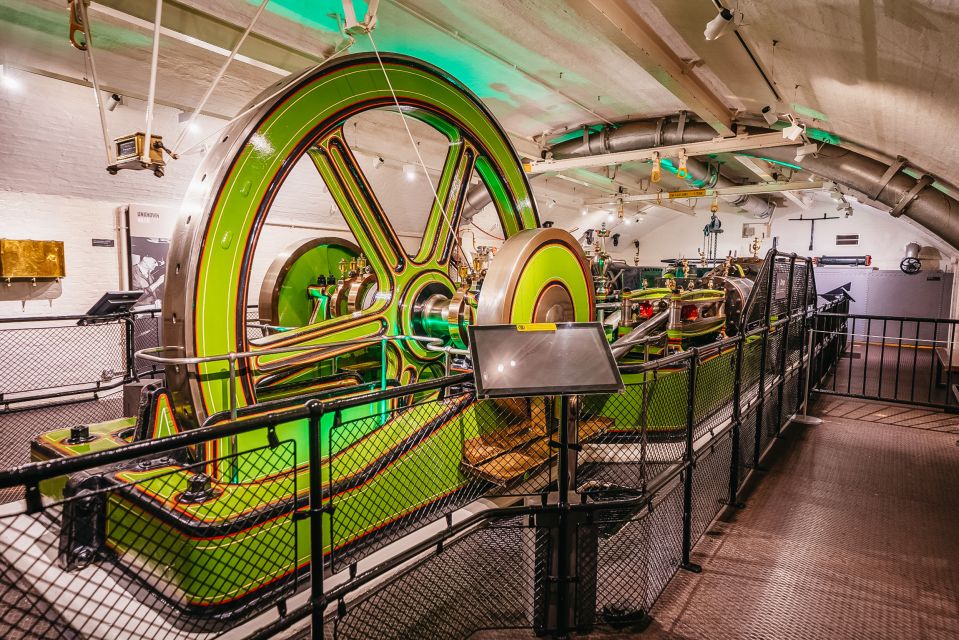
The Engine Rooms are where Tower Bridge becomes more than a pretty building. You’re taken back to the Victorian era and shown how the bridge was powered and operated.
This is where the “how” comes in. You’ll see the machinery story and learn about the human side of it. One point that sticks with me from the details shared: more than 80 people were needed to operate the engines and raise the bridge. That number gives you instant perspective. This wasn’t something handled by one button and a quiet control room. It was labor-intensive, coordinated, and central to how London kept moving.
In the Engine Rooms, you’ll also find interpretation through displays and informational materials, including ways to understand the mechanism behind the bridge’s movement. Many visitors describe the Engine Rooms as fascinating, especially if you like engineering, history, or anything that turns a structure into a real process.
You might also notice a section that highlights workers through a themed trail element (people reference a Blue Line connected to the path from the towers to the Engine Rooms). It’s the kind of detail that helps the place feel human, not only mechanical.
Best part: the Engine Rooms make the glass walkway feel earned. Once you understand the bridge as a working system, the view isn’t just scenic. It’s connected to the real purpose of the structure: movement across the Thames and movement on the river.






Info Boards, Staff Help, and Small Comfort Touches
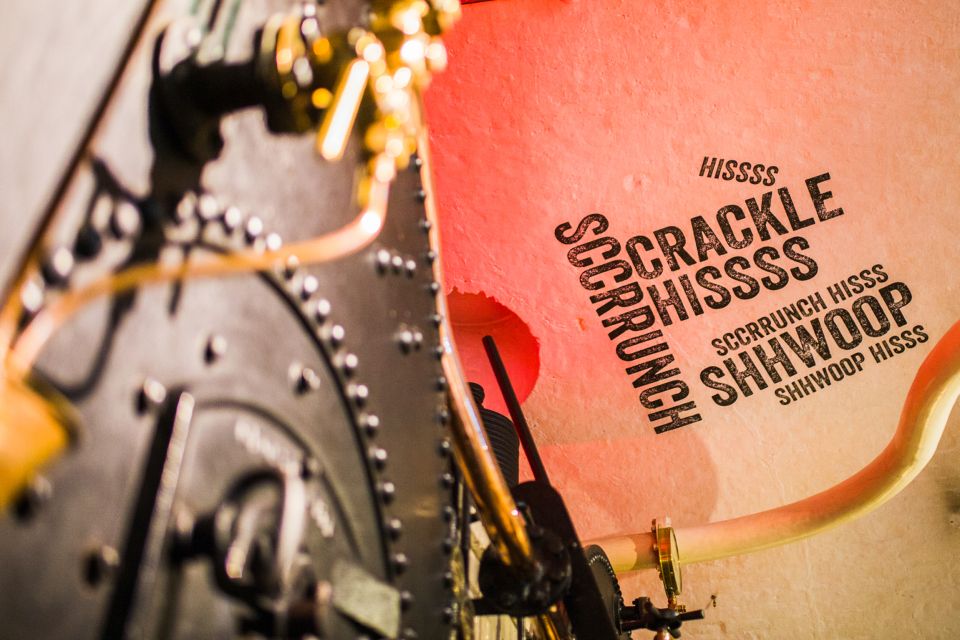
You don’t get a guided tour as part of this ticket, but you do get plenty to read and watch. The experience uses videos and boards to explain construction and operation, and they’re aimed at keeping the story clear without needing a live guide.
Comfort and staff care show up in small ways. People note that staff are kind and helpful, including assistance with photos, and it can help a lot if you’re traveling solo. There are also specific staff names mentioned by visitors, including Gary and Nick, who came up in the context of outstanding helpfulness.
If you’re traveling with kids or teens, self-guided elements can be a plus. One visitor specifically mentions a Cat Trail Hunt that their teenager enjoyed. That’s not the core engineering lesson, but it can give younger minds a reason to look closely as you move around.
There’s also a gift shop, and yes, you’ll probably end up there once you’ve stood above the river and absorbed the machinery story. It’s a normal ending, but it’s handy if you want something small that ties back to the visit.
If you’re trying to maximize learning, don’t just scan the boards. Even a few minutes of reading can turn the Engine Rooms from “cool rooms” into “I get it now.”
Value for Money at About $21: Who Should Book
At about $21 per person, this is priced like a major attraction but not like a full-day commitment. You’re getting access to multiple levels (both towers, walkways, glass floor, and Engine Rooms) in roughly one hour. That combination matters for value because you aren’t paying just for a single view.
For families and mixed groups, it’s one of the rare London experiences that can satisfy different interests at the same time. Kids often remember the glass floor. Teens can enjoy the hunt-style challenges if they’re available. Adults often gravitate toward the machinery explanation once you’re in the Engine Rooms.
For engineering fans, Tower Bridge hits. You see the bridge as a system and you learn how it used to operate with a lot of people involved.
For height-sensitive folks, it’s a mixed situation. You don’t have to panic—take it slowly and use the rails—but the glass section is the core thrill. If you know you can’t handle heights, this may not be your favorite “must-do.”
The biggest value lever is timing. If you book and plan to arrive when lines aren’t overwhelming, you can enjoy the experience without feeling rushed through the best parts.
Wheelchair accessibility is supported, and the site welcomes wheelchairs and prams, with the usual search on arrival.
Should You Book This Tower Bridge Ticket?
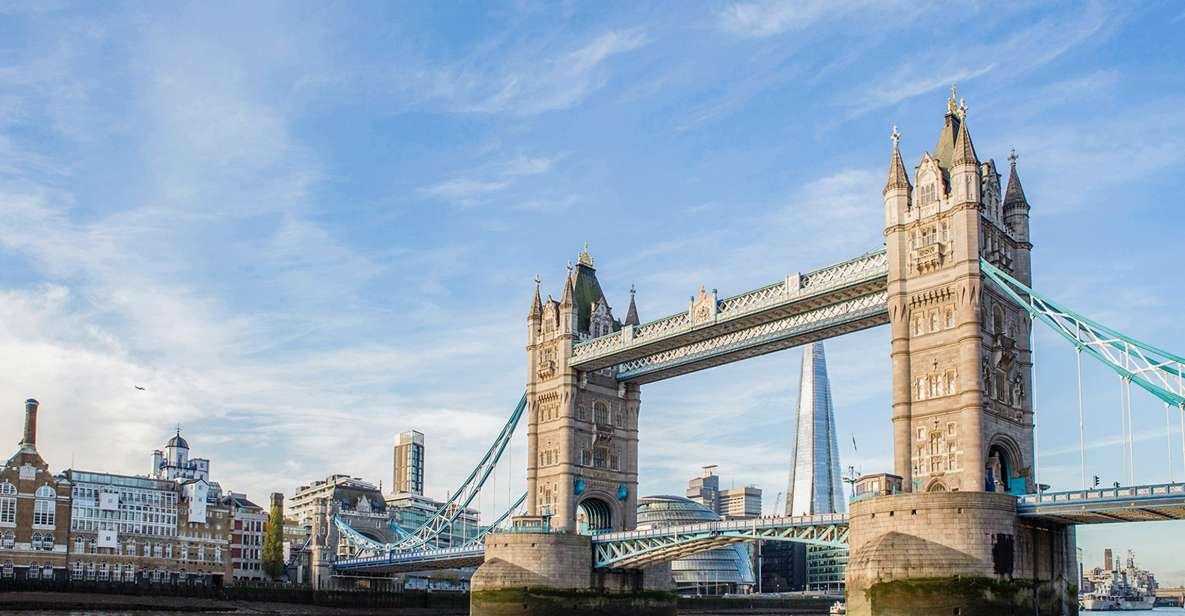
I’d book this ticket if you want a high-impact London visit that stays focused: views up high, glass underfoot, and a clear explanation of the Victorian mechanics inside the Engine Rooms. It’s also a smart choice when you’re short on time but still want more than one photo spot.
Skip it only if one of these is true for you: you strongly dislike heights and the glass floor would ruin the trip, or you absolutely hate queues and security checks. Because while the overall experience is well managed, you should still expect to join an outside line and go through the on-site bag searching rules.
If you’re the type who likes structures with a story—bridges, machines, and the people who built and operated them—this is one of London’s best uses of an hour.
FAQ
How long does the Tower Bridge entry take?
The experience lasts about 1 hour, depending on your selected starting time.
What is included with the ticket?
Your ticket includes entrance to Tower Bridge with access to both towers, the walkways, the glass floor, and the Victorian Engine Rooms.
Is skip-the-line entry included?
No. This pre-booked ticket does not permit fast-track entry.
Is Tower Bridge accessible for wheelchairs?
Yes. The attraction is wheelchair accessible, and wheelchairs (and prams) are allowed, but they are subject to search.
Are there rules for bags and luggage?
Yes. Tower Bridge has a 100% searching policy. Bags are allowed up to a maximum size of 45cm x 35cm x 20cm, and wheeled bags are not allowed.
Can I cancel for a refund?
Yes. You can cancel up to 24 hours in advance for a full refund.