REVIEW · LONDON
Little Venice London: Journey Through Lost Memories Quest
Book on Viator →Operated by Questo · Bookable on Viator
Little Venice becomes a puzzle walk. I like the idea of seeing Little Venice as a self-guided game, not a lecture. I also like that the app keeps you moving while it adds practical context about the area, including the story behind the Regent’s Canal.
There’s just one key consideration: this is not a boat tour and it doesn’t include a physical guide. If you’re hoping for a human-led canal cruise experience, you’ll likely feel a bit shortchanged—so set expectations that you’re doing a phone-led, offline walking quest.
In This Review
- Key points before you go
- Little Venice by puzzle, not a boat cruise
- What you’re really buying for $6.01
- How the offline app changes your experience
- Route and pacing: Warwick Avenue to Sheldon Square
- Stop 1: Little Venice and the clue-first arrival
- The rest of the quest: follow clues, not a fixed script
- Learning about the Regent’s Canal as you walk
- What the best version of this feels like
- Where it may disappoint: phone-first expectations
- Meeting points and practical navigation tips
- Value for different types of visitors
- Is it actually safe and crowd-free?
- Should you book Little Venice London: Journey Through Lost Memories Quest?
- FAQ
- Do I need internet or GPS to play?
- How long does the Little Venice quest take?
- Can I start and stop whenever I want?
- Is there a physical tour guide with you?
- Where do I start and where does it end?
- Is it private or shared with other groups?
- What language is offered?
- Is the tour available every day?
- Are service animals allowed?
- Is the tour suitable for most people?
- Can I cancel and get a full refund?
Key points before you go

- Offline play: download ahead, then keep going without needing data or GPS
- Private and no-contact: it’s designed so you avoid crowds and don’t rely on a person for guidance
- Flexible timing: you can pause and resume, even spreading it over more than one day
- Game-first approach: solving clues is the main driver, with learning woven into the steps
- Start/end points matter: begin at Warwick Avenue and finish near Sheldon Square, using the app instructions
- Good value for short visits: at about 1 to 1.5 hours, it fits easily between other London plans
Little Venice by puzzle, not a boat cruise
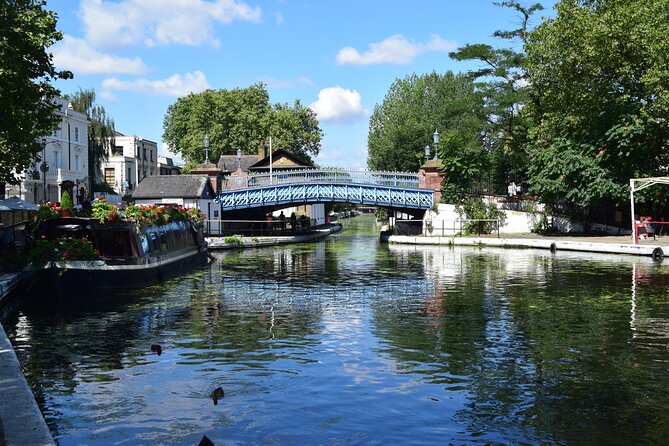
Little Venice is one of those London places that feels calmer than the rest of the city. You get canal views, houseboats, and tidy waterway paths—exactly the kind of setting that makes a walking game fun instead of annoying.
This experience is built around a question-and-clue format. You follow hints, solve puzzles, and the app points you to the next step, while also telling you what you’re looking at. I like that it turns sightseeing into a small mission, and you don’t have to keep rereading the same paragraph on your phone.
One more thing: the provider describes it as private with no human contact. That’s a plus if you hate group herding or prefer an itinerary you control. Still, because there’s no tour operator at each stop, you’ll want to be comfortable figuring things out with an app.
You can also read our reviews of more tours and experiences in London.



What you’re really buying for $6.01
At $6.01 per person, the price is low enough that this feels like a low-risk way to enjoy Little Venice. You’re not paying for a guide’s time or a boat ticket; you’re paying for the game structure and the app content that guides your walk.
The duration listed is about 1 hour to 1 hour 30 minutes, which is important for planning. If your London day is tight, this is the kind of activity that won’t hijack half your afternoon. And because you can pause and resume, you’re not forced into one strict block of time.
You’ll also notice the wording about “admission ticket free” at the first stop. In plain terms: you’re not buying entry into a museum. You’re walking public streets and canal-side spots, using the app to direct you.
How the offline app changes your experience

The big selling point here is offline play. The guidance says you can download in advance and then don’t need internet or even GPS while you play. That matters in London, where signal can be spotty and roaming data gets expensive.
Another subtle benefit: because you’re not constantly checking a map or hunting for a signal, the walk can feel smoother. The experience asks you to follow clues first, then react when the app gives you the next instruction.
The tradeoff is also obvious: since the game lives on your phone, you’ll spend a lot of time looking at the device. If you want the kind of tour where you glance up for scenery and a guide fills the gaps out loud, this isn’t that style.
Route and pacing: Warwick Avenue to Sheldon Square
The tour uses a clear start and finish. You begin at Warwick Avenue, London W9 2PT, and you end at 1A Sheldon Square, London W2 6PY.
The app tells you what to do next, and the meeting point instructions are inside the Questo mobile app. That’s worth emphasizing because some people can get tripped up when they expect the street address alone to handle everything. Your best move is simple: open the app before you go, and follow what it says for the exact steps.
Pacing is flexible. The experience is designed so you can start at any hour within the day, take breaks whenever you want, and resume later. If you’re doing London on foot, this kind of pause button is a real quality-of-life upgrade.
Stop 1: Little Venice and the clue-first arrival
Stop 1 is the heart of the experience: Little Venice. The format here is straightforward. You arrive by following a clue and solving a puzzle, then you get indications for how to continue while learning about what you’ve discovered.
Expect a feel-good mix: you’re not just arriving and “being there.” You’re actively searching for answers in the neighborhood, which helps you pay attention to details you might otherwise miss. The canal setting becomes more than a view; it becomes part of the game board.
Time-wise, Stop 1 is listed as about 30 minutes. That’s a good chunk for absorbing the area without feeling stuck. If you’re the type who enjoys a slow walk, you can probably stretch it a little by lingering for photos, then moving back into the puzzle steps.
One caution: because the experience is game-led, if a clue is tough or the information doesn’t match what you see, you might feel tempted to “work around” the puzzle to keep your momentum. That doesn’t ruin the area itself, but it can change how fun the mechanism feels.



The rest of the quest: follow clues, not a fixed script

After Stop 1, the itinerary continues with another puzzle-based step. The data provided doesn’t name an additional landmark stop the way Stop 1 is named, but it does make it clear that the app will guide you from clue location to clue location.
In practice, that means the “tour” is really a chain of instructions. You’ll get directions in the app, solve something, then continue. Because your only required tools are your phone and the pre-download content, you don’t need to rely on signal or roaming.
This structure can be a win for real-world sightseeing. You’re not stuck reading long text in one place, and you’re not waiting for someone else’s pace. But it does mean the experience quality depends on how comfortable you are with phone navigation and puzzle-solving.
Learning about the Regent’s Canal as you walk
One of the main highlights is learning about the Regent’s Canal while you play. The point isn’t to make you memorize dates—it’s to give the neighborhood context so the scenery feels meaningful.
I like this style because it pairs the facts with something you can actually see. When you’re looking at the canal-side layout and waterway edges, the information lands better than it would if you read it alone in a building.
From the feedback, the detail level is part of what people enjoyed most: you get enough description to understand the place, while still having the game element keeping you engaged. In other words, you get both entertainment and orientation.
What the best version of this feels like
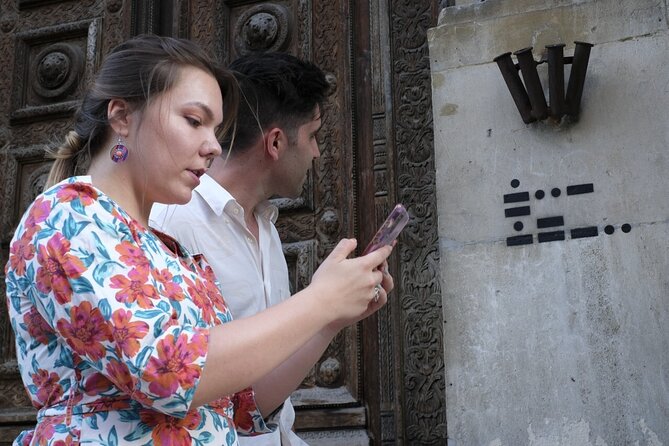
If you’re going to get the most enjoyment from this kind of quest, do it with the right mindset. Go in expecting a walk where solving clues guides your route, and treat the learning as a bonus rather than a lecture.
I’d also plan for a bit of curiosity. Little Venice isn’t huge, but it has enough canal-side nuance that the puzzles can nudge you into looking closer. If you like the idea of spotting clues in architecture, street layout, or canal details, this will feel natural.
The experience is also described as “always available to book” and operating every day, including a daily window of 7:00 AM to 9:00 PM. That flexibility is handy if you’re trying to fit it between other London plans.
Where it may disappoint: phone-first expectations
The most common complaint style is about mismatch. Some people expected a canal tour or a human-run boat experience, and they were surprised that this is a self-guided walking game with no physical guide.
Another friction point is clue difficulty and information freshness. The provided feedback includes examples of clues being either too easy or hard, and at least some players felt the information wasn’t always perfectly aligned with what they found in the neighborhood. In those cases, you might end up bending the intended flow to keep going.
The practical takeaway: if you love the idea of Little Venice but hate puzzle hunts, you might want to skip. If you’re okay with a phone-led experience and you don’t need a person to manage the day, you’ll probably have a smoother time.
Meeting points and practical navigation tips
You start at Warwick Avenue and finish near Sheldon Square. The app handles the exact instruction sequence, so treat the addresses as anchors, not turn-by-turn directions.
Here’s what I’d do to avoid the most common “where do we go?” stress:
- Arrive with the Questo app already open
- Follow the instruction inside the app for the start
- Keep your phone charged, since you’ll be using it continuously
Since the tour is designed to work offline, you won’t need internet while walking. Still, you do need a functioning phone screen and battery. London days are long; plan for that.
Value for different types of visitors
This experience makes a lot of sense if you want a low-cost way to spend focused time in a specific neighborhood. It’s also a good match if you dislike guided-group logistics and prefer controlling your pace.
It’s especially worth it if you:
- like walking through real neighborhoods rather than just hitting landmarks
- enjoy clue-solving as a way to stay engaged
- want an activity that can be broken up across parts of a day
It may not be the best choice if you need:
- a human tour guide for context
- a boat or canal cruise component
- a mostly hands-off experience where you barely look at your phone
Is it actually safe and crowd-free?
The provider frames it as one of the safest options you can book because it’s private and includes no human contact. That aligns with the self-guided, app-led format.
You also avoid the classic crowd problem of group tours. You won’t be standing around waiting for other people to catch up while someone talks loudly over your photos.
That said, you’ll still be walking in public areas. Use normal street-smarts: watch for bikes, keep aware of traffic, and don’t walk while you’re fully absorbed in the phone.
Should you book Little Venice London: Journey Through Lost Memories Quest?
I’d book it if you want a fun, budget-friendly way to see Little Venice and you’re happy to let a phone game steer your route. The biggest strengths are offline-friendly play, flexible timing, and the fact that the learning is tied to what you’re looking at right outside your window.
Skip it if you want a traditional tour with a guide, or if you thought you were buying a canal boat cruise. The experience is a self-guided walk, so the “treat” is the puzzle format and the neighborhood context—not a live operator.
If you’re on the fence, treat it like this: for the price, you’re testing whether this kind of quest works for you. If it does, you’ll probably want to try more walking games elsewhere in London.
FAQ
Do I need internet or GPS to play?
No. The experience is designed for offline play, so you don’t need internet connection or even GPS while you’re walking, as long as you download in advance.
How long does the Little Venice quest take?
It’s listed at about 1 hour to 1 hour 30 minutes total, depending on how you pace the puzzles and breaks.
Can I start and stop whenever I want?
Yes. You have full flexibility to start at any hour, take a break at any time, and resume later. You can even spread the experience over multiple days.
Is there a physical tour guide with you?
No. It’s a self-guided walking activity, so a physical tour guide is not included.
Where do I start and where does it end?
Start: Warwick Avenue, London W9 2PT. End: 1A Sheldon Square, London W2 6PY. You should follow the meeting instructions inside the Questo app.
Is it private or shared with other groups?
It’s private. Only your group participates.
What language is offered?
The experience is offered in English.
Is the tour available every day?
Yes. It’s always available to book, and the provider states it operates every day.
Are service animals allowed?
Yes. Service animals are allowed.
Is the tour suitable for most people?
The information says most travelers can participate.
Can I cancel and get a full refund?
Yes, you can cancel for a full refund if you cancel at least 24 hours before the experience start time.