REVIEW · LONDON
London: London in WW2 and Churchill War Rooms Entrance
Book on GetYourGuide →Operated by Urban Saunters Ltd · Bookable on GetYourGuide
Westminster turns wartime eerie fast. This London in WW2 experience starts with a guided walk past the monuments that shaped Britain’s confidence, then drops you into Churchill’s War Rooms.
What I like most is how the guide stitches famous landmarks to real wartime decisions, so you’re not just staring at stone. I also love the value of rolling the War Rooms entrance into the package, then continuing with an audio guide as you explore at your own pace.
One possible drawback: the second half is audio-led inside the bunker, and it can feel less guided if you’re hoping for a live lecturer the whole time. Add the usual security checks and the fact that it involves walking, and you’ll want comfortable shoes and a realistic pace.
In This Review
- Key takeaways
- Walking Westminster Where WWII Never Really Left
- Meeting Point by Westminster Station Exit 2
- The Westminster WW2 Story Stops You’ll Actually Remember
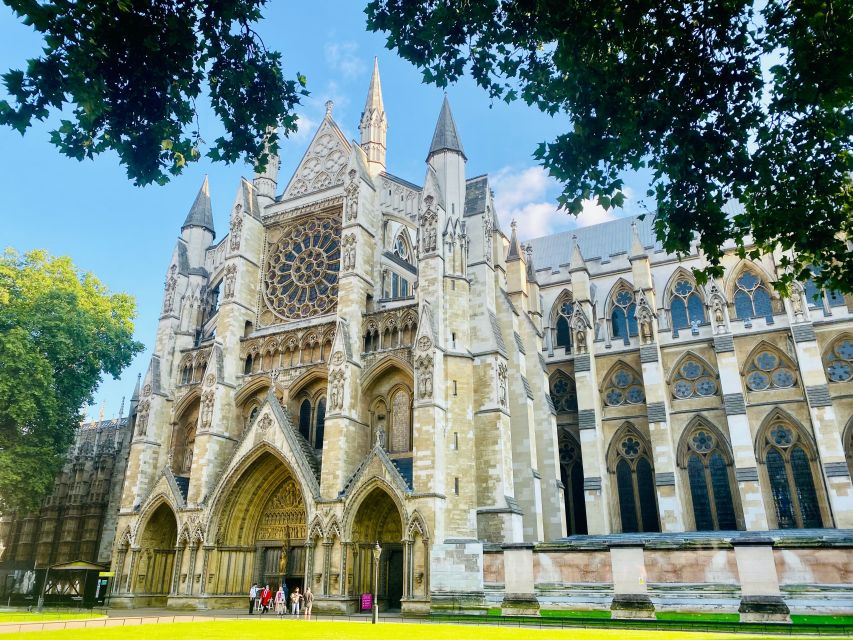
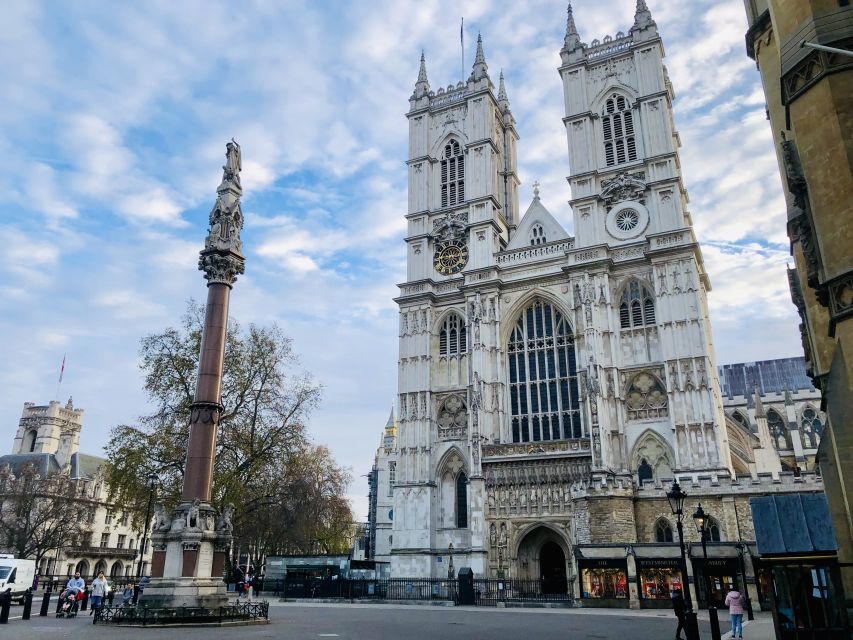
- Houses of Parliament and Westminster Abbey
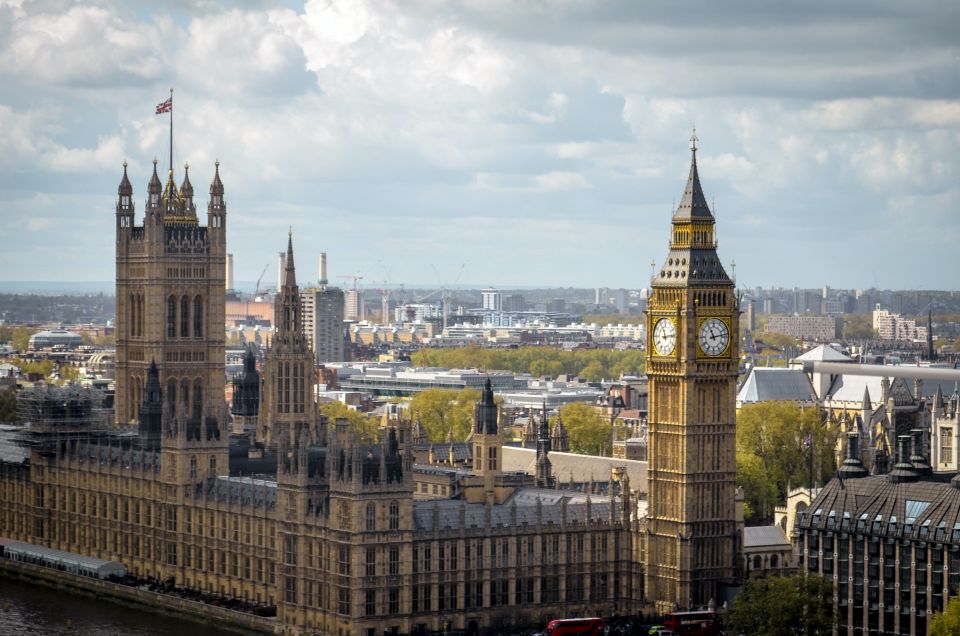
- Big Ben and the rhythm of wartime London
- The Cenotaph: public grief with a purpose
- Ministry of War, Whitehall, and the machinery of response
- Downing Street: leadership under pressure
- Churchill’s War Rooms: What Changes When You Go Underground
- The audio is useful, but crowds can limit your focus
- How Long Is Enough for 3 Hours of WWII in London?
- Guides Make This Tour: The Storytelling Style
- Price and Value: Why $96 Feels Fair Here
- What to Bring (and What to Skip)
- Who This Tour Suits Best
- Should You Book This London in WW2 and Churchill War Rooms Tour?
- FAQ
- How long is the London in WW2 and Churchill War Rooms tour?
- Where do I meet the guide?
- Is Churchill’s War Rooms entrance included?
- Is the tour rain or shine?
- What should I bring?
- Is food or drinks included?
- Is this tour suitable for wheelchair users or mobility impairments?
- Are strollers or large bags allowed?
Key takeaways
- A Westminster walk focused on WWII choices, not a generic sightseeing loop
- Churchill’s War Rooms entrance included, with an audio guide once you descend
- Small groups of 15 or fewer, which helps the guide keep things interactive
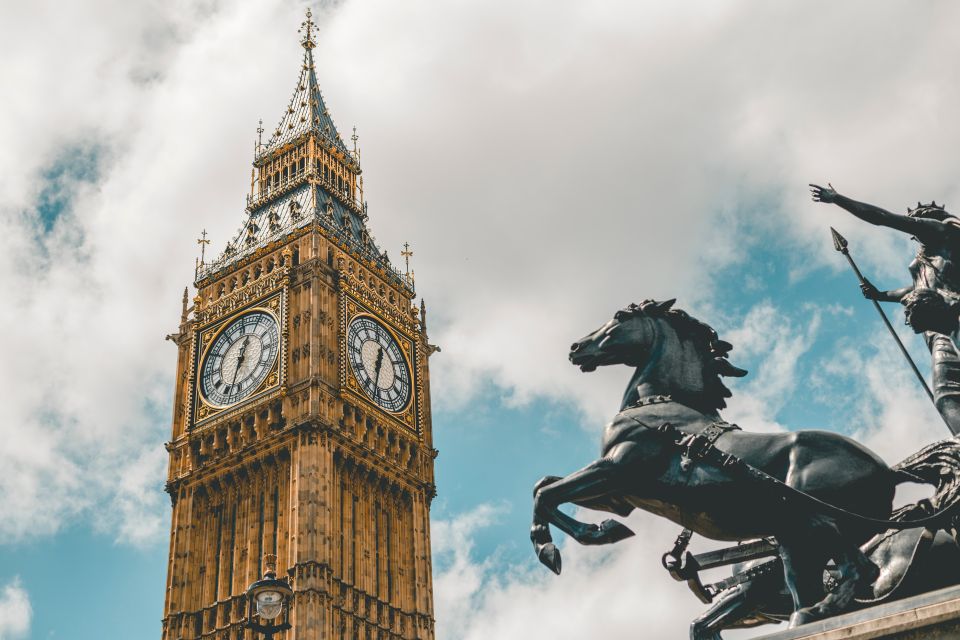
- Meet at Westminster Station Exit 2 by the Boadicea and Her Daughters statue for an easy start
- Rain or shine, so bring a compact umbrella and plan for British weather
- No strollers or large bags, and it’s not suitable for wheelchair users
Walking Westminster Where WWII Never Really Left
You start in the heart of London’s government district, where the landmarks are so familiar they can feel frozen in postcard mode. This tour flips the switch. You’ll hear how Westminster looked and sounded during the Blitz, when air raid sirens were part of daily life and night bombing raids changed how people moved, worked, and slept.
The outside story matters because Westminster isn’t just scenery. It was where policy turned into pressure, and pressure turned into survival. As you walk, your guide connects the dots between iconic places like Westminster Abbey and the machinery of government nearby, so the names you’ve seen in textbooks finally land in real streets.
You can also read our reviews of more tours and experiences in London.



Meeting Point by Westminster Station Exit 2
The meetup is simple if you follow it like a local. Meet your guide outside Westminster Station at Exit 2, right by the Boadicea and Her Daughters Statue. Go up to street level using the stairs toward Victoria Embankment, then look for your guide holding an Urban Saunters orange tour sign.
This is the kind of start that saves you time. You’re not hunting for vague directions, and you’re already in the area where the walk naturally makes sense.
The Westminster WW2 Story Stops You’ll Actually Remember
This tour is built around a tight loop through key government and memorial sites. That’s a good thing. You don’t spend your time crossing London. You spend it learning how one cluster of buildings and monuments relates to another.
Here are the stops that shape the feel of the walk:
Houses of Parliament and Westminster Abbey
You’ll pass major landmarks that sit in the center of British political identity, with the WWII layer explained around them. The point isn’t to recite history like a brochure. It’s to understand how national leadership and public morale were tied together when the threat was immediate.
Westminster Abbey can feel distant and solemn on a normal visit. In wartime framing, it becomes part of that wider story of continuity—what Britain tried to protect, and what it feared losing.
Big Ben and the rhythm of wartime London
Big Ben is so loud in your memory that it’s easy to treat it like scenery. On this tour, the focus shifts to what changed around it—how the city’s rhythm was interrupted by bombing and sirens, and how daily life adapted.
You’ll get that sense of a London where routine was constantly under negotiation. That’s the magic trick here: the famous sights stay famous, but they start behaving like historical evidence.



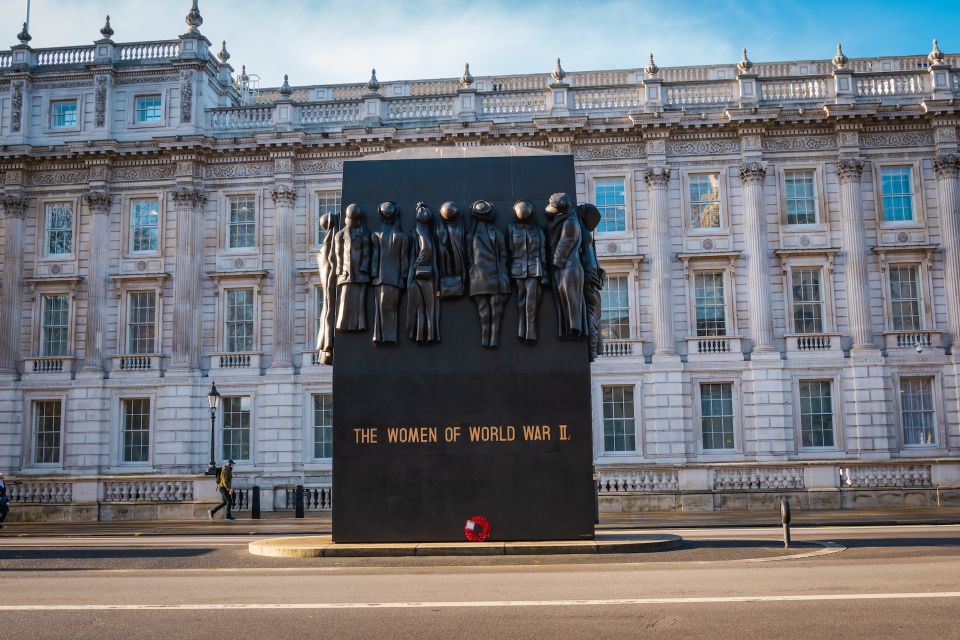
The Cenotaph: public grief with a purpose
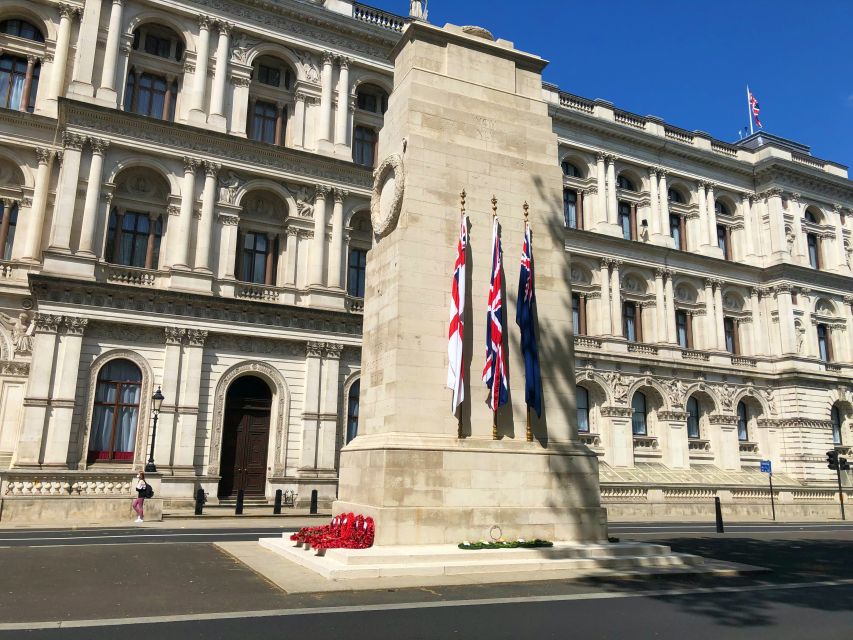
Memorials can feel like they’re for other people. The Cenotaph doesn’t work that way on this walk. You learn how remembrance was part of the wartime psyche, not only a postwar ritual.
It makes the monument hit harder because the tour frames it as a response to real loss. You’re not just looking. You’re getting the why behind the stone.
Ministry of War, Whitehall, and the machinery of response
The tour also takes you past Ministry of War area points and through the Whitehall corridor—the kind of street where decisions once moved faster than anyone could afford. You’ll connect the administrative world to the human cost happening across Europe and beyond.
This is where you’ll feel the tour’s biggest strength. The guide keeps pulling you back from trivia to cause-and-effect: what leaders decided, what they needed, and why it mattered.
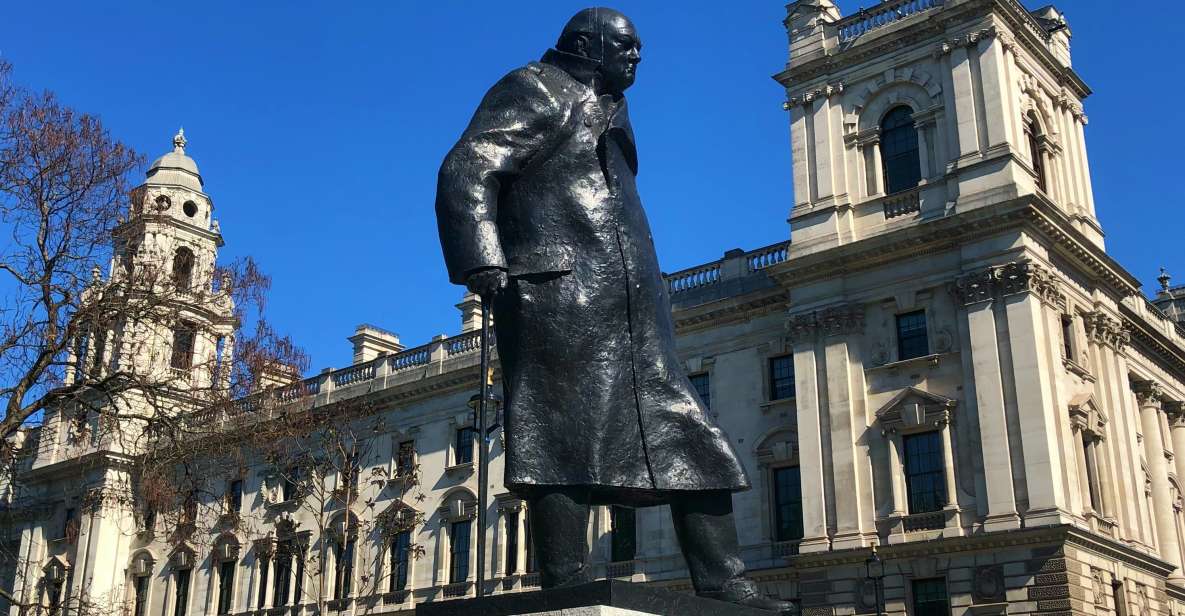
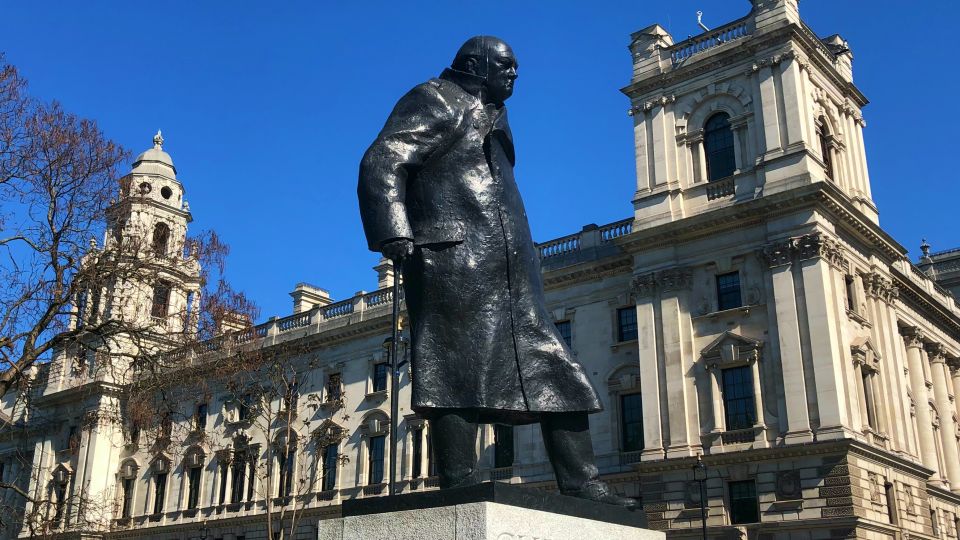
Downing Street: leadership under pressure
Seeing Downing Street on a guided WWII walkthrough adds weight. You hear about Churchill’s role and the leadership culture around him, not in a dry way, but as a living narrative of crisis management.
If you’ve read about Churchill before, you’ll likely appreciate the added context. If you haven’t, it’s still accessible. The guide’s job is to make Churchill feel like a real person operating under constraints, not just a statue in the mind.
Churchill’s War Rooms: What Changes When You Go Underground
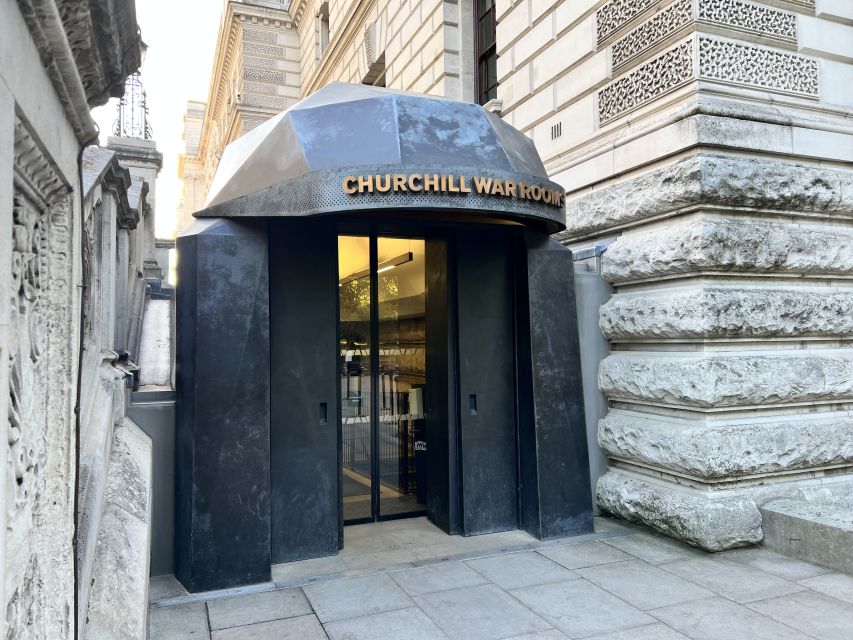
After the walking portion, you’ll descend into Churchill’s War Rooms. This is the moment when the WWII story stops being street-level and becomes bunker-level—cold, practical, and built for function.
You’ll pass through security like everyone else, and then you’re free to explore. The important detail here: your guide hands off to an audio guide inside the War Rooms. That means you can set your own pace, but it also means you’ll get less live explanation once you’re underground.
In my view, that setup works best if you like moving at a thoughtful speed. You can pause, focus on the rooms that catch your attention, and replay moments through the audio if something matters to you.
The audio is useful, but crowds can limit your focus
A common reality with major attractions is crowding. The War Rooms can get busy, and when that happens, reading small details takes longer and looking close up becomes harder.
If you’re the type who likes to study exhibits for a while, consider going in with a flexible mindset. Your goal isn’t to see everything perfectly. Your goal is to grasp how the bunker functioned and why it was so psychologically important.
How Long Is Enough for 3 Hours of WWII in London?
The total duration is 3 hours, and it’s a realistic length for this specific format. You get a guided overview on the surface, then time underground to absorb the War Rooms at your own pace.
A full War Rooms visit can take longer than people expect. So plan your expectations around the tour format: the walk gives you structure and context, while the bunker visit gives you the sensory feeling of wartime strategy.
If you like deep museum-style wandering, you might wish you had more than the allotted time. The upside is that the tour doesn’t drag. It stays focused on what you need to make the experience click.
Guides Make This Tour: The Storytelling Style
This experience lives or dies by the guide. The guides you might get—like Babs, Nathan, Richard, Jeremy, Paul, and Peter—are repeatedly praised for bringing WWII to life with energy, humor, and sharp detail.
The best part of this kind of guiding is how it turns passersby into historical characters. You may hear stories that make you look at everyday London details differently, including the small, human side of Churchill-era culture.
Even if you arrive knowing just the basics, the guides’ pacing helps. You’re never stuck listening to one long lecture. You’re walking, stopping, asking questions if you want, and getting the next piece of the story where it belongs.
Price and Value: Why $96 Feels Fair Here
At about $96 per person, this is not a budget throw-in. But it’s also not overpriced for what’s included.
Here’s why it feels like good value: you’re paying for (1) a guided walking tour of Westminster with an English-speaking expert guide, (2) small group size (15 or fewer), and (3) entrance to Churchill’s War Rooms, plus an audio guide inside.
A few people explicitly note that bunker tickets can be expensive on their own. Bundling the entrance with guided context is the key. You’re not just buying admission to a museum. You’re buying a way to understand what you’re seeing—and that’s where the extra cost turns into value.
What to Bring (and What to Skip)
This tour is practical about expectations. Wear comfortable shoes. Bring a water bottle, a compact umbrella, and comfortable clothes for London weather.
And don’t plan to bring:
- Baby strollers
- Luggage or large bags
Inside the War Rooms, space is tighter than you might imagine, so traveling light helps.
Who This Tour Suits Best
This is a good fit if you want a WWII experience that’s direct and street-smart. It works well for families too, since it’s framed to be engaging across ages, not just for hardcore history buffs.
It also works if you’re traveling solo and want a guided structure without being stuck in a huge crowd. The small-group size helps you feel part of what’s going on.
One clear mismatch: it’s not suitable for people with mobility impairments and it’s not for wheelchair users. The walking portion and the underground environment won’t be comfortable for everyone.
Should You Book This London in WW2 and Churchill War Rooms Tour?
Yes, if you want a guided Westminster lesson that actually connects to Churchill and the bunker. The tour is strongest when you’re curious about how leaders responded, how London coped, and how remembrance shaped the national mood.
Book it if:
- You like guided storytelling at major landmarks
- You want War Rooms entry included without extra planning
- You’re okay with an audio-guided museum portion underground
Skip it if:
- You need a live guide inside the bunker for every moment
- You’re uncomfortable with walking and security checks
- You want a super-studious, uncrowded museum experience with lots of solo time
If your goal is a smart, time-efficient WWII orientation plus a real descent into strategy, this one is a strong choice.
FAQ
How long is the London in WW2 and Churchill War Rooms tour?
The experience lasts about 3 hours.
Where do I meet the guide?
Meet by the Boadicea and Her Daughters Statue outside Westminster Station, Exit 2. Your guide will be holding an Urban Saunters orange tour sign at street level by the statue.
Is Churchill’s War Rooms entrance included?
Yes. Entrance to Churchill’s War Rooms is included, along with an audio guide inside.
Is the tour rain or shine?
Yes. It runs rain or shine.
What should I bring?
Bring comfortable shoes, an umbrella, water, and comfortable clothes.
Is food or drinks included?
No. Food and drinks are not included.
Is this tour suitable for wheelchair users or mobility impairments?
No. It is not suitable for people with mobility impairments or wheelchair users.
Are strollers or large bags allowed?
No. Baby strollers and luggage or large bags are not allowed.