REVIEW · LONDON
Hop on Hop off Bus Tour (24h)
Book on Viator →Operated by TopView London · Bookable on Viator
London’s traffic can slow you down fast.
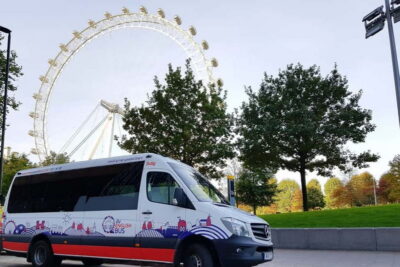
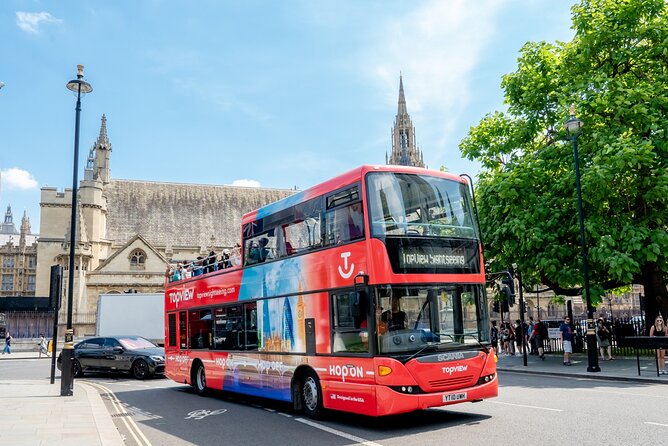
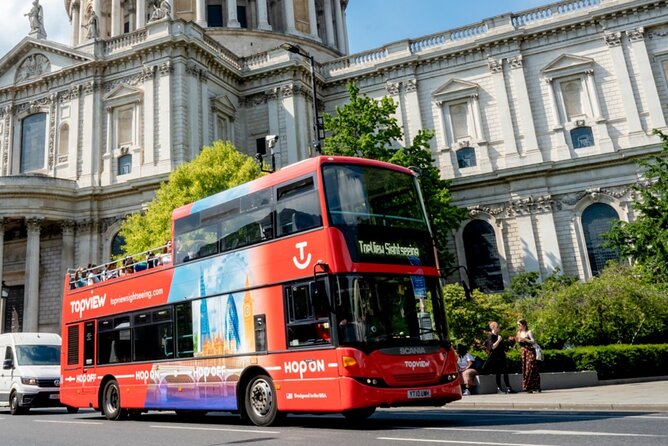
This 24-hour hop-on hop-off bus ticket helps you see London on your terms, using two classic loops: Landmarks and Parks and Palaces. I like the way the routes hit the big-name sights without forcing you to plan every step, and I especially like the semi-open top deck for 360-degree photo angles. One thing to keep in mind: if a bus is full or stop signage is hard to spot, you may wait longer than you hoped.
This is priced at $44.02 per person for about a day’s worth of flexibility, and it’s commonly booked in advance (around 55 days ahead on average). The service runs 8:00 AM to 6:00 PM daily, so you’ll get the most out of it in daylight. For evenings, the route list also shows stops tied to a London Lights night tour option, but the main value is really daylight sightseeing.
If you’re the type of person who likes to change plans mid-day, this works well. You can jump off for a quick walk, then re-board at the next stop when you feel ready. Just don’t treat it like a magical, always-immediate taxi; think of it as a flexible sightseeing loop that rewards smart timing.
In This Review
- Key things to plan before you board
- Price and logistics: what $44.02 buys you
- How the Landmarks route maps the classic London icons
- Parks and Palaces route: museums, Kensington, and the big-name neighborhoods
- Where the London Lights night tour fits (if you’re out after dark)
- Getting the best views from the semi-open top deck
- The real-world issues to watch: waits, signage, and bus condition
- Who should choose this bus ticket (and who should skip it)
- Should you book TopView London’s 24-hour ticket?
- FAQ
- How much is the Hop on Hop off Bus Tour (24h) in London?
- How long is the ticket valid?
- What routes does the 24-hour ticket include?
- What are the operating hours?
- Where can I board the bus?
- What is the cancellation policy?
- Are service animals allowed?
Key things to plan before you board
- Two routes you can mix: Landmarks plus Parks and Palaces means you can hop between areas instead of committing to one loop.
- 360° photo angles from the semi-open top deck: great for Westminster views, St Paul’s, and skyline moments.
- Built for a daylight day: the main operating window is 8:00 AM to 6:00 PM.
- Some stops are close to major landmarks: for example, Westminster Pier is listed for quick access to the Westminster area.
- Buffer time helps: a common frustration is crowded buses, long waits, and stop pickup confusion.
- Good weather matters: the experience requires good weather, and poor weather can trigger a different date or a full refund.
Price and logistics: what $44.02 buys you
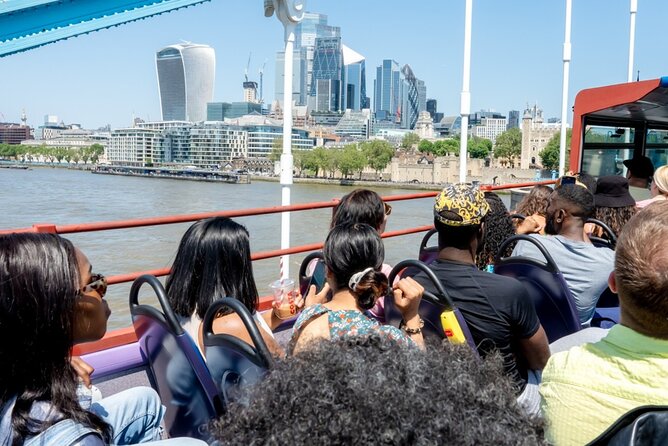
At $44.02 per person for a 24-hour hop-on hop-off ticket, you’re paying for two things: coverage and convenience. London can be tough for tourists because the Tube is efficient but it doesn’t always make it easy to connect neighborhoods quickly. This bus setup lets you transfer your sightseeing plan into a simple rhythm—ride, hop off, walk a bit, re-board.
The ticket is valid for two classic routes, and the schedule runs from 8:00 AM to 6:00 PM. That doesn’t mean the day ends at 6:00 PM, but it does mean the most reliable service window is daytime. If you want iconic nighttime lights, pay attention to whether the London Lights night tour stops listed for York Road and Haymarket fit your timing.
Also, you’ll see the route list includes a lot of stops across central London. That’s the point. Instead of one straight line, you get a bunch of chances to get close to sights—then you choose what’s worth your feet and what’s better viewed from above the street.
You can also read our reviews of more tours and experiences in London.


How the Landmarks route maps the classic London icons
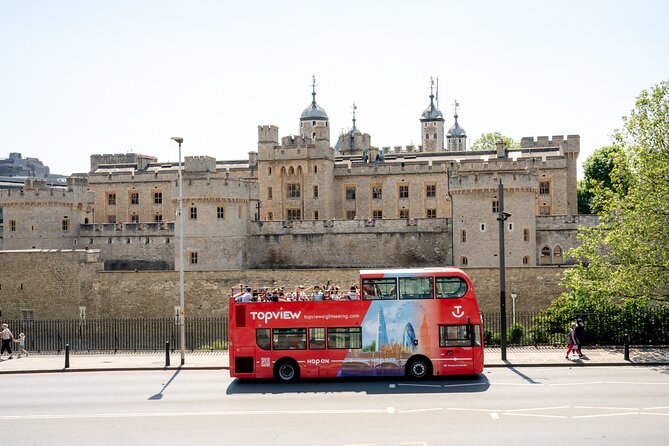
The Landmarks route is built for the “first time in London” essentials. It starts in the Marble Arch area and moves through West End and Westminster, then continues toward major City landmarks. If you want to get your bearings fast and focus on famous architecture and government buildings, this loop is the one.
Here’s how the Landmarks route feels in practice, stop by stop, with what each area is good for:
Marble Arch (Park Lane area)
This is a solid starting point near Speakers’ Corner (listed as Park Lane near Speakers’ Corner). If you like street-level context—what London looks like outside of the postcard center—this neighborhood gives you that early.
Piccadilly Circus
You’re right in the West End energy. Piccadilly is also useful as a reset point; if you realize you’re missing a showtime or you want to shop and snack for a while, this stop makes it easy to break up the day.
Trafalgar Square
This is a natural “slow down” stop. Even if you don’t linger long, it’s a good place to stretch and get a sense of central London geometry—then continue toward Parliament and Westminster.
Craig’s Court (near Whitehall and Northumberland Avenue)
This area puts you in the orbit of government buildings. It’s a helpful stop if you want to walk a short stretch and not commit to a long transit change.
Big Ben / Westminster Pier (listed for alighting)
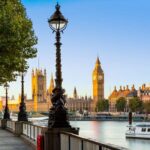
This is one of the most practical calls on the entire route. The stop is explicitly tied to Westminster Pier, which makes it easier to connect your sightseeing to riverside views (and to keep your walk compact if you’re trying to avoid long crossings). If Big Ben is your priority, you’ll likely spend time in this zone, then re-board when you’re done.
London Eye (Westminster Bridge / York Road area, listed both ways)
This stop is about proximity. Even if you don’t ride the London Eye, the bus puts you close enough for photos and a quick walk in the right direction.
Aldwych
This gives you a break from the heavy “monument” zone. Aldwych can be a good stop for lunch and a breather between big sights.
St Paul’s Cathedral
St Paul’s is one of those places you’ll recognize even from the top deck. If you hop off here, you can do a short walk around the cathedral area. If you don’t, it still frames beautifully from the bus.
Monument to the Great Fire of London (Pudding Lane)
This is your history-meets-city stop, centered on Pudding Lane. It’s a quick win if you want a meaningful landmark without turning your day into a museum day.
Tooley Street (listed near Vine Lane)
This area helps connect you to the London bridge / riverside side of the City. Even when you’re not planning a deep walk, it’s a useful re-positioning point.
Tower of London
Tower of London is the obvious anchor. It’s worth timing so you get either morning clarity or late-afternoon light, depending on how your day goes.
Temple Place
This stop is more about convenience and pacing—handy if you want to shift directions without forcing a full transit reroute.
Lambeth Palace
This gives you a different angle of the riverside-adjacent political center. If you like comparing viewpoints from opposite sides of the river, this helps.
Parliament Square
You’ll likely find yourself here if Parliament is on your list. It’s a classic “stand and look” spot, and it’s also easy to leave once you’ve gotten your photos.
Buckingham Palace area stops (Buckingham Gate / Buckingham Palace Road / QE Gates)
These stops are grouped enough that you can choose how close you want to be and how long you want to spend in the area. Even if you just ride through, it’s a good zone for photos and quick walking loops.
A key advantage of Landmarks: it’s not only about the headline sights. The spacing of stops lets you hop off when you’re curious and hop back on when you’re done.
Parks and Palaces route: museums, Kensington, and the big-name neighborhoods
The Parks and Palaces route is more about London’s leafy, high-profile neighborhoods and its classic museum and shopping areas. It starts back near Marble Arch/Park Lane and moves through central-west stops, heading toward Kensington and beyond.
Think of this loop as your “second act.” After you’ve done the Westminster and City icons, Parks and Palaces helps you slow down and explore more varied streetscapes—without needing to switch systems.
Here’s how the Parks and Palaces route plays out using the listed stops:
Park Lane / Marble Arch (Park and Palace Tour stops)
This is a clean handoff area if you’re starting Landmarks earlier. It also lets you pivot from the heavyweight sights toward the greener, more residential-feeling west.
Brompton Road, Harrods (Lancelot Place area)
If your idea of a London afternoon includes department stores and a little browsing, this is the part of town to hit. Even if you don’t go inside, the surrounding streets make for easy walking and photos from the bus.
Victoria and Albert Museum (Museums area)
This is where the route becomes museum-friendly. If you want a shorter culture stop rather than a full-day ticketed program, bus proximity helps you keep control of your time.
Gloucester Road (near Tube)
This is a useful connectivity stop. Even if your main plan is staying on the bus, this spot makes it simpler to adjust plans when you feel like a quick transit break or quick walk.
Kensington High Street / Palace Gate (and nearby areas)
This is a smoother shift into a more neighborhood feel. It’s also a good place to shop for gifts, grab snacks, or just walk one more block than you planned.
Nottinghill Gate / Clanricarde Gardens
This is a “wander-friendly” stretch. If you like people-watching and the mix of architectures and street energy, it’s a nice change from the formal sight zones.
Diana Memorial Gardens (listed as Diana Memorial Gardens)
This is one of the route’s stand-alone emotional landmarks. It also gives you a short, calming outdoor stop within a busy sightseeing day.
Lancaster Gate / Bayswaer Road
This stop can work as a re-positioning point. You might use it if you want to continue east or west depending on how your day is going.
Gloucester Terrace / Praed Street
These help you stitch together central and west London without having to re-plan rides every time.
Baker Street
This is a classic London name, and it’s also a practical catch-all stop. Even if you don’t have a deep plan for the area, it’s easy to connect from here to other parts of central London via foot.
Where the London Lights night tour fits (if you’re out after dark)
The route list also includes stops tied to London Lights Night Tour: York Road and Haymarket. If you want to keep moving after the main sightseeing block, this is where you’d look. Just remember the core operating window listed is 8:00 AM to 6:00 PM, so evening plans should be treated as conditional and timed around what’s actually running.
The practical win of a night option on the same ticket is simple: you might avoid a whole new ticket or a fresh planning headache. But don’t expect miracles—build your evening around what the bus schedule is doing that day.
Getting the best views from the semi-open top deck
The semi-open top deck is a big part of the appeal. It’s built for photos, and it’s also good for just noticing details you’d miss from street level.
Here’s how to make the top deck work for you:
Aim for daylight for the icons
Westminster, the London Eye area, St Paul’s, and the Tower are all far easier to photograph when the sky isn’t washed out by night glare or when you’re not racing the clock.
Dress for wind
Semi-open tops mean you’ll feel the weather more. If there’s a cool breeze, bring a layer. If rain shows up, keep your expectations flexible.
Pick quick stops for photos
When you want skyline shots—like the Tower area or the Westminster river zone—get your photos efficiently, then move on. It helps you avoid long waits later when you’re trying to re-board.
And do keep in mind the experience requires good weather. If weather forces changes, the operator can offer a different date or a full refund, so you won’t be stuck.



The real-world issues to watch: waits, signage, and bus condition
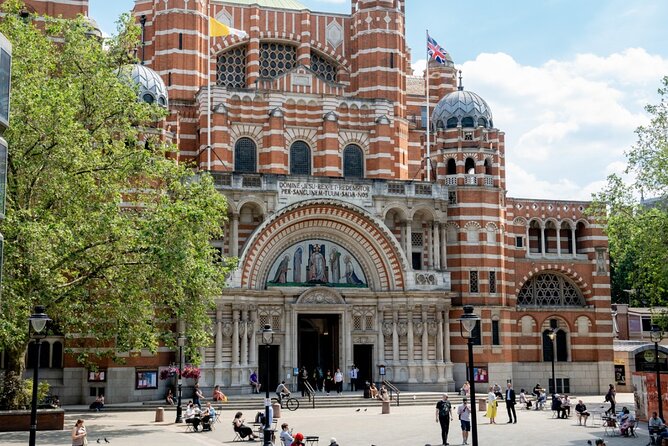
A hop-on hop-off ticket can feel effortless when everything runs smoothly. The caution is that it depends on the bus matching the crowd.
Based on common complaints tied to this kind of service, here are the issues I’d plan around:
Long waits and not enough buses at peak times
Some departures can be crowded, meaning you might see full buses where you expected an easy hop-on. If your day is strict—show tickets, timed tours, dinner reservations—give yourself buffer time.
Stops may be harder to find than you expect
The itinerary gives precise stop names and areas, but in real life, street signage can be inconsistent. If you’re the type who hates wandering with a map, arrive early at the next stop and scan for the right bus stop label before you commit your plan to walking.
Bus upkeep can vary
One concern is that buses may need more frequent cleaning between rides. If you’re sensitive to cleanliness, it’s smart to board early in the loop rather than waiting until the bus is at the end of its busiest cycle.
To reduce stress, do this: build a loose schedule around major anchors (Big Ben/Westminster Pier, London Eye, St Paul’s, Tower of London, Buckingham Palace area), then treat the middle sights as flexible bonuses.
Who should choose this bus ticket (and who should skip it)
This works best for you if:
- It’s your first visit and you want big sights without deep transit planning
- You like deciding on the fly—walk more if you’re enjoying it, skip if you’re tired
- You want top deck views and simple photo opportunities
It might be less ideal if:
- You hate waiting around for buses
- You want strict timing minute-to-minute
- Your priority is very detailed museum time or neighborhood-by-neighborhood walking (that’s better served by a mix of Tube + guided walking)
If your travel style is energetic but practical, this is a very London solution: ride above the street, hop off when it feels right, and keep moving without overthinking.
Should you book TopView London’s 24-hour ticket?
Yes, I think you should book it if you want a fast way to cover central London without turning your day into a logistics puzzle. The strongest reason: the route coverage is designed around the iconic sights, and the semi-open top deck gives you views that you can’t get from the Tube.
But book with your head, not just your hopes. Bring patience for crowded moments, and plan a little buffer so you’re not stressed if you have to wait at a stop. If you’re traveling in bad weather, this experience is also weather-dependent, so check conditions and keep your schedule flexible.
If you’re aiming for a classic “see the highlights” London day, this is a good value at $44.02, especially because the ticket covers two routes you can mix across the same day.
FAQ
How much is the Hop on Hop off Bus Tour (24h) in London?
It costs $44.02 per person.
How long is the ticket valid?
The ticket is valid for 24 hours, with the experience lasting about 1 day.
What routes does the 24-hour ticket include?
It covers two classic routes: the Landmarks tour and the Parks and Palaces route. The route list also includes stops for a London Lights night tour option.
What are the operating hours?
The service runs Monday through Sunday from 8:00 AM to 6:00 PM.
Where can I board the bus?
You can board at the listed stops along the routes, including stops such as Marble Arch, Piccadilly Circus, Trafalgar Square, Big Ben / Westminster Pier, St. Paul’s Cathedral, the Tower of London, and Buckingham Palace area stops.
What is the cancellation policy?
You can cancel for a full refund if you cancel up to 24 hours in advance of the experience start time. If you cancel less than 24 hours before, the amount paid is not refunded.
Are service animals allowed?
Yes, service animals are allowed.