REVIEW · LONDON
Wildlife Photography Workshop in Richmond Park in London
Book on Viator →Operated by Photography Workshops by Matthew Williams-Ellis · Bookable on Viator
A short lens walk can change your photos fast. This Richmond Park wildlife photography workshop turns London nature into an easy half-day plan, with hands-on shooting in front of Red and Fallow deer. You also get a big focus on how to see, frame, and think, not just press the shutter.
What I like most is the evening timing for better light, and the practical in-field coaching that helps you apply settings right away. One consideration: you’re responsible for getting to the park entrance on your own, and gate closures can make leaving trickier if you lose track of time.
In This Review
- Key highlights at a glance
- Richmond Park in London: wildlife without the long trip
- Deer, birds, and the park’s best photo backdrops
- Why the evening session matters for your photos
- Coaching that goes beyond settings: composition and the way you think
- What happens during the 3-hour flow at Richmond Park
- Price and value: is $161.56 a good deal for 3 hours?
- Who should book this workshop (and who might not love it)
- Quick practical tips for making the session work
- Should you book Wildlife Photography Workshop in Richmond Park?
- FAQ
- How long is the Richmond Park wildlife photography workshop?
- Where does the workshop meet?
- What is the group size?
- Do I need prior photography experience?
- What kind of wildlife will I be photographing?
- What time of day is the workshop?
- What if the weather is bad?
Key highlights at a glance
- In-the-field tutorials with Red and Fallow deer so you learn in real wildlife situations
- Evening workshop light aimed at nicer shadows, warmer tones, and more forgiving exposure
- Small groups (max 8) with coaching that can handle mixed skill levels
- Bird photography help, including birds in flight settings
- Composition + a proactive mindset, so you’re ready for whatever shows up
Richmond Park in London: wildlife without the long trip
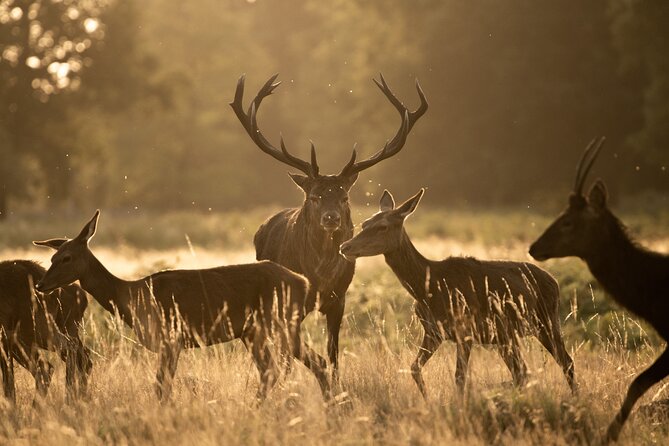
Richmond Park is one of those places where London feels like it’s quietly taking a breath. You don’t have to plan a bus-and-train adventure to get into proper wildlife country. Instead, you’re staying inside a big Royal Park that’s known for deer, with lots of textured scenery for photography.
The photo value here is real. Deer don’t just appear in one corner. You’ll be working in areas with natural variety, including Silver Birch Tree copses, lone Oak Trees, ferns, and lakes. That means you’re not stuck making every shot look like the same green blob. You can practice finding backgrounds that separate your subject from the clutter.
And because this is a half-day workshop, it suits the way many people travel: you want a meaningful activity, but you don’t want to eat your whole day commuting across the city.
You can also read our reviews of more tours and experiences in London.

Deer, birds, and the park’s best photo backdrops
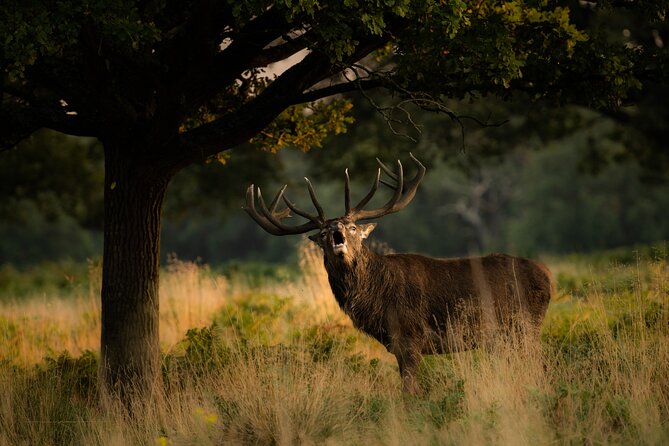
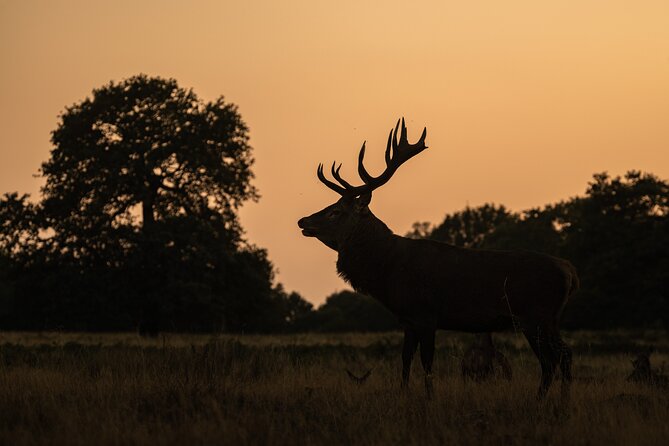
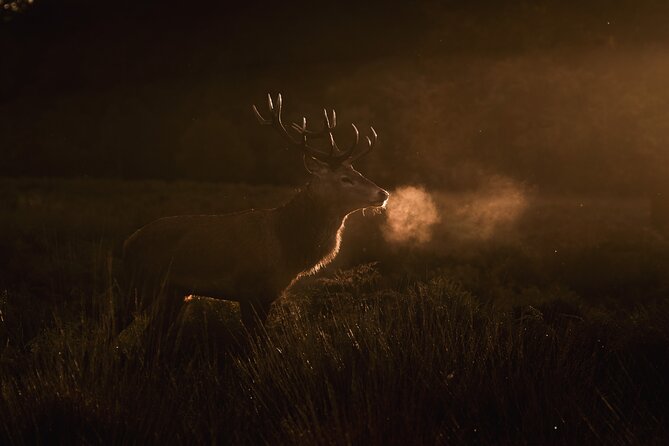
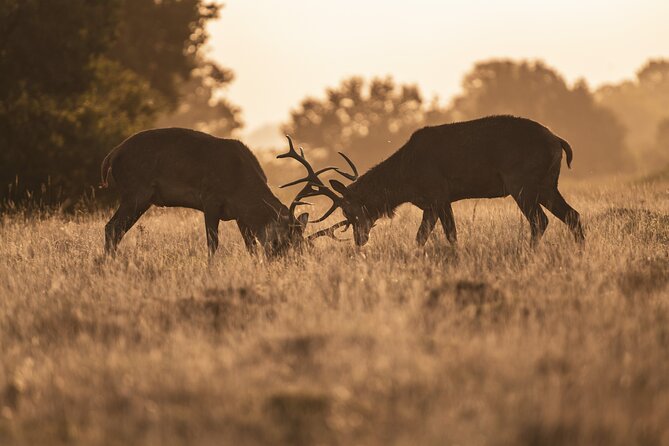
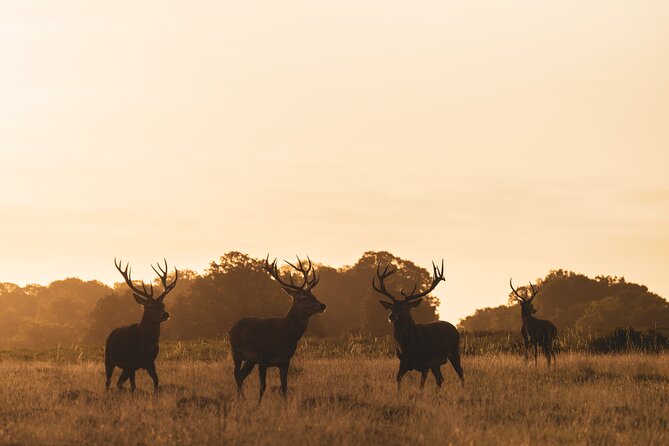
The heart of the workshop is wildlife photography in the open, right in front of the deer. The specific focus is Red and Fallow deer, which is a helpful choice for learners. Deer stay visible long enough for you to test ideas like composition, exposure choice, and how you position yourself relative to light and background.
You’ll also be chasing birds. In practical terms, that means learning how to react when a subject pops up fast or changes distance quickly. Depending on what’s active at the time, you might spot birds such as kestrels, woodpeckers, and even a small owl. No workshop can promise wildlife sightings, but this is the kind of park where the chance isn’t just theoretical.
One smart thing about the approach is that it’s not only about the animal. The park’s layers matter: tree cover can hide the background details you don’t want, while open pockets can make it easier to keep the scene clean. When you practice wildlife photography with real natural backdrops, you start building an eye for how to make the whole frame work.
Why the evening session matters for your photos
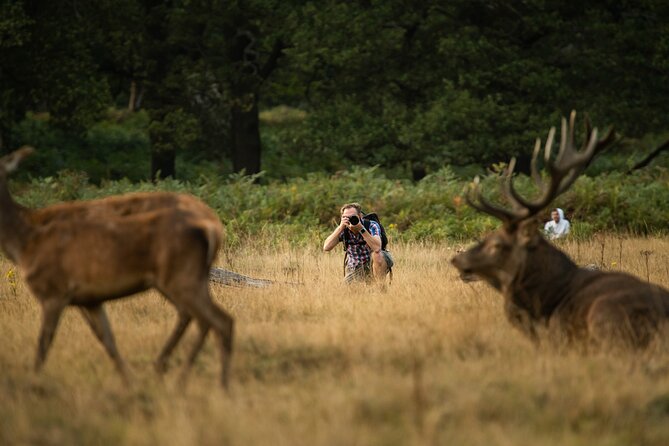
This workshop leans into the reason evening exists for photographers. Light changes how you see. It changes how your camera behaves. And it changes what your subject looks like.
The evening format is designed to give you the best odds of capturing more flattering light. Shadows can add shape to a deer’s body. Color can become warmer and less harsh. And for birds, lighting can help with visibility while you’re waiting and repositioning.
In a typical wildlife scenario, you can’t control when the subject appears. What you can control is your willingness to work the light you get. That’s where an evening lesson pays off: you learn how to keep shooting as conditions evolve, instead of treating photography like a one-moment trick.
Coaching that goes beyond settings: composition and the way you think
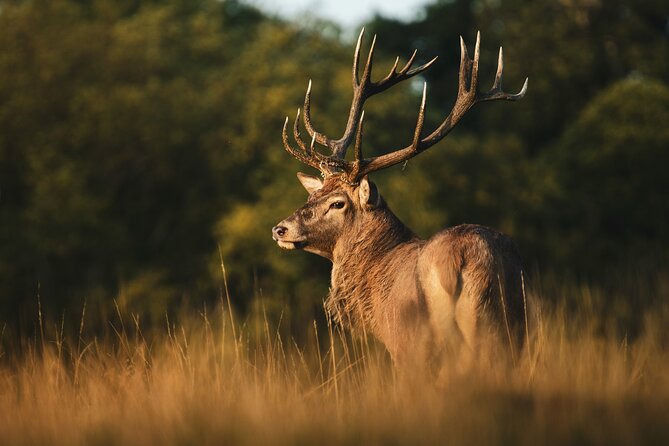
A lot of beginner frustration comes from copying camera settings without understanding what they’re for. This workshop tackles the other half: the thought process behind the photo.
You’ll get guidance on composition and on guiding your photographic eye. That’s not just art-talk. It directly affects what you choose to include or exclude. With wildlife, you constantly face the same issue: your subject is small, the background is busy, and the frame can get messy in seconds. Composition coaching helps you make faster decisions, like where to place the subject in the frame and when to wait for a cleaner angle.
You’ll also work on a proactive photography mindset. In plain terms, that means you’re not only reacting when something appears. You’re also preparing for the next thing—by checking background options, watching light direction, and planning small moves before you need them.
This is especially valuable if you’ve ever taken deer photos that look technically fine but feel flat. Composition and mindset help your images feel intentional, even when the wildlife decides to stroll five minutes away.
What happens during the 3-hour flow at Richmond Park
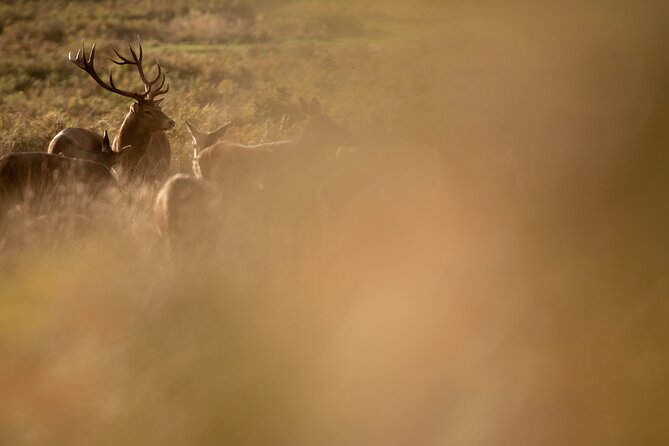
This experience is a focused, about-three-hour session, designed around real-world photo learning rather than classroom lectures. You meet and then move into the park areas where wildlife and good photo angles are possible.
Here’s what you can expect in how the session feels:
- You start at the meeting point and then head out to find workable wildlife scenes.
- You’ll get in-field tutorials as you shoot, with teaching that adapts to what the animals are doing and what’s happening in the light.
- You’ll practice both technical and creative choices: settings, framing, and how to interpret what you’re seeing.
The session ends back at the starting area, so you’re not dealing with complicated logistics after you’ve spent your energy watching and photographing.
One practical note that matters: you make your own way to the park entrance to meet the guide. That’s simple, but it does mean timing matters, especially if you want an easy exit. Richmond Park has gate rules, and one downside to keep in mind is that getting out can be harder if you show up late or lose track of closure times.
You can also read our reviews of more photography tours in London
Price and value: is $161.56 a good deal for 3 hours?
At $161.56 per person for roughly 3 hours, this isn’t a cheap hobby add-on. But it also isn’t trying to be a long tour that spreads value across time. The pricing makes sense when you look at what you’re actually paying for: a small group, in-field teaching, and a guide who helps you apply your camera choices immediately.
This workshop can feel like good value if you fall into one of these buckets:
- You’re new enough to want clear direction on settings and composition.
- You already know your camera basics but want help making wildlife photos more consistent.
- You want feedback and suggestions without guessing through trail-side mistakes.
The small group limit matters for value. With a maximum of 8 travelers, you’re less likely to get lost while the guide is adjusting teaching for the whole crowd.
Also, the “evening workshop ensures the best lighting” idea is part of the value. Photography instruction doesn’t help much if the light collapses. Evening gives you a better shot at usable conditions, and the guide can help you respond to them.
Who should book this workshop (and who might not love it)
This is a strong fit if you like nature walks and want photography that feels connected to real wildlife—not staged subjects.
You’ll likely enjoy it most if:
- You want to learn photography basics or polish skills you already have.
- You enjoy waiting and scanning as part of the photographic process.
- You want coaching that covers both the technical side and the creative side.
You might reconsider if:
- You want zero walking or zero time pressure. The goal is to find good spots in the park, and wildlife timing can be unpredictable.
- You can’t manage your own arrival timing at the park entrance. Since you make your own way to meet the guide, plan ahead so you’re not rushing.
- You’re counting on guaranteed sightings. The park is good for wildlife, but no session can promise specific birds every time.
Quick practical tips for making the session work
Because the workshop is about in-field learning, your biggest advantage is walking in ready to shoot and adjust. One useful takeaway from real bird photography help in this session is that the guide can assist with manual settings for birds in flight. That means you’ll likely get more out of the workshop if you’re not afraid to experiment with how your camera controls exposure and focus.
Also, since it’s an evening session, treat it like a real photo outing:
- Plan to arrive with enough time to meet the guide without stress.
- Keep an eye on timing for your park exit so you don’t get stuck when gates are closed.
Finally, be honest about your goals. If you want dramatic wildlife portraits, ask for framing tips. If you want sharp action shots, focus questions on birds in motion and how to set up quickly when the subject appears.
Should you book Wildlife Photography Workshop in Richmond Park?
I’d book it if you want a focused way to improve quickly without traveling far from central London. The combination of deer-focused in-field teaching, an evening light plan, and small group coaching (max 8) is exactly what makes this kind of experience worth paying for.
I’d skip or delay it if you need guaranteed wildlife sightings or if timing at park gates feels stressful for you. This workshop rewards calm attention and willingness to practice as conditions change.
If you’re serious about taking wildlife photos that look planned rather than lucky, this is a solid choice—especially for anyone who wants both the camera mechanics and the photographic thinking.
FAQ
How long is the Richmond Park wildlife photography workshop?
It runs for about 3 hours.
Where does the workshop meet?
The meeting point is Queen’s Rd, Richmond TW10 6JJ, UK. The activity ends back at the meeting point.
What is the group size?
The workshop has a maximum of 8 travelers.
Do I need prior photography experience?
No. It covers photography basics and also helps people enhance existing skills.
What kind of wildlife will I be photographing?
You’ll focus on wildlife in Richmond Park, especially Red and Fallow deer, and you may also find birds such as kestrels, woodpeckers, and a small owl depending on conditions.
What time of day is the workshop?
It’s an evening workshop, designed so you get the best possible lighting.
What if the weather is bad?
The experience requires good weather. If it’s canceled due to poor weather, you’ll be offered a different date or a full refund.