REVIEW · LONDON
ADVANCED GRAFFITI STREET ART TOUR / SHOREDITCH / EAST LONDON
Book on GetYourGuide →Operated by Jam Graffiti Tours · Bookable on GetYourGuide
Two hours can change how you see walls. In Shoreditch and East London, this advanced graffiti street art tour turns street art from wallpaper into a story you can read. You walk through the neighborhood like a map, with context for why pieces exist, what they’re referencing, and how the scene shifts over time.
I really like two things here. First, the tour gives Banksy-focused stops (at least 3 works, up to 5 depending on access) with history, inspiration, and controversy—not just a quick name-drop. Second, it’s built for questions: the group stays small (max 15) and the guide answers as you go, including the codes and slang that help you decode what you’re seeing.
One thing to keep in mind: those specific Banksy pieces can be pending access, so the exact number and location of works you see may vary on the day.
In This Review
- Key Highlights You’ll Care About
- Shoreditch Walls Are a Living Archive
- The 2-Hour Walk: Shoreditch to Brick Lane, With Stops That Mean Something
- Banksy Stops: History, Inspiration, and the Controversy Stuff
- Team Robbo vs Banksy: Why Rivalries Matter in Street Art
- Ben Eine and the Bridge Between Graffiti and Street Art
- Learn the Codes: Styles, Slang, and What Pieces Are Referencing
- Photo Time: Great Shots, Plus Rules That Keep Artists Respected
- Price and Value: Why $16.16 Can Actually Be a Good Deal
- Who This Tour Fits (and Who Might Want a Different Option)
- Should You Book This Advanced Graffiti Tour?
- FAQ
- What’s the duration of the tour?
- How many people are in a group?
- How much does the tour cost?
- How many Banksy pieces will I see?
- Is the tour good for kids or teens?
- What areas does the tour cover?
- Can I take photos during the tour?
- What language is the tour guide?
- Is the tour suitable for wheelchair users?
Key Highlights You’ll Care About
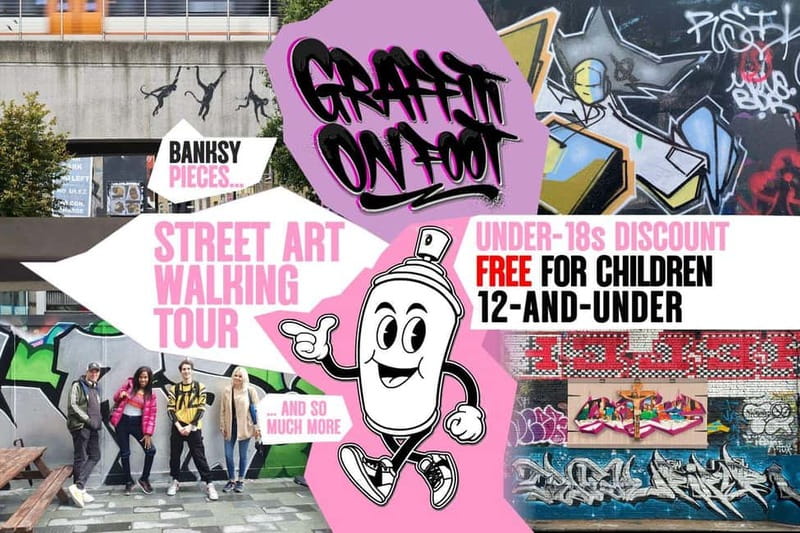
- Banksy, Ben Eine, and London graffiti legends: you get the big names plus the supporting cast of writers
- At least 3 Banksy works (up to 5, pending access): you’re not just chasing one famous stencil
- Graffiti codes and slang: you learn what tags, styles, and references usually mean
- Team Robbo vs Banksy context: the rivalry is part of the art’s meaning, not trivia
- Small group size (max 15): you’ll actually get your questions answered
- Photography encouraged, with respect: great pics, plus clear guidance around working artists
Shoreditch Walls Are a Living Archive
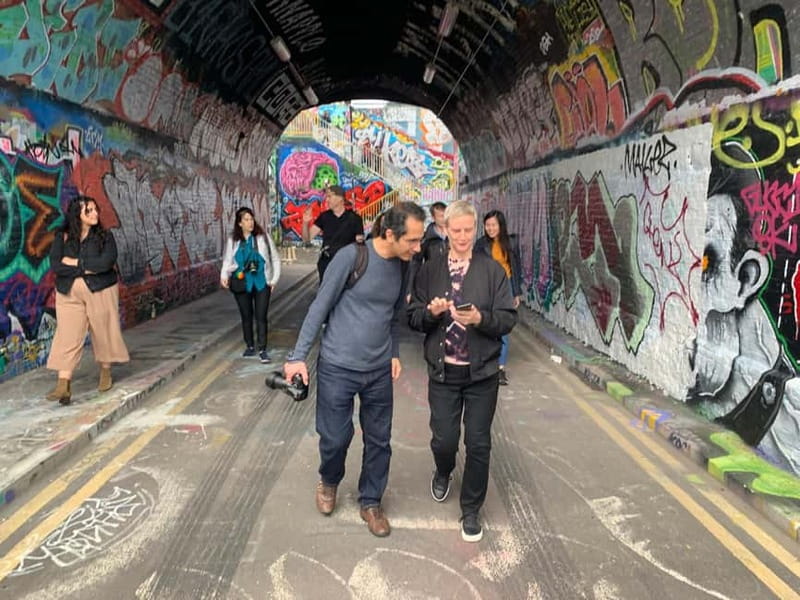
Shoreditch can look chaotic at street level. Up close, though, it’s organized chaos—layers of politics, class pressure, and local pride showing through paint, paste, and stencils. This tour matters because it doesn’t treat street art like random decoration. It treats it like communication.
You’ll also notice the difference between classic graffiti and later street art styles. The guide links those shifts to changes in society—how people lived, what they argued about, and what got amplified by social media. That makes the neighborhood feel less like a photo set and more like a timeline.
You can also read our reviews of more tours and experiences in London


The 2-Hour Walk: Shoreditch to Brick Lane, With Stops That Mean Something
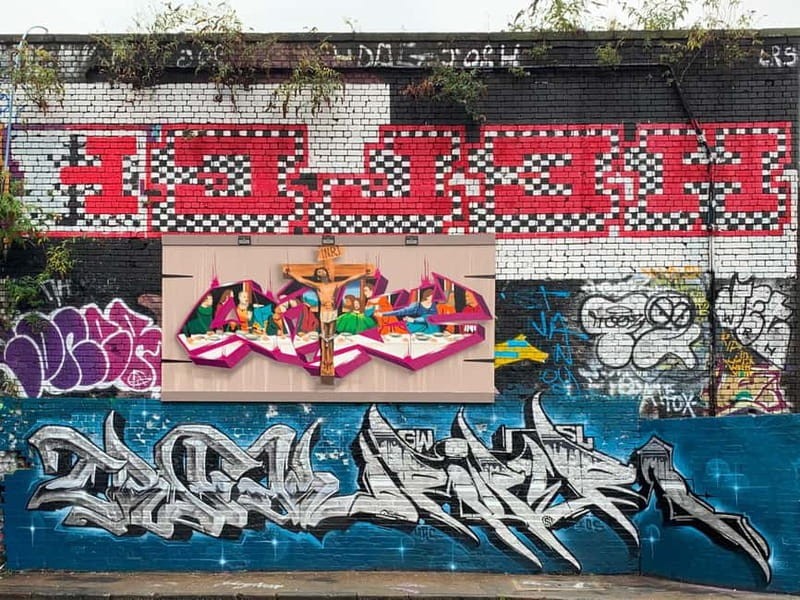
The tour runs about 2 hours, so it’s a concentrated hit rather than an all-day crawl. Expect walking through Shoreditch and around Brick Lane, with time at the walls long enough to actually analyze what you’re seeing. This is the kind of tour where you’ll start noticing details you would have missed on your own—styles, recurring symbols, and references tucked into corners.
A big part of the experience is learning to read a piece critically. The guide shows you how graffiti often points to other works, other writers, or a specific local context. So each stop becomes more than a quick look. It becomes practice: you see a piece, you hear what it’s referencing, and you learn how to judge it by its codes, not just its color.
One practical downside of a short, high-energy walk: if you want to linger for long stretches on your own, you may feel rushed. The structure is tight for a reason—you’re covering a lot of visual ground and the meanings behind it.
Banksy Stops: History, Inspiration, and the Controversy Stuff
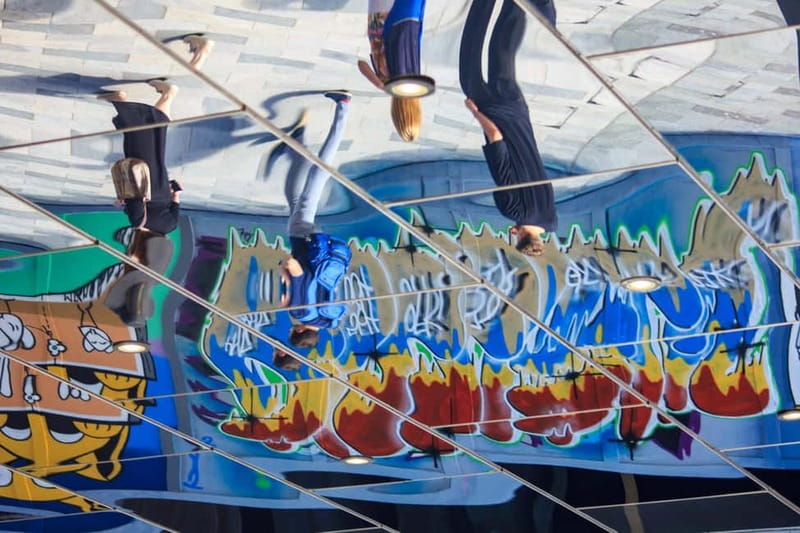
Let’s be honest: lots of street art tours sell the idea of Banksy and move on. Here, Banksy is a centerpiece, but not a shortcut. You’re promised at least 3 Banksy pieces, up to 5 depending on access, and each one is treated like a clue in a larger story.
You’ll learn about Banksy’s inspiration and the controversies that follow his work. That part is useful because Banksy isn’t just artwork—you can see how the public conversation shapes how people read it. In other words, the piece doesn’t live alone on the wall. It lives in the arguments people have around it.
You’ll also get the wider context of his place in London graffiti culture. The guide covers the history of graffiti and street art in the UK, including how it evolved through class and politics—and how later visibility through social media changed the scene.
Team Robbo vs Banksy: Why Rivalries Matter in Street Art
Graffiti culture can feel like a set of styles until you learn the social rules. This tour makes that clear. You’ll hear about the Team Robbo vs Banksy conflict, and you’ll understand it as part of how reputations, rivalries, and identities get built.
That might sound like drama, but it actually changes how you view the walls. When you know that certain artists are responding to each other, you start seeing references and attitude more clearly. You realize a piece can be both art and commentary, aimed at other people in the scene—not just at the public.
It also helps you understand why codes and hierarchies exist. Street art often has its own internal logic, and rivalries are one of the ways that logic shows up.
Ben Eine and the Bridge Between Graffiti and Street Art
This tour doesn’t stop at stencil fame. You’ll also cover Ben Eine, the artist who has mastered both graffiti and street art. That matters because it shows how the scene can move between different approaches while still sharing core ideas—style, identity, and public impact.
Ben Eine is useful in the tour because it helps you see how letterforms and color can function like graffiti tags but also like street art statements. Once you understand that bridge, you’ll start spotting connections across styles during the walk.
The guide also points you toward the wider web of writers beyond the headlines. The tour includes “dozens” of other graffiti writers as well, so you’re not stuck learning only big names. You’ll learn how the work of lesser-known writers forms the texture of the neighborhood.






Learn the Codes: Styles, Slang, and What Pieces Are Referencing
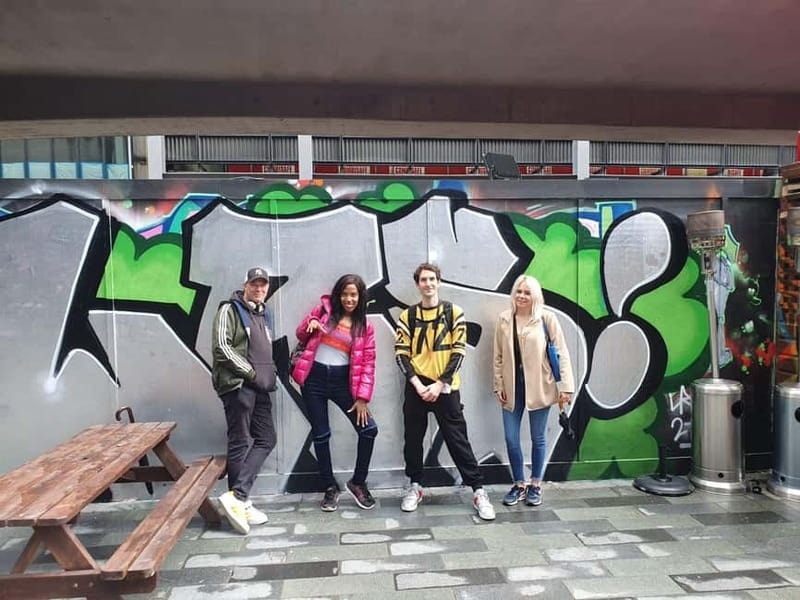
Here’s where the tour earns its name: it’s built around analysis. You’re taught graffiti codes, slang, and the basic hierarchies and rivalries that shape what gets made and how it gets read.
You’ll practice recognizing artistic styles and understanding what those styles usually reference. Often a piece is talking to something—another work, a local theme, or a moment in the scene’s ongoing history. With the guide’s explanations, you’ll start seeing layers you would likely miss if you just walked past.
You’ll also learn where ideas come from: the origins of graffiti, how it evolved in the UK, and how factors like gentrification change who gets seen, where art appears, and how it’s received. That gives you a sharper lens for the whole East London area, not just the specific walls you stop at.
Photo Time: Great Shots, Plus Rules That Keep Artists Respected
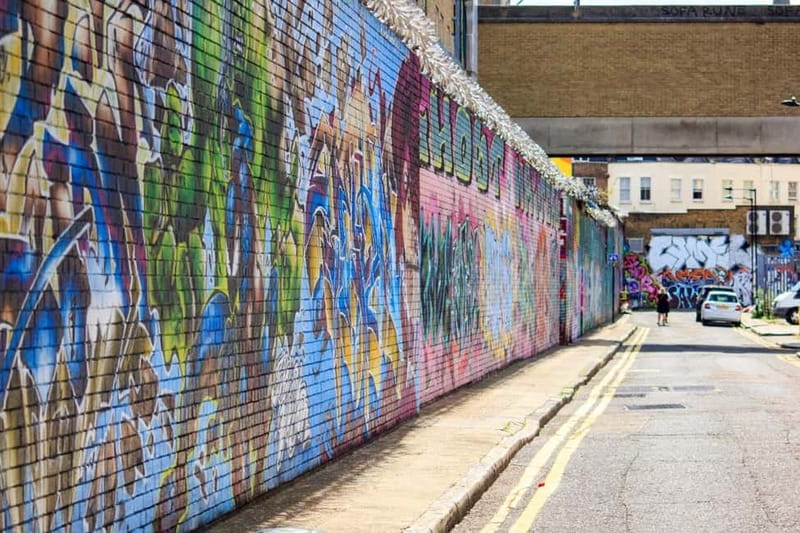
You’ll have plenty of photo opportunities. This tour is clearly designed for cameras—think sharp angles, close-up details, and “you’ll want to zoom in” moments where the guide points out meaning you can’t fully catch at a glance.
Photography is allowed and encouraged, but there’s a key rule: if you spot artists at work, you need to be discreet. The tour asks that you don’t photograph working artists without express permission. That’s a good guideline, and it keeps the street art world from turning into a stage for onlookers.
My practical advice: charge your phone, bring a fully charged second battery if you rely on video, and keep your camera ready when the guide calls a stop. The best moments often happen fast.
Price and Value: Why $16.16 Can Actually Be a Good Deal
At $16.16 per person for about two hours, this isn’t priced like a museum ticket. It’s priced like a walking lesson—guided, structured, and expert-led.
You get real value because the tour focuses on interpretation, not just exposure. If you’ve ever looked at graffiti and thought, I get it’s art, but I don’t know what I’m looking at, this tour answers that problem. The guide covers history, social and political context, codes, and the references behind styles—so you leave with a new way to see the walls.
It’s also small-group value. A group of up to 15 keeps the Q&A possible, and it helps the guide tailor explanations to the questions people ask. That matters because graffiti can mean different things to different people depending on what you’ve noticed.
One caution on value: because Banksy access can vary, part of the experience depends on what’s available on the day. You still get the broader analysis, but if you’re traveling specifically to chase exact famous locations, keep your expectations flexible.
Who This Tour Fits (and Who Might Want a Different Option)
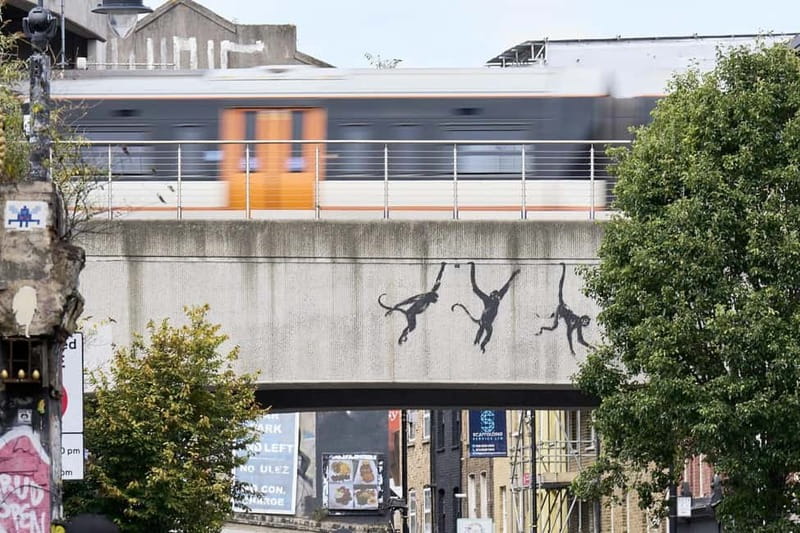
This experience fits best if you want more than sightseeing. If you enjoy street culture, are curious about why art shows up where it shows up, or you like understanding what you’re photographing, you’ll get a lot out of it.
It also works well for people who like their city travel to feel local and specific. Shoreditch and Brick Lane change fast, and learning the codes and social context gives you a steadier viewpoint than trendy photos alone.
A note on mobility: the information you’re given includes wheelchair accessibility, but it also says it is not suitable for wheelchair users. Since that’s contradictory, you should confirm directly before booking if mobility access is a concern.
Should You Book This Advanced Graffiti Tour?
I’d book it if you want to understand East London street art, not just spot it. The strongest reason is the focus on analysis—Banksy context, UK origins, slang and codes, and how rivalries shape meaning. The small group size and strong Q&A approach make it feel like a guided education session that still moves through great photo territory.
Skip it if you want a slow, casual stroll with minimal explanation. This tour is structured, and the guide’s emphasis on reading pieces and their references is central to the experience.
If you’re comfortable learning a few new terms, asking questions, and respecting the artists you might see working, this is a smart way to spend two hours in Shoreditch.
FAQ
What’s the duration of the tour?
The tour lasts about 2 hours.
How many people are in a group?
The group size is small, with a maximum of 15 people.
How much does the tour cost?
The price shown is $16.16 per person.
How many Banksy pieces will I see?
The tour includes at least 3 Banksy pieces, with up to 5 possible pending access.
Is the tour good for kids or teens?
Children aged 13 and under are free. There’s also an under-18 youth discount.
What areas does the tour cover?
It focuses on Shoreditch and Brick Lane in East London.
Can I take photos during the tour?
Photography is allowed and encouraged. If you see artists working, you should be discreet and don’t photograph them without express permission.
What language is the tour guide?
The live tour guide speaks English.
Is the tour suitable for wheelchair users?
The information provided includes wheelchair accessibility, but it also states it is not suitable for wheelchair users. You should confirm the situation before booking.