London’s river story starts in Borough Market. This private, 90-minute walk ties food history and Shakespeare-era locations into one easy route, ending near Tate Modern for art and skyline views. I love the way the guide connects big events and names into a clear street-level story you can actually picture.
My favorite part was meeting Stephen. He’s friendly, patient, and great at adjusting when people arrive late, plus he’ll help with photos when you want them. One thing to plan for: some key stops aren’t included in the ticket price, so you’ll want extra money set aside if you want to go inside Golden Hinde or the Globe areas.
In This Review
- Key Points You’ll Actually Care About
- How This 90-Minute Borough-to-Tate Walk Feels on the Ground
- Borough Market: Where Food and 2,000 Years of London Collide
- Southwark Cathedral: The Area’s Story from Romans to Dickens
- A Notorious Prison Interlude: The Dark Side of London’s Past
- Golden Hinde: Pirates, National Heroes, and One Captain’s Story
- The Rose Theatre: Shakespeare’s Rival Stage in Tudor London
- Shakespeare’s Globe Area: Hidden Sites, Bear Pits, and Dark Corners
- Tate Modern: Art, Views, and the End of the Story
- Millennium Bridge: Street Art Right Under Your Feet
- Price and Value: What You’re Paying For
- What You Can Expect From the Guide (Stephen-Style, in the Best Way)
- Tips to Make This Tour Work for Your Day
- Who This Tour Is Best For
- Should You Book This Tour?
- FAQ
- How long is the tour?
- Is this a private tour?
- Does the tour include tickets for Golden Hinde and the Globe areas?
- Where does the tour start and end?
- Do I need good weather?
- Can I cancel for a refund?
Key Points You’ll Actually Care About

- Private group pacing: you move at a human speed, not a herd speed.
- Street-level history: Romans, Vikings, Dickens, and Tudor theatre show up in everyday places.
- Two paid add-ons: Golden Hinde and Globe Theatre areas can cost extra.
- Big payoff finish: Tate Modern plus London views brings the walk to a satisfying close.
- Convenient start/end near transit: you begin at Stoney St and end by Tate Modern.
How This 90-Minute Borough-to-Tate Walk Feels on the Ground
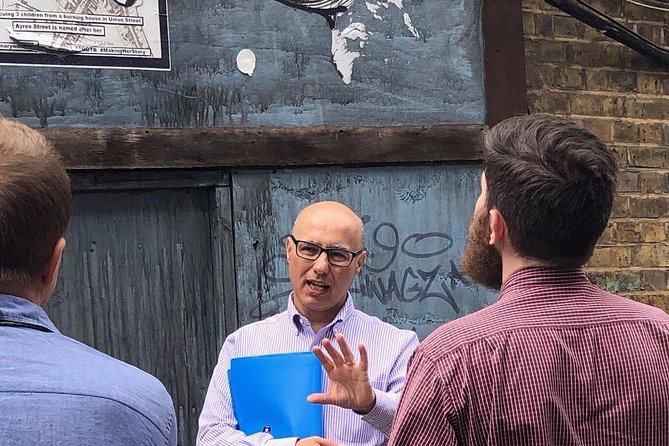
This is the kind of London tour that helps you stop thinking in postcards and start thinking in layers. You start near Borough Market, then work your way through Southwark’s deep past, the theatre world around the Thames, and the modern-art finish at Tate Modern. It’s compact enough that you won’t feel wrecked afterward, but it’s packed with story beats so you leave with more than just photos.
A private format matters more than it sounds. With a small group, your guide can slow down for questions, speed up when you’re moving fast, and steer you toward what you’re most interested in. People in your group can ask for quick photo stops, and you’re not stuck waiting while everyone catches up.
The route is mostly outside, with short stops (often around 10 minutes each). That means it rewards good walking shoes and a plan for weather. The good news: several stops are free to enter, so the walking itself gives value even if you decide not to pay for every optional interior.
You can also read our reviews of more shopping tours in London



Borough Market: Where Food and 2,000 Years of London Collide
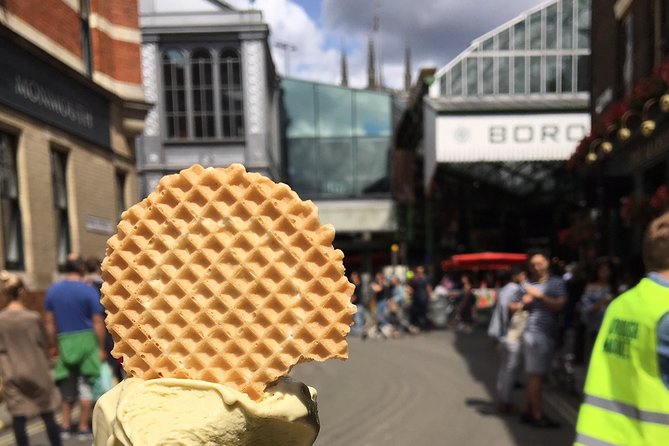
Borough Market is a great place to start because it’s both practical and mythic. You get the visual cue right away: stalls, food smells, and that feeling of an old market continuing to serve new crowds. Then the guide puts it in context by explaining Borough Market’s 2,000 year history and why it has been voted among the world’s best foodie destinations.
What I like here is the contrast. It’s not just a speech about centuries ago. It’s a chance to look at a place that’s still alive. When you hear the age of the market, you start noticing details you would otherwise ignore, like how “market” isn’t a modern invention in London.
If you’re planning the rest of your day, Borough Market is also useful. Even if you don’t buy anything on the tour, you’ll get a sense of what the area does well—so later you can eat with confidence instead of randomly guessing.
Southwark Cathedral: The Area’s Story from Romans to Dickens
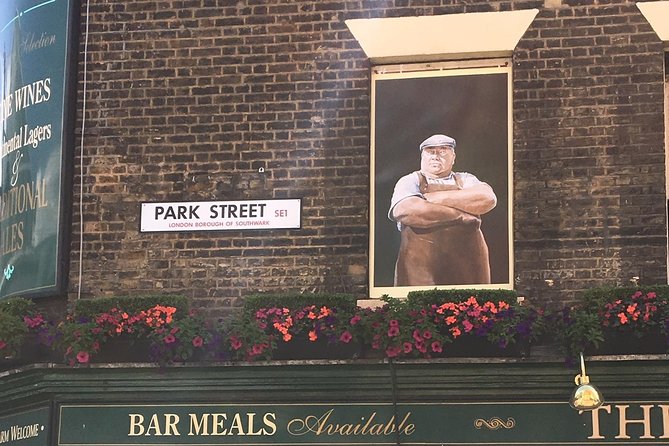
After Borough, the tour shifts from food to place-name power. Southwark Cathedral is a strong stop because the area around it has been shaped by many eras, and the guide ties together a timeline that you can feel in the streets.
You’ll hear about the rich history of the area—Romans and Vikings, then later connections tied to Dickens’ heroes and villains. That mix matters. It’s not just dates; it’s the idea that the same neighborhoods get reused and reinvented. One area can hold multiple identities across time.
A small consideration: Southwark Cathedral is a real working church setting. If your group is loud, it can feel awkward. The best tours keep the tone respectful and quiet when you’re inside.
A Notorious Prison Interlude: The Dark Side of London’s Past
The tour includes a stop built around the horrible history of London’s must terrible prison. This part works because it resets your thinking. So often, tours around theatre or markets focus on entertainment. This reminds you that the same streets have held fear and punishment, not just culture and commerce.
I appreciate that the tour doesn’t pretend the past was all pleasant. Even when a prison stop is brief, it creates a more honest map of the city. It also helps you understand why Bankside’s stories can feel so dramatic: London’s storytelling roots go deeper than stage costumes.
If you don’t enjoy heavy topics, it can still be manageable because the tour keeps it to a short stop. But it’s worth knowing you’ll hit this theme instead of skipping it.
Golden Hinde: Pirates, National Heroes, and One Captain’s Story
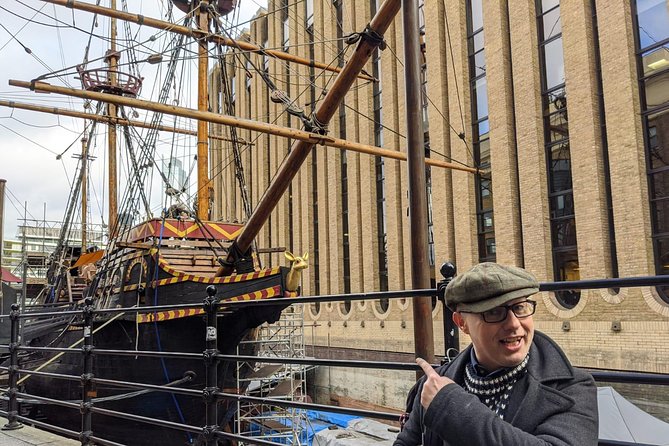
Then comes Golden Hinde, the 16th-century ship that sparks the tour’s question: Pirates? National heroes? Or both? You decide as you learn about the ship and its captain.
This is one of the stops that can change how memorable the tour feels, depending on your interests. If you’re into maritime history, sea battles, or stories that mix legend with facts, Golden Hinde is a great payoff. If you’d rather keep costs low and spend time elsewhere, this is also where you can choose how much you want to commit, since admission isn’t included.
Practical tip: if you do pay for the ship, give yourself a little extra patience. Ships aren’t easy on everyone’s legs, and it can be a lot of information in a confined setting. The guide’s job is to make it readable and connected, but your comfort still matters.
You can also read our reviews of more tours and experiences in London




The Rose Theatre: Shakespeare’s Rival Stage in Tudor London
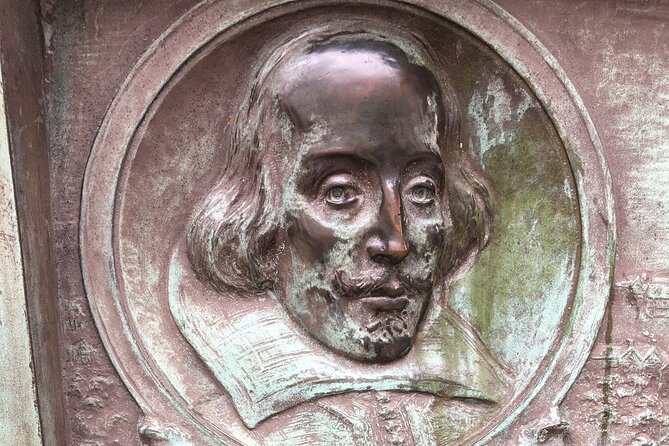
Next up: the Rose Theatre, where you meet Shakespeare’s rivals in Tudor theatre land. This stop is smart because it takes you beyond the idea of Shakespeare as a solo genius on a single stage. You get the sense of a competitive theatre world.
The guide frames it in a way that makes the physical space feel like part of a living entertainment system—one that included multiple players with different styles and ambitions. It’s one of those stops where your understanding of the period changes even if you don’t go inside.
A downside to keep in mind: if you mainly want modern history or art, theatre stops might feel like a detour. But if you enjoy the human side of literature—who competed, who performed, who drew crowds—this is where the route clicks.
Shakespeare’s Globe Area: Hidden Sites, Bear Pits, and Dark Corners
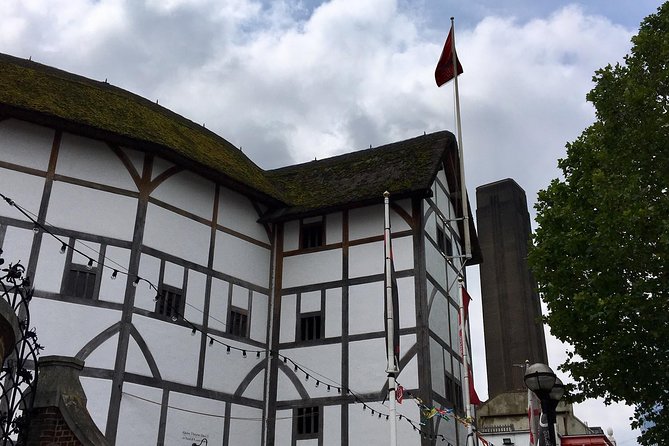
Then you hit the theatrical heart of Bankside: Shakespeare’s Globe. This isn’t just a sightseeing stop. You’ll learn about actors who helped make his plays come alive, and you’ll visit the original site areas of the Globe and Rose Theatres. The guide also points you toward places tied to bear pits and the darker sites of Bankside.
The value here isn’t only history facts. It’s how the guide helps you connect the plays to the world around them. You start thinking: how did the performances feel? What did people see and hear? What kind of crowd would gather here? Even in a short visit, the stories make the theatre feel less like literature on a shelf and more like live events in the open air.
One thing to plan for: this is another stop where admission isn’t included. If you want the full experience, budget for it. If you’re already visiting other sites later, you can still enjoy the walking history without paying for every interior.
Tate Modern: Art, Views, and the End of the Story
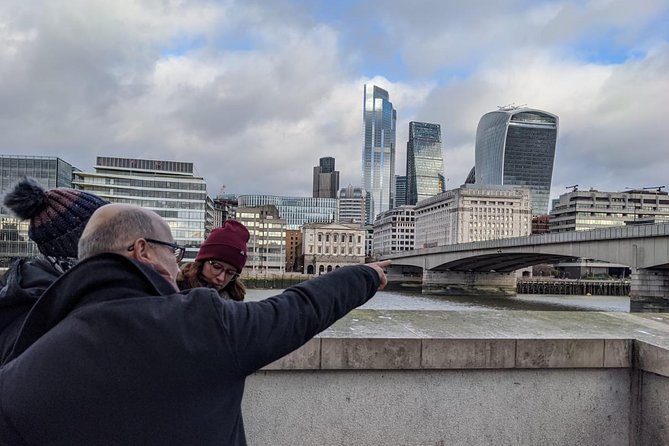
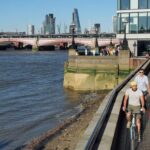
The tour finishes in a satisfying way at Tate Modern. You’ll see a few more corners tourists often miss, then you end at one of the world’s greatest art galleries, with a chance to take in amazing London views.
I like closing with art because it changes your mental gear. Before Tate, you’re in centuries of politics, theatre, and survival. At the gallery, the focus shifts to how modern London tells stories now—through art, light, and space. And those views from the area around the end point are a nice reward for the walking.
If you’ve got energy afterward, this ending also works well. Tate is easy to extend on your own. You can linger a bit longer, grab a coffee nearby, or just keep looking toward the river.
Millennium Bridge: Street Art Right Under Your Feet
Between Tate and your final stretch, the tour includes Millennium Bridge, with hidden art right under your feet. This is the kind of detail that makes the guide’s job feel real. It’s easy to miss small things when you’re focused on big landmarks.
What this stop does well is train your eyes. You start noticing textures, surfaces, and small visual surprises. That carries over after the tour too.
If your group hates visual surprises and prefers only “big buildings,” you might feel this is too short. But I found these micro-stops are often what make a walking tour feel different from a checklist.
Price and Value: What You’re Paying For
At about $20.72 per person for roughly 90 minutes, this tour is priced like a budget-friendly way to learn a lot without committing a full day. The strongest value comes from two places:
First, it’s private for just your group. That usually means better pacing and more direct answers, and you don’t have to repeat questions. Second, the route strings together multiple major Bankside anchors—Borough Market, Southwark Cathedral, theatre connections, and Tate Modern—without wasting time jumping across the city.
The main cost wrinkle is that some admissions aren’t included (Golden Hinde and the Globe Theatre areas). If you’re the type who always wants interior access, your total spending will be higher. If you’re more about walking, storytelling, and photo moments, you can keep costs under control and still get a strong experience.
What You Can Expect From the Guide (Stephen-Style, in the Best Way)
The reviews point to the same theme: Stephen’s style is practical and personable. He’s described as very knowledgeable, entertaining, and accommodating, and one detail really matters—he waited for a late group and greeted them warmly.
That kind of guide flexibility makes a big difference in London. Meeting points, trains, crowds, and real life can mess with timing. Having someone who stays calm and keeps the experience moving helps you enjoy the tour instead of worrying about it.
The other standout: he’s attentive to your needs, including helping with photos. That’s small, but it affects how many good pictures you’ll actually get without turning your walk into a self-guided phone scramble.
Tips to Make This Tour Work for Your Day
A few simple moves can help you get more out of it:
- Wear comfortable shoes. This is a walk with multiple short stops, so you’ll feel the ground more than you think.
- If you care about the ship and Globe areas, budget for extras early. Admission not included means you don’t want surprise decisions halfway through.
- Bring a little appetite for Borough Market even if you don’t eat on the spot. The tour gives you a map of what the area is good at.
- Use the end point as a planning anchor. Since you finish by Tate Modern, you can turn the last part into a flexible plan—art now, dinner later, or both.
- Don’t overpack your schedule afterward. Even at 90 minutes, the storytelling can stick in your head. Give yourself time to process it while you’re still in the area.
Who This Tour Is Best For
This tour fits best if you want more than “what to see.” You want to understand why places matter and how London layers its past on top of itself.
It’s especially good for:
- People who like food history plus literature connections in one route
- Visitors who enjoy walking tours with a guide who talks in stories, not just facts
- Groups who want a personalized experience rather than following a script
It may be less ideal if you’re mainly focused on modern art only, because a big chunk of the tour goes through markets, cathedral-era context, theatre sites, and the prison history stop.
Should You Book This Tour?
I think you should book it if you want a well-paced introduction to Southwark and Bankside that connects Borough Market, theatre landmarks, and Tate Modern without turning your day into a maze. The private format and the guide’s accommodating, friendly style make it feel personal, not rushed.
If you know you want to enter Golden Hinde and the Globe areas, check your budget so those extra admissions don’t surprise you. And if heavy history is hard for you, you should be ready for the prison stop, even though it’s brief.
Overall, it’s a strong value way to get your bearings fast and learn how London’s stories stack—food, theatre, crime, and art—over the same river bends.
FAQ
How long is the tour?
It runs about 1 hour 30 minutes.
Is this a private tour?
Yes. It’s a private tour/activity, so only your group participates.
Does the tour include tickets for Golden Hinde and the Globe areas?
Golden Hinde and the Globe Theatre areas list admission as not included, so you should plan for extra costs if you want to go inside.
Where does the tour start and end?
It starts at 9 Stoney St, London SE1 9AA, and ends at Tate Modern Bankside in London SE1 9TG (by the river at Tate Modern).
Do I need good weather?
Yes. The experience requires good weather. If it’s canceled due to poor weather, you’ll be offered a different date or a full refund.
Can I cancel for a refund?
Yes. You can cancel for free up to 24 hours in advance for a full refund. If you cancel less than 24 hours before the start time, you won’t receive a refund.