REVIEW · LONDON
Great Artists : Impressionists, Monet & Private Art Studios
Book on Viator →Operated by Pigeon Tours · Bookable on Viator
London looks different through Monet’s eyes. This private, artist-led route connects Impressionist stories to real London landmarks, using the Thames as your moving timeline. It also covers the city’s Romantic painter, J. M. W. Turner, so you get more than one art lane at a time.
I really like the personal guide approach: it’s private, so your questions don’t get lost in a crowd. I also love how the walk keeps switching between paintings and the places they relate to, from St. Paul’s to the National Gallery, with the guide (often Valery, based on past guests) willing to answer general London questions too.
One consideration: St. Paul’s Cathedral is a short stop (about 15 minutes) and admission is not included, so plan for an extra cost on top of the tour price. In a 3-hour outing, you’ll also cover several outdoor stretches, so comfortable shoes matter.
In This Review
- Key highlights to know before you go
- A private art tour that uses London like a gallery
- St. Paul’s Cathedral start: Impressionists and Romantic energy
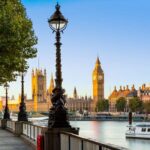
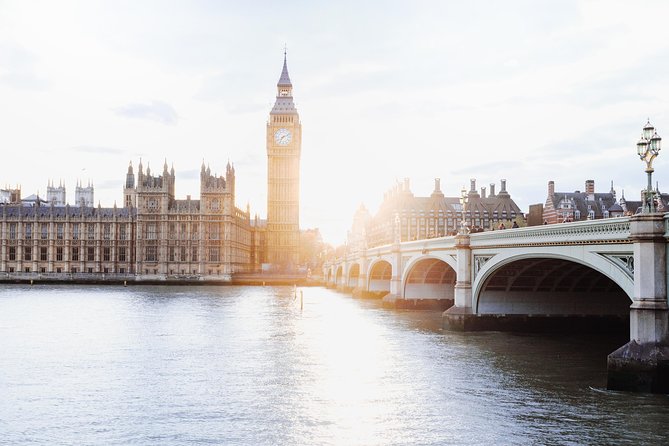
- Westminster Bridge and the Thames Path: Houses of Parliament on fire
- Victoria Embankment: why French artists left Paris
- The Savoy Hotel stop and the Monet Suite question
- National Gallery finale: the Impressionist lens in a major museum
- Why this route makes Monet and London click
- Price and value: what $929.40 buys you in a short window
- Logistics that matter: timing, walking, and tickets
- Who this tour suits best
- Should you book this Monet and Impressionists private tour?
- FAQ
- How long is the tour?
- Where does the tour start and end?
- Is this a private tour?
- What language is the tour offered in?
- Are tickets included at every stop?
- What’s the meeting point?
- Is there a mobile ticket?
- Is this tour suitable for everyone in terms of walking?
- Can I get a refund if my plans change?
Key highlights to know before you go
- Private, artist-led format where you’re exploring with your own group, not blending into a mass tour
- Monet plus Turner in the same storyline, including Turner’s Houses of Parliament fire scenes
- Thames Path viewpoint time tied to paintings and to why French artists left Paris
- Savoy Hotel stop with the Monet Suite question in the mix
- National Gallery finale including other Impressionists who fled war, like Sisley and Pissarro
- Short, focused stops that are easy to manage in about three hours
A private art tour that uses London like a gallery
This is the kind of tour that helps you see how art is made from specific views, not just from imagination. Instead of sitting in one room for the whole visit, you move along the Thames corridor and keep returning to the same idea: artists went looking for light, drama, and atmosphere—and London supplied plenty of all three.
Because it’s private, the pacing works better for you if you’re curious but not sure what to ask first. The guide is a professional artist guide, and the conversation tends to stay grounded in art-making and context, not just names and dates. You’ll also be able to ask the other city questions that pop up while you’re outside, like why this area looks the way it does.
The tour runs about 3 hours and is offered in English with a mobile ticket. It’s a good length for a first or second London trip because it doesn’t try to do everything, yet it still hits major landmarks.
You can also read our reviews of more private tours in London
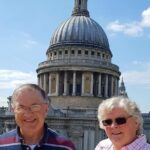


St. Paul’s Cathedral start: Impressionists and Romantic energy
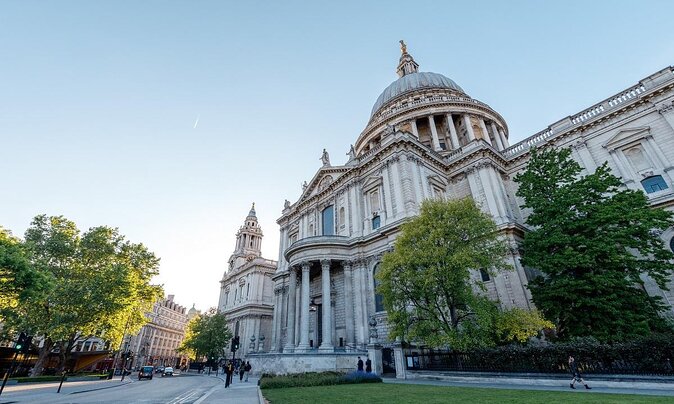
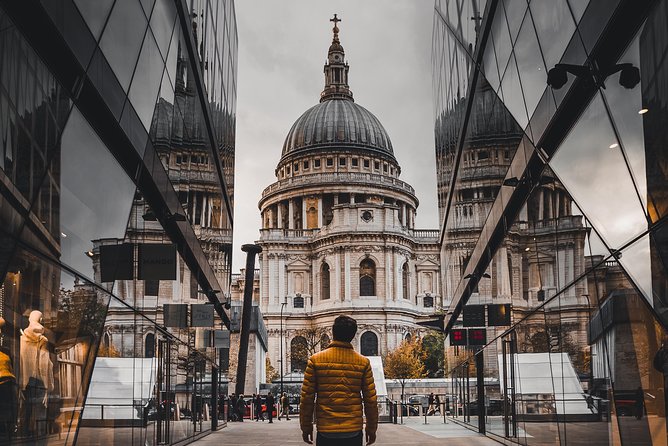
You begin at Southbank Centre and head into St. Paul’s Cathedral area. The first stop is about 15 minutes, with admission not included, so you’ll want to budget time and money for entry if you choose to go in.
What makes this opener work is the theme. You start by following the “footsteps” idea—connecting London settings and viewpoints that attracted the great French Impressionists (Claude Monet is called out) and also the Romantic painter J. M. W. Turner. Even if you’re not a strict Impressionist fan, the mix matters because it shows that London’s art draw wasn’t one-style only.
Possible drawback here: with only a short window and admission not included, it’s easy to feel a little rushed if you’re determined to fully tour inside. If you’re someone who likes museums at a slow pace, you might want to treat this stop as a “set the stage” moment rather than your main cathedral visit.
Westminster Bridge and the Thames Path: Houses of Parliament on fire
Next you move to Westminster Bridge. This is another about 15 minutes stop, but here the itinerary notes that the admission ticket is included for the viewing experience tied to the story.
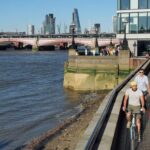
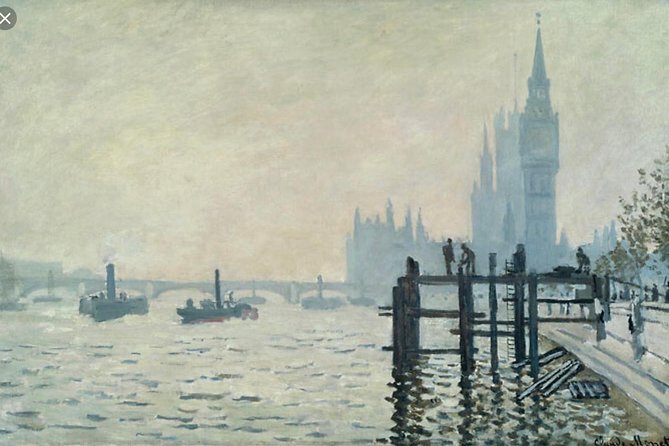
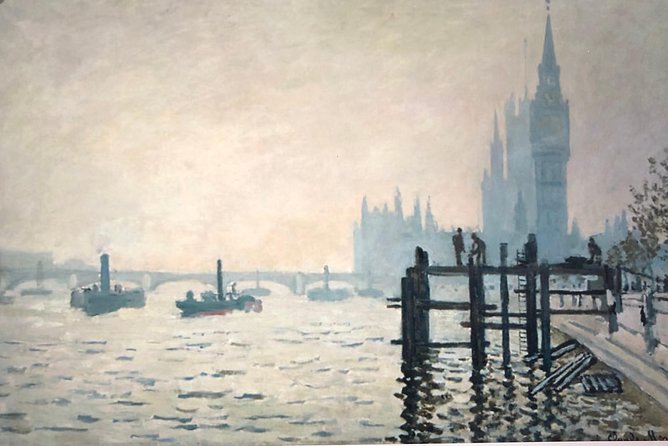
This is where the tour’s storyline gets cinematic. You’ll be taken to where you can view the location connected to one of Monet’s important works, then you’ll trace steps back along the Thames Path toward a St Thomas Hospital viewpoint. From there, you connect the dots to multiple Monet paintings.
The Turner element also lands hard at this point. You’ll hear the story behind Turner’s paintings of the fire that destroyed the Houses of Parliament, plus a mystery that has only recently been solved. That kind of detail is exactly why art tours feel different from standard sightseeing: you’re watching for meaning, not just landmarks.
What you should consider: this section is outdoors and is tied to viewpoints. If weather is rough—wind on the river level—you’ll still get the art story, but the comfort factor drops. Bring a layer you can handle.
Victoria Embankment: why French artists left Paris
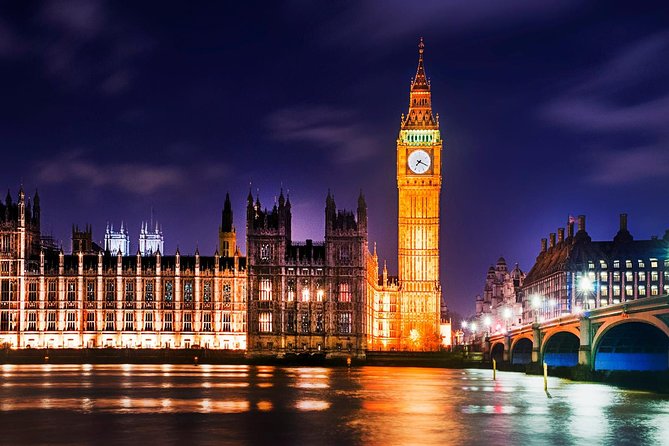
Then you head to Victoria Embankment for about 15 minutes, again with admission included for the stop. This segment is built around painter-to-place storytelling, but the focus shifts into “why” and “how London became a refuge.”
You’ll hear facts and anecdotes about artists’ lives in London, including why the French Impressionists left Paris and sought refuge during the Franco-Prussian War. It’s a simple time period, but the effect is big: it helps explain why London’s art scene intersects with French Impressionism in the first place.
You also get a specific Monet thread here: the guide covers Monet’s stay at the Savoy Hotel. The tour doesn’t treat the Savoy as a random celebrity stop—it uses it to make a real connection between where he stayed and how you think about the paintings tied to that era.
This stop is a nice “breather,” but it still keeps momentum. You’re not just hearing a lecture; you’re getting location context while you’re standing in the landscape the artists could see.
The Savoy Hotel stop and the Monet Suite question
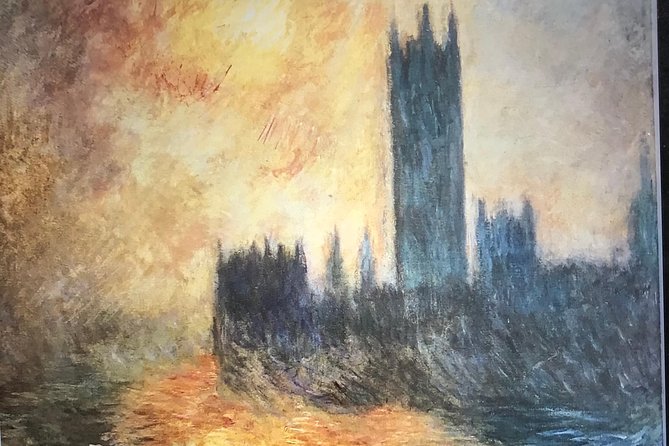
After Victoria Embankment, you go to The Savoy for about 15 minutes. Admission is listed as free here.
This is one of those stops that works for different kinds of travelers. If you’re here for the art, it anchors the Monet story. If you’re here for the personality of travel, it offers the kind of real-world detail that turns a name into a person.
The guide specifically addresses whether Monet did reside in the Monet Suite. Even if you don’t care about the exact answer, the value is the method: you learn how to think about artist travel, comfort, and opportunity. Hotels weren’t just places to sleep; they could be part of how artists stayed close to the scenes and scenes of life that inspired them.
One practical note: because this is short, you shouldn’t expect a long backstory or a lot of museum-style interpretation. The payoff comes from how it links to the final National Gallery stop, where those artists and influences become tangible again.




National Gallery finale: the Impressionist lens in a major museum
Your tour ends at the National Gallery in Trafalgar Square, where the main art viewing time is about 1 hour. Admission is included here, which matters because it’s the only place on the route that really rewards you for time-on-walls.
This finish isn’t only about Monet. You’re told about a lesser-known Animalier who changed London’s cityscape—interesting because it reminds you that cities get shaped by more than big monuments. Then you round it out with paintings that bring the Impressionist story back to life, including other influential artists who fled the war, such as Sisley and Pissarro.
If you’ve been wondering how to translate “Impressionism” into something you can actually see, this is where it clicks. You connect what you heard outdoors—the war context, refuge, viewing points, and artist routines—to what’s actually hanging on the walls. Even if your art comfort level is low, having the tour guide in the room helps you focus on the few things that matter when you look.
Possible tradeoff: a one-hour museum stop is enough to enjoy and learn, but it’s not enough to read every label and see every corner. If you love museum wandering, you might want to plan extra time after the tour so you can return on your own.
Why this route makes Monet and London click
A lot of art tours fail when they become a list of facts. This one tends to succeed because it uses London like a map of ideas. You’re learning Impressionist and Romantic context through movement—cathedral-adjacent viewpoints, river views, and museum sightlines.
The Thames Path approach is especially effective. You’re basically training your eyes to look at sightlines and lighting like an artist would, and it also gives you a practical reason to keep walking. Instead of “here’s another photo spot,” it becomes “here’s why that view mattered.”
The tour also balances French Impressionist story with Turner’s drama. That’s useful because it broadens what Impressionism can mean in London. You see how different artistic moods—from fire-and-event painting to light-and-mood rendering—can share the same city stage.
And the Franco-Prussian War thread does real work. It explains why these artists show up in London-related narratives at all, turning Impressionism into a human story of leaving, adapting, and finding new surroundings.
Price and value: what $929.40 buys you in a short window
At $929.40 per person, this isn’t a budget stroll. But it’s also not priced like a multi-day trip. The value calculation here is about access and attention.
You’re paying for:
- A private guide (so you get your questions answered without waiting)
- A professional artist-led storytelling approach
- An efficient route that links multiple named stops and a museum visit in about three hours
Where the price may feel less steep is if you compare it to the total “time cost” of trying to replicate this route yourself. If you’ve ever tried to craft a Monet and Turner self-guided day and then ended up confused about connections, this tour solves that. It gives you the narrative threads so your sightseeing stops feel connected.
Where it might feel expensive is if you’re the kind of traveler who prefers to wander solo, read at your own pace, and only visit museums on a whim. For those folks, a self-guided route can cost much less. But if you like clear structure and art explanation while you stand at the landmark, this tour is closer to “you’re buying a lens,” not just transportation.
Logistics that matter: timing, walking, and tickets
The day runs about 3 hours, with multiple short stops (mostly around 15 minutes) plus a longer 1-hour National Gallery segment.
That stop structure is great for keeping energy up, but it also means:
- You won’t linger everywhere.
- You should come ready to learn fast and look carefully fast.
On tickets: St. Paul’s Cathedral admission is not included, while Westminster Bridge, Victoria Embankment, and the National Gallery are listed as admission included. The Savoy stop is free. This matters when you’re budgeting, because one missing admission can change what you spend for the day.
The tour uses a mobile ticket, runs in English, and is a private activity with only your group participating. Service animals are allowed, and the tour notes a moderate physical fitness level and that you’re near public transportation. That combination usually works well for people who can walk a few blocks and stand for short periods at viewpoints.
Who this tour suits best
This experience fits you if you want:
- A Monet plus Turner storyline in one day
- A guide who can talk art and also keep the wider London context flowing
- A short, focused route that still lands in a major museum
It’s also a solid choice if you’re not a hardcore art person. The guide’s job here is to make the paintings understandable by tying them to real scenes and real events, like the fire at the Houses of Parliament and the war-driven movement of artists.
If you’re traveling with family members who like landmarks more than museums, the outdoor stops help. If you’re traveling with someone who loves art museums, the National Gallery hour gives you enough payoff to feel it mattered.
Should you book this Monet and Impressionists private tour?
I’d book it if you want a London day that feels like a guided interpretation of what you’re seeing, not just a sightseeing checklist. The best part is the way it links paintings to place: St. Paul’s and the Thames corridor, the Westminster Bridge viewpoint story, then the Savoy Hotel clue, and finally the National Gallery paintings that make the whole chain feel real.
Skip it if you dislike guided learning, or if you’re mainly seeking long museum time and slow wandering. In three hours, you’ll get focused highlights, not total museum coverage.
If you’re on the fence, here’s my practical take: choose this tour when you want meaning. Choose self-guided routes when you want freedom.
FAQ
How long is the tour?
The tour is approximately 3 hours.
Where does the tour start and end?
It starts at Southbank Centre, London SE1, UK, and ends at the National Gallery, Trafalgar Square, London WC2N 5DN, UK.
Is this a private tour?
Yes. It’s private, so only your group participates.
What language is the tour offered in?
The tour is offered in English.
Are tickets included at every stop?
Not at every stop. St. Paul’s Cathedral admission is not included, while Westminster Bridge, Victoria Embankment, and the National Gallery are listed as admission included. The Savoy stop is free.
What’s the meeting point?
Meet your guide in front of South Bank Centre.
Is there a mobile ticket?
Yes, the tour includes a mobile ticket.
Is this tour suitable for everyone in terms of walking?
It lists a moderate physical fitness level.
Can I get a refund if my plans change?
There is free cancellation up to 24 hours in advance for a full refund.
If you want, tell me your travel dates and whether you’re more interested in Monet, Turner, or the war-and-exile angle, and I’ll suggest how to plan the rest of your day around the National Gallery hour.