REVIEW · LONDON
British Museum London Guided Tour Semi-Private 8ppl Max
Book on Viator →Operated by Babylon Tours London · Bookable on Viator
Eight people. One world of artifacts.
This semi-private British Museum tour is a smart way to see major highlights without getting lost in 6,000 years of history. I like that you move as a small group with a guide, so the museum feels less like a maze and more like a story—think Rosetta Stone, Lewis Chessmen, and even the Mummy of Katebet.
What I love most is the focus. You get a carefully chosen set of museum standouts in about 2.5 hours, including crowd magnets like the Rosetta Stone and the Parthenon-related pieces, plus powerful stuff such as Assyrian lion-hunt reliefs. Second, I love how guides bring context to what you’re seeing—people mentioned guides like Ivo, Jake, and Darcy for making big objects feel human, not just impressive.
The main drawback to know up front: this tour isn’t a fit if you have walking disabilities or use a wheelchair, and you’ll need to handle museum security rules and stairs/walking at a moderate pace.
In This Review
- Key Things to Know Before You Go
- A Small Group Turns the British Museum Into a Story
- Where You Meet and How You Start Smoothly
- Stop 1 at the British Museum: the Highlights That Actually Work in 2.5 Hours
- The Opening Beat: Trade Up to the Big Names
- Rosetta Stone: More Than a Famous Rock
- Lewis Chessmen: Ancient Objects With Everyday Energy
- Mummy of Katebet: The Human Side of Ancient Egypt
- Assyrian Lion-Hunt Reliefs: Where History Feels Loud
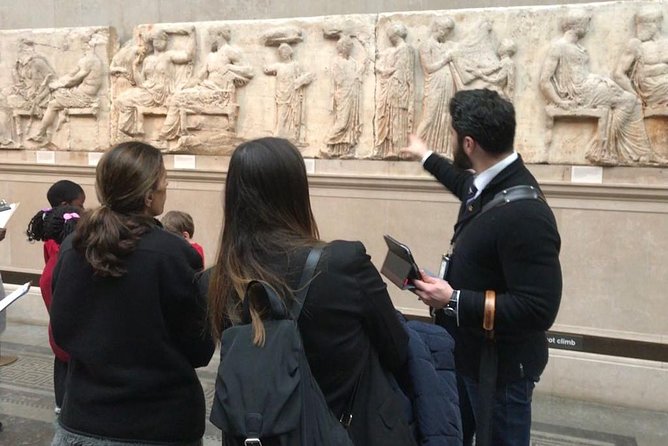
- Parthenon-Related Pieces: Beauty With a Backstory
- Other Stops in the Mix: Armor, Empires, and Connections
- Why the Pro Guide Matters (Even If You Love Museums)
- How Much Walking, and What to Wear
- Timing: How to Fit It Into a Packed London Day
- Price and Value: Is $108.44 Worth It?
- Who This Tour Suits Best
- Practical Tips to Make It Better
- Should You Book This British Museum Semi-Private Tour?
- FAQ
- How long is the British Museum semi-private tour?
- How many people are in the group?
- Where does the tour start and end?
- Is museum admission included?
- What language is the tour offered in?
- What should I know about bags and security?
- Is the tour suitable for wheelchairs or walking disabilities?
- What is the cancellation policy?
- Does the tour require a minimum number of people?
Key Things to Know Before You Go
- Max 8 people keeps the tour moving and easier to hear.
- 2.5 hours is long enough for real highlights, short enough to fit a tight London schedule.
- Pro guide context turns famous objects into understandable history (not just labels).
- Rosetta Stone and Lewis Chessmen get real attention, including why they matter.
- Assyrian lion-hunt reliefs deliver drama you won’t get from a quick walkthrough.
- Bring only small bags for museum security, or plan on repacking.
A Small Group Turns the British Museum Into a Story
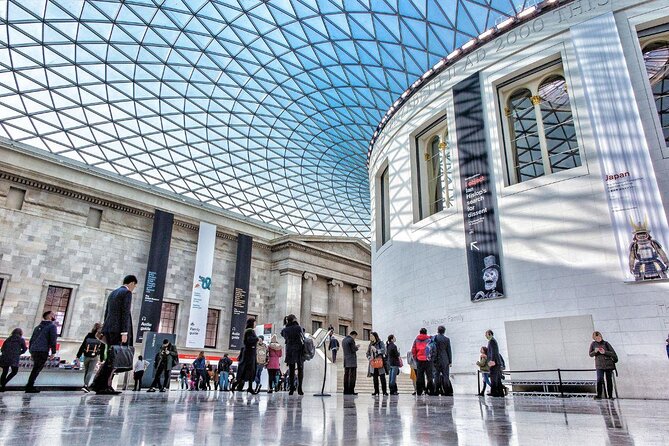
The British Museum can swallow a whole day fast. It’s free, huge, and full of masterpieces. This tour helps you aim—so you’re not spending half your time figuring out where you are.
With a semi-private format capped at 8 people maximum, you’ll usually get a smoother path through busy galleries. That matters because the museum is often packed, especially around popular highlights. Guides also have a practical way of steering you so you don’t end up stuck staring at the same crowd forever.
You can also read our reviews of more guided tours in London



Where You Meet and How You Start Smoothly
You’ll meet at the British Museum on Great Russell St, WC1B 3DG, right at the museum itself. You also get to pick from different start times when booking, which is useful when you’re juggling a day of Westminster, Covent Garden, or wherever your London plan lands.
Bring a working mobile phone number (with country code) when you book, since the operator requires it. And expect a straightforward beginning: you’ll get a brief setup about how the museum’s collection connects across time—then you’ll head into the galleries with your guide.
Stop 1 at the British Museum: the Highlights That Actually Work in 2.5 Hours
This tour is basically one main stop—inside the British Museum—but it’s designed like a route with a point. Your guide takes you through a selection of ancient and medieval objects chosen for importance and visual impact.
Along the way, you’ll hear context that makes the collection feel bigger than a list of artifacts. The museum holds an estimated eight million items spanning around 6,000 years of human history, and the guide’s job is to help you notice patterns—trade, belief, empire, craft, and power—without burying you in details.
The Opening Beat: Trade Up to the Big Names
You’ll kick things off with the “how did humans get here?” feeling the museum is so good at. You start by swapping paintings-for-past eras, then you move into artifacts that represent major civilizations and turning points.
It helps that your guide treats the museum seriously but keeps the vibe accessible. Expect talk that links objects to real life: who made them, what they were for, and what they meant to the people who lived with them. It’s the difference between seeing a thing and understanding why it’s still here.
Rosetta Stone: More Than a Famous Rock
If the Rosetta Stone is the reason you’re here, good—you’ll get more than a quick look. Your guide walks you through what makes it important and why it became the key that helped unlock meaning from older scripts.
You’ll hear it described as the actual rock itself, not anything related to a language-learning product. That detail sounds small, but it keeps the story grounded. And since the Rosetta Stone is one of the most visited objects in the museum, having a guide helps you focus on the significance rather than getting swept away by the crowd.
You can also read our reviews of more private tours in London






Lewis Chessmen: Ancient Objects With Everyday Energy
You’ll also spend time with the Lewis Chessmen, the famous 12th-century chess pieces. Here’s what I like about including them on a short tour: they’re not only about power or empire. They also show how people played games, socialized, and built culture around something as human as strategy.
Your guide’s explanations turn these into more than “cool medieval chess.” You start to see them as evidence of craftsmanship, trade connections, and the way art can travel farther than people do.
Mummy of Katebet: The Human Side of Ancient Egypt
The Mummy of Katebet is one of those objects that changes your whole mental tone inside the museum. You go from bronze-age craftsmanship and carved reliefs to a direct reminder of mortality, ritual, and family identity.
On a self-guided visit, it’s easy to pass by mummies like they’re just another exhibit. With a guide, you get context about why this was done and how people understood the body after death. That’s the moment when the museum’s scale stops being abstract.
Assyrian Lion-Hunt Reliefs: Where History Feels Loud
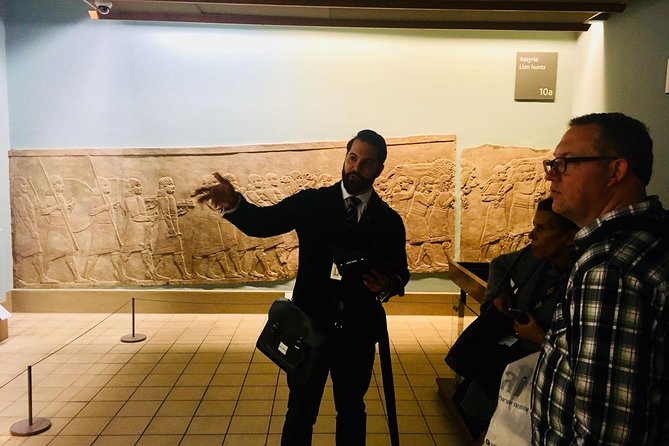
Then comes a set of highlights that hits hard visually: the Assyrian lion-hunt reliefs. These scenes are dramatic by design, with motion, detail, and an almost performative sense of control.
What a good guide does here is explain the purpose behind the imagery—what it’s trying to communicate about rulers, authority, and the relationship between violence and order. If you’ve ever wondered why ancient art can feel like propaganda, this is where you start seeing the machinery behind it.
Parthenon-Related Pieces: Beauty With a Backstory
You may also see Parthenon statues during the tour route. For many people, these are the “I’ve seen it in books” moments, but the guide context helps you go past recognition.
You’re not just looking for the prettiest figures. You’re learning how cultural pride, religion, and politics shaped what got carved—and why those choices still matter.
Other Stops in the Mix: Armor, Empires, and Connections
The British Museum collection isn’t only classical Europe and Egypt. Your guide weaves in additional highlights that represent other places and eras—something like samurai armor shows up in the wider story of the museum’s global scope.
In practice, this matters because it keeps the tour from feeling like one civilization’s greatest hits. You start to see the museum as a map of human exchange: materials, beliefs, and skills moving across time.
Why the Pro Guide Matters (Even If You Love Museums)
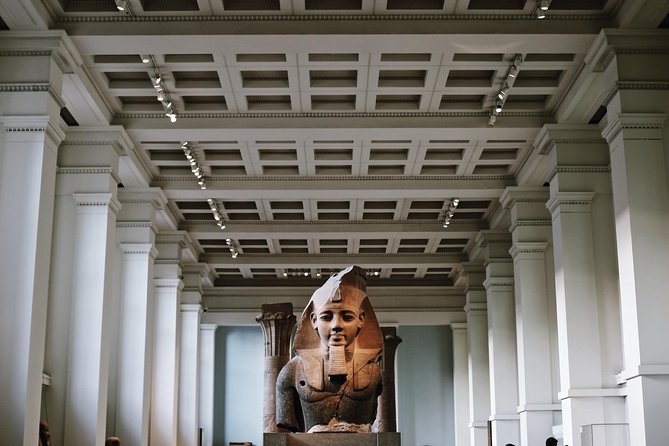
You can absolutely do the British Museum on your own. But a guided route pays off when you’re short on time or you want more meaning per minute.
In this tour’s format, guides are praised for a few consistent skills:
- making objects easier to connect to real events and everyday life
- helping you navigate quickly through crowded areas
- answering questions without dodging tough topics
Different guides have different personalities. Names that come up often include Ivo, Jeremy, Jake, Andy, James, Eleisha, Stephanie, Lawrence, Darcy, and Matilda. The common thread is that the tour doesn’t feel like a lecture—it feels like a guided path through the museum’s best arguments for why art and artifacts matter.
How Much Walking, and What to Wear
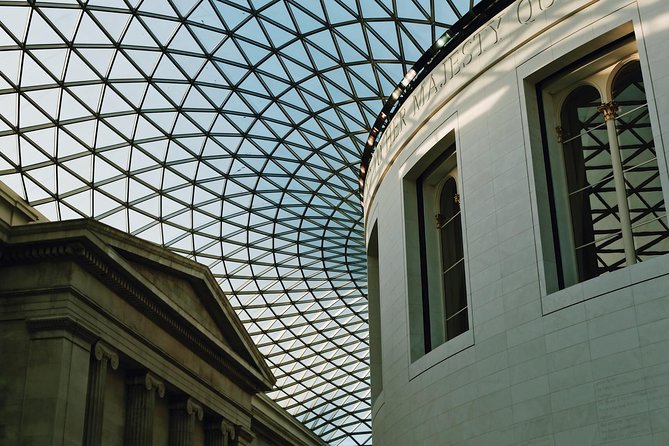
This experience calls for moderate physical fitness. You’re moving through galleries and dealing with museum crowds, so comfortable shoes help. Plan for some standing and walking, and bring layers—London buildings can swing from chilly entryways to warmer rooms fast.
Also, heed museum security rules: no large bags or suitcases inside. The guidance is to bring only handbags or small, thin bag packs through security. If you show up with a big daypack, you might end up spending time figuring out storage instead of enjoying the tour.
A small practical tip from experience: bring an umbrella. London weather is not the boss of you, but it will try.
Timing: How to Fit It Into a Packed London Day
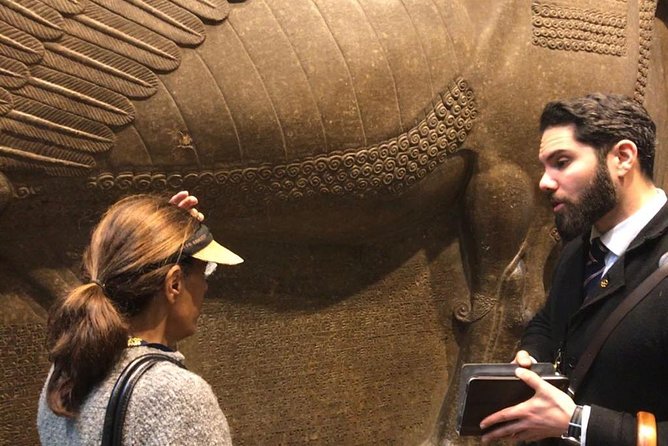
The tour runs about 2 hours 30 minutes. That’s a sweet spot. You get enough time to see several major objects and still keep your afternoon open for other neighborhoods.
Because your start time is selectable, I’d plan it early in the day if you’re also doing other top sights later. If you have to place it mid-day, choose a time when you’re not sprinting to a dinner reservation right after—crowds can make even a well-planned museum visit take longer than expected.
Price and Value: Is $108.44 Worth It?
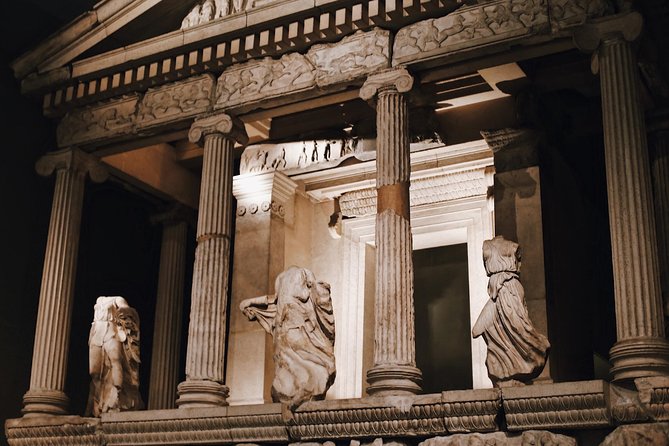
At $108.44 per person, you’re paying for three things: a professional guide, a semi-private small-group size, and a high-efficiency route through one of Europe’s biggest museums.
For value, think in terms of cost per hour and cost per stress saved. In a museum this size, the biggest expense is often time—not money. A guided route helps you avoid wandering until you find the famous pieces by sheer luck.
Also, since museum admission is free for this experience, you’re not stacking the cost of entry on top of the tour fee. You’re paying mainly for interpretation, selection, and navigation—exactly where a guide earns their keep.
Who This Tour Suits Best
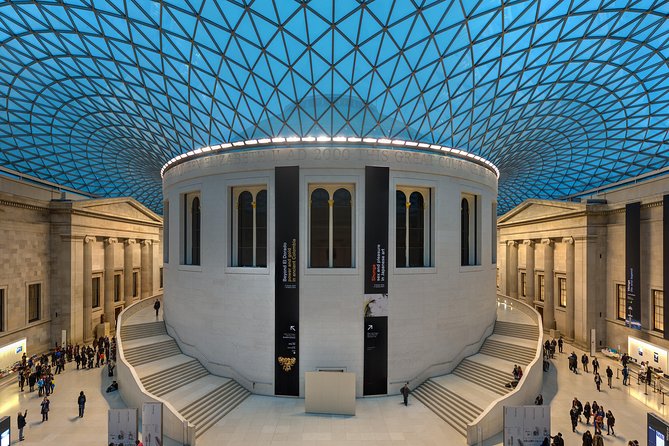
This is a great fit if you:
- want a high-impact British Museum visit without planning every gallery
- appreciate historical context tied to real objects
- travel with a small group or want the calm of max 8 people
It’s likely not the best choice if you use a wheelchair or have walking disabilities, since the tour notes it’s not available for those cases.
If you enjoy museums but find yourself overwhelmed by size, this route style is made for you. You still get the museum’s “wow,” but with less aimless wandering.
Practical Tips to Make It Better
A few things that will make your visit smoother:
- Wear comfortable shoes. You’ll be on your feet more than you expect.
- Keep your bag small to match security rules.
- Bring reading glasses if you rely on them for text.
- If you’re curious about other related exhibits afterward, the guide’s route will give you a sense of what to look for next.
- Don’t skip the gift shop if that’s your thing. It’s a classic stop on museum days for a reason.
Should You Book This British Museum Semi-Private Tour?
Yes—if you want a fast, guided hit of the British Museum’s strongest objects and you’d rather spend your time learning than wandering. The max 8-person setup is the real selling point here. It keeps the tour listenable, reduces crowd chaos, and helps you actually connect with what you’re seeing.
I’d skip it only if you want to linger slowly in rooms on your own or you need an access setup not supported by this tour format. Otherwise, this is a solid way to see the museum’s biggest ideas in one focused session—especially if you’re on a tight schedule in London.
FAQ
How long is the British Museum semi-private tour?
The tour is about 2 hours 30 minutes.
How many people are in the group?
This is a semi-private tour with a maximum of 8 travelers total.
Where does the tour start and end?
You meet at the British Museum on Great Russell St, London WC1B 3DG, and the tour ends back at the meeting point.
Is museum admission included?
The information provided lists admission ticket as free.
What language is the tour offered in?
The tour is offered in English.
What should I know about bags and security?
Large bags or suitcases are not allowed inside the museum. Only handbags or small thin bag packs are allowed through security.
Is the tour suitable for wheelchairs or walking disabilities?
The tour is not available for those with walking disabilities or using a wheelchair.
What is the cancellation policy?
Free cancellation is available up to 24 hours in advance for a full refund. If you cancel less than 24 hours before the start time, the amount you paid will not be refunded.
Does the tour require a minimum number of people?
Yes. The tour will not run without a minimum of 2 guests. If it doesn’t meet the requirement, you’ll be offered an alternative date/experience or a full refund.