REVIEW · LONDON
SEA LIFE London Aquarium Admission Ticket
Book on Viator →Operated by SEA LIFE London Aquarium · Bookable on Viator
Your feet hover over sharks.
That is the hook at SEA LIFE London Aquarium, and prebooking helps you glide into the 3-story building on your chosen time. You’ll follow a themed route packed with 500+ sea animals, including the Shark Walk with 10 shark species swimming just under a suspended glass platform.
I also like the built-in pace, especially the live feedings and talks that add energy beyond just looking at tanks. One thing to plan for: the layout can feel tight on busy days, and the interior can run warm, so it helps to know where you want to go first.
In This Review
- Key Things to Know Before You Go
- SEA LIFE London Aquarium Tickets: The Fast Version of What You’re Buying
- Getting Oriented: Submarine-Style Elevator, Glass Tunnel, and Easy First Wins
- Atlantic Ocean Exhibits and Live Feedings: Where the Route Changes Pace
- Pacific Zone and the Shark Walk: The Moment You Came For
- Shark Reef Encounter: Big Sharks, Close Views, and That Dark Aquarium Mood
- Rainforest Adventure: Crocodiles and Creepy Crawlies, Not Just Sea Life
- The Penguins Question: Gentoo Penguins May Be Temporarily Elsewhere
- How the Experience Feels in Real Life: Crowds, Heat, and Practical Comfort
- Location Advantage: Easy Trip Planning Near Central London
- Value for Money: Is $38.48 Good for What You See?
- Best Fit: Who Will Enjoy This Most (and Who Might Not)
- Should You Book? My Practical Verdict
- FAQ
- How long does the SEA LIFE London Aquarium visit take?
- What’s included with the ticket price?
- Do I get a mobile ticket?
- Is there a minimum age requirement?
- Can I change the lead passenger name after booking?
- Is free cancellation available?
- Final Call: Book It If Sharks and Family Fun Are Your Priorities
Key Things to Know Before You Go
- Shark Walk is the signature moment: suspended glass lets you watch 10 shark species move inches below.
- Shark Reef Encounter is the other big shark stop: you may see species like Sand Tiger, Bow Mouth, and Black Tip Reef sharks.
- You’re touring 14 themed zones across 3 floors: it’s designed for an easy route instead of hunting room by room.
- Expect live feedings and talks: they help break up the visit and give you a reason to pause.
- Rainforest Adventure is not just fish: expect a mix of scary-crawlies like spiders, arachnids, and more.
- Plan around temporary penguin changes: the Gentoo penguins may be off-site during short refurbishment.
SEA LIFE London Aquarium Tickets: The Fast Version of What You’re Buying
You’re not buying a guided tour with a lot of moving parts. You’re buying admission to a high-traffic, multi-level aquarium with a timed entry flow. That matters, because the best way to enjoy it is to treat it like a self-paced route with a few “must-see” anchor stops.
The price is $38.48 per person, and the visit is listed as about 2 hours. In London, that’s not cheap, but what you get for that money is a lot of animal viewing time plus repeated “moments” where something happens—like feeding times, talks, and interactive viewing platforms. If you time your visit well and focus on a couple of big exhibits, the value feels more solid.
This is also a good bet for families. The experience is set up across multiple floors and themed areas, so kids don’t have to stare at one tank for the whole visit.
You can also read our reviews of more tours and experiences in London



Getting Oriented: Submarine-Style Elevator, Glass Tunnel, and Easy First Wins
Your visit starts with a dramatic switch from the street to the underwater world. You go down via a submarine-style elevator to the depths of the Atlantic Ocean, then you walk through a tropical glass tunnel underneath the waterline.
This is where you get your bearings fast. Even if you don’t plan anything, you’ll still hit the feel of the place: lots of glass, lots of themed displays, and a gradual build toward the larger, darker zones later.
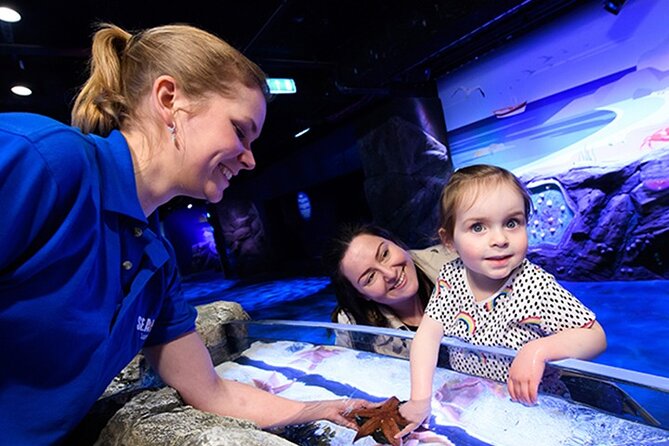
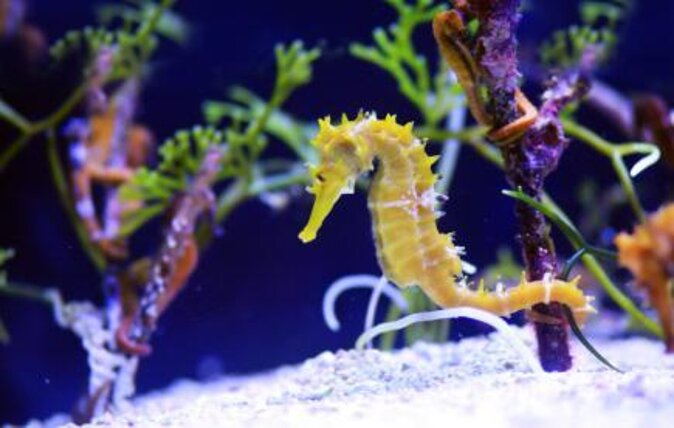
Along the way, you can expect interactive touches like optional touch pools and discovery zones (some are aimed at younger visitors). You’ll also see a mix of classic aquarium favorites, including green turtles, seahorses, octopus, zebra sharks, and clown fish.
If you’re visiting with kids, this first section is useful because it creates early wins. It also helps you figure out your energy level for the rest of the route.
Atlantic Ocean Exhibits and Live Feedings: Where the Route Changes Pace

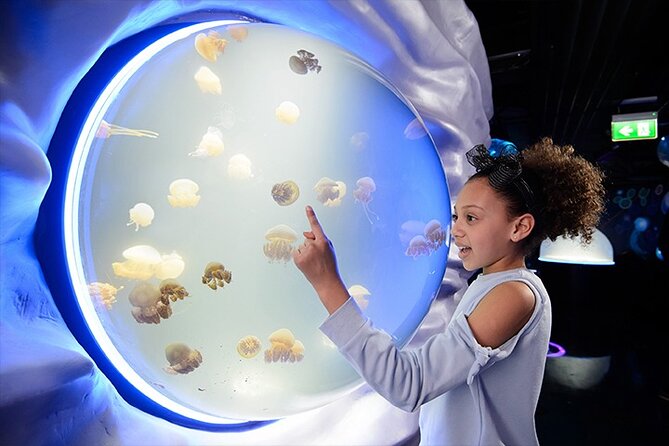
After the early tunnel time, the aquarium shifts into more of a “habitat tour” mode. One of the highlighted stops is the Atlantic Ocean exhibit, where you can look for sand eels, octopus, and jellyfish.
This is also a good point to reset your plan. The aquarium has a full schedule of live feedings and talks throughout the day. That means you can structure your walk around those moments instead of just drifting.
Practically, I’d do two things:
1) Check what feeding or talk is coming up soon once you enter.
2) Use that as your timing anchor, then fill the space in between with the nearby exhibits.
It’s a simple trick, but it turns the visit from passive viewing into a series of events. In reviews, people often mention the experience feeling better when they can catch the shark moments plus the on-the-hour activity.
Pacific Zone and the Shark Walk: The Moment You Came For
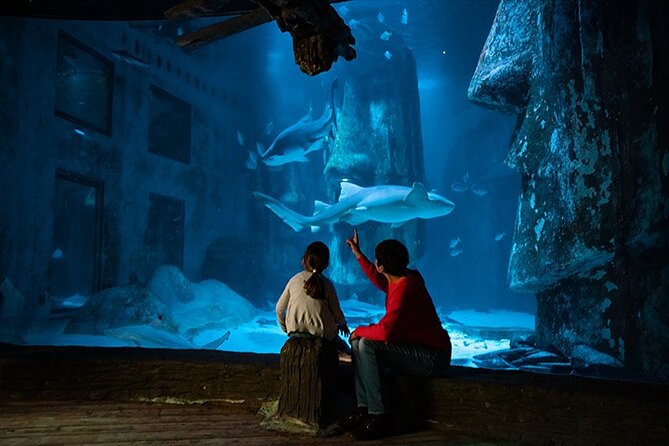
If you only remember one exhibit, make it the Pacific Zone’s Shark Walk. This is the part where you’re literally on a suspended glass platform. Think inches—not meters—above the sharks’ route.
The setup is designed for close-up watching: 10 shark species swim beneath your feet, and the viewing stays dramatic even if you’re not a total shark nerd. It’s also one of the best photo opportunities, because the platform structure gives you a natural framing.
How to get the most from it:
- Don’t just stand and stare. Watch for the rhythm of their movement as you slowly rotate your view.
- If there’s a crowd, shift to one side for 30 seconds, then move after the flow changes. You’ll see different swim angles.
This is also where a lot of families get their “wow” moment. Even the people who don’t usually care about sharks tend to get pulled in here.
Shark Reef Encounter: Big Sharks, Close Views, and That Dark Aquarium Mood

After Shark Walk, the route continues into another fan-favorite: the Shark Reef Encounter. This one is a more traditional immersive viewing situation, but it’s still built to feel intense.
The aquarium highlights species you might spot, including Sand Tiger sharks, Bow Mouths, Black Tips Reef sharks, and Grey Reefs, along with a shoal of less menacing fish.
One reality check: some reviews note that all sharks may not be visible on every visit. That can happen in any animal facility, since timing, feeding schedules, and animal movement change what you see. So I’d treat Shark Reef Encounter as a “high chance” highlight, not a guaranteed checklist item.
Still, this stop is worth your attention because it keeps the shark theme going after the platform moment. Together, they form a strong one-two punch that most people remember long after they leave.
You can also read our reviews of more tours and experiences in London

Rainforest Adventure: Crocodiles and Creepy Crawlies, Not Just Sea Life
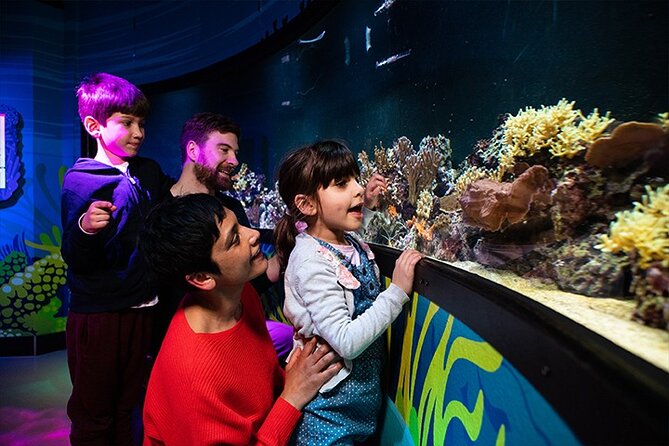
SEA LIFE London Aquarium also leans into a non-ocean vibe with its Rainforest Adventure exhibit. If you think of an aquarium as only fish, this is a good surprise.
You can see species listed as crocodiles, a bird-eating spider, arachnids, cockroaches, and piranhas. The point isn’t to recreate the rainforest exactly—it’s to give you a themed, close-up viewing experience that hits a different mix of animals.
I like this exhibit for two reasons:
- It breaks up the repeated look-and-stare routine.
- It gives kids something different to react to, especially if they’re braver with insects and “creepy” animals than they are with sharks.
If your group includes kids who get overwhelmed, the Rainforest Adventure stop can be a good mid-route reset because it shifts the visual texture and the animal types.
The Penguins Question: Gentoo Penguins May Be Temporarily Elsewhere
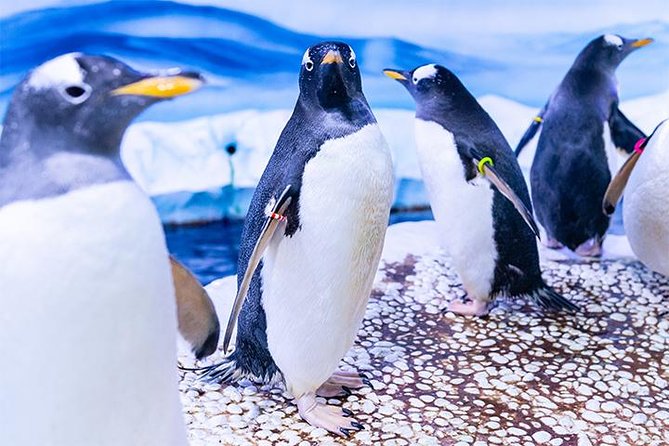
Penguins are a big part of the pull at SEA LIFE London Aquarium, and the Gentoo penguins may be temporarily moved to a different area during short refurbishment work. That includes routine cleaning and a habitat refresh, with a return expected after a few weeks.
So if penguins are your main target, plan a little flexibility:
- Aim to see them early in your route, not at the very end.
- If you don’t see them where you expect, just adjust—temporarily relocated exhibits happen during maintenance cycles.
This kind of note matters because it changes your expectations. It’s much easier to enjoy the rest of the aquarium if you’re not mentally stuck on one missing stop.
How the Experience Feels in Real Life: Crowds, Heat, and Practical Comfort
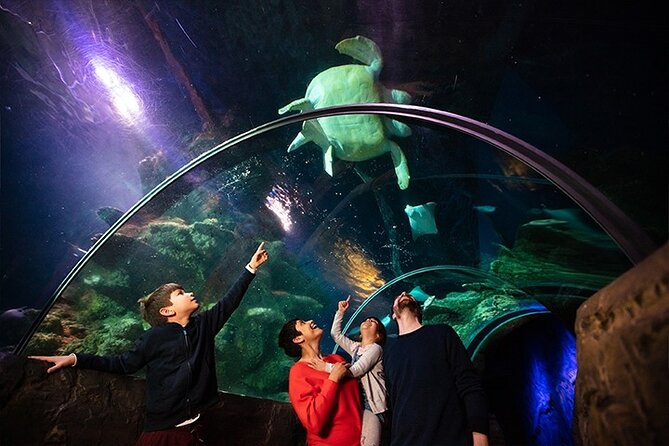
This aquarium can get packed, especially during school holiday periods. Some reviews mention crowded viewing areas, limited signage, and slow movement through parts of the route.
Two comfort issues come up repeatedly in the feedback:
- Warmth: even indoors, it can feel hot, particularly in enclosed corridors.
- Planning friction: you may find less space for bags or coats, and you might have to backtrack if you’re looking for facilities.
So, I’d go in prepared rather than surprised:
- Wear breathable clothes and bring a light layer.
- If your child is the type to melt down when hungry, keep snacks and timing in mind (food and drinks aren’t included with the ticket).
- If you’re aiming to see specific exhibits, pick them before you start walking and don’t let the crowd decide your route.
Also keep in mind that some people report lights being turned off earlier than expected around closing time on certain days. That’s not something you can control, so don’t schedule your visit like it’s a late-night activity. Go with a normal, earlier arrival and you’ll feel more relaxed.
Location Advantage: Easy Trip Planning Near Central London
SEA LIFE London Aquarium is near major landmarks, and it’s easy to pair with other top sights. One review mentions it being next to the London Eye, and that’s the kind of location advantage that can help you make the day feel efficient.
Since your visit is about 2 hours, you can often fit it into a wider itinerary:
- Morning: aquarium
- Midday: lunch
- Afternoon/evening: another big landmark nearby
That flexibility is part of the value. You’re not committing your whole day to one attraction, but you still get a full, multi-zone animal experience.
Value for Money: Is $38.48 Good for What You See?
Let’s be honest: $38.48 per person is a “real purchase,” not a casual impulse buy. The question isn’t just whether it’s worth it on paper. It’s whether the experience matches what you care about.
Here’s when it feels like good value:
- You want a family attraction that’s easy to navigate.
- You care about sharks, especially the Shark Walk and Shark Reef Encounter.
- You’re happy to enjoy live feedings and talks as part of your schedule.
- You want a broad mix of animals in one stop, from turtles and octopus to jellyfish and rainforest-style exhibits.
Here’s when it may feel overpriced:
- If you expect a quiet, spacious museum vibe, crowded conditions can make it exhausting.
- If your group only wants a few exhibits, you might wish you had a shorter visit.
- If you’re hoping for major, always-on shark visibility beyond what’s scheduled, animal behavior can affect what you see.
My practical advice: prebook and aim to arrive with a plan. The ticket is designed for a timed entry flow, and the best experience comes when you don’t wander aimlessly for too long.
Best Fit: Who Will Enjoy This Most (and Who Might Not)
This is best for:
- Families with kids who like hands-on zones and repeated “wow” moments.
- Animal lovers who want lots of species in one location.
- People who specifically want shark viewing experiences in London.
It may not be ideal for:
- Visitors who strongly prefer uncrowded spaces and lots of breathing room.
- Anyone who gets easily bothered by heat in enclosed indoor attractions.
- People who want an intimate, behind-the-scenes animal care experience, since this is primarily an exhibit-focused admission visit.
One more detail to keep in mind: the info notes a maximum of 6 travelers for this activity. That suggests your party could be small depending on how it’s handled at check-in, but you should still expect standard aquarium crowding inside the exhibits.
Should You Book? My Practical Verdict
If you’re excited by sharks, you want a simple family plan, and you’re fine with a busy indoor attraction, booking SEA LIFE London Aquarium tickets is a solid move. The combination of the Shark Walk, the Shark Reef Encounter, plus live feedings and talks gives you real structure, even though the walk is self-paced.
If you’re sensitive to crowds or heat, choose your timing carefully and don’t treat the visit like a leisurely all-day browse. Go with a short list of must-see exhibits, and you’ll feel like you got your money’s worth.
In short: this is a classic London animal attraction where planning beats luck.
FAQ
How long does the SEA LIFE London Aquarium visit take?
The admission ticket is listed as lasting about 2 hours.
What’s included with the ticket price?
The ticket includes standard entry to SEA LIFE London Aquarium.
Do I get a mobile ticket?
Yes, it’s issued as a mobile ticket.
Is there a minimum age requirement?
Yes. Guests under 16 must be accompanied by an adult over 18.
Can I change the lead passenger name after booking?
No. Once the lead passenger name is added, it cannot be changed. Bring ID that matches the lead traveller name in case it’s checked at entry.
Is free cancellation available?
Yes. You can cancel up to 24 hours in advance for a full refund.
Final Call: Book It If Sharks and Family Fun Are Your Priorities
I’d book SEA LIFE London Aquarium tickets if your group wants a straightforward, high-impact London attraction with multiple themed zones and strong shark-focused viewing. Just go in with reasonable expectations about crowds and heat, and you’ll leave with the kind of memories that stick—especially from that suspended glass Shark Walk moment.