REVIEW · LONDON
Handel Hendrix House General Admission
Book on Viator →Operated by Handel & Hendrix in London · Bookable on Viator
Two centuries of music, in one address. Handel Hendrix House General Admission turns 25 Brook Street into a walk-through timeline, from Handel’s music rooms to Jimi Hendrix’s upstairs flat. You show up, grab your mobile ticket, and explore in your own rhythm inside both sides of this story.
I especially liked how physical the visit feels: the 250-year-old staircase, the restored rooms where Handel composed and performed, and the way the house connects to real musical moments in London. I also found the Hendrix level genuinely detailed, helped along by Kathy Etchingham’s consultation on Jimi’s room, plus great interpretive help from the team there.
One thing to consider: the visit is self-paced and timed by opening hours, so if you arrive late (the last admission is 4pm), you may feel a bit rushed—especially if you’re the type who wants to read every label and take in the sound.
In This Review
- Key things to know before you go
- Entering 25 Brook Street: two stars, one neighborhood
- Climbing the wonky 250-year-old stairs to Handel’s world
- Handel’s famous sounds: what you might hear on-site
- The third floor jump: Hendrix’s flat and 1960s London
- When staff makes the visit: helpful, not pushy
- Your 1 to 2 hours plan: how to pace it
- Value check: is $19.98 worth it?
- Practical tips that make your visit smoother
- Who this fits best (and who might skip)
- Should you book Handel Hendrix House General Admission?
- FAQ
- What’s included with Hand el Hendrix House General Admission?
- Where is Handel Hendrix House located?
- How long does the visit take?
- What are the opening hours and last entry?
- Is the tour in English?
- Do I need a printed ticket?
- Is the visit self-guided?
- Are children allowed?
- Are service animals allowed?
- Can I cancel for a refund?
- Is this suitable for most people?
Key things to know before you go
- Self-guided timing: you can spend more time on Handel or Hendrix, depending on what you care about
- A real 250-year-old staircase: part of the experience is just getting up into the rooms
- Handel room details: composed/rehearsed/performed here, including Messiah-themed context
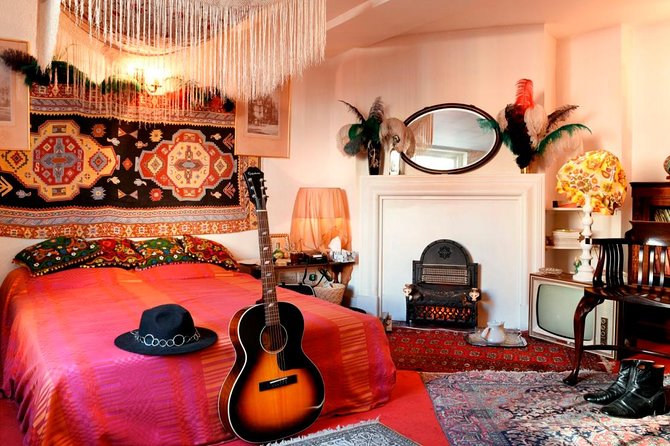
- Hendrix flat on the third floor: recreated to how Jimi had it, with 60s London storytelling
- Musicians might be practicing: sometimes you can catch live rehearsal atmosphere (not guaranteed)
- Not just walls—there are instrument displays: including items tied to Hendrix’s gear and effects
Entering 25 Brook Street: two stars, one neighborhood
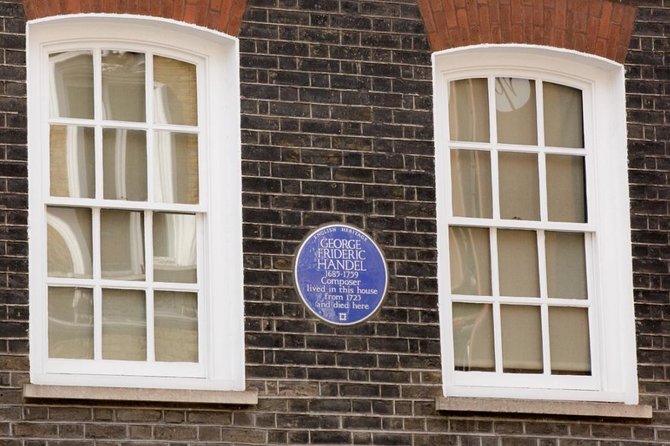
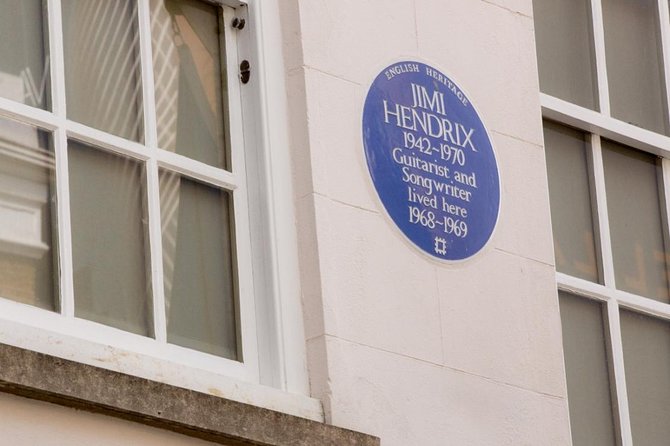
The whole pitch of this visit is simple: you’re in the exact part of central London where George Frideric Handel lived and worked, and right next door—two hundred years later—Jimi Hendrix lived. The setting matters, because it turns music history from a list of names into a real place you can stand in.
Admission is general admission, meaning there’s no set “follow me here” route. Once you’re inside, you decide how long to stay with Handel’s world versus Hendrix’s. That flexibility is a big part of the value, especially in London when you’re juggling multiple stops.
You’ll want to plan your arrival with the opening hours in mind. The museum is open Wednesday–Sunday, 10:00am–5:00pm, and last admission is 4:00pm. If you want time to read and linger, I’d aim to arrive closer to late morning or early afternoon.
You can also read our reviews of more tours and experiences in London.



Climbing the wonky 250-year-old stairs to Handel’s world
Handel’s side is the heart of the building. The key “wow” moment is the staircase: it’s described as 250-year-old and, yes, it feels a bit wonky. That’s not a gimmick. It gives you instant context for what it would have been like to move around inside an old London home.
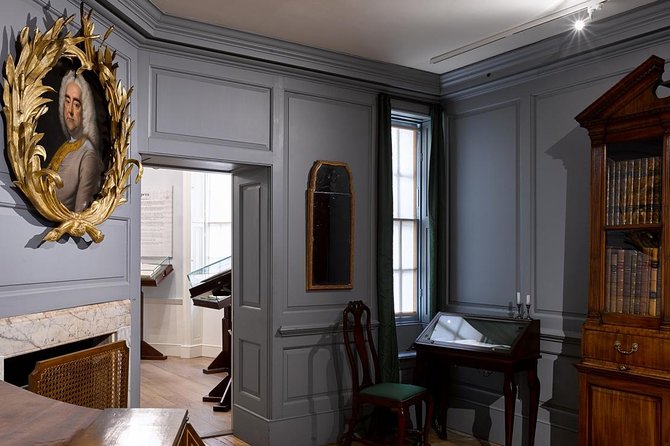
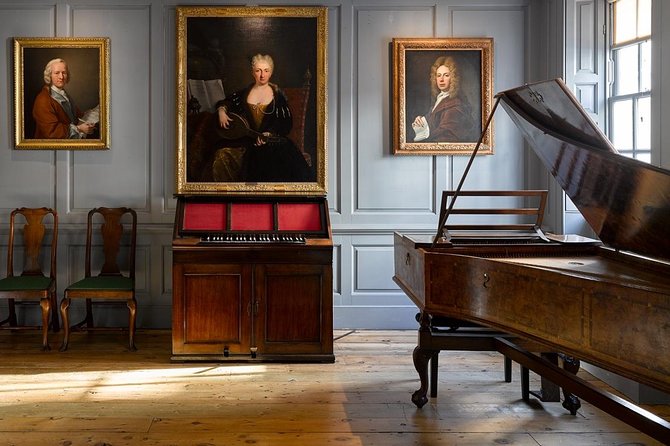
Once you reach the main rooms, you’re moving through spaces connected to Handel’s daily life—composing, rehearsing, and performing. One of the standout details here is the connection to Messiah, which is tied directly to this house. You also get stories that make the house feel lived-in, not like a silent exhibit.
A few specifics you should look out for:
- Restored music rooms where Handel composed and rehearsed
- Views and anecdotes tied to how he felt about opera choices and performances
- Temporary additional exhibitions that can add context beyond the core story
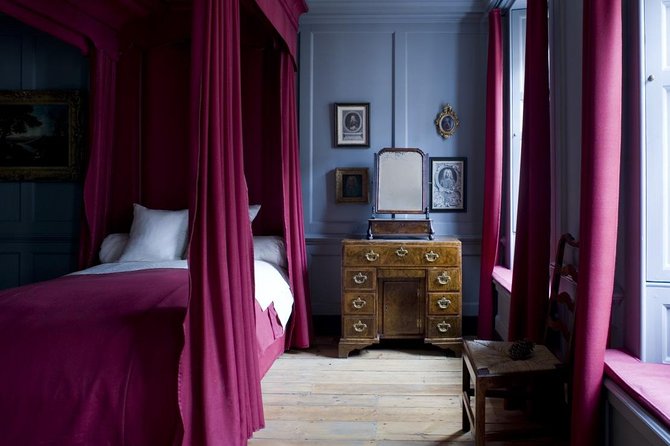
There’s also a dressing room and bedroom area. That’s where you learn about the end of Handel’s life, since it’s described as where he died. If you like music history that doesn’t shy away from the human side—habits, work, and mortality—this section tends to land well.
Handel’s famous sounds: what you might hear on-site
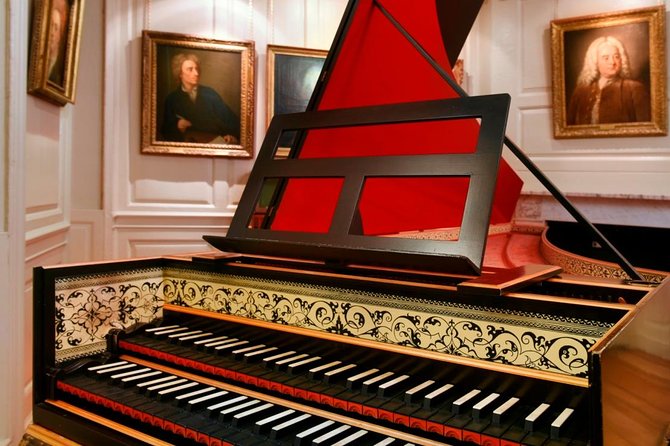
This is one of those places where the “music” part isn’t just printed on the wall. The experience notes that musicians often play harpsichords in the house to add atmosphere. In practice, that can mean you catch brief moments of sound while you’re walking through.
In a museum like this, small live moments can do a lot. When you hear harpsichord and strings in an actual home setting, it’s easier to understand the role of instruments in daily life and performance, not just grand concert halls.
That said, keep expectations flexible. Live playing is mentioned as part of the atmosphere, but it won’t happen on every visit. If you’re a musician, or you’re the friend who always notices acoustics, you’ll still enjoy the rooms even if the sound is quiet during your time slot.
The third floor jump: Hendrix’s flat and 1960s London
Then you turn the page—literally, in a way—by heading up to the third floor for the Hendrix flat. The museum explains that this is the next-door flat where Jimi Hendrix lived in the late 1960s, with the story grounded in the Brook Street area.
What makes this section work is how much it focuses on feeling. You’ll see a main room that’s recreated to how Jimi had it, and you’ll get facts about how he lived and played there. It also places Hendrix in the London context that helped make him famous, so it’s not just a “greatest hits” setup.
One detail that stands out for me as a reader is how the museum connects Hendrix’s own words to the sense of home. The description includes that Hendrix described the flat as the first place he’d ever truly called home. That’s the kind of line that makes the room feel personal, not like a shrine.
The consult component also matters. The Hendrix room is described as having been shaped with Kathy Etchingham consulting on Jimi’s room. That’s not a random name drop—it’s evidence the museum has made an effort to get the lived-in feel right.
And if you’re into music tech, you’ll likely love the instrument displays. The experience includes references to an Epiphone acoustic guitar and Roger Mayer’s Octavia, including explanations tied to Jimi’s use of effects and why those choices mattered. This section is the easiest way to make the Hendrix side feel practical and specific.
When staff makes the visit: helpful, not pushy

Even though this is self-guided, you’re not on your own. The experience includes staff support, and the tone you’ll experience is friendly and information-focused. People talk about staff going out of their way to answer questions, including musicians who show up with background knowledge and want more than basic labels.
That matters because the museum spans two very different eras: baroque performance spaces and a 1960s guitar-and-effects culture. A good staff moment can help you connect those dots faster.
If musicians are practicing nearby (again, not guaranteed), you can also get a very “right here, right now” sense of what the spaces sound like. One review-style account highlights moments like harpsichord, strings, and even a singer warming up—those are the kinds of experiences that make a small museum feel alive.



Your 1 to 2 hours plan: how to pace it
The visit duration is listed at 1 to 2 hours (approx.), which is a wide range for a reason. You can skim, or you can read slowly, especially if you’re music-minded.
Here’s a pacing strategy that works well:
- Start with Handel’s side first if you want the full “house” feel and the staircase moment early
- Spend a longer chunk on whichever era you personally care about most (Messiah and harpsichord atmosphere on one side; the recreated Hendrix room and instrument/effects details on the other)
- Save a final pass for the areas that are more interpretive, like temporary exhibitions and the end-of-life bedroom/dressing room section
Because the last admission is 4pm, it’s also smart to give yourself some buffer. If you arrive at 3:45pm, you’ll still get in—but you’ll probably miss the relaxed pace that makes the house special. If you’re aiming for the full experience, I’d aim for something like early afternoon.
Also: the museum uses English and provides a mobile ticket. That’s handy, especially if you’re traveling light.
Value check: is $19.98 worth it?
At $19.98 per person, this isn’t a bargain ticket, but it also isn’t a “London museum tax” experience that feels overpriced for what you get. The value comes from two things you’d normally pay for separately if you were doing this kind of stop-by-stop plan: Handel’s house storytelling and Hendrix’s nearby flat storytelling.
You’re also paying for a format that’s built for flexibility. You’re not locked into a rigid group schedule, and you can spend time where your curiosity actually is—Messiah connections, the 250-year-old staircase, Hendrix’s recreated room, or the guitar and effects interpretation.
If you’re only mildly interested in either Handel or Hendrix, you might feel the time pinch—because the museum asks you to care about both. But if you’re even moderately into music history, guitar culture, or you like places where sound and rooms connect, this price feels more fair.
Practical tips that make your visit smoother
A few small things can improve your experience right away:
- Dress for staircases. The big physical feature is the 250-year-old staircase, and you’ll spend real time going up and down.
- Give yourself time to sit with the details. The museum’s appeal is in the specific stories, not just the big name labels.
- If you’re a Hendrix fan, don’t race the third-floor Hendrix materials. The instrument/effects references are the easiest way to leave with something concrete.
- If you’re more Handel-focused, prioritize the music rooms and the bedroom/dressing room area—those are the emotional spine of the storyline.
One more note: the gift shop is at the end, and souvenirs are your expense. That’s normal, but I like it as a final step after you’ve seen the spaces, not as a distraction at the start.
Who this fits best (and who might skip)
This experience suits you if:
- you like music history that has a physical setting
- you’re a Hendrix fan who wants more than a playlist—more about place and gear
- you care about Handel beyond the name, especially if Messiah is part of your musical life
- you prefer self-guided visits where you can move at your own speed
You might think twice if you want a high-production, scripted tour with constant narration, or if you dislike stair-heavy historic interiors. The museum is meant for walking and reading, not for “sit and be told everything.”
Should you book Handel Hendrix House General Admission?
I’d book it if you’re going to be in that part of London and you want a focused, music-centered visit that’s actually connected to real addresses. The big selling point is the pairing: Handel’s London on one side, Hendrix’s London on the other, both in the same Brook Street orbit.
Choose it over a generic museum stop if you want something personal and room-based, with a chance—sometimes—to experience live-atmosphere music in the house. At $19.98 with 1–2 hours to explore, it’s a solid value when you match it to your interests in either composer or guitarist.
FAQ
What’s included with Hand el Hendrix House General Admission?
Your ticket includes admission to both the Handel House experience and the next-door Hendrix flat section inside the museum. You can explore at your own pace.
Where is Handel Hendrix House located?
It’s at 25 Brook Street in London, England.
How long does the visit take?
The experience lasts about 1 to 2 hours.
What are the opening hours and last entry?
The museum is open Wednesday–Sunday, 10:00am–5:00pm, with last admission at 4:00pm.
Is the tour in English?
Yes, offered in English.
Do I need a printed ticket?
No. The experience includes a mobile ticket.
Is the visit self-guided?
Yes. You make your own way to the museum and explore inside at your own pace during opening hours.
Are children allowed?
Children must be accompanied by an adult.
Are service animals allowed?
Yes, service animals are allowed.
Can I cancel for a refund?
Yes. You can cancel up to 24 hours in advance for a full refund.
Is this suitable for most people?
The information says most travelers can participate, but it’s a historic indoor experience with stair access, so you should consider comfort with stairs.