REVIEW · LONDON
Handel Hendrix House Ticket
Book on GetYourGuide →Operated by Handel Hendrix House · Bookable on GetYourGuide
Handel and Hendrix share one address in Mayfair. I love how Handel’s rooms make Messiah feel close-up, not museum-distant, and I also love the harpsichord sound that drifts through the house as you move. It’s a visit built for people who like music as a living thing, with details you can actually picture.
I’m especially drawn to the Hendrix side: the recreated Brook Street flat includes the domestic texture of 1960s London and names like Kathy Etchingham that bring the story into focus. The experience also works because it’s a small group, so you’re not lost in a crowd.
One consideration: the museum is compact, and if you’re hunting for lots of original Hendrix artifacts, you may find the Hendrix displays a bit lighter than you hoped.
In This Review
- Key Things That Make This Ticket Worth Your Time
- Handel Hendrix House: Two Music Worlds, One Stroll in Mayfair
- Where Your Visit Starts: Getting Oriented at 25 Brook Street
- Climbing the Grade 1 Stairway and Entering Handel’s Rooms
- Messiah, Cuzzoni, and the Windows That Triggered a Story
- The Harpsichord Adds Atmosphere You Can Feel
- Upstairs: Handel’s Dressing Room, Bedroom, and Later-Life Silence
- The Third Floor Jump to 1960s London
- Hendrix at 23 Brook Street: Records, Kathy Etchingham, and Daily Life
- Recreating Hendrix’s Sound: Amps, Pedals, and the Acoustic Guitar
- How Much Time You Need: The 1–2 Hour Plan vs. a Realistic Pace
- Small Group Size and Guide Style: Why the Visit Feels Personal
- Price and Value: What $19 Buys (and What It Doesn’t)
- Who Should Book This Handel Hendrix House Ticket?
- Should You Book Handel Hendrix House Tickets?
- FAQ
- FAQ
- How long does the Handel Hendrix House ticket last?
- Where is the meeting point?
- What’s the nearest Tube station?
- What does the ticket include?
- Are special events included?
- What group size should I expect?
- Is the venue wheelchair accessible?
- Are luggage or large bags allowed?
- What language are guides and hosts?
- Is there free cancellation?
- Is pay later available?
Key Things That Make This Ticket Worth Your Time
- Messiah-linked rooms inside Handel’s Grade 1 listed home in Mayfair
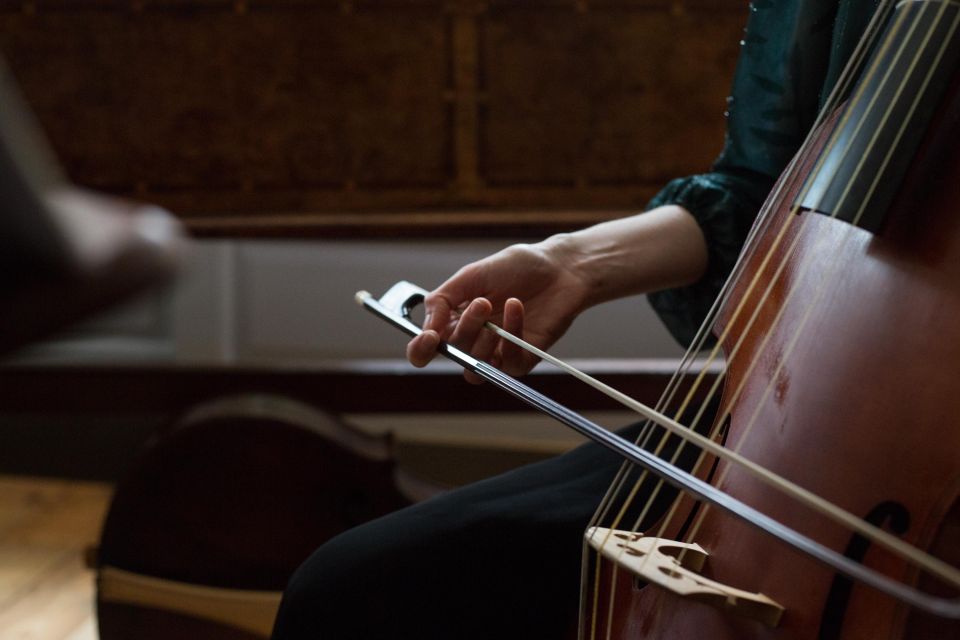
- A daily baroque soundtrack from an antique harpsichord during your visit
- Wonky, 250-year-old stairs that make the building feel instantly real
- 23 Brook Street details recreated with Kathy Etchingham’s help
- Hendrix gear on display, including amps, pedals, and an acoustic guitar
- Q-and-A friendly guides and volunteers in the rooms
Handel Hendrix House: Two Music Worlds, One Stroll in Mayfair
This is the kind of place where the building matters. You’re at 25 Brook Street, in Mayfair, where the museum blends Handel’s court-era rooms and Hendrix’s London home story without asking you to choose one side.
The best part is that the experience doesn’t feel like two unrelated exhibitions stitched together. It feels like a single conversation about how music is made—one composer through rooms and written life in the early 1700s, the other through daily objects, records, and sound gear in the late 1960s.
And yes, the stairs are a bit of a physical reminder that you’re in a very old building. You’ll climb up slowly whether you want to or not, which oddly helps you keep your attention on details.
You can also read our reviews of more tours and experiences in London


Where Your Visit Starts: Getting Oriented at 25 Brook Street
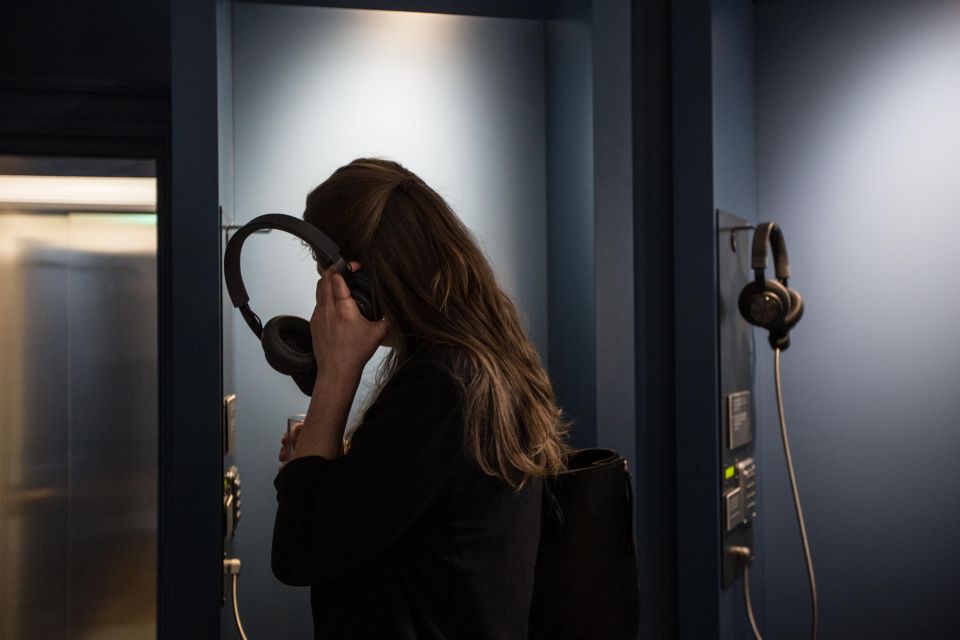
You’ll meet at Handel Hendrix House, 25 Brook Street, Mayfair (W1K 4HB). The nearest Tube stop is Bond Street Station on the Central and Jubilee lines, which makes it easy to plug this into a broader day of London walking.
When you arrive, expect a small-group museum feel. This isn’t a mega attraction where you can float around independently without interacting at all. With limited group size, you’ll usually get a clearer path and more chances to ask questions.
One practical note: no luggage or large bags are allowed. If you’re doing London shopping or rolling in with a suitcase, plan to store bags elsewhere first, then travel light on foot to Brook Street.
Climbing the Grade 1 Stairway and Entering Handel’s Rooms
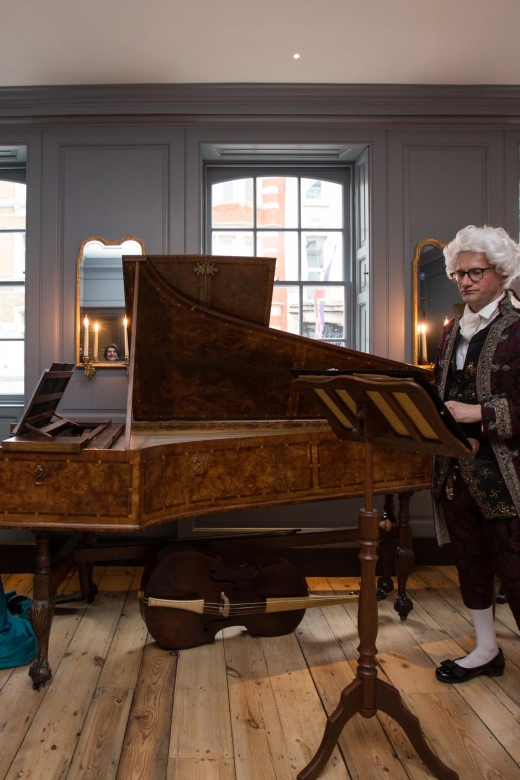
You start with George Handel’s world, and the building helps sell the illusion. The house is Grade 1 listed and sits with about a 250-year-old presence that hits you quickly when you begin moving room to room.
The route involves a wonky stairway—part charm, part gentle warning that the floor isn’t trying to be ergonomic. I’d treat it like a museum with real steps, not a flat gallery. Move carefully, take your time, and let your pace keep you from rushing past the good stuff.
You’ll spend time in Handel’s rooms where he composed, rehearsed, performed, and conversed with leading musical figures of the baroque age. That matters because the museum isn’t only trying to tell you what happened—it’s trying to make the spaces feel like the working environment of a person, not a distant name.
Messiah, Cuzzoni, and the Windows That Triggered a Story
This is one of the most compelling sections because it ties a famous work directly to specific place details. The house is where Handel composed Messiah, and you’ll see the setting associated with a dramatic moment: windows from which he threatened to throw soprano Cuzzoni out of the window after she refused to sing one of his arias.
Even if you don’t know the full backstory, the effect is clear. The museum turns a headline moment into something you can almost stage in your head—who is where, what the windows look like, and why this kind of tension would matter in a working rehearsal and performance space.
It’s also a good reminder that music history is full of personalities, not just perfect outcomes. That’s often what makes small, place-based museums click: they give you people-sized context.
The Harpsichord Adds Atmosphere You Can Feel
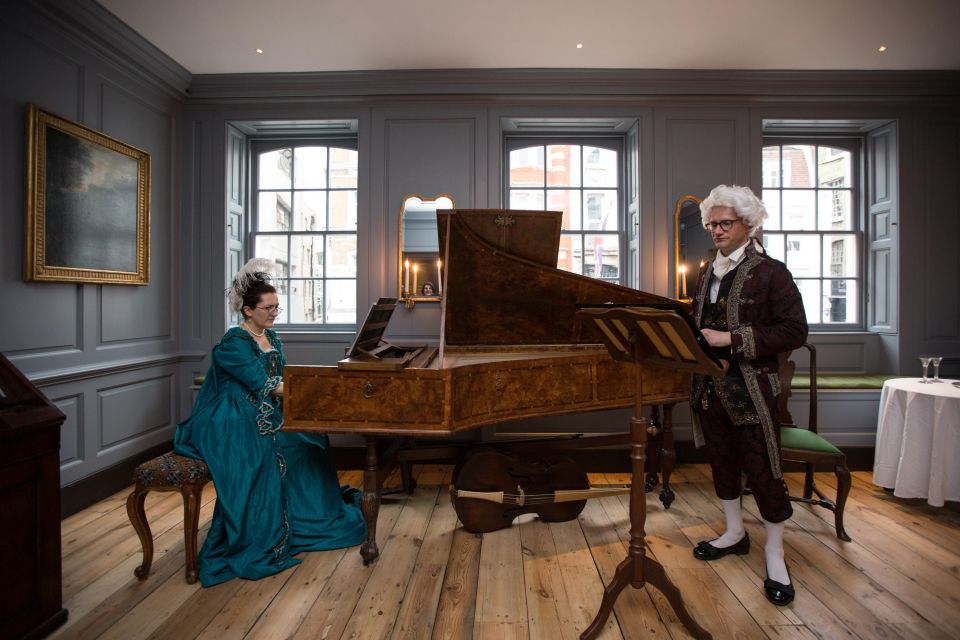
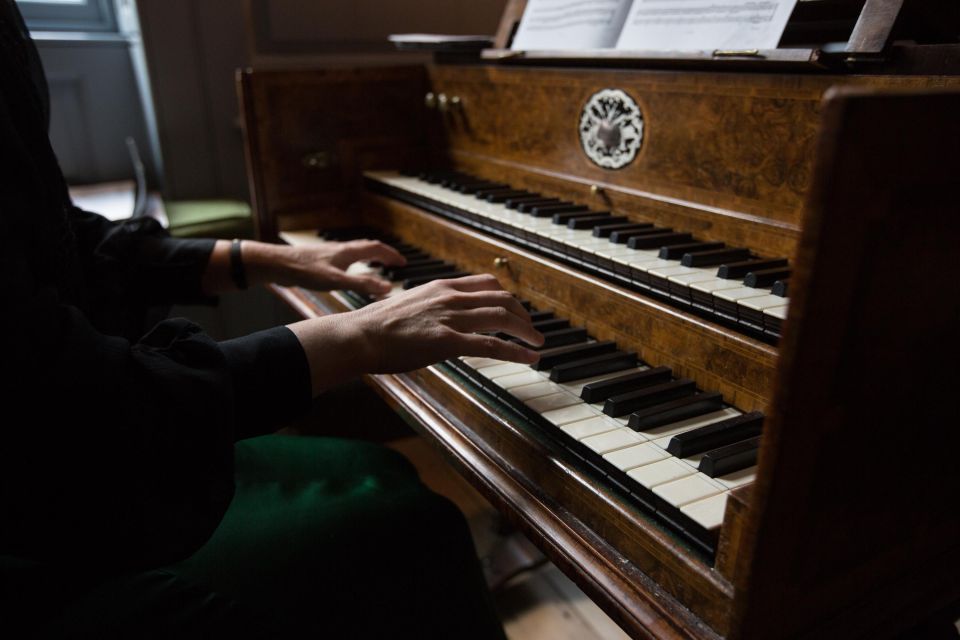
One of the signature pleasures here is the sound. Musicians are often practicing on an antique harpsichord throughout the day, and that baroque texture gives your walk-through a sense of timing.
Why this matters: in many museums, audio is added later, as a separate layer. Here, the sound is woven into the building experience. You’re walking through a place while the music energy is happening in real time, even if it’s quiet and occasional.
If you’re a music lover, this is the kind of detail you can’t fully copy from photos or text. It turns the visit from a read-and-look experience into one that uses your ears too.
If you’re visiting on a day when a short performance is scheduled, you might catch something extra—but don’t count on it as part of the standard ticket experience.





Upstairs: Handel’s Dressing Room, Bedroom, and Later-Life Silence
As you move upward, you’ll see more of Handel’s private and practical spaces. On the second floor, you’ll find his dressing room and the beautiful bedroom where he eventually died of old age after 35 years at the heart of English court life and music.
This section changes the emotional temperature. Downstairs, you’re in working rooms tied to composition and public musical life. Upstairs, the experience feels more personal—like the museum is asking you to picture the man behind the work and imagine what life looked like when rehearsals were done.
It also helps you understand why this house is worth visiting even if you only know Handel by a few major titles. You get to see how a musician’s living and working spaces connect.
The Third Floor Jump to 1960s London
Then the museum pivots, and it does it with purpose. On the third floor, you’re transported to 1960s London and the swinging heyday that embraced Jimi Hendrix.
This shift is more than visual. It’s a change in how stories are told. Handel’s portion is centered on rooms and composition context, while the Hendrix portion uses domestic details, recreated objects, and music-making gear cues to recreate a lived-in feeling.
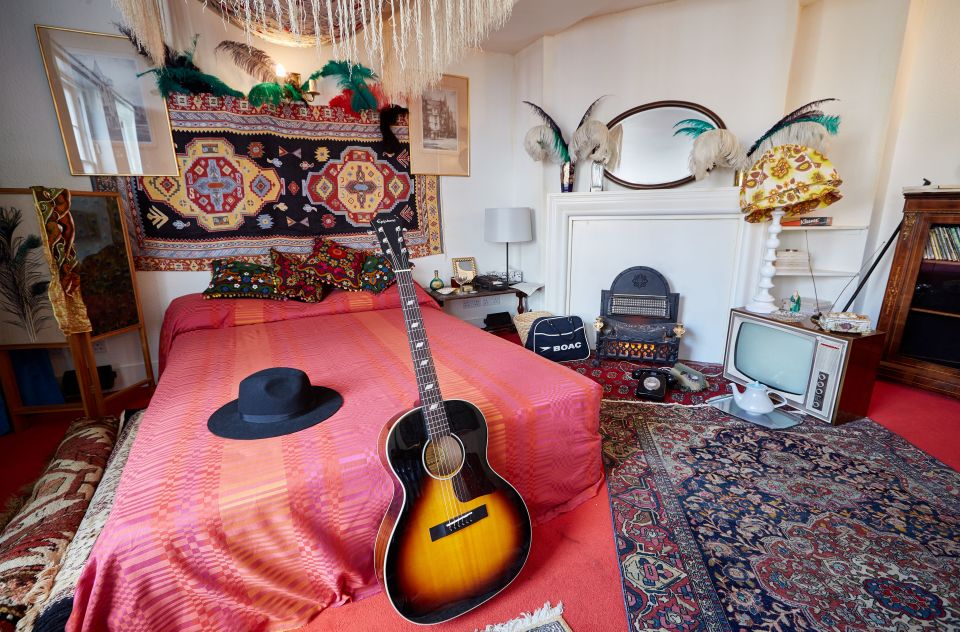
You’ll encounter the flat he lived in with his girlfriend, Kathy, at 23 Brook Street, described as the first place he truly called home. That detail is the emotional bridge that makes the recreation feel more like a biography than an inventory.
Hendrix at 23 Brook Street: Records, Kathy Etchingham, and Daily Life
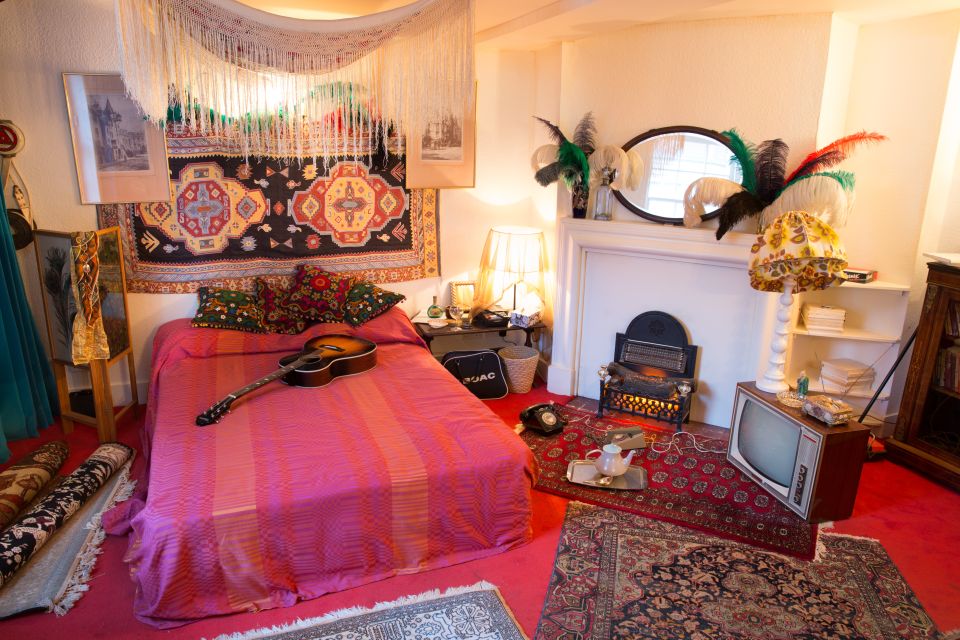
The Hendrix section is where the museum gets especially personal. The Brook Street flat has been recreated from intensive research, with Kathy Etchingham’s help on many tiny details.
I like this approach because it avoids the trap of turning everything into vague rock mythology. Instead, you get the sense of actual daily rhythm—what someone listened to, what objects mattered in the room, and what the home environment felt like.
You can also browse Hendrix’s record collection, where you’ll see what he enjoyed from each album and pick up anecdotes connected to Kathy. That’s a smart museum choice. Records are a bridge for non-guitarists, too; you don’t have to be a gear nerd to feel curious.
One more thing: the museum includes the room made famous in copious film footage and photographs, showing where Hendrix lived, loved, and played in 1969—followed by the tragic death a year later at age 27. The museum doesn’t just reference the legend; it anchors it to a specific space and time.
Recreating Hendrix’s Sound: Amps, Pedals, and the Acoustic Guitar
If you care about how sound gets shaped, this part is a treat. The museum takes you into the world of Hendrix’s practical tools—showing amps and pedals he used to recreate his unique sound, and including an acoustic guitar you can admire as an object of craft, not just a stage prop.
Even if you’re not trying to recreate Hendrix yourself, seeing gear in a museum context helps you understand something important: great sound comes from choices. It’s not only talent and timing; it’s tools and experimentation.
This section also balances well with the Hendrix home details. The flat portion makes you picture life. The gear portion makes you picture sound. Together, it lands as a more complete picture of the person.
How Much Time You Need: The 1–2 Hour Plan vs. a Realistic Pace
The visit is designed for about an hour or two of exploring. For most people, that works if you’re moving steadily and mainly hitting the highlights.
Still, I strongly recommend you plan extra buffer time—especially if you stop to read everything and want to catch the harpsichord when it’s being played. Some visitors recommend leaving 2–3 hours to really appreciate what’s inside, and that advice makes sense for a small venue where you don’t want to feel rushed.
The small group format helps here. You tend to move with the group, and that keeps you from zigzagging randomly. But it also means your attention can get pulled by conversations and guide-led moments. That’s usually a plus.
Small Group Size and Guide Style: Why the Visit Feels Personal
This is limited to 9 participants, which is exactly the kind of scale where a museum visit can turn from passive viewing into actual engagement.
The experience is hosted by an English-speaking host/greeter, and volunteers inside the house often add a lot to what you notice. In a place like this, guides can point out the details you might otherwise miss—like how the room layouts support the story.
I also like that the visit structure makes it realistic to ask questions. When guides are present in the rooms, you’re not saving your curiosity for a distant end-of-tour Q&A. You can ask as something comes up—much more satisfying than waiting.
If you’re visiting during periods when information boards appear reduced, don’t just power through. Ask questions and use the guide for extra snippets.
Price and Value: What $19 Buys (and What It Doesn’t)
At $19 per person, this ticket price feels reasonable because museum entrance fees are included. You’re paying for access to the two linked worlds—the Handel rooms and the Hendrix reconstruction—plus time in a building that’s doing real atmosphere work for you.
What you shouldn’t assume: the ticket does not include entry to events. That means if there’s a special performance scheduled on the day you visit, it may require separate admission.
As a value test, think like this: you’re not just paying for a slideshow of history. You’re paying to stand in a Grade 1 listed home tied to Messiah, and then step into a carefully recreated Hendrix flat with records and sound gear. For music lovers, that’s a solid way to spend a short slice of your London day.
If you prefer large museums with long browsing time, you may find the overall site size smaller than you’re used to. But if you want a focused, place-based music story, the compactness is part of the charm.
Who Should Book This Handel Hendrix House Ticket?
Book this if you like the idea of music history you can walk through. It’s a great match for:
- Handel fans who want the connection between Messiah and actual rooms
- Jimi Hendrix fans who want more than photos, with records and gear cues
- People who like contrasts: baroque court life on one floor, 1960s London home life on another
- Visitors who enjoy guided detail, even in a small museum setting
It’s less of a fit if you’re hunting for a huge, artifact-heavy museum of Hendrix collectibles. The Hendrix portion includes important themes and recreated details, but the space is still limited, and some displays may feel lighter if you expected more original objects.
Should You Book Handel Hendrix House Tickets?
Yes, I’d book it if you want a short London stop with strong atmosphere and clear music focus. The combination of Handel’s rooms, the story-linked windows tied to Cuzzoni, and then the 23 Brook Street Hendrix reconstruction—with Kathy Etchingham’s details and the record collection—creates a visit that feels more like stepping between eras than simply reading labels.
Do it especially if you’re balancing London days and want something you can fit in without committing to half a day. Then give yourself enough time to linger, aim for about 2–3 hours if you can, and plan to keep your phone away just enough to hear that harpsichord when it appears.
FAQ
FAQ
How long does the Handel Hendrix House ticket last?
The ticket is valid for 1 day, and the visit is set up so you can spend about an hour or two exploring the museum.
Where is the meeting point?
The meeting point is Handel Hendrix House, 25 Brook Street, Mayfair, London, W1K 4HB.
What’s the nearest Tube station?
Bond Street Station on the Central and Jubilee lines is the nearest Tube stop.
What does the ticket include?
The ticket includes museum entrance fees.
Are special events included?
No. This ticket does not include entry to events.
What group size should I expect?
The experience is a small group limited to 9 participants.
Is the venue wheelchair accessible?
Yes, it is wheelchair accessible.
Are luggage or large bags allowed?
No. Luggage or large bags are not allowed.
What language are guides and hosts?
The host or greeter and the experience language are English.
Is there free cancellation?
Yes. You can cancel up to 24 hours in advance for a full refund.
Is pay later available?
Yes. You can reserve now and pay later to keep your travel plans flexible.