REVIEW · LONDON
Immersive Treasure Hunt Adventure – City of London’s Secrets
Book on Viator →Operated by CityDays · Bookable on Viator
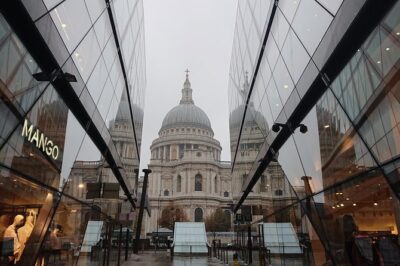
London reveals itself by phone and footsteps. This City of London treasure hunt turns the Square Mile into a playful walking route starting by St Paul’s, with 15 mobile clues guiding you east. It is a fun break from standard sightseeing: you solve, you move, and the city answers back.
I especially like the inclusion of two optional pub breaks built into the trail. I also like how the route strings together Roman, Victorian, and ruin-strewn scenes in a way that feels like a story you are actively following, not a lecture you are passively watching.
One thing to consider: this can be harder than you expect, and if you hit construction detours or you get stuck on clues, it may take longer than the 2–2.5 hour estimate.
In This Review
- Key highlights at a glance
- How the clue-hunt actually works in London
- Starting at St Paul’s Cheapside: getting oriented before the first clue
- Roman London: spotting the Square Mile’s older bones
- The Inn break: why a pub stop belongs in a walking puzzle
- Victorian market to ruins: the route’s mood shift
- Distance, timing, and pacing: how to avoid the slow-clue slowdown
- Price and value: is $41.11 per group a smart deal?
- Who this treasure hunt is best for (and who should skip)
- My practical take: small tips that make the trail more fun
- Should you book City of London’s Secrets?
- FAQ
- How long is the treasure hunt?
- Where does the experience start?
- Does it end somewhere else?
- About how far do I walk?
- How do I receive the clues?
- Which messaging method is available?
- What should I do if I get lost?
- Are hints available?
- Are pub breaks included?
Key highlights at a glance
- 15 clue messages to your phone that lead you step by step
- 4.7 km route with comfort expectations of about 5 km walking
- Two optional pub breaks where you can refuel (food and drinks cost extra)
- Roman Amphitheatre to Victorian market to ruins, all in one trail
- Hints and a Lost message so you are not completely on your own
- Timed progress with a leaderboard if your group likes a friendly race
How the clue-hunt actually works in London
This is a private, self-led adventure for your group, so there is no human guide walking alongside you. Instead, your mobile becomes the “guide.” You will receive a trail of riddles by phone—either through the Telegram app (recommended) or standard text messages (SMS). You solve each clue, find the answer at the next location, and then reply with the correct response to unlock the following step.
That setup changes the feel of the day. You are not just looking at London. You are looking for something, reading details, and making small decisions. If you like interactive travel—even in a light, non-nerdy way—this format clicks.
A few practical notes make or break the experience:
- You need a mobile phone with some data or text message capability. Treat this like a “phone battery + signal” day.
- The experience is in English, and the clues are sent to you in that same language.
- There is help built in. If you are lost, you can message Lost for a detailed route to the next clue. If you think you are at the right spot but cannot find the answer, message hint.
- Your progress can be timed and ranked on a leaderboard. That is not required reading of course, but it is a fun way to keep the team energy up.
In short: you are running a game while walking through real streets.
You can also read our reviews of more city tours in London



Starting at St Paul’s Cheapside: getting oriented before the first clue
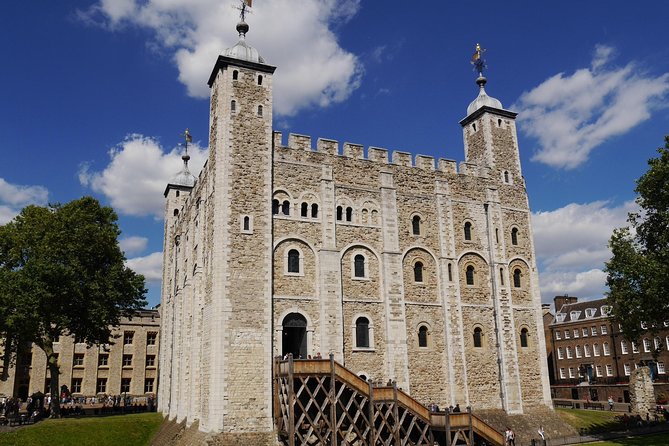
Your trail begins at St. Paul’s Cheapside, London EC2V 6AA, and the activity ends back at the same meeting point. The route focuses on the Square Mile, which traces back to the original Roman settlement of London.
The first stretch matters because it sets the rhythm. You start near a major landmark (so you get your bearings fast), then you work your way east as the clues gradually pull you into smaller, more interesting corners of the city.
Expect normal city walking. The trail is around 4.7 km, and the guidance says you should be comfortable with roughly 5 km. That does not sound huge—until you factor in stopping to read clues, solving puzzles, and checking the correct answer before moving on.
Also, this is built for flexibility. The pace is not locked to a group’s footsteps. You and your group can slow down for a tricky clue, or speed up if you are flying through answers. Just keep in mind that timing and leaderboard ranking can make you feel pressured if your team is the competitive type.
Roman London: spotting the Square Mile’s older bones
The attraction here is not only that the story has Roman roots. It is that you actually walk through areas tied to the city’s earliest layout.
As you progress, you will discover a Roman Amphitheatre before you reach halfway. In a normal tour, you might hear about this in a paragraph. In this format, you are arriving there because a clue told you to. That makes the discovery more memorable, even if you are not a hardcore history person.
There is also a nice mid-trail payoff. The route brings you to a cosy Inn at about the halfway point, with a clue that hints at its construction story. The details are intentionally part of the game—so instead of me spoiling what it is built from, I will tell you this: the stop is designed to feel like a reward and a scene-change. You get a breather, then you keep moving.
This is where the tour’s “treasure hunt” approach shines:
- You slow down enough to look closely.
- You learn because you have to, not because someone forces you to.
- You connect the fact to a place you actually stood in.
That is a big part of why this works better than a typical walk-and-listen.
The Inn break: why a pub stop belongs in a walking puzzle
There are two optional pub breaks during the trail. Alcohol is not included, and food and drinks are not included—those are on you. But the breaks themselves are part of the design.
Why it works:
- It gives you a natural checkpoint to regroup.
- It helps you avoid the common tour problem where everyone gets hungry at the same time and no one can think straight.
- It turns the “game” into something more human. You are not just rushing between clue points.
If you choose not to stop, you can keep going. If you do stop, treat it like a reset button: recharge your phone, check your clue messages, and decide as a team how you want to tackle the remaining riddles.
This is also where your group dynamics come into play. If you have one person who loves reading and solving, let them lead. If your team is the opposite, assign roles. One person scans for clue details while another checks the phone. You will finish faster and stay happier.
And yes, there is a hint of friendly competition if you care about the leaderboard. Even if you ignore it, the time pressure can keep the group from turning into wandering tourists.
Victorian market to ruins: the route’s mood shift
After the halfway point, the trail changes pace and tone.
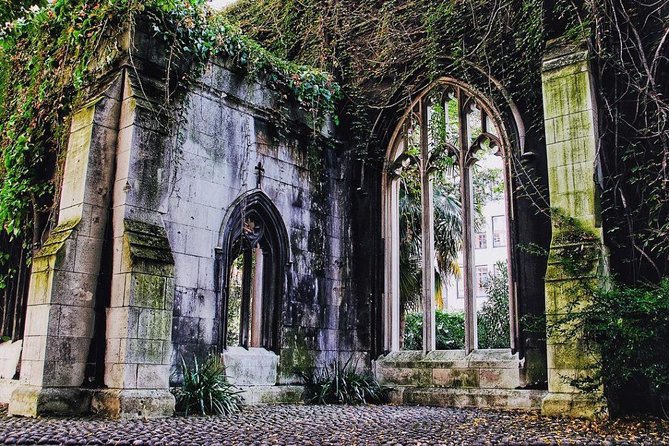
You will scurry onward through a Victorian market, then descend into magical ruins. That word magical is doing work here. The trail is designed so your walking path becomes a story arc: start with Roman London foundations, then shift toward the more modern layers of the city, and then end up somewhere that feels like a leftover pocket of time.
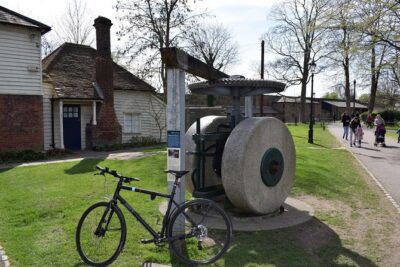
The Victorian market stop is especially useful for readers who worry treasure hunts might feel too repetitive. A market area gives you visual variety. You will be reading clues, yes, but you will also be immersed in a different streetscape than the big landmark start.
Then come the ruins. The trail is clear that you will be heading into ruins before completing the quest. Since the exact ruin site is not specified in the information you provided, I cannot name a specific landmark to expect. What I can say is that the game is designed to get you to that “descending” moment as part of the narrative. You will feel the shift because the route does the work for you, not because you happen to notice something on your own.
And at the end, you uncover another top notch pub and kick back to wrap up.






Distance, timing, and pacing: how to avoid the slow-clue slowdown
The official estimate is about 2 to 2.5 hours for the 4.7 km walk with 15 clues. That sounds straightforward. But clues take time. And London streets can throw curveballs.
One review signal you should take seriously: the hunt can run longer than expected. People have completed it in more than 2.5 hours. Another issue that came up is city construction causing street closures, which can interfere with the route in the real world.
So here is how I would plan your day:
- If you have a tight schedule after, give yourself a buffer. This is not a “fit it between trains” activity.
- Keep your phone ready and charged. Solving is slower when you are also juggling a dying battery.
- If you run into closures or detours, rely on the built-in help. If you end up lost, message Lost for a detailed route to the next clue. If you are in the right neighborhood but missing the answer, message hint.
Pacing tip: do not let one clue turn into a 30-minute standstill. Use hints when you need them. The goal is to enjoy the walk, not punish yourself with stubborn puzzle pride.
Also, the route covers roughly 5 km, and the guidance says you should wear clothing appropriate for weather and time of year. That might sound obvious, but it matters because you are outside moving for most of the experience.
Price and value: is $41.11 per group a smart deal?
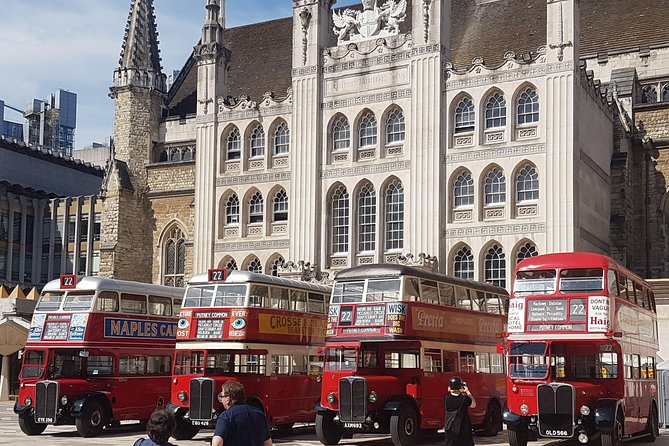
The price is $41.11 per group for up to 2 people. That is a key detail: you are paying for the experience as a private unit, not per person in a big crowd.
How to judge value:
- If you compare this to a traditional guided tour that costs roughly the same per person (or more), the “per group” structure can feel like a bargain—especially if you are traveling with a partner or friend.
- You also get something standard tours often cannot deliver: active problem-solving while you walk. Even when you do not get every clue instantly, the effort is part of the value.
- The two optional pub breaks are included in the trail design, not in the bill. That means they are a benefit even if you do not drink. If you do take a break, you are paying for what you consume, but you are also saving your feet and brain from running on fumes.
The main tradeoff is time and difficulty. If your group does not like puzzles, or if you dislike self-navigation, you might feel like you paid for a chore. But if you do like the idea of walking a specific 4.7 km story route with a phone as your guide, this price point can make a lot of sense.
Who this treasure hunt is best for (and who should skip)
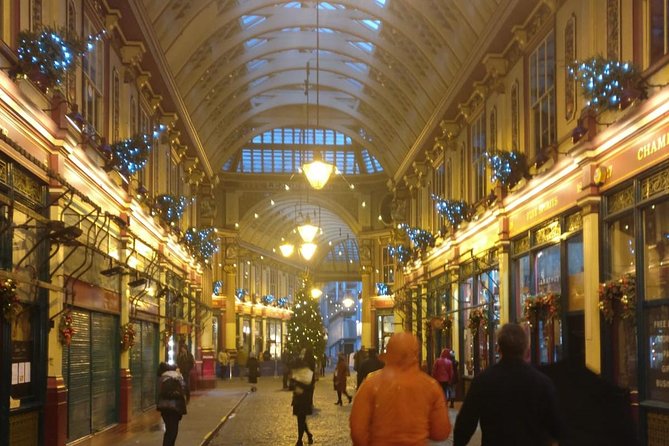
This experience is a good fit for people who want London at a different angle.
I think it works especially well if you:
- Like interactive travel games, even casual ones
- Enjoy walking a moderate distance (around 5 km)
- Want to cover Roman and Victorian areas in one afternoon without booking multiple tours
- Have a friend or partner who enjoys team problem-solving
It might be less satisfying if you:
- Want a classic guided narrative with zero effort
- Prefer ultra-easy sightseeing and would get frustrated by clues
- Have limited patience for a route that depends on your phone receiving messages
- Are strongly time-constrained (because it can take longer than 2.5 hours)
On the plus side, the trail is described as comfortable for most people, service animals are allowed, and it is near public transportation—so you can usually plan around it without turning your day into a logistics puzzle.
My practical take: small tips that make the trail more fun
Here are the small things that can turn this from just okay into genuinely memorable:
- Choose Telegram if you can. It is listed as recommended. If your group is already using it, it can reduce friction.
- Bring a charged phone. The experience requires a mobile phone with data or text message capability. Even if the city has signals, you do not want to gamble on battery.
- Start with the right mindset. This is not a “race the clock” activity unless your group wants that. Even if there is a leaderboard, the real win is the walk and the discoveries.
- Use hints early if needed. If you are confident you are at the right location but the answer is elusive, message hint. The trail is designed to keep you moving.
- If you get lost, message Lost. The instructions say you can get a detailed route to the next clue. That is exactly the kind of safety net you want in a self-led adventure.
- Wear shoes for city cobbles and long stops. You are outside for most of the experience, and you will be pausing often.
These are simple choices, but they matter.
Should you book City of London’s Secrets?
Book it if you want an afternoon that feels like a game but still delivers real London geography: St Paul’s Cheapside, the Square Mile’s older layers, a Roman Amphitheatre, a surprising Inn stop, a Victorian market scene, and ruins before finishing at a pub back near where you started.
Don’t book it if you need a laid-back, low-brain tour, or if you are going to be upset by delays from street construction. The clues and route work well when you treat them as part of the experience. When you do, you end up walking parts of London you might not notice on a normal route—and thinking about what you see as you go.
If your group enjoys puzzles, take the chance. For a private setup at $41.11 per group, it is a clever way to turn a city afternoon into an actual challenge.
FAQ
How long is the treasure hunt?
The trail takes about 2 to 2.5 hours on average.
Where does the experience start?
It starts at St. Paul’s Cheapside, London EC2V 6AA, UK.
Does it end somewhere else?
No. It ends back at the meeting point (St. Paul’s Cheapside).
About how far do I walk?
The route is about 4.7 km, and you should be comfortable walking roughly 5 km.
How do I receive the clues?
You get a trail of riddles sent to your mobile phone, and you solve each clue to unlock the next location.
Which messaging method is available?
You can choose either the Telegram app (recommended) or standard text messages (SMS).
What should I do if I get lost?
If you get lost, you can message Lost to get a detailed route to the next clue.
Are hints available?
Yes. If you think you are in the right location but cannot find the clue answer, you can message hint.
Are pub breaks included?
There are two optional pub breaks on the trail, but alcoholic drinks and food are not included. You can purchase them during the breaks.