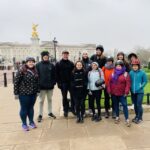
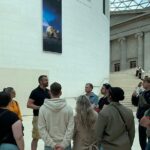
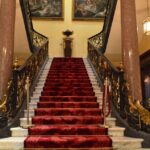
London’s highlights, with side streets you’d miss.
This private Essential London tour strings together the big icons and the small, surprising details in between—so you get your bearings fast without feeling herded. I like that it’s built for time-pressured visits, yet still customizable to what you care about. You’ll follow your guide through Westminster’s power streets, across to the City and Southwark, then finish near London Bridge.
Two things I really liked: first, the way the guide connects landmarks to stories you can actually picture—down to the horse details at the Life Guards and the quirks around the Prime Minister’s doorstep. Second, I love that this isn’t just royal theater and famous facades; it mixes London history with a creative lens. On one recent tour, the guide (Luciana) has a fashion background, and you feel that in the way she spots style, symbolism, and architecture patterns as you go. One possible drawback: it’s a 6-hour walk with multiple sightseeing stops, so comfortable shoes matter, and you’ll want to plan for extra time if you’re sensitive to crowds at the busiest landmarks.
Key Highlights and Why They Matter
- A private, 6-hour route built to fit a first-time or short-stay London visit
- Westminster to Southwark flow: Parliament, churches, St James’s Park, St Paul’s, Tate Modern, and more
- Smart free stops flagged on the schedule, including Buckingham Palace-area time and Tate Modern
- Hidden-feeling corners like a tiny police station, a crypt café moment, and a tucked-away courtyard
- Your guide sets the pace, and the itinerary can be adjusted to your interests
- A fashion-and-history storytelling style (Luciana’s background shows up in the details)
In This Review
- Starting at Westminster Station: National Gallery area and odd little finds
- The 10 Downing Street segment: Life Guards horses, royal drama, and Larry the Cat
- Parliament, Big Ben viewpoints, and the side-street courtyard feeling
- Westminster Abbey-style stop: coronations since 1066 and royal wedding connections
- St James’s Park to Churchill War Rooms: a quiet reset in royal green space
- Buckingham Palace and Changing the Guard along The Mall
- Tudor-era London: Henry VIII and Anne Boleyn with a hospital-turned-landmark stop
- St Paul’s Cathedral area and the City’s ancient-to-modern story
- Millennium Bridge to Tate Modern: free admission time and Southwark Shakespeare vibes
- Southwark food streets, film backdrops, and Golden Hinde scenery
- Price and value: is $542.36 per person worth it?
- Who should book this tour (and who might prefer something else)?
- Should you book?
- FAQ
- How long is the Essential London private tour?
- Is this a private tour or a group tour?
- Can the itinerary be customized?
- What language is the tour offered in?
- What’s included in the price?
- What is not included?
- Are any stops free of admission?
- Where does the tour start and where does it end?
- Do I get a mobile ticket?
Starting at Westminster Station: National Gallery area and odd little finds
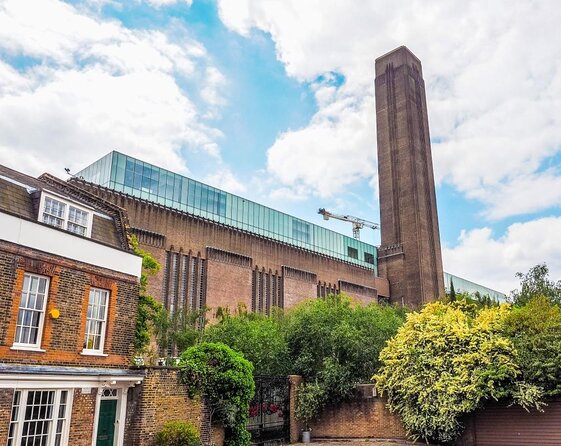
The tour begins at Underground Ltd, Westminster Station. It’s a convenient start point because it’s well connected, and you’re already in the heart of central London. From there, you head toward the area around the National Gallery—one of those places that feels familiar even if you’ve never been.
The first stretch is where the tour earns its name. You don’t just walk past famous streets; you pick up small, human-scale curiosities. The route includes moments like a tiny police station and the fun idea of a café in a crypt. Those kinds of stops do two things for you: they break up the huge-landmark energy, and they make the day feel more lived-in instead of just postcard views.
Practical tip: because the opening area is busy with people and traffic, you’ll get the most out of this start if you’re ready to look around while you walk, not only at the main building fronts.
The 10 Downing Street segment: Life Guards horses, royal drama, and Larry the Cat
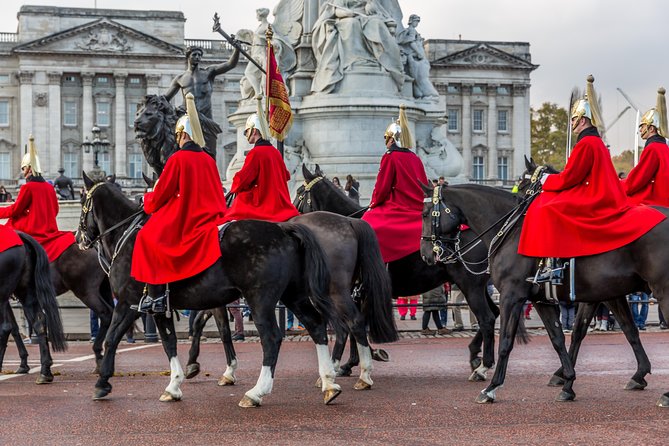
Next you move into a section of London that’s basically made for stories. You’ll hear tales of a king who lost his head and watch for the Queen’s Life Guard horses—those are the moments where ceremonial London becomes very real, with color, movement, and the steady rhythm of the guards.
Then comes the Downing Street approach: you’ll admire the gated entrance to 10 Downing Street, the Prime Minister’s home and lodgings of Larry the Cat, the current Chief Mouser to the Cabinet Office. Even if you don’t follow British politics day-to-day, Larry is one of those instantly memorable details that makes the scene feel less distant.
A note on expectations: this part is about exterior views and street-level observations. If you’re expecting private access inside official buildings, that’s not what this format is designed for. Still, you get the context—who lives where, why this street matters, and how symbolism has shaped the way London looks and functions.
You can also read our reviews of more private tours in London


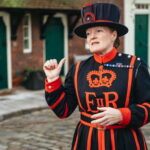
Parliament, Big Ben viewpoints, and the side-street courtyard feeling
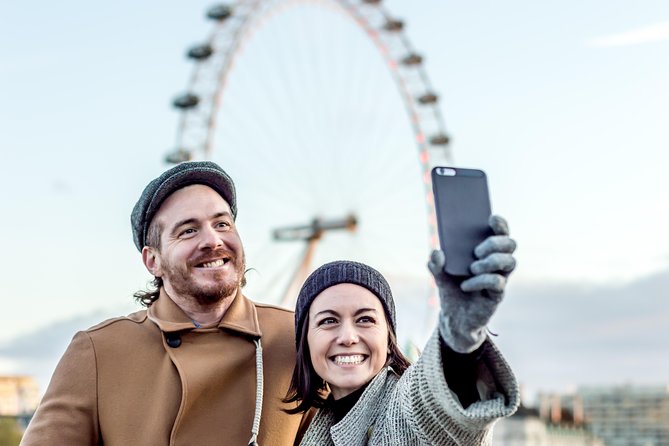
After Downing Street, the tour pivots into Parliament territory. You’ll learn the history of one of Europe’s most ancient Parliaments, then travel back through time to understand the medieval suburb feel of the area you’re standing in.
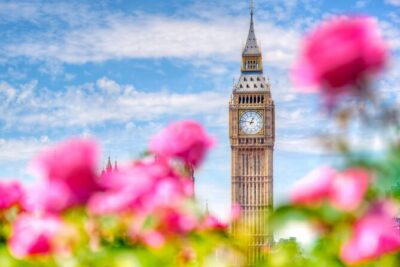
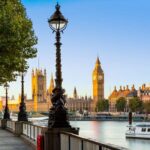
You also get exterior views of Big Ben and the Houses of Parliament, including the sense that this is still a live political stage. One fun part here is the stop where you learn where journalists get those famous TV shots from—handy if you’ve ever watched the broadcasts and wondered how they manage those angles.
The highlight for many people is the quieter sidestreet moment leading to a hidden courtyard that feels like a Harry Potter set. Even if you’re not a Potter superfan, the effect is the same: you step away from the main spectacle and get a pocket of character that makes London feel playful again.
Best use of this time: don’t rush your photos. If you slow down for 2–3 minutes, you’ll notice the small changes in architecture, doorways, and corners that make the courtyard feel like it escaped the main route.
Westminster Abbey-style stop: coronations since 1066 and royal wedding connections
The next major stop is an ancient church where English monarchs have been coronated since 1066, and where royal weddings have taken place (including William and Kate’s). This is the kind of London stop that rewards respect and attention: you’re not just looking at a building, you’re stepping into a tradition that’s been repeated for almost a thousand years.
A drawback? This part can feel intense if you’re not in a reflective mood, because it’s so tied to national identity and ceremony. But if you like the human side of history—who got married, who was crowned, how religion and power shaped the country—you’ll enjoy it.
St James’s Park to Churchill War Rooms: a quiet reset in royal green space
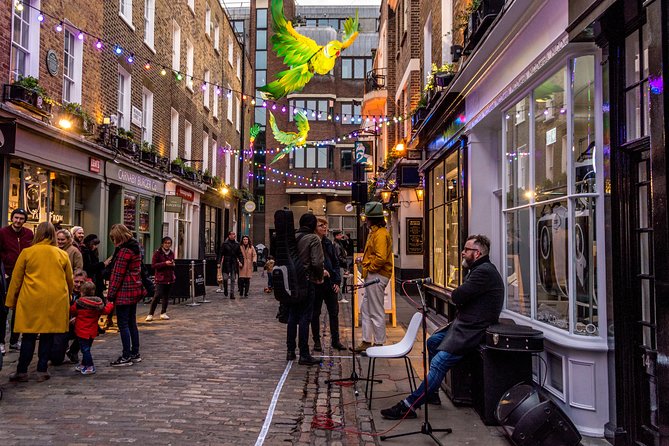
Then you get a breather along the oldest Royal park in London. The atmosphere changes fast here. You’re still in prime central territory, but the park gives you a slower rhythm: elegant residences, a green pause, and a chance to reset your brain before more major monuments.
This stretch also connects you to the Churchill War Rooms area. The park isn’t just scenery; it helps you understand how leaders and residents lived alongside key historical sites. And it gives you a chance to absorb London as a place, not just a list of sights.
Practical tip: if the day is hot or windy (London loves both moods), this park stop is where you’ll feel it. Have water ready and take advantage of the slower pace.
Buckingham Palace and Changing the Guard along The Mall
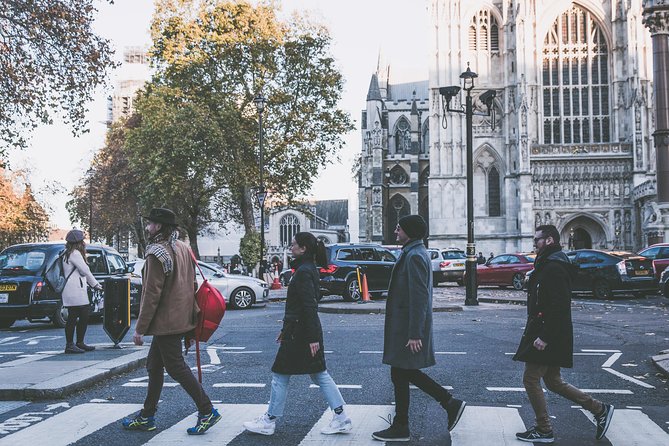
You’ll then reach Buckingham Palace and take time at a quiet spot to watch the traditional Changing the Guard ceremony along The Mall. This is one of those iconic moments that can be crowded, but the tour plans it so you’re not only stuck in the densest places.
You’ll hear fun stories about the British Royal Palace, including accounts of unfaithful monarchs, Tudor treasons, and even contemporary break-ins. The key is that you get a mix: romance, scandal, politics, and how security and attention evolved over time.
The schedule flags this portion with Admission Ticket Free time, and that matters for value. If you’re trying to keep costs under control while still seeing the most famous ceremony in London, this is one of the most effective stops on the whole route.
One caution: ceremonial London can bring thick crowds. Keep your expectations flexible. You may not get the perfect front-row view everywhere, but you will get the full sense of what’s going on and why it became a ritual.




Tudor-era London: Henry VIII and Anne Boleyn with a hospital-turned-landmark stop
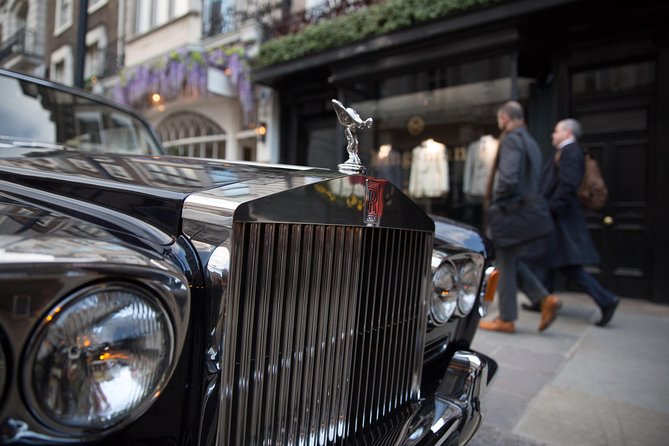
From Buckingham Palace, the route moves into Tudor storytelling. You’ll hear tales of Henry VIII and Anne Boleyn and how they turned a hospital into a beautiful Tudor landmark. You’ll also admire some of the world’s most ancient shops.
Even though the itinerary doesn’t name each shop in the details provided, the idea is clear: this is your chance to connect Tudor-era power with the everyday commercial London that grew around it. It’s also a good segment if you like the “how did London change” angle—because you can compare royal ceremony to normal city life within the same walking day.
Value note: you’re getting context without needing additional attraction tickets here. That makes this kind of stop a good fit for travelers who want story plus budget awareness.
St Paul’s Cathedral area and the City’s ancient-to-modern story
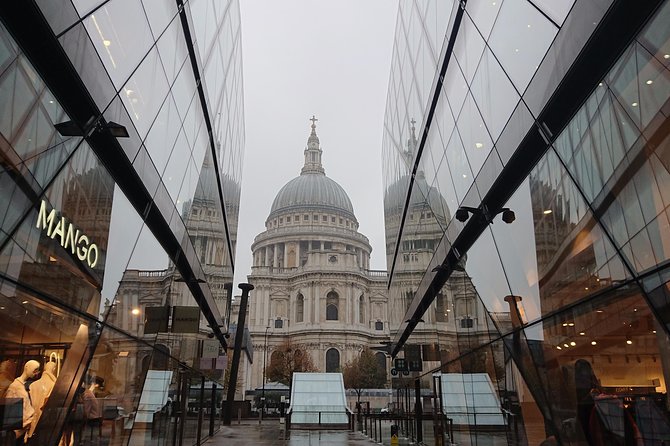
Next you move to the highest point in the City of London for views of St Paul’s Cathedral. This stop is built for perspective. You learn about the origins of London as a Roman settlement, then connect it to how the city was once consumed by fire—because the London you see now is shaped by survival and rebuilding.
From there, you shift into the modern power layer: the financial centre energy. You’ll find references to major institutions like the Stock Exchange and Lloyds of London, plus a sense of how modern architecture (including The Gherkin) sits right alongside centuries of redevelopment.
This is a strong segment for practical travelers. If you’re thinking, Where are London’s power hubs? this gives you a map in your head. You’re not only seeing buildings—you’re learning why the buildings appear where they do.
Millennium Bridge to Tate Modern: free admission time and Southwark Shakespeare vibes
Then it’s across the Millennium Bridge to Tate Modern for a quick visit. The itinerary flags this with Admission Ticket Free time, which is great if you want art without adding entry fees to the day.
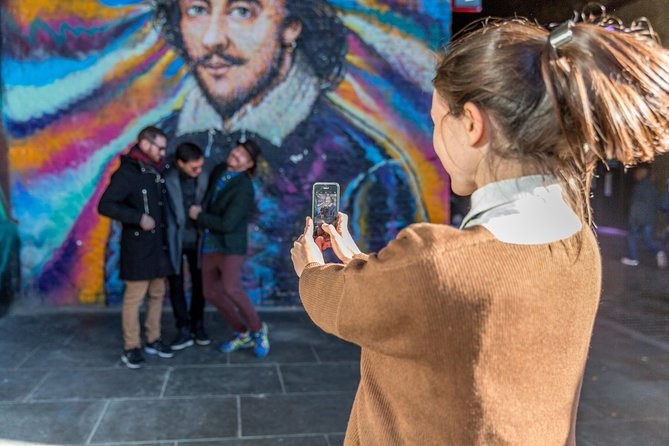
After Tate Modern, you explore Southwark, the riverside area where Shakespeare founded The Globe Theatre by the Thames. Even if you’ve never read Shakespeare, you’ll recognize why this area matters: theater, river trade, and London’s creative engine all share this space.
The bridge-to-museum-to-theatre storyline also makes the walk feel like a single idea: London’s cultural identity doesn’t sit in one neat box. It shifts with the river, the neighborhood, and the era.
Southwark food streets, film backdrops, and Golden Hinde scenery
Southwark is where the tour turns playful and modern. You’ll hear about a foodie paradise with charming stalls and local producers, plus recognizable film appearances tied to places around here—Bridget Jones’s Diary, Harry Potter and the Prisoner of Azkaban, and Lock, Stock and Two Smoking Barrels.
You’ll also see Southwark Cathedral and the Golden Hinde in the backdrop mix. This part is useful even if you don’t plan to eat much that day. Why? It helps you understand what to return to later. You get a sense of streets that are worth strolling on your own, with more time, when you’re ready to browse.
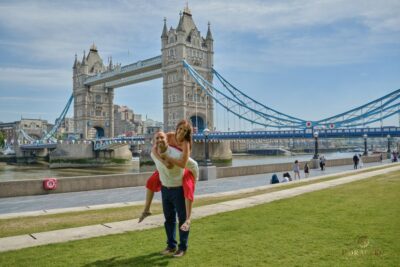
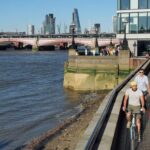
As you near the end of the tour, you get scenic views of two iconic sights and the contrast with modern buildings like City Hall and The Shard. That contrast is a big part of what makes London feel London: history isn’t locked away; it shares the view with glass and steel.
The tour ends near London Bridge, at London EC4R 3TN—close to restaurants and train options, which is exactly how you want the day to finish.
Price and value: is $542.36 per person worth it?
At $542.36 per person for about 6 hours, you’re paying for a private guide, a flexible route, and the convenience of hitting many top sights in one day. For time-pressed visitors, that can be a very good deal because London is big and it’s easy to waste half a day figuring out logistics.
Here’s the value math that’s actually relevant:
- You get expert local guidance plus personalised itinerary and the chance to customize your interests.
- Some key segments are flagged as Admission Ticket Free (Buckingham Palace-area time and Tate Modern time). That helps keep the day from turning into a ticket-stacking marathon.
- The tour also adds practical story details: where journalists stand for TV angles, which helps you understand what you’re seeing if you’ve watched those scenes before.
What you should plan for: entrance to attractions is not included overall, and public transport or taxi fees aren’t included. Lunch also isn’t pre-paid, but lunch stops are arranged according to your needs. So your total out-of-pocket can be higher or lower depending on how many paid entrances you choose to add.
Best fit for this price:
- First-time visitors who want a focused highlights route
- Couples or small groups who prefer a private pace over waiting with big crowds
- Travelers who like stories (politics, monarchy, and culture) and appreciate small detours
Who should book this tour (and who might prefer something else)?
You’ll probably love this tour if you want a solid, guided introduction that covers the biggest names—Westminster, Parliament, Buckingham Palace, St Paul’s, Tate Modern, and Southwark—while still getting those smaller corners like the crypt café moment and the tucked-away courtyard.
I’d also recommend it if you enjoy a guide who tells stories in a way that connects style and place. The fashion angle (like Luciana’s background) is the kind of detail that makes the day feel more original than a standard icon checklist.
You might want to look at other options if your priorities are very narrow—say, only museums with long interior time, or only royal interiors with tickets—or if you hate walking. This tour is built around street-level views and short stops, not a sit-down museum day.
Should you book?
Yes—if your goal is to get London right in one day, with a guide who can tailor the emphasis and keep the route lively. The mix of power landmarks, Roman-to-modern context in the City, and the cultural Southwark walk near Tate Modern and Shakespeare’s Globe area is a strong combination. Add in a guide like Luciana, who brings fashion into the storytelling, and you’ve got a tour that feels personal rather than template-driven.
Before you book, do one simple check: decide how much you want paid entries versus free viewing. If you’re happy with exterior views and a couple of museum stops, this will feel like excellent value for a private 6-hour London orientation.
FAQ
How long is the Essential London private tour?
The tour runs for about 6 hours.
Is this a private tour or a group tour?
It’s a private tour/activity, so only your group participates.
Can the itinerary be customized?
Yes. The tour can be customized to fit your interests and preferences.
What language is the tour offered in?
The tour is offered in English.
What’s included in the price?
It includes an expert local guide, a personalised itinerary, a private guided tour, support before and after the tour, and additional suggestions for the rest of your stay.
What is not included?
Entrance to attractions, public transport tickets or taxi fees, and lunch stops for food and drinks (lunch is arranged according to your needs).
Are any stops free of admission?
The itinerary flags Changing the Guard time at Buckingham Palace and a Tate Modern visit time as Admission Ticket Free. Attraction entrance in general is not included, though.
Where does the tour start and where does it end?
It starts at Underground Ltd, Westminster Station (Bridge St, London SW1A 2JR) and ends near London Bridge (London EC4R 3TN), at a convenient point close to restaurants or train stations.
Do I get a mobile ticket?
Yes, the tour includes a mobile ticket.