REVIEW · LONDON
Jack the Ripper and Victorian London: Beyond the Shadows
Book on GetYourGuide →Operated by Loudman Tours · Bookable on GetYourGuide
Jack the Ripper meets East End street life. On Jack the Ripper and Victorian London: Beyond the Shadows, you walk real streets tied to the story while a live guide—often Nick—keeps the focus on Victorian London life, not just the headlines.
I love the performance-style storytelling. Multiple people singled out Nick for acting instincts, humor, and keeping things interactive, so the walk stays moving instead of turning into a lecture. I also love how the tour treats the women as people, not props—addressing misunderstandings and the social pressures behind their lives.
One consideration: the subject is still violent and tragic. Even with a light touch and no urge to be graphic, you should expect heavy themes in the background of the walk.
In This Review
- Key things you’ll notice on this Jack the Ripper walk
- Price and timing: what you get for $24 over 140 minutes
- Meet the guide: Nick’s storytelling style (and why it works)
- Braham Street to Brick Lane: getting your bearings in the East End
- Hanbury Street: the street-walk portion that turns facts into a route
- Ten Bells Pub: a stop that anchors the case in everyday life
- Old Spitalfields Market: trade, streets, and why the East End felt different
- Goulston Street and Mitre Square: where the walk tightens
- London Fruit & Wool Exchange: commerce as context, not background noise
- Spitalfields Market finish: end with energy, not just atmosphere
- Is this tour too scary or too gory?
- Wheelchair accessible and practical walking time
- What you’ll learn (and what the tour does with the myths)
- Should you book Jack the Ripper and Victorian London: Beyond the Shadows?
- FAQ
- How long is the tour?
- Where does the tour start and where does it finish?
- What language is the live guide?
- What are some of the main places you visit?
- How much does the tour cost?
- Is the tour wheelchair accessible?
- Can I cancel for a refund?
- Is reserve now and pay later available?
- Is the tour suitable for very elderly visitors?
Key things you’ll notice on this Jack the Ripper walk
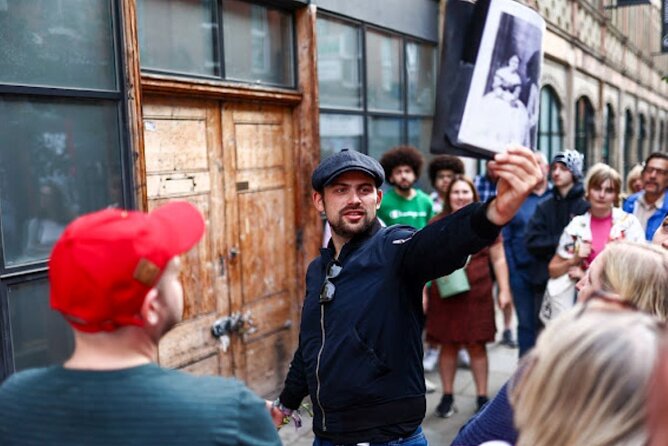
- A guide who tells the story like theatre (Nick’s delivery and timing show up again and again)
- Dark themes handled with restraint (no needlessly gory anecdotes)
- Women’s stories taken seriously instead of reduced to sensational headlines
- Real East End street stops like Brick Lane, Hanbury Street, Goulston Street, and Mitre Square
- Market-and-commerce context with Old Spitalfields Market and the London Fruit & Wool Exchange
- A strong ending point at Spitalfields Market, so you can keep the night going
Price and timing: what you get for $24 over 140 minutes
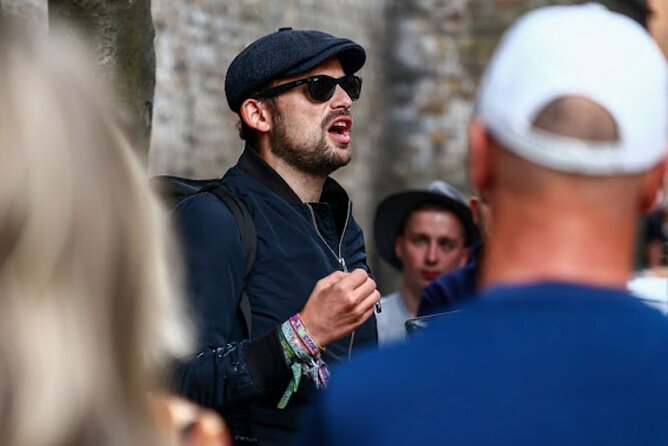
At $24 per person for about 140 minutes, this is priced like a serious walking tour, not a quick gimmick. You get a live guide, multiple neighborhood stops, and a structure that’s meant to explain the East End—not just point and name locations.
The pacing matters here. A long enough walk to connect the dots between streets, and short enough that you can still enjoy London afterward. If you like your history told through places you can actually stand in, the timing works well.
If plans are shaky, the tour offers free cancellation up to 24 hours in advance and a reserve-now, pay-later option. That lets you lock it in without stressing about exact dates.
You can also read our reviews of more tours and experiences in London.


Meet the guide: Nick’s storytelling style (and why it works)
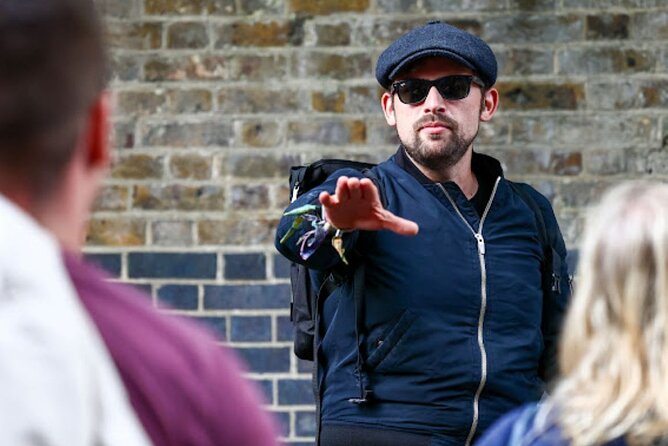
This tour has one big secret weapon: the guide. In the feedback, Nick is repeatedly praised for being funny, friendly, and serious about accuracy—without turning the night into a doom-fest.
The best part is how the story is told. You’re not just hearing a list of names and facts. You’re guided to think—especially about how reports get shaped, repeated, and misunderstood. One person even called out that the tour encourages critical thinking about what people claimed at the time.
And yes, there’s a major emotional balance. People highlighted that the guide avoids unnecessarily gory anecdotes, which helps when you want a memorable experience without feeling like you’re being dragged through shock value.
Braham Street to Brick Lane: getting your bearings in the East End
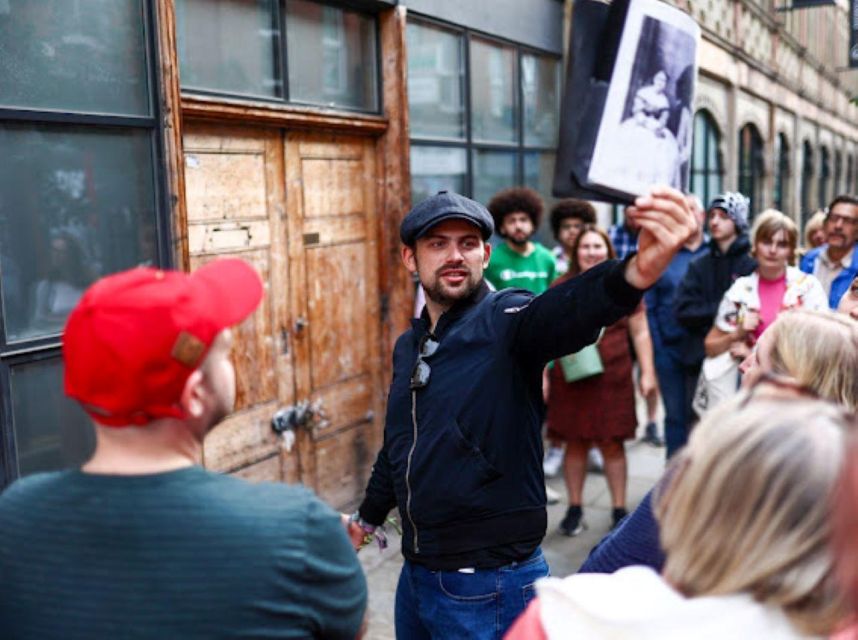
The walk starts on Braham Street, which is a smart choice. It gives you a “real London” entry point rather than dropping you in the middle of a theme park. From the start, the guide sets the tone: you’re here for Victorian society, not only for a killer’s legend.
From there you move into Brick Lane, where you’ll get a guided talk as you walk. This is one of those streets where London’s layers are obvious. Even if you’re not a history nerd, you’ll feel the contrast between today’s street life and the pressures that shaped the 19th-century East End.
What makes this stop valuable is the way the tour connects context to place. You’re learning why people lived the way they did—where money problems, cramped housing, and limited choices shaped daily reality.
Hanbury Street: the street-walk portion that turns facts into a route
Next comes Hanbury Street, and the tour doesn’t waste it. You get both a guided explanation and actual walking time, which helps you understand how a route could make sense in real life.
This stretch is where the story starts feeling practical. The guide helps you picture how people moved, where confusion could happen, and why the neighborhood’s social mix mattered. That’s the point of a good “Jack the Ripper” walk: the locations matter, but the people around them matter more.
If you’re the type who likes connecting details, this is where you’ll start building your own timeline in your head.
Ten Bells Pub: a stop that anchors the case in everyday life
The Ten Bells Pub is one of the big named touchpoints in this tour’s highlights. Whether you’re into true crime or just curious, this is a useful stop because it pulls the story out of abstract “mystery” and into the feel of everyday streets.
The tour’s tone helps here. Instead of leaning hard on sensational horror, the guide keeps returning to the human side—especially the lives of women whose stories became headline material.
I like stops like this because you get a sense of how tragedy can intersect with ordinary places people used every day.



Old Spitalfields Market: trade, streets, and why the East End felt different
Then you shift into Old Spitalfields Market, where you’ll get another guided walk and context-building talk. A market isn’t just a market. It’s where schedules, workers, and money pressures show up in plain sight.
This stop is especially good for understanding why the East End could feel like two Londons at once: hardship close to opportunity, and social rules shaping who could survive and who got pushed out.
If you’ve ever visited Spitalfields and wondered why it’s still a hub, this is where the tour answers that feeling with explanation—tying the area’s commerce and community rhythms to the broader Victorian picture.
Goulston Street and Mitre Square: where the walk tightens
Two stops in the middle of the route—Goulston Street and Mitre Square—are part of what makes this tour feel grounded. You’re not floating through “vibes.” You’re moving street to street, with the guide pointing out why certain places became central to the story.
This is also where I’d expect the emotion of the evening to peak. The subject is tragic, and even with restraint, you’ll feel the weight of what happened and what didn’t get properly understood.
The guide’s balancing act matters most here: people praised Nick for giving the facts straight, without turning the walk into gore. That lets you process the darker parts without losing control of the bigger historical meaning.
London Fruit & Wool Exchange: commerce as context, not background noise
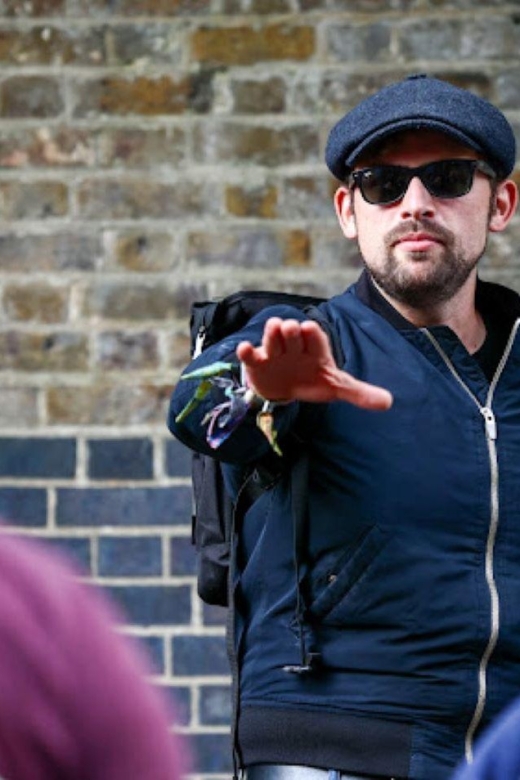
After the tighter-case streets, you move toward London Fruit & Wool Exchange. Even if you’re not there for architecture, this stop adds an important layer: the East End wasn’t just a place of fear.
It was a place of work, trade, and systems that ran the neighborhood. The exchange building name alone hints at why it belonged in this story—because the economy shapes where people live, how they earn, and what kinds of help are available.
This is where the tour’s “beyond the shadows” promise earns its name. You’re not only walking through a grim chapter. You’re learning how Victorian life created the conditions in which rumors, vulnerability, and social judgment could spiral.
Spitalfields Market finish: end with energy, not just atmosphere
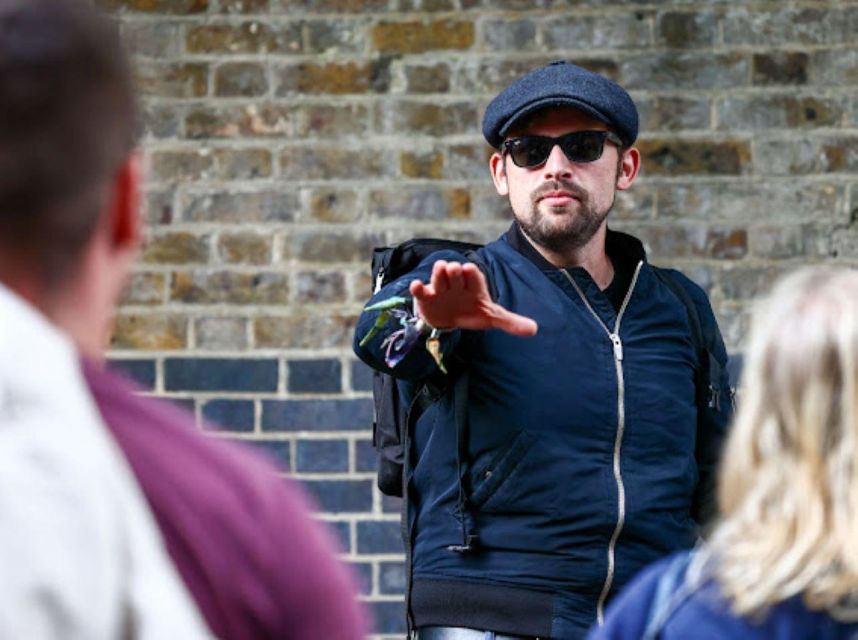
The tour finishes back at Spitalfields Market, which is a strong way to end. You’re left in a place that’s easy to navigate and easy to enjoy, instead of stuck in a dead-end alley after the last story.
It also helps emotionally. You’ve absorbed something heavy, and now you can shift gears quickly—grab a bite, browse the market area, or just take your time walking it off.
If you want a night that feels both memorable and manageable, this ending fits.
Is this tour too scary or too gory?
From the feedback, this tour intentionally avoids unnecessarily graphic detail. People specifically noted that it stays engaging without trying to scare the group with gore.
That doesn’t mean it’s light. This is still about murders and victims, and the guide uses that seriousness to keep the narrative grounded in Victorian reality. The difference is tone: it aims for understanding, not shock.
If you’re okay with true crime as long as it’s handled thoughtfully, you’re in the right place.
Wheelchair accessible and practical walking time
The tour is listed as wheelchair accessible, and it runs for about 140 minutes. That’s a good middle length: long enough for context and multiple stops, short enough that you’re not stuck out all evening.
I’d still plan for typical London walking—comfortable shoes and a layer for weather. The route includes several street sections, and East End streets can feel busy even when the stories get dark.
Also, note the suitability limit: it is listed as not suitable for people over 95 years.
What you’ll learn (and what the tour does with the myths)
One thing that shows up strongly is the focus on misunderstandings—especially about the women involved. Instead of treating them as plot devices, the guide brings them back into the social and economic world they were trapped in.
You’ll also get a look at the East End’s cultural and historical dynamics, with the guide using the streets as evidence. That’s a big reason this tour tends to land well: you’re not just collecting trivia. You’re building a clearer picture of 19th-century life and how it shaped what people believed.
And because the guide encourages critical thinking, you’ll likely leave with a better instinct for separating what sounds persuasive from what’s actually supported.
Should you book Jack the Ripper and Victorian London: Beyond the Shadows?
Book it if you want a true crime walk with real context—Victorian street life, social pressures, and a focus on the people affected. It’s also a great choice if you care about how stories are told and want an engaging, performance-like guide rather than a stiff script.
Skip it if you’re looking for a purely eerie, jump-scare style experience. This tour is not built around sensational gore. It’s built around understanding and atmosphere, with humor used to keep the evening human.
And if you can catch a departure guided by Nick, you’re likely in for a standout evening—clever pacing, friendly delivery, and a guide who can make the history feel connected to the streets you’re standing on.
FAQ
How long is the tour?
It lasts 140 minutes.
Where does the tour start and where does it finish?
It starts on Braham Street and finishes at Spitalfields Market.
What language is the live guide?
The live tour guide speaks English.
What are some of the main places you visit?
The tour includes stops around Brick Lane, Hanbury Street, Old Spitalfields Market, Goulston Street, Mitre Square, London Fruit & Wool Exchange, and Spitalfields Market, with The Ten Bells Pub listed among the highlights.
How much does the tour cost?
The price is $24 per person.
Is the tour wheelchair accessible?
Yes, it is listed as wheelchair accessible.
Can I cancel for a refund?
Yes. You can cancel up to 24 hours in advance for a full refund.
Is reserve now and pay later available?
Yes, there is a reserve-now, pay-later option listed.
Is the tour suitable for very elderly visitors?
It is listed as not suitable for people over 95 years.