REVIEW · LONDON
London in the Swinging 60s – Private Tour
Book on Viator →Operated by Swinging 60s London · Bookable on Viator
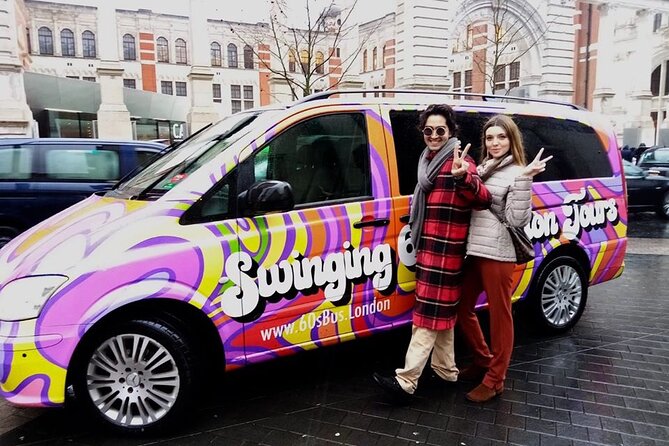
Psychedelic London, fast and personal. This private Swinging 60s minibus tour stitches together the key music-and-fashion addresses that made 1960s London feel new, from Mary Quant’s Bazaar in Chelsea to the legendary Troubadour. I especially like the small-group pace and the way each stop is explained by a guide such as Paul Endacott, tying places to the people and songs you actually recognize. One possible drawback: many locations are quick look-and-see stops, so you’ll want to keep your camera ready and your feet willing.
You meet at the Royal Court Theatre on Sloane Square (50–51 Sloane Square, SW1W 8AS) at 11:00 am, and the tour loops back to the same spot at the end. The booking uses a mobile ticket, and the tour runs about 1 hour 30 minutes, which is ideal if you want real context without giving up most of your day.
In This Review
- Key highlights at a glance
- Why this Swinging 60s tour works in only 90 minutes
- Starting at Sloane Square: the Beatles’ first London base
- King’s Road and Chelsea: where fashion became part of the soundtrack
- Clapton’s flats and the studio world on Old Church Street
- Cheyne Walk and Flood Street: riverside legend-making and Sgt Pepper clues
- Edith Grove to the Troubadour: from the Stones’ origin to a music venue that still matters
- How the timing and short stops change what to expect
- Price and value: what $397.75 per group really buys
- Practical tips so you get the most from the experience
- Who should book this Swinging 60s private tour?
- Should you book? My honest take
- FAQ
- How long is the London in the Swinging 60s private tour?
- Where is the meeting point?
- Is this tour private?
- How big is the group?
- What’s included in the tour price?
- Is Troubadour admission included?
- Are admission fees included for all the stops?
- Is transportation to and from the meeting point included?
- What is the minimum age?
- What is the cancellation policy?
Key highlights at a glance
- Sloane Square Beatles connection: see the hotel the Beatles used as their first London base in the early 1960s
- Chelsea and King’s Road vibe: the route focuses on the places tied to music, fashion, and scene-making
- Stops built around major 60s names: Clapton, Pink Floyd, Cat Stevens, The Who, The Rolling Stones, and more
- Photo-stop locations for iconic moments: including the studio linked to the Sgt Pepper photo setup in 1967
- Troubadour time included: a dedicated music-venue stop where the 60s legacy still hangs in the air
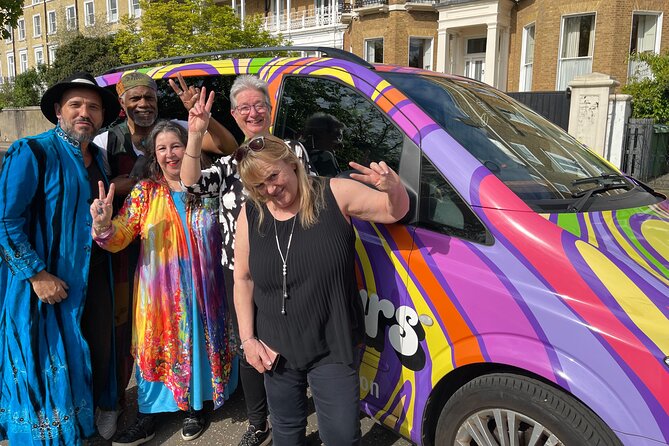
- You control the group energy: only your group participates, with pricing up to six (and described as small-group up to eight)
Why this Swinging 60s tour works in only 90 minutes
London can feel like a blur when you’re bouncing from museum to museum. This tour takes a different approach: it focuses on a tight zone of 1960s hot spots—especially around Chelsea and the King’s Road—and gives you context as you move between them.
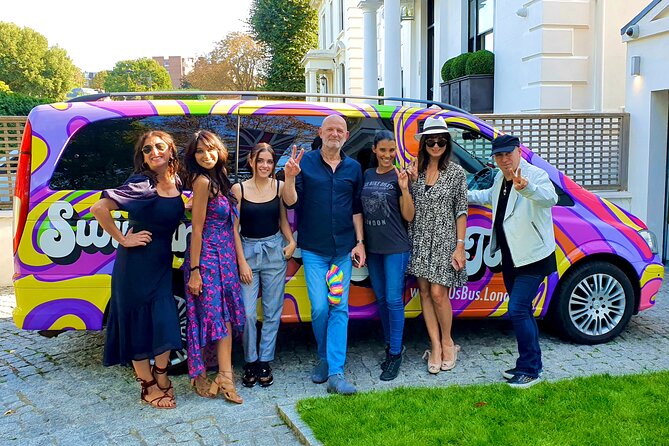
The minibus ride matters because it keeps you from turning “soundtrack scavenger hunt” into “maze navigation project.” And the small group size keeps your guide’s pace human. You’re not shouting across a crowd. You get stories at stop speed, with enough time at the longer moments—like the Troubadour—to actually sit with what you’re seeing.
You can also read our reviews of more private tours in London
Starting at Sloane Square: the Beatles’ first London base
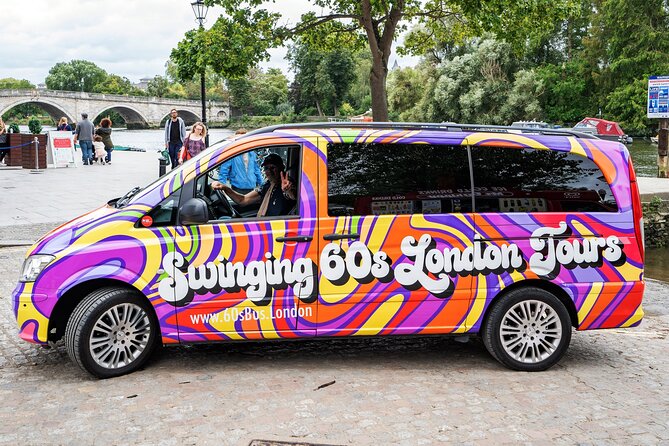
You’ll begin at the Royal Court Theatre on Sloane Square, then head out into the early-60s orbit. The first stop is Sloane Square itself, specifically to show you the hotel the Beatles used as their first London base in the early 1960s.
What I like about this opener is how it sets the frame. You’re not starting with a vague “famous street” moment—you’re anchoring the whole trip to an early step of a band you already know. It’s also a simple mental trick: once you connect Beatles history to one real address, the rest of the music-and-fashion locations click faster.
Time reality check: this stop is brief (about 2 minutes). That’s not “bad planning.” It’s how the tour fits so many key locations in 1 hour 30 minutes. Come ready to look, listen, and move.
King’s Road and Chelsea: where fashion became part of the soundtrack
After Sloane Square, the tour’s center of gravity shifts toward Swinging London’s fashion and culture lanes—especially the King’s Road and Chelsea area. This is where the city stopped feeling like a backdrop and started acting like a character in the story.
Two named highlights from the tour concept are Mary Quant’s Bazaar and Granny Takes a Trip, described as London’s first psychedelic boutique. Even if you’re not a fashion history person, these stops help you understand why the 60s felt so different: music, style, and youth culture were tied together, street by street.
Also, this is a route that doesn’t ask you to “read plaques.” The guide’s job is to translate what you see into what it meant—who was showing up, what kind of buzz lived there, and how it connects to the artists people associate with that era.
Clapton’s flats and the studio world on Old Church Street
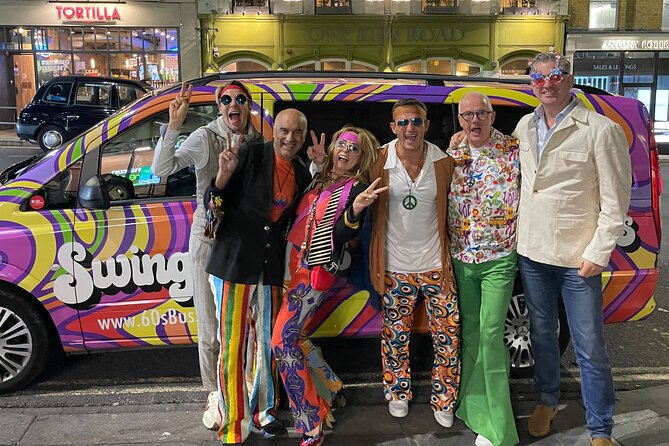
One of the most satisfying parts of the tour is how it keeps moving between “where artists lived” and “where the work happened.” It’s not only about landmark facades.
The stop at The Pheasantry highlights Eric Clapton’s old flat from his Cream days. Then you’ll move to Old Church Street, which is described as Clapton’s current London home and also the location of a seminal recording studio used by Pink Floyd, Cat Stevens, The Who, and many more 60s legends.
This pairing is smart. A lot of music tours separate “residential addresses” from “recording history.” Here, you get both, so you can picture the chain: life in the neighborhood, then work in the studio, then the sound that ends up changing pop culture.
Ticket note: Old Church Street is listed as free for admission, which is great—more of your time goes toward the explanation instead of waiting on paywalls.
Cheyne Walk and Flood Street: riverside legend-making and Sgt Pepper clues
Cheyne Walk is the next jump in tone: it’s framed as one of London’s more exclusive stretches, along the River Thames, with homes tied to music legends. Even if you never learned to love Thames views, this stop gives you that “this is where the scene became serious” feeling.
Then comes Flood Street, where the tour points you toward the studio linked to the Beatles’ famous Sgt Pepper’s Lonely Hearts Club Band album photo setup in 1967. It’s the kind of detail that makes the decade feel concrete. Instead of just hearing that album name, you stand closer to the place where that visual moment was built.
Why I think this works: pop culture images are everywhere, but the physical locations are rarely. This stop bridges the gap between what you’ve seen on covers and what you can stand near in person.
Ticket note: Flood Street is listed as free for admission as well, so it’s another low-friction stop.



Edith Grove to the Troubadour: from the Stones’ origin to a music venue that still matters
Edith Grove is one of the more story-rich moments. The tour frames it as a place tied to Jagger, Richards, and Jones in 1962—when the Rolling Stones were named. That’s not just trivia. It helps you understand how quickly bands transformed from local identities into global brands.
From there, you’ll finish at the Troubadour, one of London’s important music venues. This is the stop that gets the most time (about 15 minutes), and the tour lists Troubadour admission as included.
The Troubadour portion is where the tour’s theme becomes more than sightseeing. The venue is presented as a shrine-like place that feels little changed from when Paul Simon, Bob Dylan, Jimi Hendrix, and other music legends played and chilled out in the 1960s. Even if you’re not an expert on the venue’s timeline, you’ll recognize what that idea means: this is a site where history isn’t just behind glass.
How the timing and short stops change what to expect
This tour runs about 1 hour 30 minutes, and the scheduled stop times reflect a very specific style: quick hits plus one meaningful anchor.
- Some stops are around 2–3 minutes (Sloane Square, Cheyne Walk, Flood Street, Edith Grove), which is enough for a guided story and a few photos.
- Old Church Street is longer than the 2-minute stops (about 5 minutes), which helps for a studio-focused explanation.
- Troubadour is the longest moment at 15 minutes, and that’s where the included admission matters most.
If you like leisurely travel, this may feel brisk. If you like focused “music history in motion,” it’s a strong fit. I’d aim for this when you want your London day to feel efficient, not empty.
Price and value: what $397.75 per group really buys
At $397.75 per group (up to 6), this is priced like a true private experience, not a “seat on a bus” deal. That matters because the tour includes a professional guide plus all taxes, fees, and handling charges.
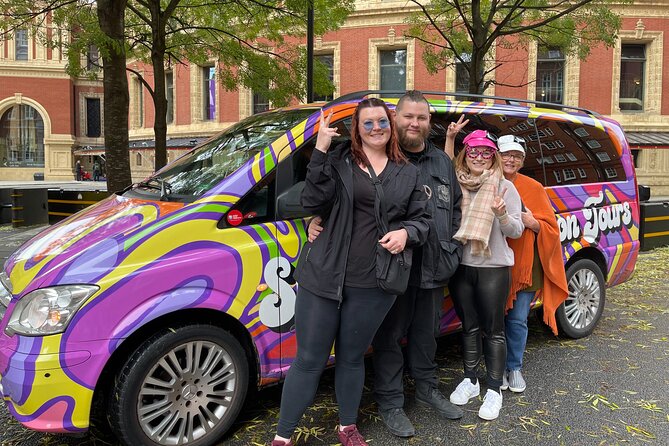
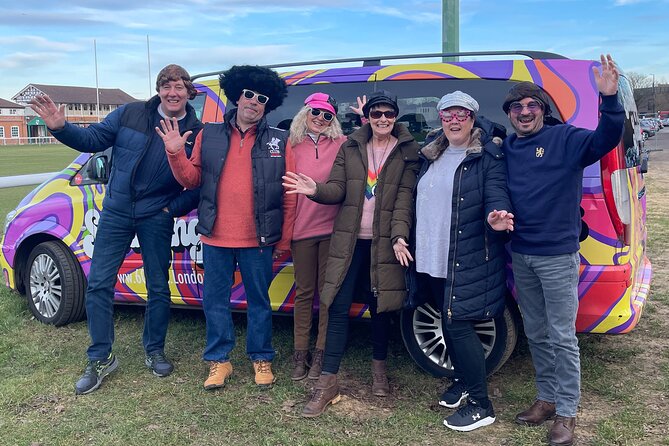
You’re also buying the format: a psychedelic minibus ride, small-group pacing, and explanations tied directly to the locations. If you’re visiting with a couple of music fans, the per-person cost can look reasonable compared with doing multiple separate ticketed activities.
Two details to keep in mind:
- Transportation to and from the meeting point is not included, so you’ll want to handle your way in.
- Admission varies by stop, but Troubadour is listed as included, while some other stops are either listed as not included or free (Old Church Street and Flood Street).
So the value isn’t just the ticket. It’s the way the tour compresses a lot of 60s “why it matters” into a short window.
Practical tips so you get the most from the experience
To make this tour feel great (not rushed), I’d plan around the kind of stops it includes:
- Wear shoes you can stand in for short bursts. Several stops are only a few minutes.
- Bring a phone with camera space. Many of the most memorable moments are visual-location ones (Sloane Square, riverside Cheyne Walk, the Flood Street connection, and the Troubadour).
- Have your curiosity ready. The locations cover both homes/flats and creative spaces like studios and venues, so questions are welcome in the style of a guided walk.
Also note the basics: the tour has a minimum age of 9, allows service animals, and is near public transportation. If your group includes mixed ages (kids, teens, and adults), this format is often easier than a long museum day because it keeps moving.
Who should book this Swinging 60s private tour?
This is a good match if you fit one or more of these:
- You love Beatles, Rolling Stones, Eric Clapton, Pink Floyd, Cat Stevens, The Who, Paul Simon, Bob Dylan, or Jimi Hendrix.
- You want a music-and-fashion London day focused on a specific decade and specific neighborhoods (Chelsea and the King’s Road area).
- You like private-group energy: only your group participates, which usually makes it more relaxed than joining a large tour.
It’s less ideal if you only want very long stops, museum-style time, or lots of indoor ticketed sites throughout. This tour is built for short, guided moments anchored by Troubadour.
Should you book? My honest take
If your goal is to feel the Swinging 60s through places you can point to—rather than just read about—this private minibus tour is an easy yes. The route is tight, the guide-led storytelling connects the dots between fashion, studios, and venues, and Troubadour admission is included, so you’re not scrambling for extra tickets at the end.
I’d book it when you have limited time in London and want one well-planned afternoon that targets music legends, not generic landmarks. Just go in knowing it’s a 1 hour 30 minutes sprint with a few quick stops, not a slow wandering day.
FAQ
How long is the London in the Swinging 60s private tour?
It runs for about 1 hour 30 minutes.
Where is the meeting point?
You meet at the Royal Court Theatre, 50–51 Sloane Square, London SW1W 8AS, UK.
Is this tour private?
Yes. It is a private tour/activity, and only your group will participate.
How big is the group?
The tour is described as small-group. Pricing is per group up to 6 people, and the tour is also described with a small-group maximum up to eight people.
What’s included in the tour price?
It includes a professional guide and all taxes, fees, and handling charges.
Is Troubadour admission included?
Yes, admission for Troubadour is included (it’s the stop with the longest time on the itinerary).
Are admission fees included for all the stops?
Not all stops have admission included. Some stops are listed as not included, while Old Church Street and Flood Street are listed as admission ticket free.
Is transportation to and from the meeting point included?
No. Transportation to and from the meeting point is not included.
What is the minimum age?
The minimum age is 9 years.
What is the cancellation policy?
You can cancel for free up to 24 hours in advance for a full refund. If you cancel less than 24 hours before the start time, the amount you paid will not be refunded.