REVIEW · LONDON
London: 2-Hour Guided Tour of the British Museum and History
Book on GetYourGuide →Operated by My tour London · Bookable on GetYourGuide
Two hours can change how you see history. This British Museum highlights tour packs major civilizations into one guided route, with a licensed guide helping you read what you’re looking at.
I especially love starting with the Rosetta Stone, because the guide turns a famous object into a simple explanation of how hieroglyphics were deciphered. And I really like the range that keeps going after Egypt, reaching surprising corners like Hoa Hakananai’a from Easter Island and the treasures of Sutton Hoo without making it feel random.
One possible drawback: in a big, crowded museum, it can be hard to hear every word, and the tour doesn’t mention audio aids like headphones. If you’re worried about understanding a specific accent or you need clear audio, plan to position yourself near the front and stay flexible.
In This Review
- Key things that make this tour worth your time
- How the 2-hour plan makes the British Museum feel possible
- Ancient Egypt and the Rosetta Stone: what you’ll actually learn
- Greece and the Parthenon legacy: art, ideas, and the Elgin Marbles question
- Ancient Rome: mosaics, gods, and engineering on a human scale
- Sutton Hoo and Hoa Hakananai’a: the two surprises that stick
- Finishing with global artifacts: leaving with a map, not a memory fog
- Price and value: is $37 a smart buy for two hours?
- Meeting point and tickets: the practical bits that prevent stress
- Who this tour is best for (and who should skip it)
- Should you book this British Museum highlights tour?
- FAQ
- How long is the British Museum guided highlights tour?
- Where exactly do I meet the guide?
- Is the entry ticket included?
- How and when will I receive the tickets?
- What languages is the tour offered in?
- Is the British Museum accessible for wheelchair users?
- Can I cancel and get a refund?
Key things that make this tour worth your time
- A licensed guide route through crowds, so you’re not wandering for hours to find the right rooms
- Egypt first, with the Rosetta Stone and the Egyptian story you’ll keep using in other galleries
- Parthenon and Elgin Marbles context, including why they’re so hotly debated
- A fast but thoughtful sweep, from Greece to Rome, then into unexpected artifacts from other cultures
- World-famous objects plus smaller stories, so your visit feels guided, not checklist-driven
How the 2-hour plan makes the British Museum feel possible
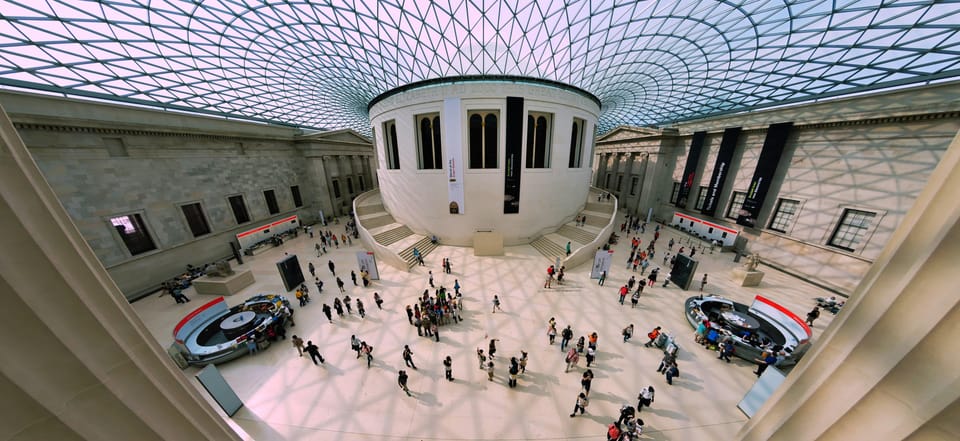
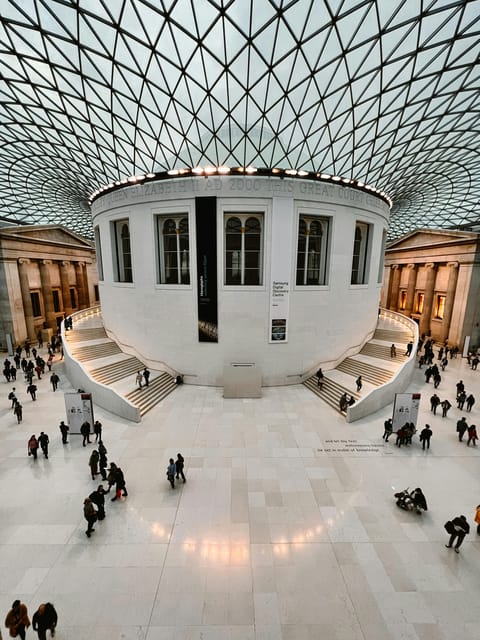
The British Museum is enormous. In a normal self-guided visit, you’ll either sprint and miss meaning, or slow down and end up stuck in one area. This 2-hour highlights approach is built for getting your bearings fast and leaving with names, stories, and a mental map.
You’re also buying time. For many people, the real value here isn’t that you’ll see everything. It’s that you’ll see the most meaningful pieces in the right order, with explanations that help you connect cultures rather than treating each gallery like a separate planet. That matters because once you understand how Egypt, Greece, Rome, and even early England influenced later thinking, the museum stops being just objects behind glass.
And if your guide is a strong one, the pacing can feel smooth even when the museum is busy. One guide named Daniel was singled out for navigating the exhibits and crowds skillfully in exactly this sort of short window, keeping the tour feeling free-flowing rather than rigid.
You can also read our reviews of more guided tours in London



Ancient Egypt and the Rosetta Stone: what you’ll actually learn
The tour typically begins with ancient Egypt, using the galleries as your storybook. Expect pharaoh-related objects and the kind of context that makes Egypt feel less distant and more human: rulers, beliefs, and how art functioned in everyday power.
The Rosetta Stone is the anchor. The guide focuses on it as the key to deciphering Egyptian hieroglyphics. That’s not just trivia. When you understand why the Rosetta Stone mattered, you start noticing patterns in the museum’s Egyptian displays. Suddenly, what looks like repeating symbols becomes a visual language with a reason.
A practical tip: when you reach the Rosetta Stone area, don’t just look at the stone like it’s a postcard. Listen for the guide’s explanation of what made it so crucial, then glance again at the inscription with that logic in mind. It’s the kind of switch that makes the rest of your Egypt viewing much easier, even if you continue on your own afterward.
Greece and the Parthenon legacy: art, ideas, and the Elgin Marbles question
From Egypt, the route moves toward ancient Greece and the world of philosophy and art. This section matters because the museum can’t fully explain Greek ideas with photos alone. A guide helps you translate what you’re seeing into what it meant to thinkers at the time and what later cultures borrowed.
You’ll spend time on the iconic Parthenon sculptures and also hear about marble inscriptions connected to Western thought. The point isn’t to turn you into a classics scholar in two hours. It’s to give you a frame so you can stand in front of the sculptures and understand why they mattered beyond their beauty.
Then there’s the big elephant in the room: the Elgin Marbles. They’re presented as part of the Parthenon story, but they’re also famously controversial. You can expect the guide to address why they’re debated, which is valuable if you don’t want your visit to be all aesthetic with no ethics.
Here’s my practical advice: don’t try to solve the debate during the tour. Instead, use the guide’s explanation to notice the angle they take—then you’ll have your own informed opinion by the time you walk away.
Ancient Rome: mosaics, gods, and engineering on a human scale
Next comes ancient Rome, and this is where the museum’s feel shifts. If Greece can feel like ideas and ideals, Rome often hits you with scale: empire-level confidence, public building, and the way art supports power.
In this part of the tour, you’ll see Roman artifacts like mosaics and statues depicting gods and heroes. The mosaics are a great pause point, because they’re visually dense. The guide can point out details you’d likely miss if you were just rushing past, and it helps you understand how Roman art worked as both storytelling and status.
For you, the benefit is clarity. Rome can feel like a blur of emperors if you only know it from textbooks. A short guided stop turns that blur into a few concrete images: what they honored, how they represented belief, and how art broadcast authority.
Sutton Hoo and Hoa Hakananai’a: the two surprises that stick
One of the smartest parts of this tour is that it doesn’t stop at the big Mediterranean civilizations. It makes room for artifacts that remind you how wide “human history” really is.
Sutton Hoo is one of those pivot points. You’ll encounter Anglo-Saxon treasures tied to early English life, and the effect is immediate. You’re no longer traveling only across empires in the classical world. You’re seeing early England as something with its own culture, craft, and symbols.
Then comes Hoa Hakananai’a, a Moai from Easter Island. This is the other big surprise in the route. Even in a museum packed with famous objects, a Moai can feel different because it carries spiritual weight. The tour uses it to help you think about a distant civilization’s beliefs and artistic choices rather than treating it as just an impressive statue.
What I like here is the way it makes your brain do cross-cultural work. In a short visit, that’s hard to pull off. This tour manages it by connecting themes: power, belief, identity, and how societies preserve meaning over time.
You can also read our reviews of more historical tours in London






Finishing with global artifacts: leaving with a map, not a memory fog
By the end, the tour shifts toward notable artifacts from around the globe. This is less about mastering every culture and more about getting you to recognize a pattern: museums don’t just store things. They help you compare how humans solve the same questions—faith, leadership, daily life, and memory—using different languages of art.
If your goal is a great first pass, this is a strong landing point. You’ll walk out knowing what each major civilization “feels like,” so your follow-up self-guided wandering becomes purposeful. Instead of staring at labels like a student before an exam, you’ll have questions like: How does this culture represent belief? What does it emphasize in art? What does it preserve?
Price and value: is $37 a smart buy for two hours?
At $37 per person for a 2-hour guided tour that includes entry tickets and a British Museum guided experience, the value is mainly in the guidance, not the logistics.
Here’s how I think about it:
- If you’re the type who likes to read and learn slowly on your own, you might feel pressured by the short time.
- If you want the highlights explained in a sensible order, this price is fair. You’re paying for interpretation and time-saving navigation through a museum that can easily eat half a day.
Also, languages are included (English, French, Italian), so you’re not limited to one option if you travel as a group with different needs.
Meeting point and tickets: the practical bits that prevent stress
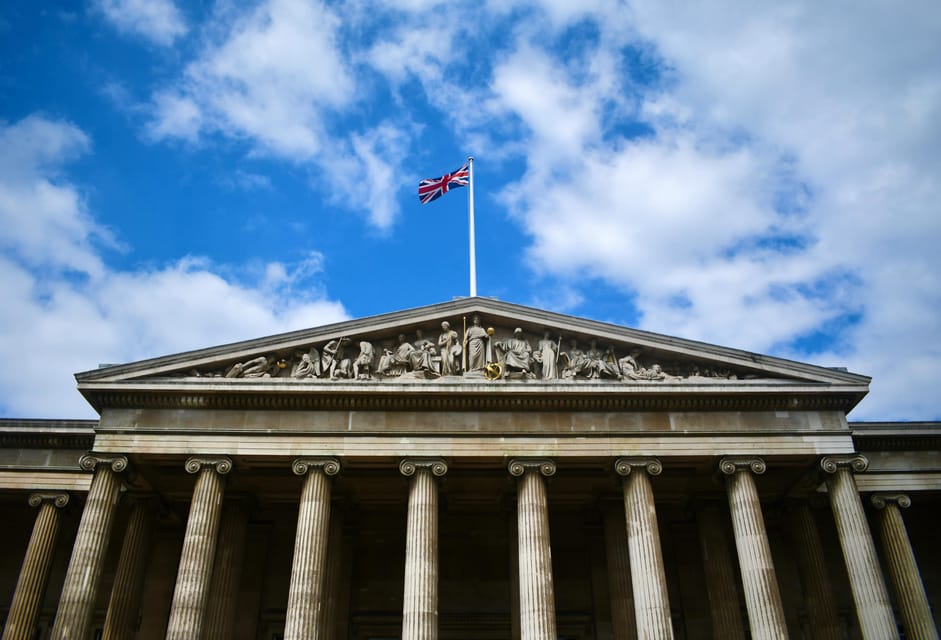
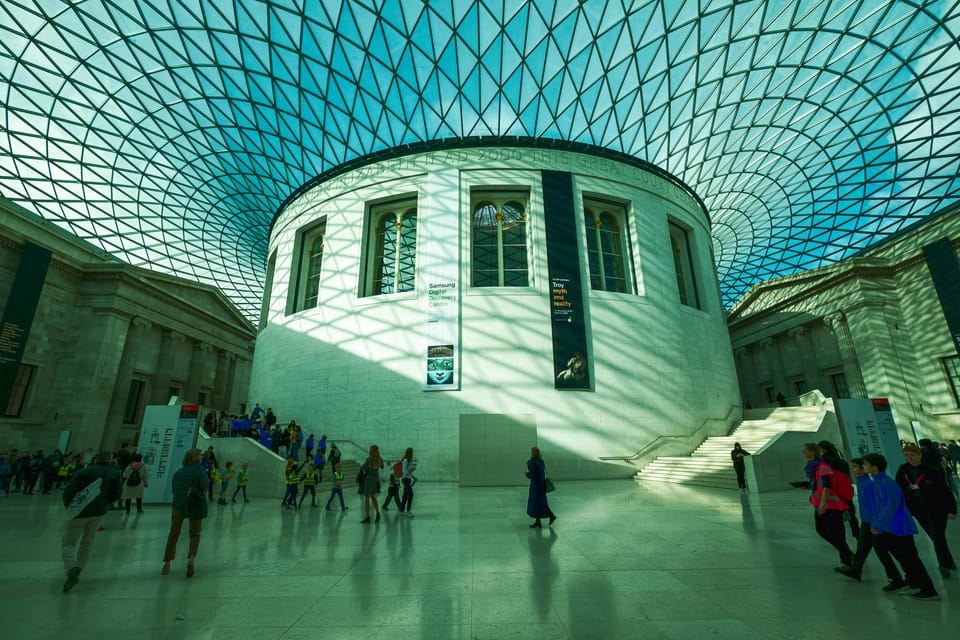
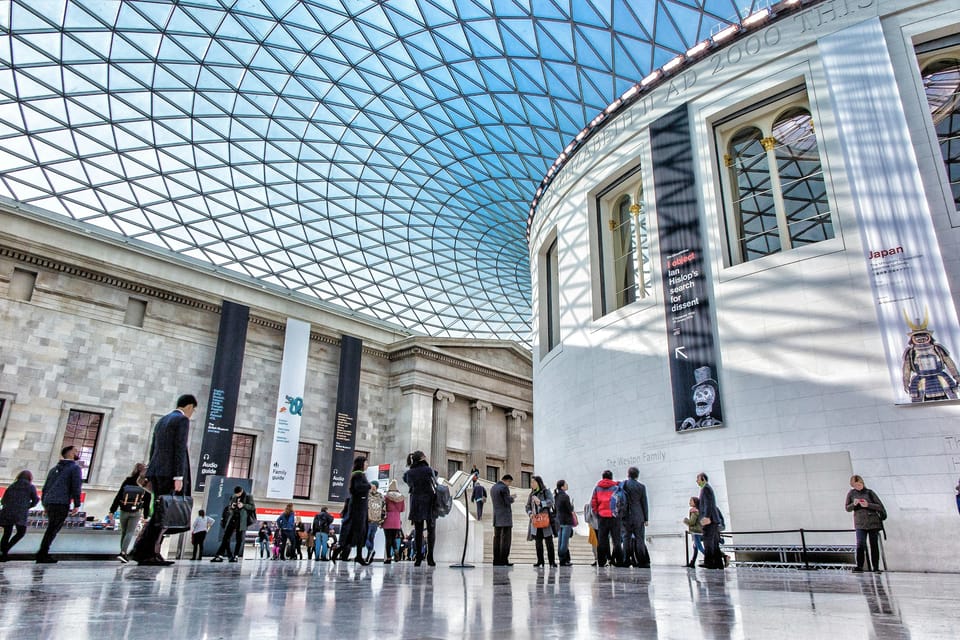
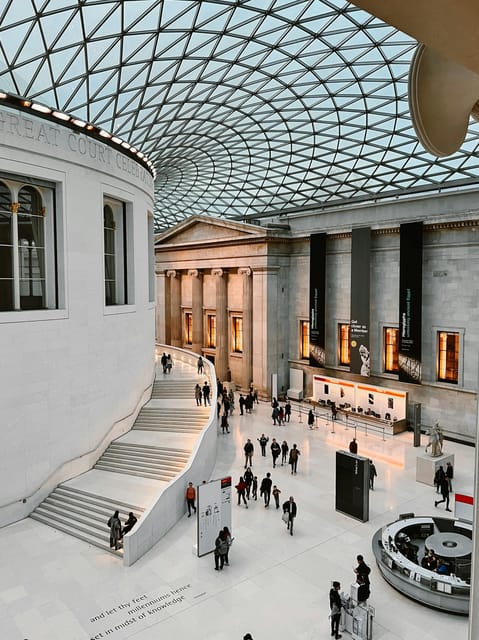
You’ll meet your guide in front of the British Museum portals on the stairs near the pillars, after passing security. Key detail: it should be inside the entry area, not outside the gates.
Tickets are provided 1 to 2 hours before the tour via WhatsApp. If you don’t have WhatsApp, contact the provider by email so they can send the entry tickets another way. Plan your message timing so you’re not scrambling right before your start time.
The museum is wheelchair accessible, so the experience is designed to be workable for visitors who need that access.
One more sound-off point: because this is a guided experience inside busy galleries, show up ready to stand and listen. If your group spreads out, you lose the benefit of the guide’s explanations.
Who this tour is best for (and who should skip it)
This tour is a good fit if you:
- want a fast, guided orientation to a giant museum
- like having a narrative thread while you look at famous objects
- want to see the Rosetta Stone, Parthenon sculptures, Rome highlights, and then two curveballs like Sutton Hoo and a Moai, all in one go
You might want a different approach if you:
- prefer long museum time where you can read everything at your pace
- struggle with understanding certain accents or you need guaranteed audio support
- dislike the idea of a tight schedule that can’t stretch when something captures your attention
A helpful note on guides: Daniel has been described as excellent at keeping the tour informative and smooth in a short window. Filomena has also been praised for strong storytelling with interesting anecdotes and energy. Those are exactly the qualities you want from a two-hour tour.
Should you book this British Museum highlights tour?
If your main goal is a smart first visit, I’d book it. The 2-hour format is perfect when you’re juggling London time and want your visit to start with meaning, not just names. You’ll leave with key objects you can build on, and you’ll understand why some pieces, like the Parthenon marbles, are more than art behind glass.
If you’re picky about hearing your guide in a crowd, do your part: choose the language you’re most comfortable with, get to the meeting point early, and position yourself where you can actually listen. With that small effort, this tour can be one of the best ways to turn the British Museum from overwhelming into manageable.
FAQ
How long is the British Museum guided highlights tour?
It lasts 2 hours.
Where exactly do I meet the guide?
Meet in front of the British Museum portals on the stairs near the pillars after you pass security. Do not meet outside the gates.
Is the entry ticket included?
Yes. The activity includes entry tickets.
How and when will I receive the tickets?
Your tickets are provided 1 to 2 hours before the tour via WhatsApp. If you do not have WhatsApp, contact by email so they can send the entry tickets another way.
What languages is the tour offered in?
The live guide is available in English, French, and Italian.
Is the British Museum accessible for wheelchair users?
Yes. The museum is wheelchair accessible.
Can I cancel and get a refund?
You can cancel up to 24 hours in advance for a full refund.