REVIEW · LONDON
London: Apsley House Entry Ticket
Book on GetYourGuide →Operated by English Heritage · Bookable on GetYourGuide
Apsley House feels like walking into a painting. This grand Georgian mansion at Hyde Park Corner was home to the first Duke of Wellington, and it’s still known to many people as Number 1 London. With opulent rooms packed with fine art and household treasures, it’s one of those London stops that rewards slow looking.
I especially loved the Waterloo Gallery, because it gives the whole Wellington story a dramatic, room-sized frame. I also liked seeing major European painters’ work in context, including paintings by Velazquez and Rubens.
One possible drawback: there’s no tearoom nearby, so plan to do your coffee stop before or after, not inside.
In This Review
- Key highlights at a glance
- Apsley House at Hyde Park Corner: the Georgian townhouse with a royal address
- Entering the mansion: Inner Hall seating and Wellington albums
- The art collection you’ll actually remember: from Velazquez to Rubens
- Waterloo Gallery: where victory feels like furniture
- Basement Gallery: rarely seen pieces and a different viewing mood
- Lighting, sculpture, and the little details that make history real
- Price, time, and planning: getting value for your London hours
- Who should book Apsley House (and who might skip it)?
- Should you book this ticket for Apsley House?
- FAQ
- Where is Apsley House located?
- How much is the entry ticket?
- How long is the ticket valid?
- What does the ticket include?
- Are there audio guides?
- What are the main highlights inside?
- What languages are available?
- Is there a seating area inside?
- Is the visit worth it if I only have a few hours?
Key highlights at a glance

- Number 1 London: Apsley House is the London townhouse linked to the first Duke of Wellington
- A massive collection: about 3,000 paintings, sculptures, and other works across the house
- Waterloo Gallery: a standout room that ties art and achievement together
- Basement Gallery: rarely seen pieces in a different viewing mood
- Inner Hall seating: a place to pause, plus leather-bound albums with Wellington family images
- Audio guidance: audio guides help you follow the key rooms and features
Apsley House at Hyde Park Corner: the Georgian townhouse with a royal address
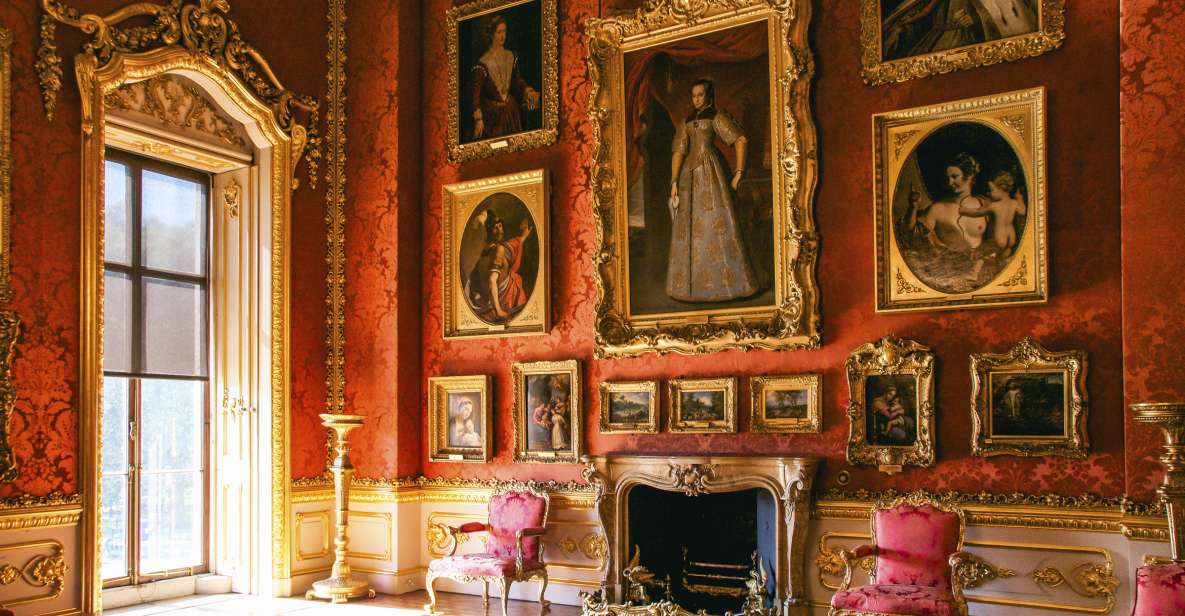
Start with the location, because it shapes the whole experience. Apsley House sits right by Hyde Park Corner, in central London, so it fits neatly into a day that already includes parks, museums, and grand architecture. Even from the outside, the scale signals that this wasn’t a modest residence.
Inside, the house works like a time machine. You’re stepping into a living space that still carries the weight of Wellington’s status and the way his descendants maintained it. That matters, because you’re not just looking at objects. You’re seeing how a powerful family used art and interiors to project identity.
You can also read our reviews of more tours and experiences in London



Entering the mansion: Inner Hall seating and Wellington albums
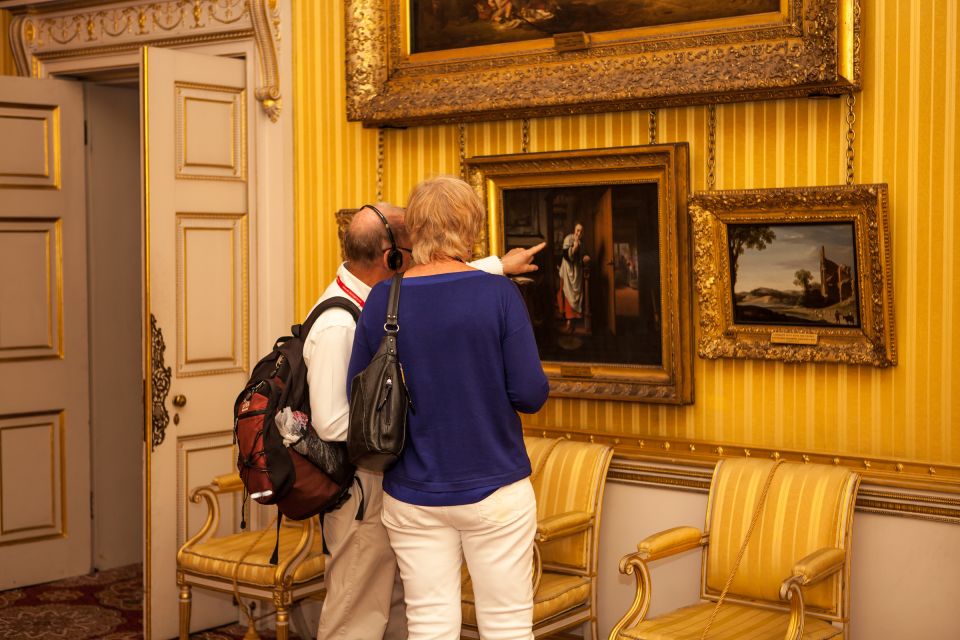
When you first go in, don’t rush past the Inner Hall. It’s where the visit becomes more than a hallway to galleries. There’s comfortable seating, and you can browse through leather-bound albums of images connected to Wellington, his descendants, and Apsley House itself.
That pause is surprisingly useful. If you take a few minutes here, you’ll understand what you’re about to see before you’re surrounded by masterpieces. It’s also the kind of small, human touch that makes an aristocratic townhouse feel less like a distant museum and more like a real home.
From there, you’ll move into the main rooms, where the house switches from “setup and context” to “look closely.” The audio guides (available for following highlights room by room) help you keep track without feeling like you need to study everything at once. You can spend time wherever something catches your eye and still come away with the main story.
The art collection you’ll actually remember: from Velazquez to Rubens
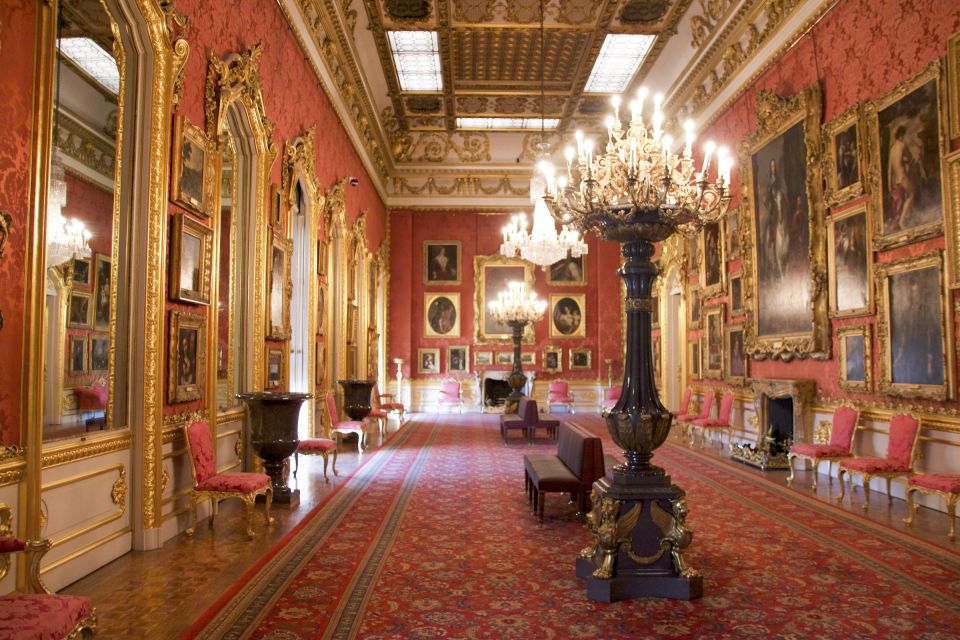
The big draw is the sheer quality and amount of art. Apsley House holds around 3,000 paintings, sculptures, and artworks, which means you won’t just get one highlight and a quick exit. You’ll have to choose your pace, because there’s a lot to see, and the house is designed to reward wandering.
What I liked most is that the art isn’t floating in space. It’s presented as part of the home’s life, with paintings and objects placed so they feel like they belong together. You can spot the range, too, from major painters to items connected to the Wellington family and their world.
This is also where the big-name European artists show up. Paintings by Rubens and Velazquez are part of the collection, so you get a taste of old-master power right in the heart of London. That makes it feel like a focused art visit, not a random side-stop.
You’ll also notice how the house itself does storytelling. The rooms don’t just display art; they frame Wellington’s personal and professional life through the way the interiors are arranged and interpreted. If you like your history grounded in objects and rooms, this will click fast.
Waterloo Gallery: where victory feels like furniture
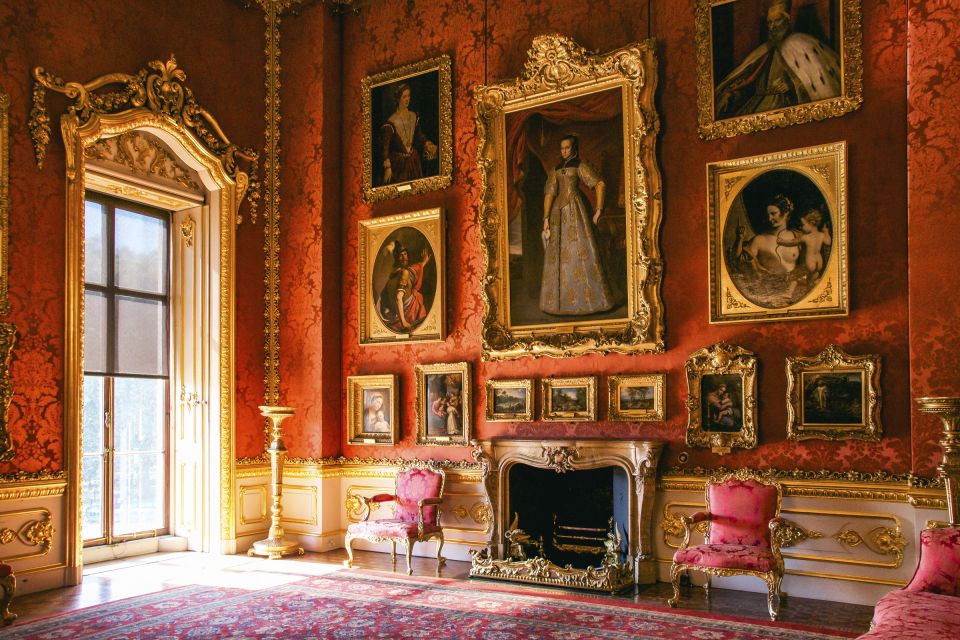
If you only want one must-see room, make it the Waterloo Gallery. This is one of the places where the Wellington connection becomes unmistakable. The space signals what the family wanted visitors to understand: achievement, power, and a sense of national importance.
I like Waterloo Gallery-style rooms because they change your viewing mode. Instead of looking like you’re in a gallery corridor, it feels closer to stepping into a statement. The room’s design and the concentration of key works push you to slow down and look at relationships between pieces, not just individual items.
As you move through, keep an eye on the way art and display work together. You’re not simply seeing paintings. You’re seeing how a prominent household staged meaning through the setting itself. That’s what makes Apsley House feel different from larger museums where everything is spread out.
Basement Gallery: rarely seen pieces and a different viewing mood
After you’ve taken in the main floors, plan time for the basement gallery. This is where you’ll find rarely seen pieces, and it shifts the mood of the visit. The experience becomes more intimate, less about broad spectacle and more about careful viewing.
Basement spaces often create a natural change in how you look—your eyes adjust, and you notice details you might skip upstairs. If you’re the type who likes the “second act” of a house visit, this is a good time to slow down and look for what stands out to you personally.
You’ll also feel the visit become more layered. The main rooms give you the grand presentation; the basement gallery adds the sense that the house keeps more tucked away for closer inspection. It’s a smart way to make the ticket feel worthwhile even if you’ve already seen other stately homes.






Lighting, sculpture, and the little details that make history real
Apsley House has those moments where a small fact changes the whole impression. One standout example is the story of how the house was lit over time. You can learn about the move from candles to oil-lamps to gas lamps, and then to electricity arriving much later (around the 1940s).
What I found interesting is that history isn’t presented as a clean march forward. There was a period when paraffin candles competed with oil, which led to a return to candles at one stage. That’s the kind of practical detail that makes a grand residence feel lived-in, not theatrical.
You’ll also encounter art with real personality. A highlight is Canova’s Napoleon as Mars. The sculpture includes a fig leaf, and there’s a note that it has needed replacement from time to time, which makes the whole object feel less untouchable. It’s a reminder that even famous works have maintenance stories.
These are exactly the moments you want to catch with audio guidance. They turn “I saw it” into “I remember it,” because the house gives you a reason to look closely beyond the surface.
Price, time, and planning: getting value for your London hours
The ticket price is listed at $17.51 per person, and at this price point, the value comes from how much you actually get. You’re paying for a complete entry into a major house collection, not just a short gallery walkthrough. With thousands of works, plus major spaces like the Waterloo Gallery, it’s a lot to pack into a limited time.
Duration-wise, your ticket is valid for 1 day, and you’ll want to check available starting times. That flexibility helps if you’re building your London itinerary around weather or other museum visits. One practical tip: if you’re going during a period when hours vary, double-check the specific opening time tied to your selected slot.
In terms of pacing, you can comfortably treat this as a few-hours stop. The house is big enough to explore without rushing, but it’s not so sprawling that you lose an entire day. If you’re pairing it with Hyde Park walks or nearby sights, it’s a clean fit.
And remember the earlier note: there’s no tearoom nearby, so you’ll want a snack plan. If you hate making decisions mid-visit, grab a coffee close by before you go in, then treat the house as a full-on viewing block.
Who should book Apsley House (and who might skip it)?
I think this is a great pick if you like art with context. If you enjoy seeing how paintings and objects sit inside a real home, not just in a white cube, Apsley House will feel satisfying. The Wellington connection also makes it a strong choice for history-minded visitors who want personality, not just dates.
It’s also ideal if you’re tired of doing London in “big museum mode.” This is a townhouse scale experience with major art, which makes it feel more personal. And if you like guided features, the audio guides help you follow what matters in each room.
You might consider skipping or shortening the visit if you’re only interested in one type of attraction. If you want nonstop theatre or huge interactive displays, an aristocratic townhouse may feel quieter. But for anyone who likes looking, reading, and noticing small stories, it’s an easy yes.
Should you book this ticket for Apsley House?
Yes—if you want a high-value London visit that blends art, interiors, and Wellington history in one coherent place. The price makes it feel accessible, and the room lineup includes big-name art, the standout Waterloo Gallery, and a basement gallery with rarely seen pieces.
Book this visit if you like your sightseeing with time to breathe. You’ll get more out of it by moving slower, pausing in the Inner Hall seating area, and letting audio guidance point you toward the details that turn a collection into a story.
FAQ
Where is Apsley House located?
Apsley House is in Greater London, United Kingdom, at Hyde Park Corner.
How much is the entry ticket?
The price is listed as $17.51 per person.
How long is the ticket valid?
The ticket is valid for 1 day. Starting times depend on availability.
What does the ticket include?
Your ticket includes entry to Apsley House.
Are there audio guides?
Audio guides are available to help you follow the main features of each room in the mansion.
What are the main highlights inside?
You can explore a large art collection, including paintings by Velazquez and Rubens, and visit the Waterloo Gallery and the former home of the first Duke of Wellington.
What languages are available?
The host or greeter is English, and the languages listed are English.
Is there a seating area inside?
Yes. A comfortable seating area has been created in the Inner Hall where you can browse leather-bound albums with Wellington-related images.
Is the visit worth it if I only have a few hours?
It works well as a few-hours outing because it’s focused on the house’s key rooms and collections, including major rooms like the Waterloo Gallery and the basement gallery.