REVIEW · LONDON
London: Architecture Tour of Benjamin Franklin House
Book on GetYourGuide →Operated by Benjamin Franklin House · Bookable on GetYourGuide
Franklin’s house still breathes history. This one-hour architecture tour walks you through his 1730s townhouse, now Benjamin Franklin’s only remaining home in London, with Grade I Georgian and Victorian features you can actually spot as you go. You’ll also get the story threads behind Craven Street Bones, the anatomy school, and Franklin’s personal London life, all tied directly to the building.
The main drawback is physical and practical: it’s a five-storey townhouse with uneven, sloping floors and stairs, plus no wheelchair access. If mobility is a concern, plan for slow movement and use the handrails in every staircase.
Still, at about $16 per person with entry included, this tour is strong value if you like places that explain themselves through real rooms, not just facts on a page. You’re encouraged to ask questions and take photos (with some limits), and the guides make the details feel human.
In This Review
- Key things that make this tour worth your time
- Benjamin Franklin’s House: a Grade I room-by-room story
- Finding the door at 36 Craven Street and settling in for an hour
- Craven Street Bones: the Hewson Anatomy school connection
- Georgian kitchen realities: food, Franklin’s tastes, and the London diet
- Upstairs parlour focus: Margaret Stevenson, guests, and Franklin’s London circle
- The Glass Armonica Room: ending with an actual sound
- Price, value, and the practical rules inside the house
- Should you book this architecture tour?
- FAQ
- How long is the Benjamin Franklin House architecture tour?
- What is the meeting point for the tour?
- Are photos allowed?
- Is the tour suitable for children?
- Is the house wheelchair accessible?
- Are pets allowed?
Key things that make this tour worth your time
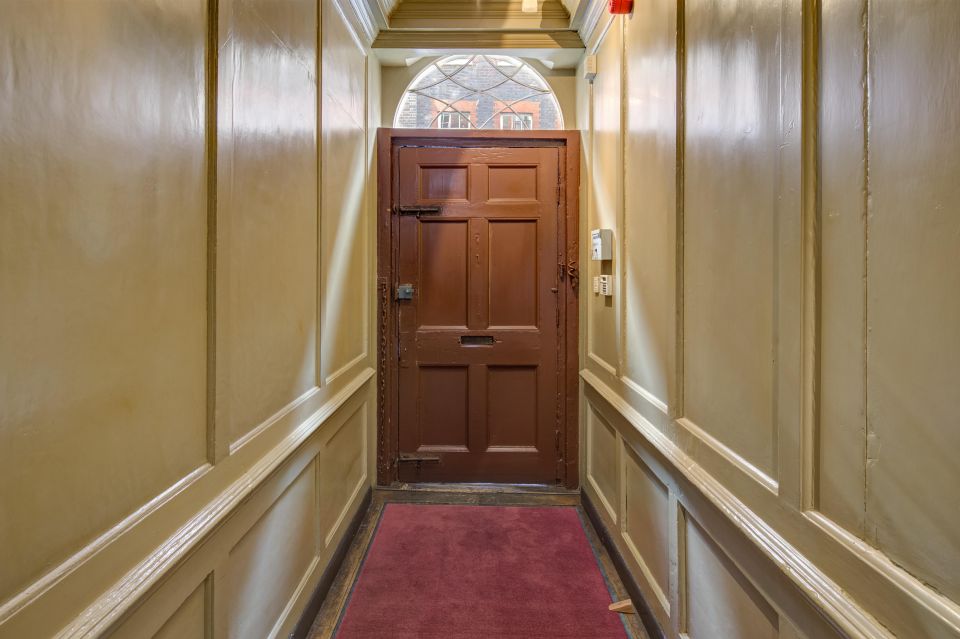
- Benjamin Franklin’s only remaining London residence, where he lived for 16 years
- Grade I listed architecture with surviving Georgian and Victorian features
- Craven Street Bones and surgeon Hewson’s Anatomy school link
- Building timeline from the 1730s to the 2006 conservation opening
- Georgian food talk in the kitchen, including Franklin’s thoughts on London diet
- Hands-on ending in the Glass Armonica Room, with a chance to try playing a tune
Benjamin Franklin’s House: a Grade I room-by-room story
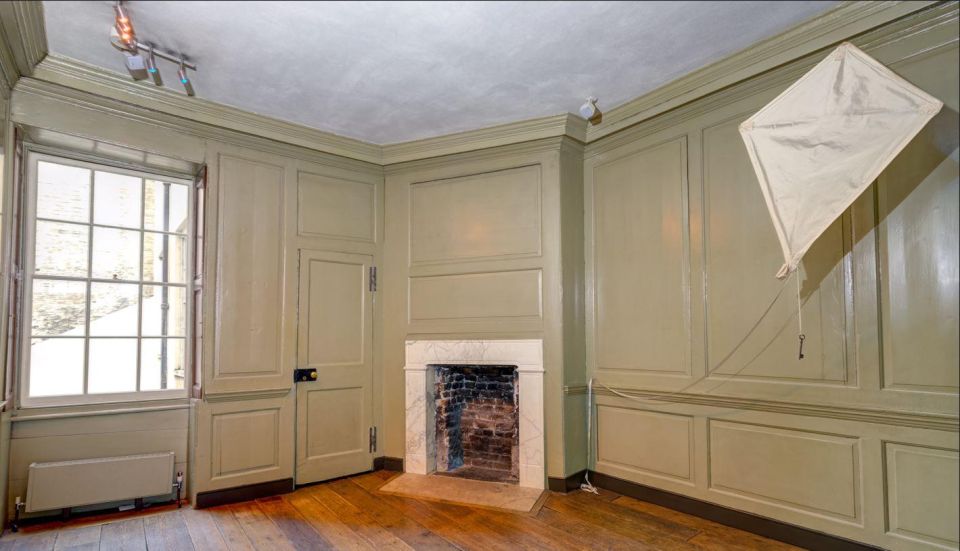
This isn’t a museum where everything is behind glass and you move along like a robot. Benjamin Franklin House is a lived-in style townhouse that still carries the fingerprints of its own eras. The big reason to come is simple: it’s the only remaining home of Benjamin Franklin in London, and he stayed here for 16 years. That turns the experience into more than architecture. You’re walking through the setting of a real person’s work, opinions, and daily rhythms.
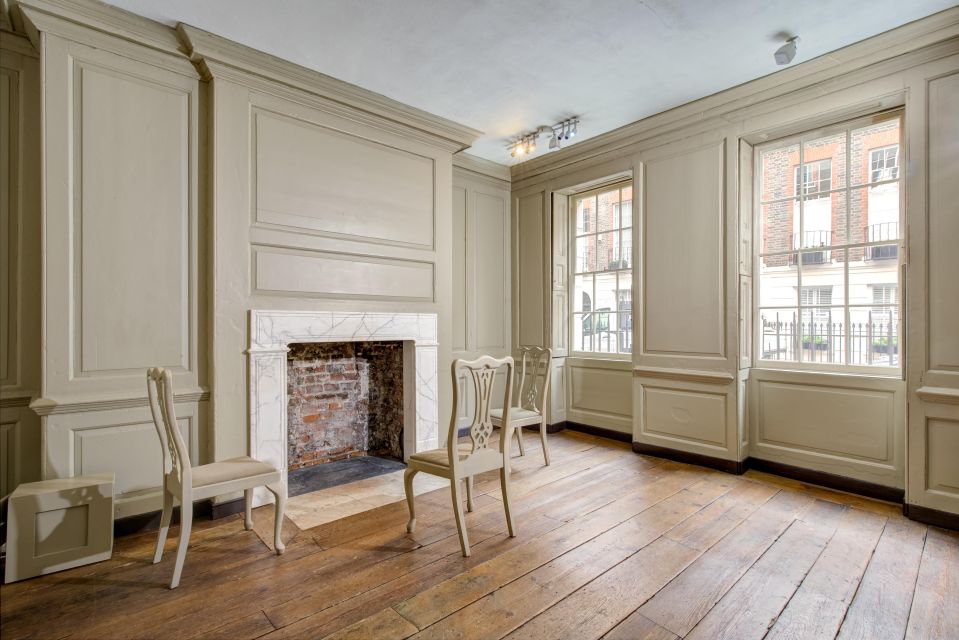
What I like most is that the tour treats the building like a character, not a backdrop. You get Grade I listed Georgian and Victorian features pointed out as you move through the rooms. And because it spans the story from the 1730s through the modern conservation project (when the house opened in 2006), you’re not stuck with one time period.
You also get a strong theme: Franklin didn’t just pass through. He lived here, rented space, hosted guests, and left a London life behind in 1776 when he returned to America to sign the Declaration of Independence.
You can also read our reviews of more tours and experiences in London.


Finding the door at 36 Craven Street and settling in for an hour
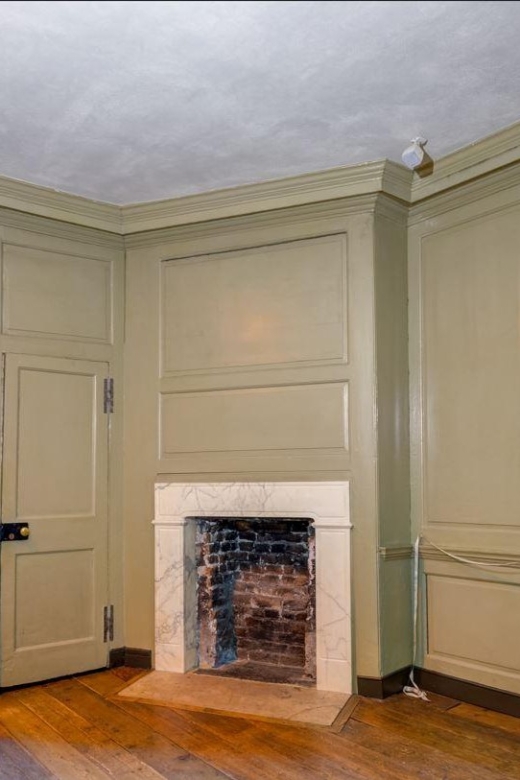
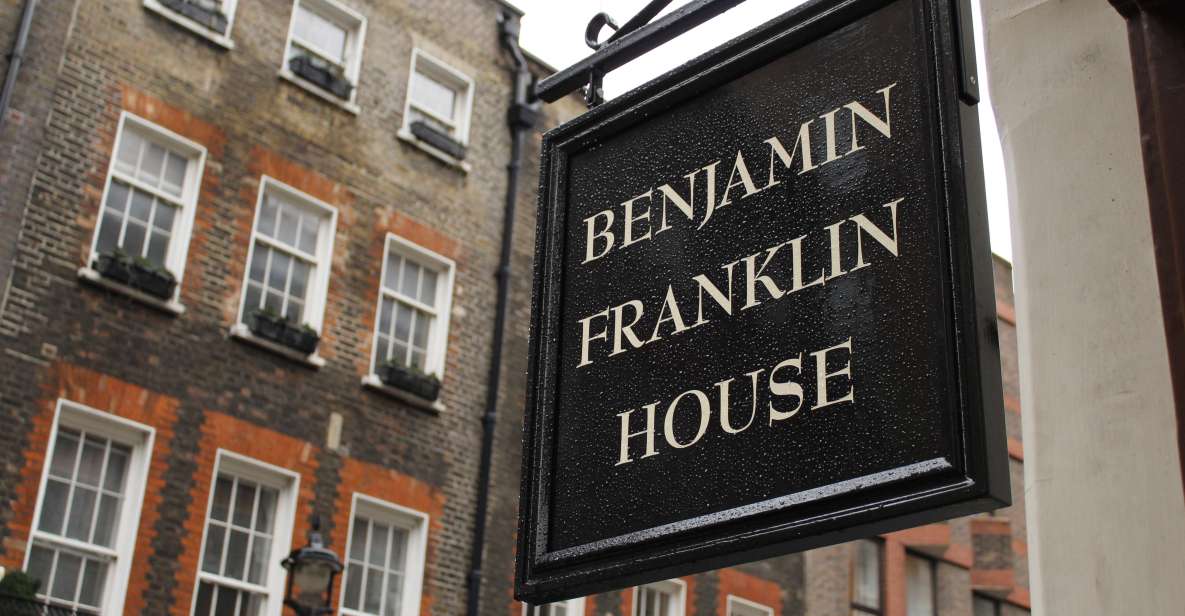
The tour is timed and focused. Expect about an hour, with a live guide who leads you through the house and leaves time for questions at the end. The meeting point is very specific: knock on the door at 36 Craven Street, below the Benjamin Franklin House sign. Do yourself a favor and arrive a few minutes early so you’re not doing last-minute street sprinting.
The guide approach matters here. Two names from staff you might hear include Volunteer Ron and Brian. Both are known for bringing the rooms and Franklin’s story to life with extra detail and energy. Even when the content is historical, the tone stays practical: who people were, what they cared about, and how that connects to the spaces you’re standing in.
One heads-up for your comfort: this is a five-storey townhouse with a staircase between each floor. Floors and stairs are uneven and sloping, but there are handrails on all staircases and seating in the historic rooms. That means you can take breaks, but you should wear shoes with a solid grip.
If you’re the type who likes to ask why things were designed a certain way, you’ll probably enjoy the back-and-forth. Photos are welcome, and you can ask questions as you go and at the end, but there’s a key rule about cameras (more on that below).
Craven Street Bones: the Hewson Anatomy school connection
One of the more interesting story threads is the one about Craven Street Bones. This isn’t just a spooky-sounding label; it’s tied to what surgeon Hewson taught through an Anatomy school. Franklin’s London years overlap with a period where science, medicine, and public curiosity were growing fast. In this tour, the guide uses that thread to help you understand the city Franklin inhabited, not just the man himself.
What makes this stop feel worth the effort is the way it links people, ideas, and place. You’re not asked to imagine a lab from scratch. Instead, the guide connects the architecture and location to the kinds of conversations that would have circulated in that London world. If you like history that explains why people cared about particular topics, this part tends to hit.
Also, it’s a good pacing moment. After the early Franklin framing, this gives you a different angle: London as a place of learning and observation. That context makes the later parlour and political conversation themes land better.
Georgian kitchen realities: food, Franklin’s tastes, and the London diet
You’ll spend time in the kitchen area where the tour leans into daily life. The standout detail here is that you learn about Georgian food in the kitchen and Franklin’s thoughts on the London diet. That’s the kind of information that’s easy to skip in a standard biography, but it helps you picture Franklin as someone making choices in real life.
Why this matters: architecture can feel abstract unless it’s connected to habits. Food is habit. The tour uses the kitchen to show that the house functioned like a working home, not a staged set. So when you later hear about rooms used for receiving guests and discussing public affairs, you’ve got the baseline understanding of how the house supported ordinary routines.
If you’re traveling with kids or you just like approachable history, this kitchen section is often a strong moment. It’s not all big names and dates. It’s practical and grounded, and it gives you something visual to anchor the rest of the tour.
Upstairs parlour focus: Margaret Stevenson, guests, and Franklin’s London circle
One of the most important architectural-and-personal story transitions happens as you head upstairs. The tour brings in Margaret Stevenson, the wealthy widow from whom Franklin rented. This is a key point because the house isn’t just about Franklin moving through rooms. It’s about a relationship between tenants, landlords, and social networks.
In Stevenson’s parlour, the guide talks about influential guests Franklin met. You also learn about the discussions around current affairs. This is where the tour can feel most like a living political map. Franklin wasn’t only writing ideas in private; he was operating inside a web of people who cared about the issues of the day.
The guide also covers Franklin’s relationship with the Stevenson family and his own family, which helps you understand his London life as something tied to real obligations and real emotions. And then the tour brings that thread to its blunt end: Franklin left London and the Stevenson family in 1776, returning to America to sign the Declaration of Independence, and he never returned to London.
That last part hits differently because you’ve seen how much of his life the house represents. The building becomes a witness to a departure, not just a stage for an interesting biography.


The Glass Armonica Room: ending with an actual sound
The final stop is the Glass Armonica Room, named for Franklin’s instrument—made of glass and played by touching it to produce tones. The tour ends with a hands-on moment: guests are invited to try playing a tune.
This is one of those “you have to experience it to get it” bits. Even if you’re not musically inclined, it’s memorable because it turns the history into something physical. It also gives the tour a satisfying close: after anatomy lore, food talk, and political conversations in parlours, you finish with a sensory moment tied directly to Franklin.
If you’re the kind of traveler who likes tours that don’t just stop at explanation, this part is a strong reason to book. You get a story and then a sound to prove it.
Price, value, and the practical rules inside the house
Let’s talk value first. At $16 per person, you’re paying for two things: entry to the house and about an hour guided tour with time for questions. For a London attraction, that pairing matters. You’re not doing a self-guided walk through a pricey venue. You’re using the guide time to interpret the building while you’re in it.
Kids are also treated fairly: children under age 12 enter for free. Carers are admitted free of charge too, and visitors with disabilities qualify for concessionary tickets.
Now the practical rules you’ll want to know so you don’t get stuck at the door:
- No flash photography
- No audio recording
- No drinks, alcohol, or drugs
- No smoking indoors and no vaping
- Pets aren’t allowed, but assistance dogs are permitted
- Bare feet aren’t allowed
Accessibility needs special mention. There’s no wheelchair access, largely because of the Grade I nature of the building and the structure of the stairs and levels. Restrooms are downstairs in the basement, and there is no accessible restroom. There’s visitor seating in historic rooms, and handrails are on every staircase, but you should still plan for stairs and uneven, sloping surfaces.
On the plus side, guide and hearing dogs are permitted in all areas. And you can take photos, just not with flash, so you’ll be able to capture the rooms and details you want without turning the house into a lighting show.
Should you book this architecture tour?
If you enjoy architecture that comes with real human stories—Franklin the tenant, Stevenson the widow, and London the science-and-politics hub—then yes, I’d book this. The hour flies because it’s structured around rooms and themes, and the payoff is strong: Grade I architecture plus Franklin’s personal London life, capped with a chance to try the glass harmonica.
I’d think twice only if you need step-free access. This is not an easy layout. Uneven, sloping stairs and floors, plus no wheelchair access, can make it uncomfortable if you have mobility challenges. If you’re fine with stairs and you use the handrails, you’ll likely find the frequent seating in historic rooms helps you keep your energy.
Finally, if you want a guide who can explain the why behind the house—how it functioned, how people connected, and why particular details matter—this tour is built for that. Names like Volunteer Ron and Brian have a reputation for adding extra detail and staying friendly, which is exactly the kind of guide experience that makes a short tour feel longer in the best way.
FAQ
How long is the Benjamin Franklin House architecture tour?
Tours last about an hour, and there’s time for questions at the end.
What is the meeting point for the tour?
Meet at 36 Craven Street. Knock on the door below the Benjamin Franklin House sign.
Are photos allowed?
Yes. Visitors are encouraged to take photos, but flash photography is not allowed.
Is the tour suitable for children?
Children under age 12 enter for free.
Is the house wheelchair accessible?
No. Benjamin Franklin House has no wheelchair access, and the building has uneven, sloping levels and stairs between floors.
Are pets allowed?
Pets are not allowed, but assistance dogs are allowed.