REVIEW · LONDON
London: Churchill’s Life & WW2 with Tour of War Rooms
Book on GetYourGuide →Operated by Walks - UK · Bookable on GetYourGuide
Churchill’s bunker London changes how you see the city. This 3-hour WWII walking tour blends major landmarks with an underground visit to Churchill’s command center. You’ll follow a guided route that connects speeches, strategy, and the places where Britain tried to outlast the Blitz.
What I like most is how the tour uses the city itself as a timeline, from the RAF memorial area to the clock tower and Parliament. I also really value the small group size (max 15), because you get to ask questions and actually hear the stories behind each stop.
One thing to plan around: the Churchill War Rooms can get busy on weekends and school holidays, and this tour is also not set up for mobility impairments or wheelchair users. If you hate crowds or prefer a very slow pace, you’ll want to think twice.
In This Review
- Key things to know before you go
- From RAF Memorial to Big Ben: how the route sets the mood
- RAF stop and the Boudica Statue: grit and symbolism in plain sight
- Big Ben and Parliament Square: the morale story behind the landmarks
- Westminster Abbey exterior and Downing Street: a quick taste, not a long detour
- Whitehall to Horse Guards Parade: where the government story becomes physical
- Churchill War Rooms: the 1.5-hour underground audio tour
- What the guides do that makes the tour work
- Price and value: is $106.41 worth it?
- Practical tips to keep the day smooth
- Should you book this Churchill’s Life and WW2 tour?
- FAQ
- How long is the London Churchill’s Life & WW2 tour with War Rooms?
- Where does the tour start and where does it end?
- How big is the group?
- Is the Churchill War Rooms part guided?
- Do I need to buy tickets in advance?
- Is hotel pickup included?
- Is the tour in English?
- Do I have to go through security?
- Is it suitable for wheelchair users or mobility impairments?
Key things to know before you go
- Starts at the Royal Air Force Memorial and builds your story from the early war context
- Big Ben, Parliament Square, and Downing Street get short, focused stops so you see the essentials fast
- Whitehall to Horse Guards Parade adds WWII-era context to familiar government landmarks
- Churchill War Rooms is 1.5 hours and is audio-guided inside
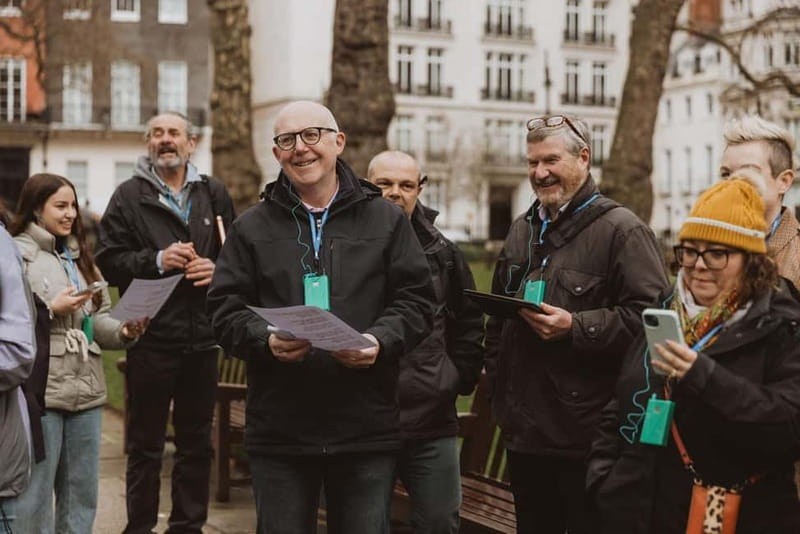
- Small group cap of 15 keeps the walking tour feeling personal, not like a herd
From RAF Memorial to Big Ben: how the route sets the mood
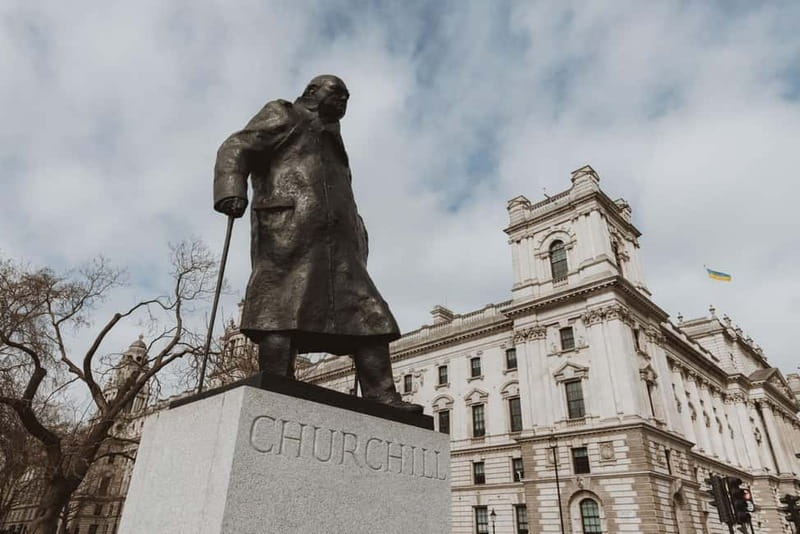
The tour begins near the Royal Air Force Memorial, so the focus starts where WWII air power and British resolve were front-and-center. You’ll want to arrive about 15 minutes early, because you pass through security and need time to get organized before the walking starts.
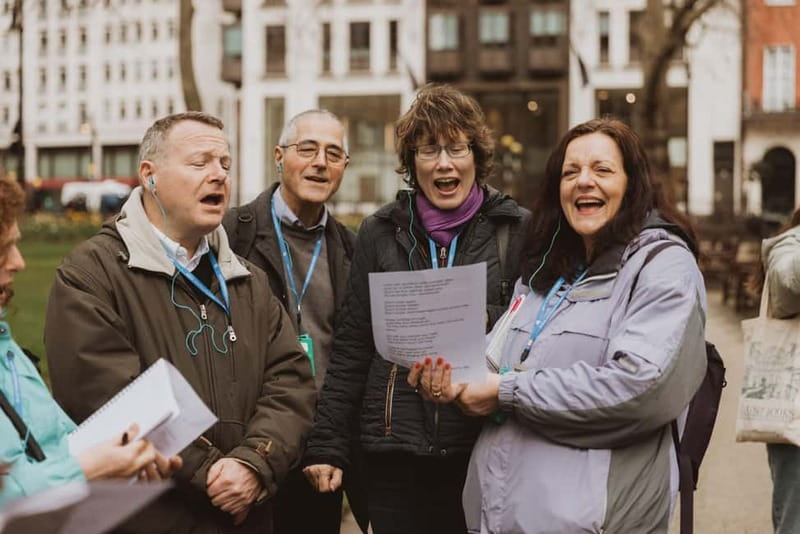
Once you’re grouped up with your guide (English-speaking), you’ll move at a moderate pace along central London streets. The whole format works well if you want to see key sights without spending your day hopping between tickets and audio apps on your own. It’s also a good option for first-time visitors, because the route touches the most recognizable landmarks while still keeping the day themed around Churchill’s London and wartime decisions.
I like that the stops are timed to be quick enough to keep momentum, but long enough that you’re not just glancing at buildings. That matters because Churchill’s story doesn’t land in a single location. Instead, the tour threads the idea of leadership, morale, and planning through what you’re seeing above ground.
You can also read our reviews of more tours and experiences in London.


RAF stop and the Boudica Statue: grit and symbolism in plain sight
Right away, you get a guided moment at the Monument to the RAF (about 10 minutes). This is more than a photo stop. It gives you the war context that helps the rest of the route make sense, especially once the tour starts linking public messaging to real wartime pressure.
Then you head to a quick stop at the Boudiccan Rebellion area (about 5 minutes). This is one of those touches that makes the walk feel thoughtfully connected. You hear how resilience themes show up in Churchill’s own language, and that small detour helps you understand the emotional side of his leadership, not just the dates and events.
These short segments are easy to miss if you’re only thinking about the biggest sights, like Big Ben. But they do something useful: they prepare your brain for why the tour keeps returning to morale, stubbornness, and national identity. If you like your WWII facts tied to people and messages, this part does the job.
Big Ben and Parliament Square: the morale story behind the landmarks
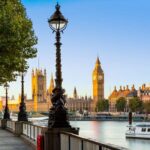
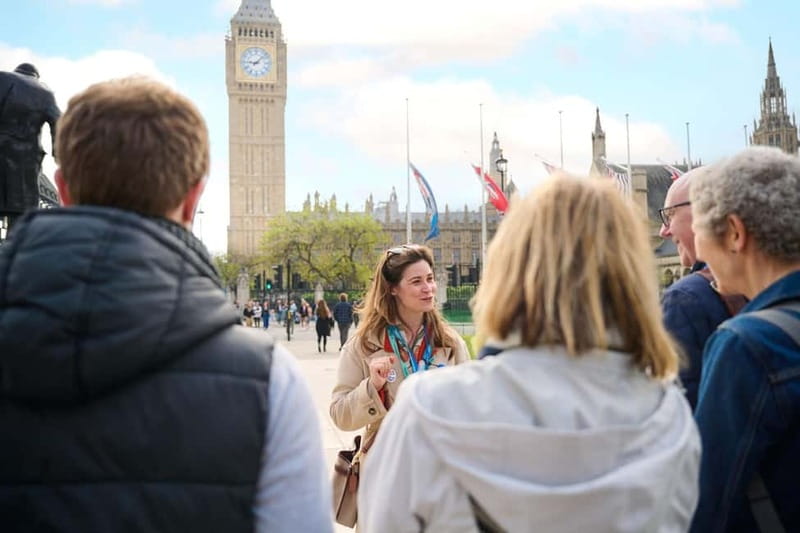
Big Ben (about 10 minutes) is the next major anchor, and the guide’s focus stays on what the tower represents during WWII. You learn how it survived damage and became a symbol of hope. It’s a small detail, but it changes how you look at the clock tower. Instead of it being just a photo icon, it becomes a wartime reference point.
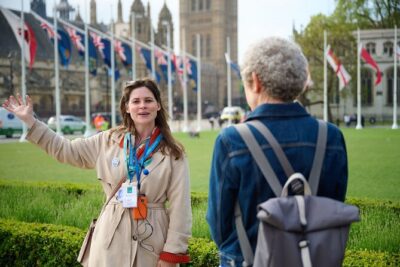
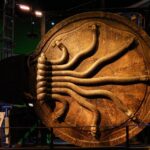
From there, you move to Parliament Square (about 15 minutes). This stop is tightly organized around the Houses of Parliament area and the Churchill Statue. The guide ties these back to the wartime struggle to preserve British democracy during the Blitz—exactly the kind of link that turns sightseeing into story, without turning it into a lecture.
You also get a look at the kind of architecture and civic space where speeches weren’t just performance. In WWII London, public messaging mattered, and Parliament Square is the stage.
Practical note: since this is central London, the sidewalks can get tight around these landmarks. If you’re traveling with anyone who needs a lot of personal space, keep an eye on the pace and where you step during photos.
Westminster Abbey exterior and Downing Street: a quick taste, not a long detour
Next up is Westminster Abbey exterior only (about 15 minutes). That keeps the walking tour moving and avoids turning the day into a museum line. Even as an exterior stop, it’s useful because it keeps the route anchored in the real geography of government and national identity—exactly the world Churchill operated within.
Then you get to 10 Downing Street (about 10 minutes). The tour doesn’t promise entry, but you do get a guided look at the place itself and how Churchill strategized there during the war. It’s one of the fastest stops that still feels meaningful, because the guide connects the building to decisions and planning, not just fame.
This section works best if you’re okay with short stops. If you want long, slow time at each landmark, you might find the schedule feels brisk. But if you want to see a lot of important London without spending hours in transit, this timing is one of the tour’s strengths.
Whitehall to Horse Guards Parade: where the government story becomes physical
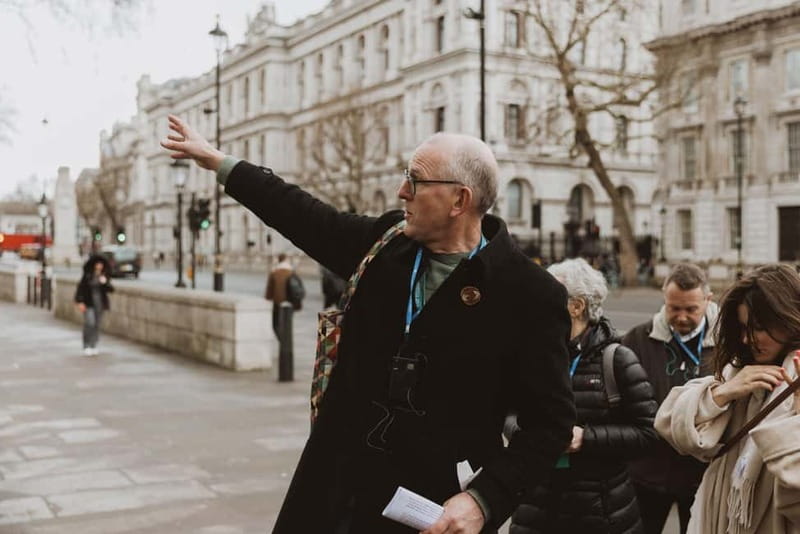
After Downing Street, you walk along Whitehall (about 10 minutes). Whitehall is one of those areas where the buildings already feel official. The guide uses that to explain wartime government presence, so the street becomes more than an address.
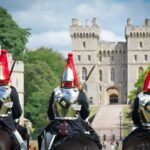
Then comes Horse Guards Parade at Whitehall (about 10 minutes). Here you learn about Churchill’s connection to the historic site. This is another place where you’re not staring at random statues. The guide frames it so you understand why this corner of London mattered in the wartime period.
You end this above-ground stretch at the Guards Memorial (about 5 minutes). The point here is pay respect and connect Churchill’s leadership to the people serving during WWII. It’s brief, but it changes the tone of the tour before you go underground.
If you’re the type who likes thoughtful pacing—fact, landmark, reflection—this sequence hits a good rhythm.

Churchill War Rooms: the 1.5-hour underground audio tour
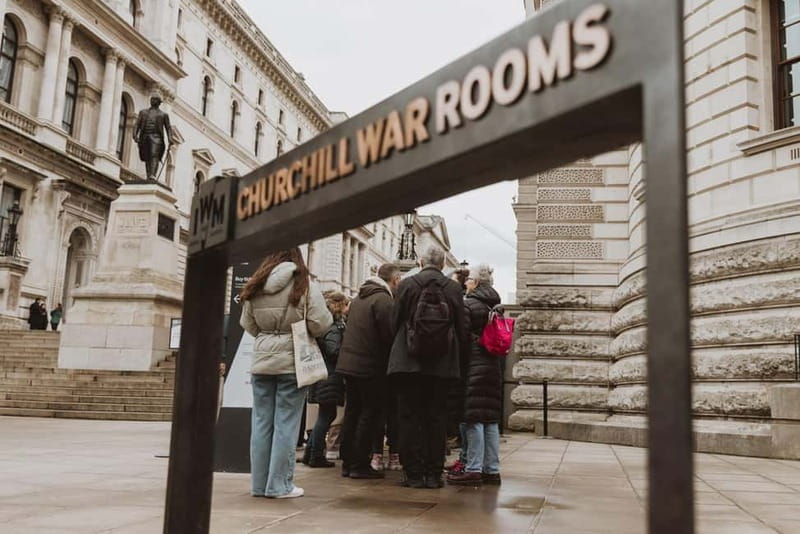
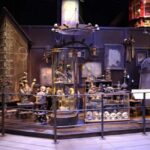
The biggest payoff is last: Churchill’s War Rooms (about 1.5 hours). These were where crucial decisions were made, and the rooms remain unchanged since 1945. You’re stepping into a network of hidden underground bunkers, and the whole point is that this wasn’t a polished visitor set built for today.
Inside, you use an included audio guide so you can move at your own speed. You’ll explore major areas such as Churchill’s private office and the map room, which is where planning and real-time understanding mattered. Because the War Rooms portion is audio-guided, you get a different feel than the walking part of the tour. It’s quieter and more self-paced, which I think is a good match for a site like this.
Two practical thoughts:
- Plan for security before you enter, and know it can slow things down if you arrive right at the start time.
- On weekends and school holidays, the War Rooms can be crowded. If you need breathing room, consider choosing a weekday if your schedule allows.
Also, because it’s underground, you might find it feels cooler and dimmer than the street. That can be a relief from the sun, but bring a layer if your body runs cold.
What the guides do that makes the tour work
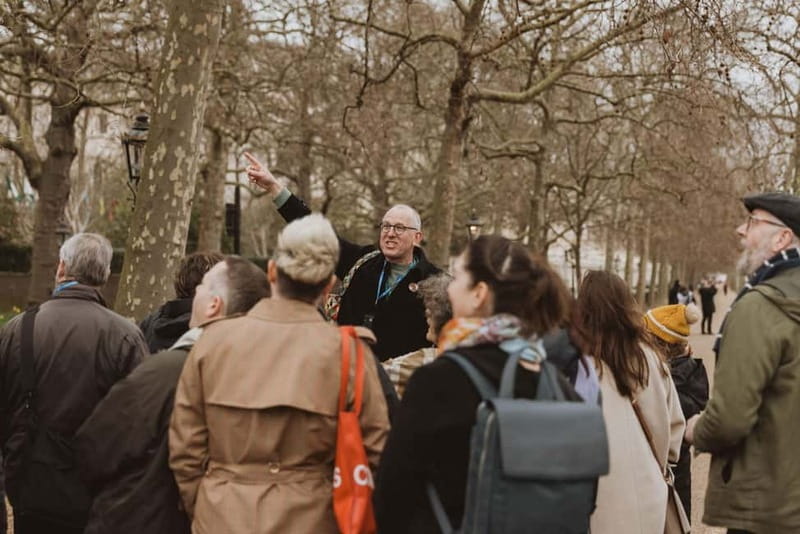
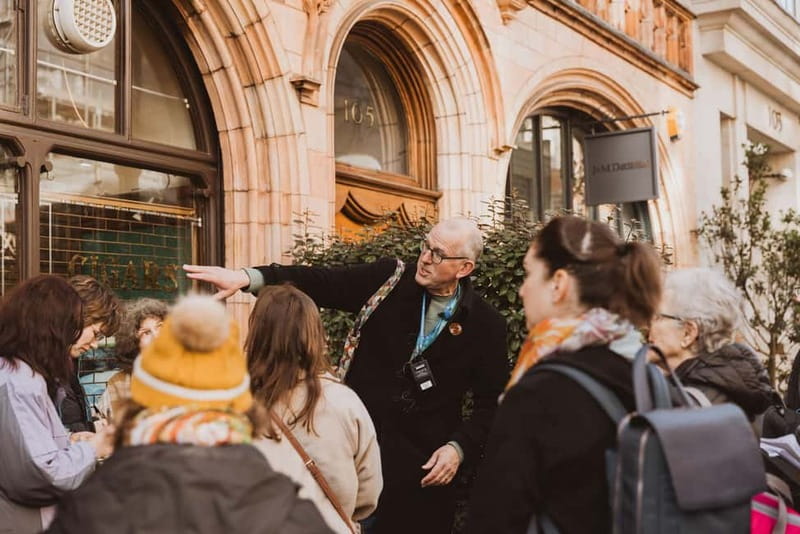
The most praised element across recent guides is how they turn a route of famous landmarks into a story you can follow. Names that come up: Kate, Peter, and Salvadore—each noted for keeping the tone friendly and the pace feeling right.
Peter, in particular, gets praise for being very funny and for keeping the group entertained while staying on topic. That matters because WWII history can go heavy fast. When a guide can mix context with humor, the day stays light enough to enjoy while still being serious about the subject.
Salvadore also stands out for combining WWII London history with Churchill’s personal and public life, and for making the War Rooms ending feel like a strong wrap-up rather than a last stop you’re rushing through. Kate gets called out for knowing Churchill’s life both personally and in terms of his achievements, so the day lands as more than battles and dates.
There’s also a quiet advantage to the small-group setup. Even though the cap is 15, the tour can run with fewer people (one example was a group of six), and that tends to make the tour feel like a conversation instead of a checklist.
Price and value: is $106.41 worth it?
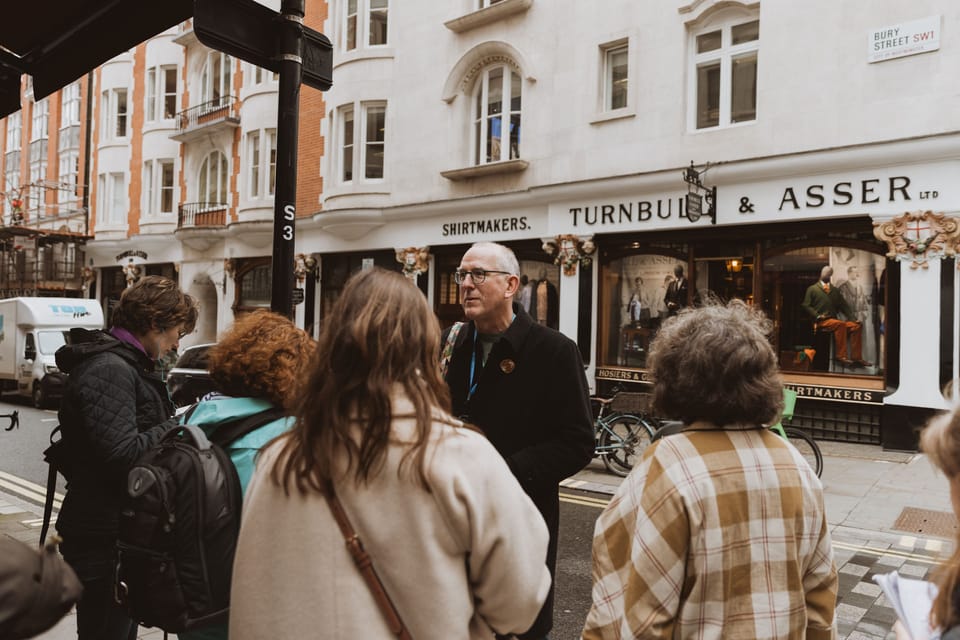
At $106.41 per person, you’re paying for three things at once: a guided walking tour, pre-reserved tickets to the War Rooms with the audio guide, and the convenience of not having to plan transport between sites you already want to see. The small group size (max 15) is part of the value too, because it affects how much you can ask and how quickly you get answers.
You’re also buying time. The day lasts about 3 hours, and within that you hit RAF memorial context, Big Ben, Parliament Square, Westminster Abbey exterior, Downing Street, Whitehall, Horse Guards Parade, Guards Memorial, then the War Rooms for 1.5 hours. If you tried to do this solo, you’d spend more time figuring out routes and dealing with ticket timing.
The main trade-off is that you get no hotel pickup. You’ll need to get yourself to the meeting point and then handle security. If that’s easy for you, the price makes sense. If you’re relying on transport assistance or prefer door-to-door service, it may feel less efficient.
Practical tips to keep the day smooth
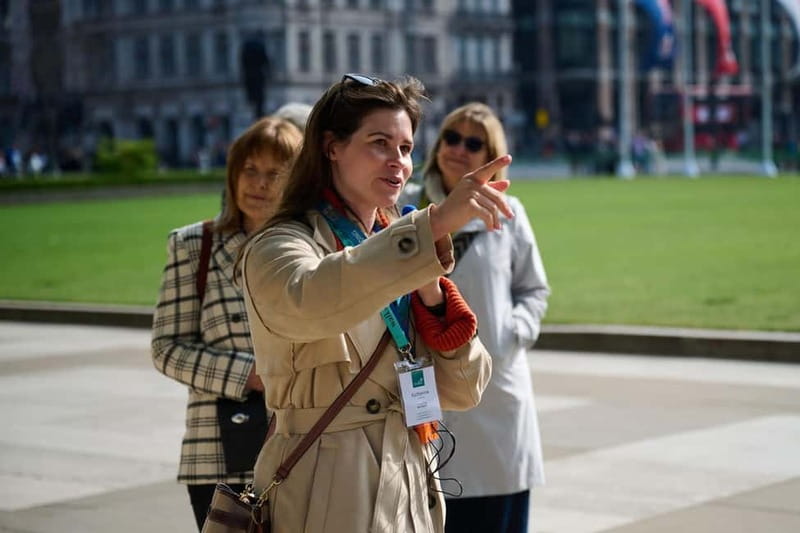
- Wear comfortable shoes. You’re doing multiple guided stops on a city route, and the War Rooms portion adds time underground.
- Arrive early. The guide asks for you to be there about 15 minutes before the start so you can get through security and find the group.
- Don’t plan on strollers or sharp items. Strollers aren’t allowed, and you’ll need to avoid weapons or sharp objects.
- Think about crowds. If you’re sensitive to busy indoor spaces, aim for a less crowded day for the War Rooms.
- If mobility is a concern, double-check the fit. The tour notes it isn’t suitable for guests with mobility impairments or wheelchairs, even though “wheelchair accessible” appears as a general label. For peace of mind, treat the restriction as the real answer.
If you go in with that mindset, the tour feels focused: you’re not stuck waiting, and you’ll get the story instead of just the photos.
Should you book this Churchill’s Life and WW2 tour?
I’d book it if you want a guided London walk that’s actually themed around WWII leadership, not just a random tour that happens to pass historic sites. The route makes sense: it builds from RAF context and morale symbolism, to Parliament and Downing Street, then ends with the War Rooms where the decisions happened.
You should probably skip it if crowds bother you, or if you need a tour designed for mobility impairments or wheelchair use. Also, because the War Rooms part is audio-guided, it’s best for people who enjoy self-paced exploration once you’re inside.
If you like your history tied to real places, this one is a strong fit—and the War Rooms stop gives the day a clear, unforgettable finish.
FAQ
How long is the London Churchill’s Life & WW2 tour with War Rooms?
The tour lasts about 3 hours total.
Where does the tour start and where does it end?
It meets at the Royal Air Force Memorial in London and finishes back at Clive Steps, King Charles St, London SW1A 2AH.
How big is the group?
It’s limited to a maximum of 15 guests.
Is the Churchill War Rooms part guided?
The War Rooms portion uses an included audio guide, and that’s the method used inside.
Do I need to buy tickets in advance?
You get pre-reserved tickets to the Churchill War Rooms as part of the experience.
Is hotel pickup included?
No. There is no hotel pickup or drop-off.
Is the tour in English?
Yes, the live guide is English-speaking.
Do I have to go through security?
Yes. All guests must pass through security.
Is it suitable for wheelchair users or mobility impairments?
The information provided says it is not suitable for guests with mobility impairments or with wheelchairs (and strollers are also not allowed).