REVIEW · LONDON
London in WW2 Walking Tour with Churchill War Rooms Visit
Book on Viator →Operated by Urban Saunters · Bookable on Viator
WWII hits different when you’re standing in the shadow of the government. This 3-hour Westminster walking tour guides you through key sites tied to Britain’s wartime choices, then hands you straight into Churchill’s War Rooms underground offices. It’s a smart way to connect landmarks like Parliament Square and Whitehall to what was happening above ground.
I especially like the mix of street-level storytelling and the included War Rooms time. The group stays small (15 or fewer), and the guides are quick with context, humor, and human-scale details, like how memorials at Whitehall fit into the bigger WWII picture. One thing to watch: several stops are outside only, and Westminster Abbey admission is not included, so you may still want to plan a separate visit if you want to go inside.
In This Review
- Key Highlights You’ll Actually Notice
- Westminster WWII on Foot: Why This 3-Hour Route Works
- Where You Start on the Embankment and How the Walk Feels
- Westminster Bridge: The Green Connection and Real-World WWII Details
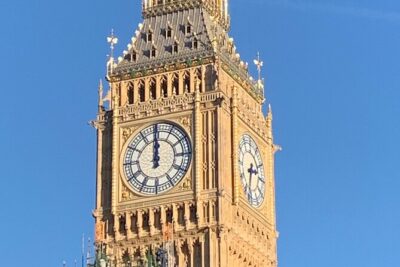
- Houses of Parliament and Big Ben’s Wartime Silence
- Parliament Square: Democracy in Statues, and Why That Mattered
- Westminster Abbey Outside: A Wartime Lens Without the Ticket
- Whitehall and the Memorials That Land Heavier
- Horse Guards Parade: The Quick Photo Stop With Real Character
- Churchill’s War Rooms: Where the Story Goes Underground
- How the Guide Style Changes the Experience
- Price and Value: What $104.02 Buys You
- Practical Tips So You Enjoy Every Stop
- Who This Tour Fits Best (and Who Might Want Another Option)
- Should You Book This Churchill War Rooms Walking Tour?
- FAQ
- How long is the London in WW2 walking tour with a Churchill War Rooms visit?
- How many people are in the group?
- Is entrance to Churchill’s War Rooms included?
- Is Westminster Abbey admission included?
- Where do I meet the tour, and where does it end?
- Is food included in the price?
Key Highlights You’ll Actually Notice
- Small group size (15 or fewer) helps you ask questions and keep the pace comfortable
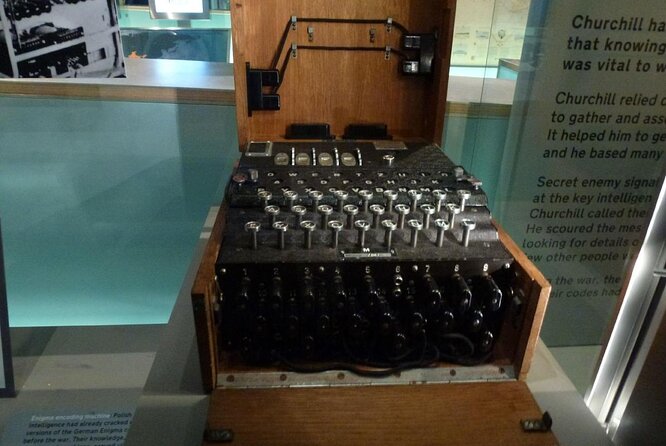
- Churchill’s War Rooms entrance included plus an on-site audio guide
- Westminster Bridge to Whitehall gives you a clear, walkable WWII route through the power center
- Big Ben and Parliament wartime framing turns familiar architecture into a story
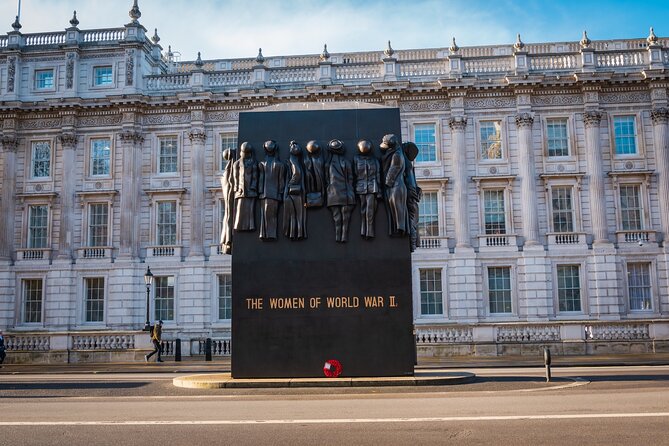
- Cenotaph and Women in WW2 monuments add a respectful memorial moment
- Photo-friendly Horse Guards Parade view at Whitehall
Westminster WWII on Foot: Why This 3-Hour Route Works
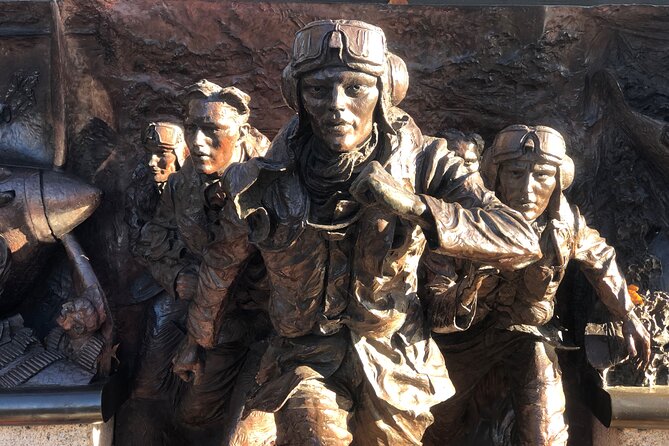
If you only have a short window in London, this kind of tour is worth your time. You get a focused “government and war” walk across Westminster, then you spend about an hour underground at Churchill’s War Rooms.
The value here is the pairing. Outside, you learn how Westminster looked and functioned in WWII. Then inside the War Rooms, the story drops into the real place where decisions were made under pressure—slow enough to absorb, structured enough that you don’t feel lost.
You can also read our reviews of more walking tours in London



Where You Start on the Embankment and How the Walk Feels
The meeting point is at Boadicea and Her Daughters, Victoria Embankment (SW1A 2JH). From there, you walk through the Westminster core, with each stop timed for quick context, photos, and a chance to keep moving.
This is not a “stand around and wait” tour. Most visits are outside and brief—think 5 to 10 minutes—so you’ll cover a lot of ground without burning half a day. You’ll also end at Churchill War Rooms, King Charles St (SW1A 2AQ), so you finish where the main attraction is.
Westminster Bridge: The Green Connection and Real-World WWII Details
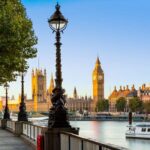
Your first stop is Westminster Bridge, visited outside. There’s a neat detail: it was painted green for the Houses of Commons, a visual clue to how London tried to adapt during wartime conditions.
You’ll also hear the kind of WWII detail that makes the city feel alive again—like how WWII bombs are still discovered in London. That turns the bridge from a postcard scene into a reminder that the war’s consequences didn’t neatly end after 1945.
Tip for your photos: this is a street-level moment, so expect your best shots to come fast. If you want wide angles, give yourself a couple seconds to step back from the curb.
Houses of Parliament and Big Ben’s Wartime Silence
Next comes Houses of Parliament, also outside. This is where the tour starts linking politics to danger: you’ll hear how parliament reacted to the looming threat from the Third Reich.
The tour frames it with dramatic contrast—Big Ben going quiet and the skies filling with Luftwaffe planes. That’s a strong way to understand how institutions coped with threat, not just how they looked in peacetime.
A practical note: because this portion is outside only, you won’t get a formal interior tour of parliament. But the storytelling makes the exterior feel far more specific.
Parliament Square: Democracy in Statues, and Why That Mattered
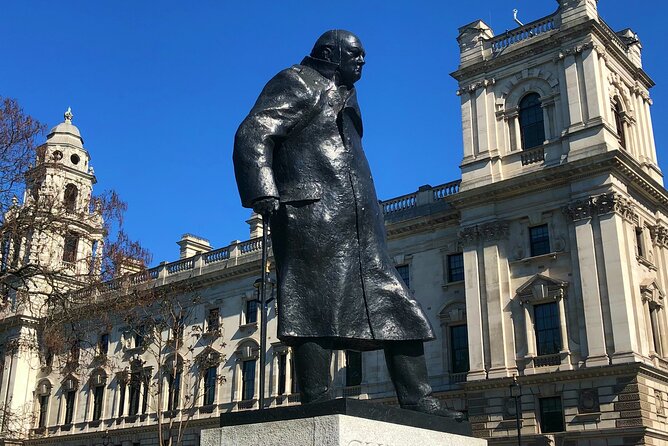
At Parliament Square, you’ll see statues connected to global democracy figures such as Mahatma Gandhi, Millicent Fawcett, and Honest Abe. It’s not just decoration here; the tour ties the theme of democracy to the moral stakes of WWII.
This stop is outside and brief, but it’s one of the better “aha” moments. Westminster is often treated like a museum of government buildings. Parliament Square reminds you it’s also a public space where ideas are displayed in stone.




Westminster Abbey Outside: A Wartime Lens Without the Ticket
You’ll then move to Westminster Abbey, visited outside. Even without an inside visit, the tour uses the setting to connect the cathedral area to WWII-era Britain.
Important: entrance to Westminster Abbey is not included. If you want to go inside the abbey itself, you’ll need to plan that separately.
This is still a worthwhile stop if you enjoy “context sightseeing”—but if your goal is maximum interior sights, plan your schedule so the Abbey doesn’t get cut short.
Whitehall and the Memorials That Land Heavier
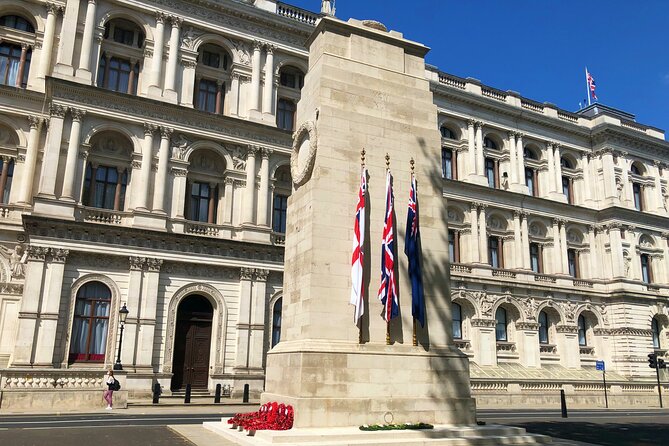
Whitehall is next, and it’s one of the most meaningful parts of the route. You’ll be in the orbit of the Ministry of Defence, and the tour uses the setting to explain Whitehall’s wartime role.
The highlights here are the respectful stops at the Cenotaph and the Women in WW2 monuments. This is where the tour shifts from strategy to people—who was affected, who served, and what the nation chose to remember.
If you like thoughtful pauses on tours, this is where you’ll want to slow your pace. Even a 10-minute stop can feel long in a good way when you’re actually taking in memorial details.
Horse Guards Parade: The Quick Photo Stop With Real Character
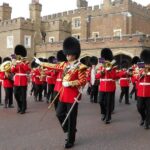
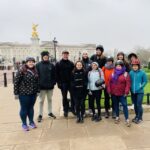
You’ll also hit Horse Guards Parade near Whitehall. This is your mounted cavalry photo window, and it’s also described as an official entrance angle associated with Buckingham Palace.
It’s brief—about 10 minutes, outside only—but it helps break up the heavier themes with something iconic and easy to photograph. If you’re traveling with family, it’s also a fun moment because the scene is instantly recognizable.
Churchill’s War Rooms: Where the Story Goes Underground
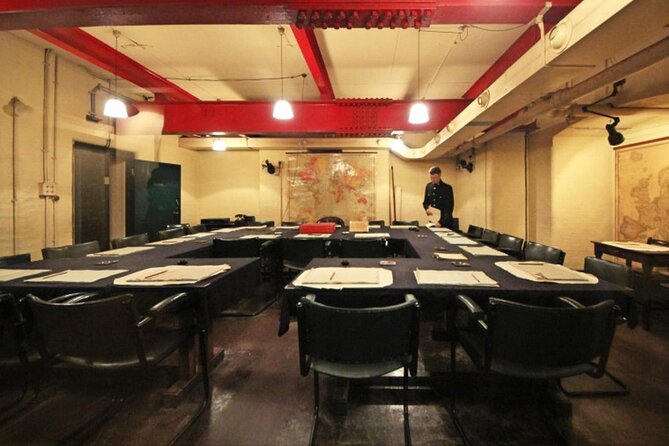
Now for the main event: Churchill War Rooms. The entrance is included, and the visit is about one hour.
This underground complex was the epicenter of the government’s wartime effort—offices where leadership tried to steer Britain away from invasion and collapse. The tour doesn’t just throw facts at you. It sets you up with what to look for, so once you go in, it feels like you’re reading a real place rather than scanning a display.
You’ll have an audio guide while you explore, and the War Rooms portion is self-guided after your guide gets you in. That’s a big plus if you like moving at your own tempo—spend more time where your questions pull you, and skim the sections that don’t grab you.
Also, with included tickets and guide-led entry, you may avoid the worst of waiting. It won’t replace good timing, but it can help you get going faster.
How the Guide Style Changes the Experience
A WWII tour can go one of two ways: either it turns into names and dates, or it turns into a story you can actually hold in your head. The guides for this walk consistently lean into story, and they often add humor without losing the seriousness.
From recent guide names that have led this tour, you may encounter people like Nathan, Babs, Jeremy, Paul, Francis, or Richard. Across those different styles, the common theme is clear: they connect the monuments to the decisions, and the decisions to the human impact.
If you enjoy banter and good explanations, this tour usually hits that sweet spot. One review even notes the guide’s timing and navigation around the area, which matters because Westminster can get crowded.
Price and Value: What $104.02 Buys You
At $104.02 per person, you’re paying for a guided Westminster walk plus an included War Rooms entry and audio guide. For a 3-hour experience, that’s not a budget-only price, but it’s also not inflated given what’s included.
Here’s how I judge the value:
- The small group size (15 or fewer) helps you get more out of the guide time.
- Churchill’s War Rooms entrance is a major cost driver, and it’s included.
- You get structure for the outdoor stops, then freedom during the self-guided underground visit.
What you’re not paying for is also important. Food and drinks aren’t included, and the Abbey interior ticket isn’t included. If you’re expecting a full-day tour with multiple indoor admissions, you’ll want to adjust expectations.
Practical Tips So You Enjoy Every Stop
- Wear comfortable walking shoes. Westminster sidewalks and curb changes add up fast.
- Expect outside stops to be weather-dependent. A light layer can save your day.
- Bring your phone charger or battery pack. You’ll likely want to capture quick angles of Westminster Bridge, Whitehall, and the parade area.
- If you care about interiors, remember Westminster Abbey isn’t included. You’ll need a separate plan if that matters to you.
Who This Tour Fits Best (and Who Might Want Another Option)
This is a strong fit if you want a WWII-focused London introduction and you like government landmarks with a story attached. If you enjoy memorials and want the tour to treat them with respect, the Cenotaph and Women in WW2 monuments portion is a good match.
It may be less ideal if your main goal is “inside sightseeing.” Because so many stops are outside only—and Abbey interior isn’t included—you may end up wanting additional tickets for your extra time in London.
Should You Book This Churchill War Rooms Walking Tour?
I’d book it if you want an efficient, story-led way to see WWII Westminster without guessing your route. The small group size, the included War Rooms entrance, and the guide-led setup for what you’ll see underground all make it feel like more than a casual stroll.
If Westminster Abbey matters to you as an interior visit, plan for that separately. But if you’re happy with strong exterior context plus a full War Rooms experience, this is one of the better ways to spend a half-day in London with real WWII focus.
FAQ
How long is the London in WW2 walking tour with a Churchill War Rooms visit?
The tour is about 3 hours (approx.), with about 1 hour spent at Churchill War Rooms.
How many people are in the group?
The tour is limited to a maximum of 15 travelers.
Is entrance to Churchill’s War Rooms included?
Yes. Entrance to Churchill’s War Rooms is included, along with an audio guide inside.
Is Westminster Abbey admission included?
No. Entrance to Westminster Abbey is not included.
Where do I meet the tour, and where does it end?
You start at Boadicea and Her Daughters, Victoria Embankment (SW1A 2JH) and end at Churchill War Rooms, King Charles St (SW1A 2AQ).
Is food included in the price?
No. Food and drinks are not included.