REVIEW · LONDON
London: The Original Jack the Ripper Walking Tour
Book on GetYourGuide →Operated by See Your City · Bookable on GetYourGuide
Whitechapel at night turns history into a puzzle. This 2-hour Jack the Ripper walking tour has you following real 1888-era locations in the East End, while a guide lays out case theories with photo-based clues and cultural context tied to stories like Sherlock Holmes. It’s one of those London activities that feels like urban detective work instead of a museum lecture.
I love the way the tour keeps a tight focus on the victims and the everyday life of Whitechapel, not just shock. I also like the interactive feel—guides (like Martin Cheng, Nic, and Ivan) tend to answer questions and keep the group moving through the mystery at a good pace.
One thing to consider: this experience includes graphic details and visual content, so it’s not for kids under 12 and it may be a lot for anyone who prefers lighter history.
In This Review
- Key moments that make this tour worth your time
- Whitechapel still feels like a case file from 1888
- Meeting point, timing, and what to do before you start
- Christ Church Spitalfields: history you can frame in one breath
- Spitalfields Market and Mitre Square: the neighborhood’s rhythm, not just the headlines
- Brick Lane: where the story turns into street-level detective work
- Petticoat Lane: understanding witnesses, not just suspects
- Ten Bells in Spitalfields: the walk’s conclusion and the theory wrap-up
- Price and value: paying about $25 for a focused 2-hour experience
- The graphic content factor: how to decide if this is the right fit
- Languages, group pace, and how to get the most out of it
- So, should you book the Jack the Ripper walk?
- FAQ
- Where is the meeting point for the tour?
- How long is the Jack the Ripper walking tour?
- What sights and areas does the route cover?
- Is the tour indoors or outdoors?
- Is it suitable for kids?
- What should I wear or bring?
- Are there stairs, or is it wheelchair accessible?
- Do I get anything included besides the guide?
Key moments that make this tour worth your time
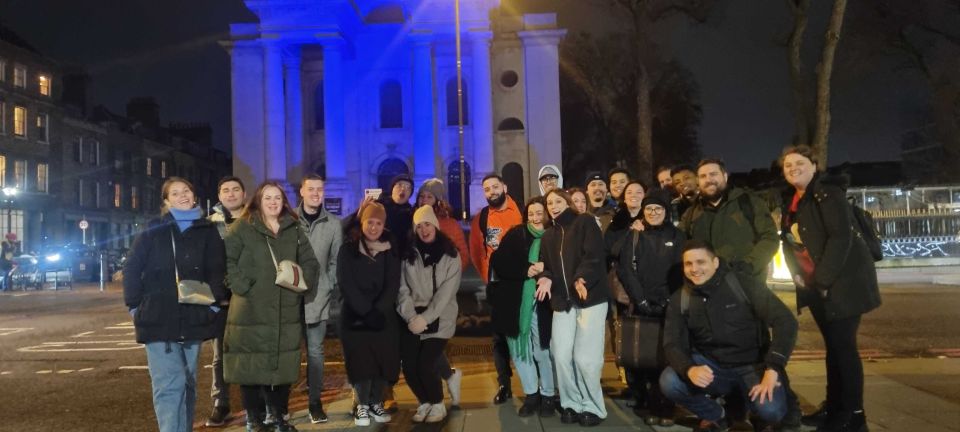
- A guide-led mystery format: you’re asked to weigh evidence and suspect theories as you walk
- Stops tied to Whitechapel’s 1888 geography: Brick Lane, Petticoat Lane, Christ Church area, and Mitre Square
- East End culture, not just crime: daily life context in an impoverished neighborhood
- Victim-centered storytelling: many guides prioritize respect while still covering the grim facts
- Sherlock Holmes context: how the era’s culture helped shape the later pop-culture fascination
- A satisfying finish at Ten Bells: where the walk naturally lands before the final wrap-up talk
Whitechapel still feels like a case file from 1888
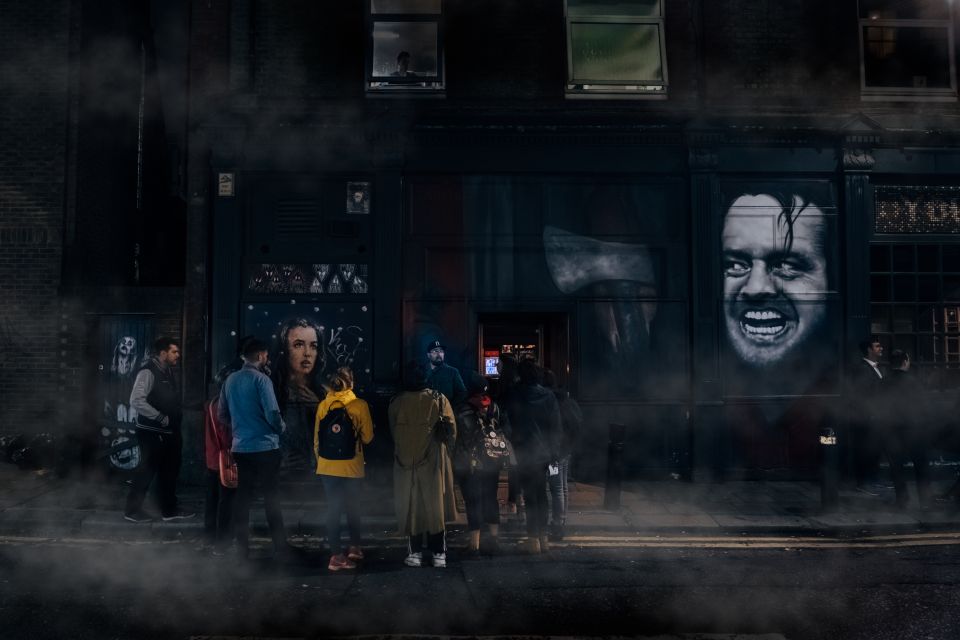
London’s Ripper story works because it lives in layers: foggy streets, crowded lodging, street markets, and people trying to survive the day. On this tour, you don’t just hear a plot—you connect the clues to places. That’s what turns a famous unsolved series of murders into something you can actually picture while you’re standing there.
What makes it work well is the balance the better guides bring. They keep the story moving forward (who, where, and why in Whitechapel) while also slowing down enough to explain how Victorian London functioned—work, poverty, and the social pressures that shaped the neighborhood. And since the murders remain unsolved, you get theories treated as theories, not “this is definitely the answer.”
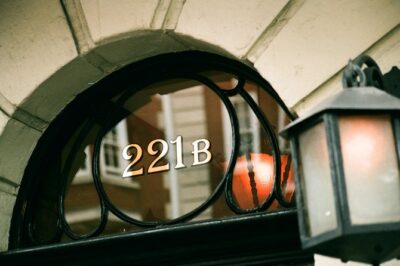
The tour also leans into the cultural impact. You’ll hear how the case fed (and was fed by) the wider fascination with detection—plus the kind of cultural air that eventually made Sherlock Holmes such a lasting figure.
You can also read our reviews of more walking tours in London



Meeting point, timing, and what to do before you start
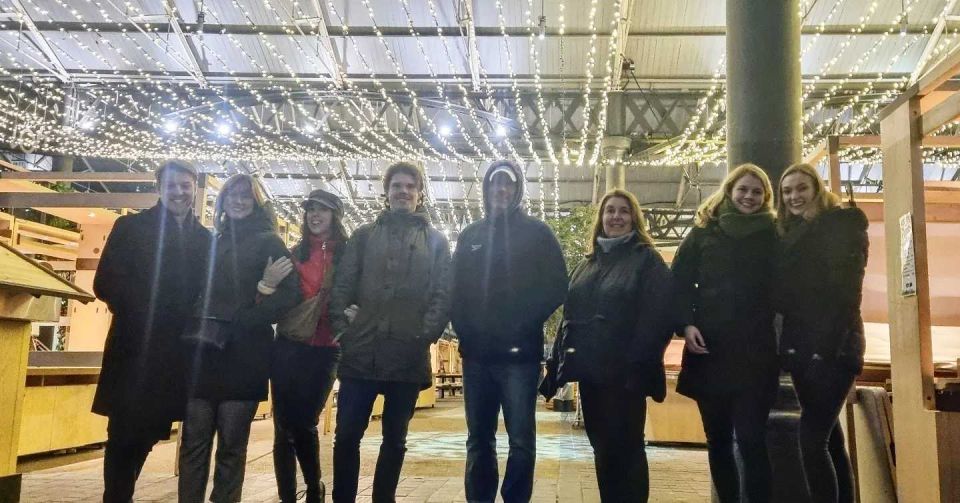
You’ll meet your guide at the west entrance to Altab Ali Park, by the large iron arch gate on the corner of White Church Lane and Whitechapel High Street. Your guide will be holding a blue flag, so it’s usually easy to spot the group at the start.
This is a 2-hour outdoor walk. That matters because Whitechapel weather can change fast, and the walk won’t include a long sit-down break to warm up. Bring comfortable shoes—this is real pavement, not gallery flooring—and dress for the conditions.
You’ll also want to be ready for a tour that mixes facts with “investigation-style” discussion. That can include examining alleged photo evidence and hearing how investigators and theorists tried to narrow suspects. If you’re the type who likes to talk during tours, you’ll probably enjoy the way the guide keeps questions in the flow.
Christ Church Spitalfields: history you can frame in one breath
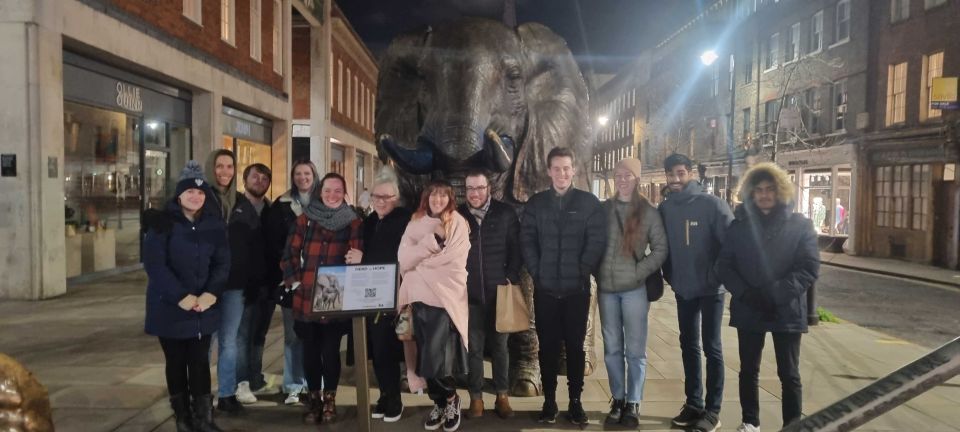
One of the first stops is the Christ Church Spitalfields area, which you pass by as the tour gets going. On paper, it’s just a landmark. In practice, it sets the tone: this is the kind of part of London where churches, markets, and crowded streets sit close together, all within walking distance of where serious trouble also unfolded.
A good guide uses spots like this to help you understand the neighborhood’s “normal life” alongside the crimes. That’s important because the Ripper story isn’t only about a killer—it’s also about a community under pressure. When you know what the streets were like for everyday people, the crime story stops feeling like distant tabloid drama.
If you prefer your tours strictly chronological, you’ll still get a clear story thread here. Guides typically don’t jump around wildly—they use each location to answer a small piece of the bigger mystery.
Spitalfields Market and Mitre Square: the neighborhood’s rhythm, not just the headlines
From there, you’ll move through the Spitalfields Market area and Mitre Square (both passed by). These stops do more than “mark geography.” They help you picture how people moved, shopped, worked, and lived. That’s key for understanding why Whitechapel became the center of attention.
Here’s why this matters: the tour doesn’t treat the murders as if they happened in a vacuum. You’ll hear how Whitechapel was impoverished at the time, with routines and pressures that shaped what witnesses might have noticed—and what the wider public might have overlooked.
This is also a place where the best guides bring in cultural context that connects to later pop culture. You’ll hear about how the period’s fascination with detection grew, and how it’s tied to the kinds of stories that later made characters like Sherlock Holmes so enduring. In a city full of plaques, it’s refreshing when a tour explains the “why this mattered” behind the landmark.
Brick Lane: where the story turns into street-level detective work
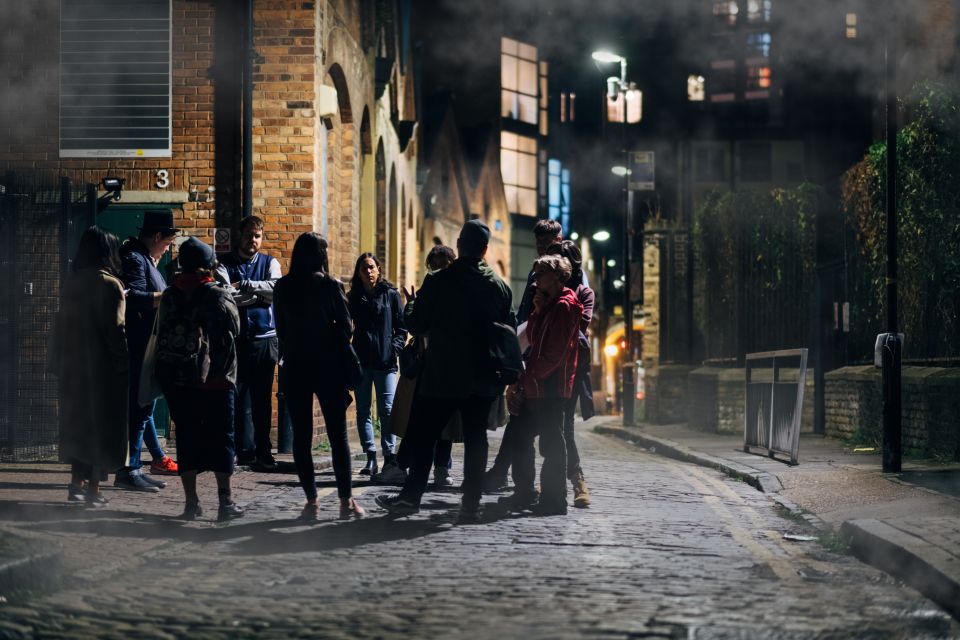
Brick Lane is one of the main street stops, and it tends to be where the tour’s energy clicks up. This isn’t just sightseeing. It’s where you start treating each corner like a clue: who could have been around, what routes people might have taken, and why the geography of Whitechapel mattered.
Guides often use Brick Lane to talk about motive and opportunity in a way that stays grounded in the era. You’ll hear why someone might target a specific neighborhood rather than a random part of London, and you’ll get theories about why Whitechapel became the focal point.
Two things I’d pay attention to here:
- Whether the guide gives you a clear explanation of what’s known versus what’s argued.
- Whether the guide connects the crimes to everyday life details, not only to the sensational parts.
Based on the way top guides handle this walk—guides like Nic, Ivan, and Anna are often praised for storytelling and pacing—you should expect a mix of atmosphere and explanation rather than a purely theatrical routine.





Petticoat Lane: understanding witnesses, not just suspects
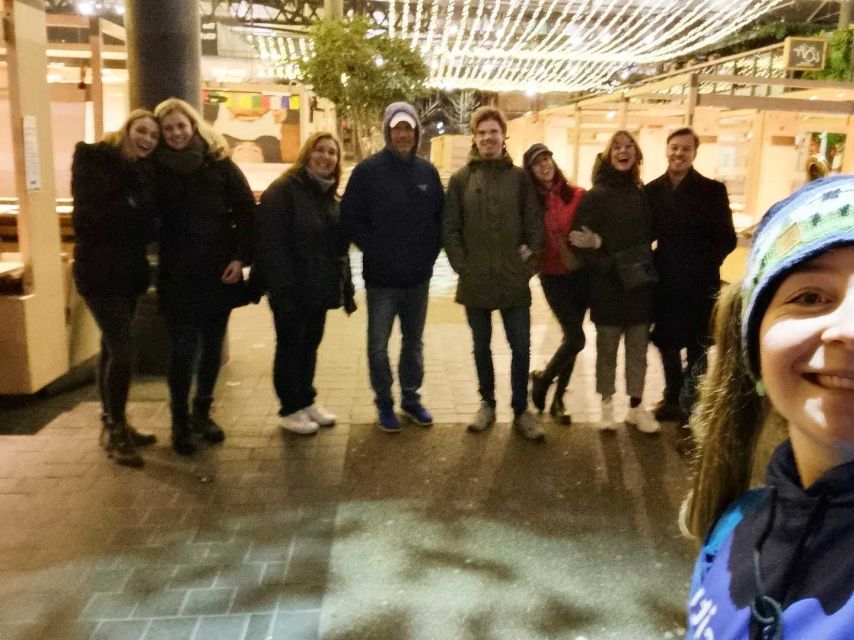
You’ll also cover Petticoat Lane, again as an active part of the walking route rather than a quick photo stop. This is a good moment to reflect on one of the hardest parts of true crime: information isn’t clean. It’s messy. People remember things differently. Rumors spread. And in a densely populated area, the same street can hold many ordinary interactions alongside something horrific.
The tour’s approach helps here. Instead of treating every claim as fact, you’ll hear theories about alleged suspects and how people tried to connect dots. The guide may reference how investigators considered evidence (including photo-based material) and what questions stayed unanswered.
This is also where the most respectful guides matter. Some guides are specifically praised for focusing on the victims’ lives in a thoughtful way while still covering the case details. That tone is a big part of why the experience tends to land well for people who want both history and a human perspective.
Ten Bells in Spitalfields: the walk’s conclusion and the theory wrap-up
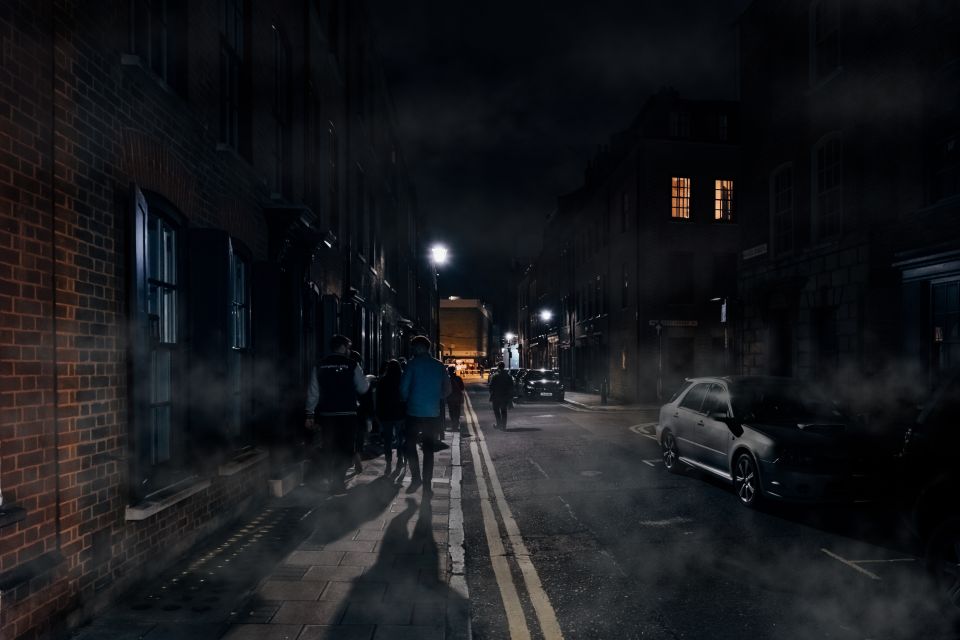
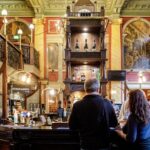
The tour finishes at The Ten Bells Spitalfields. Ending at a pub makes sense for a couple reasons: it gives you a clear “done” point and it’s a familiar social landmark in an area where people gathered for everyday life.
But it’s not just a marker. The finish area is often where the guide tightens everything together: what the theories try to explain, what evidence suggests, and what remains unresolved. Since the murders were never conclusively solved, the final talk has to do more than repeat facts—it has to show you how people build theories from limited information.
You’ll also hear the broader cultural story. The Ripper case didn’t just shock Victorian Britain; it helped set the stage for a certain kind of public fascination with crime and detection. Guides may tie this back to the cultural context behind Sherlock Holmes, so the last moments feel less like a dead end and more like a real closing chapter.
Price and value: paying about $25 for a focused 2-hour experience
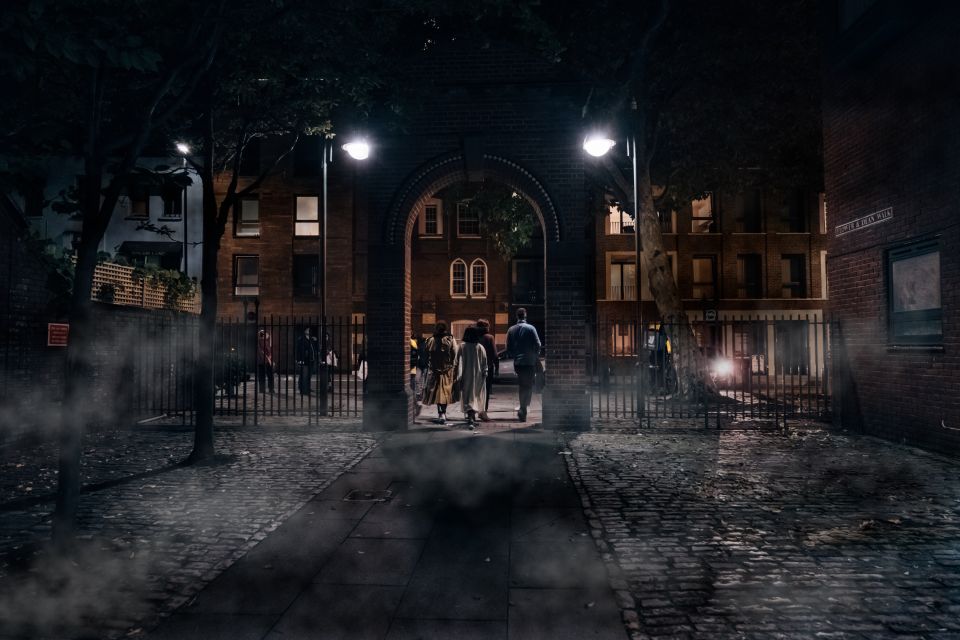
At about $25 per person for two hours, this is priced for a “high output” street experience. You’re not paying for entry fees. You’re paying for someone to connect multiple real-world locations to a coherent narrative, and to do it while keeping the walk moving.
In practical terms, you get:
- Expert-led storytelling using case context, alleged evidence, and competing theories
- A route through East End streets you might not find on your own
- A blend of crime history plus everyday-life background
That combination is what makes the value feel strong. A typical sightseeing walk can show you sights; this one adds interpretation. And if you pick a guide with a good delivery style—people praise guides for answering questions, keeping the group engaged, and even using humor lightly while staying respectful—you’ll likely feel the $25 is doing its job.
The graphic content factor: how to decide if this is the right fit
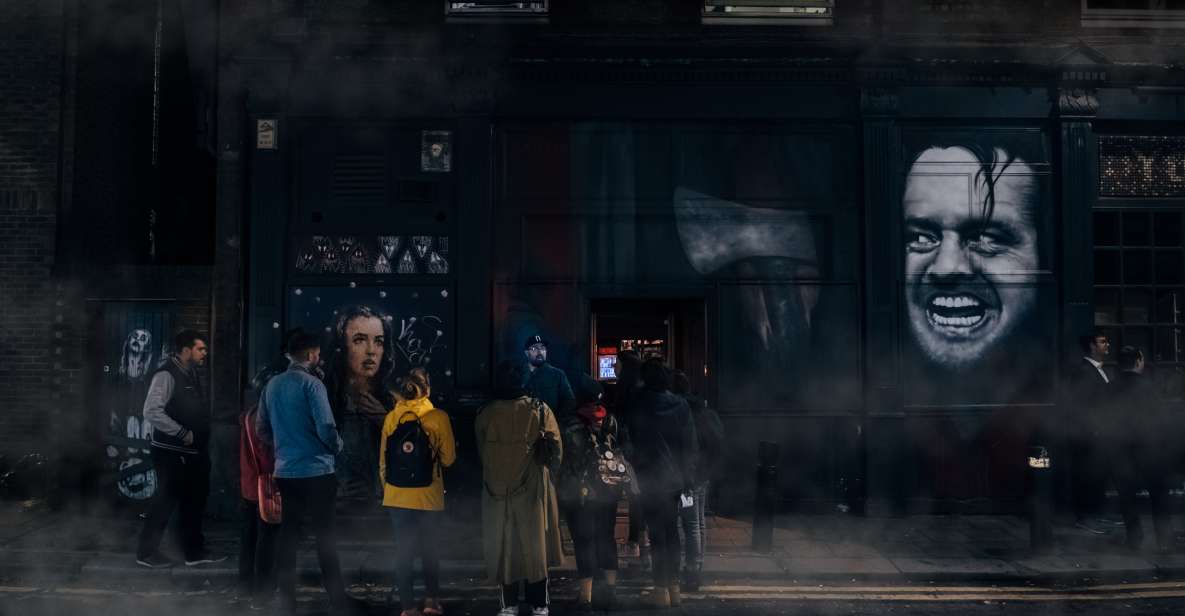
This tour includes graphic details and visual content, and it’s explicitly not suitable for children under 12. Participants under 18 must be accompanied by an adult, since the material can be heavy.
If you’re sensitive to true crime, take that seriously. You don’t need to be squeamish about history to choose the right activity for your mood. This is “crime-story history,” not a gentle overview.
That said, what impressed me about the best guides is the way they handle the subject matter with respect. Many guides are praised for focusing on the victims’ stories thoughtfully, while some also help keep the mood from turning into pure grimness. For me, that balance is what turns a heavy topic into an educational one instead of a purely upsetting one.
Languages, group pace, and how to get the most out of it
The tour is offered with live guides in Spanish, Italian, French, English, and German. That matters if you want to keep up with the story without straining. It also means you should plan to arrive on time at the meeting gate so you don’t miss the setup.
The pace tends to be steady rather than rushed. Guides who are strong at group management are often praised for:
- keeping the walk interesting
- interacting with the group
- making sure people can hear clearly (including those at the back)
If you’re the kind of person who asks questions, bring it. If you’re shy, don’t worry. Many guides still weave questions into the narrative in a way that doesn’t force anyone to speak up.
So, should you book the Jack the Ripper walk?
I think you should book this tour if you want more than trivia. This is for you if you like detective-style storytelling, if you enjoy connecting famous crimes to real street geography, and if you want Whitechapel history that includes the everyday struggle of the era—not just the sensational parts.
Skip it (or choose a different style of tour) if you strongly prefer light, family-friendly content. The graphic details and visuals are part of the experience, and the tour is aimed at adults and older teens only with the right supervision rules in place.
If you’re on the fence, here’s my practical advice: wear good shoes, bring layers for the weather, and go in expecting a respectful crime-history story with theories you’re asked to weigh, not a tidy “case closed” ending. That’s the deal with Jack the Ripper—and it’s also what makes this walk so gripping.
FAQ
Where is the meeting point for the tour?
Meet your guide at the west entrance to Altab Ali Park, at the large iron arch gate on the corner of White Church Lane and Whitechapel High Street. Your guide will be holding a blue flag.
How long is the Jack the Ripper walking tour?
The tour lasts about 2 hours.
What sights and areas does the route cover?
You’ll pass by stops including Christ Church Spitalfields, Old Spitalfields Market, Mitre Square, Brick Lane, Petticoat Lane, and the tour finishes near The Ten Bells Spitalfields.
Is the tour indoors or outdoors?
It takes place entirely outdoors.
Is it suitable for kids?
No. It’s not suitable for children under 12, and participants under 18 must be accompanied by an adult. The tour includes graphic details and visual content.
What should I wear or bring?
Wear comfortable shoes and dress for the weather since you’ll be outside the whole time.
Are there stairs, or is it wheelchair accessible?
The tour is wheelchair accessible. It doesn’t include stairs or many inclines, but public paths can vary.
Do I get anything included besides the guide?
You get a 2-hour Jack the Ripper walking tour with a Ripperologist guide. Food and drinks are not included.