REVIEW · LONDON
London: Jack the Ripper Small Group Tour
Book on GetYourGuide →Operated by Empire Tours and Productions LLC (United Kingdom) · Bookable on GetYourGuide
A walk through Whitechapel turns history into chills. This 2-hour Jack the Ripper small-group tour strings together street-level locations with interactive storytelling, including evidence and re-enactments. You’re not just hearing names and dates. You’re walking the same East End streets connected to the murders.
What I liked most is the emphasis on historical accuracy and the way the guide frames the case with a sympathetic, victims-first tone. That combination makes the whole experience feel serious without turning it into cheap shock value.
One thing to consider: it’s a dark subject and it involves violence, and you’ll also be doing a proper outdoor walk. Also, the guide can’t wait for late arrivals, so plan to show up on time.
In This Review
- Key highlights to know before you go
- Entering Whitechapel on foot: why this tour works
- Meeting at Aldgate East and avoiding the first stress
- Whitechapel Road: where the story turns into street-level reality
- Spitalfields and the market streets: life alongside the crimes
- Ten Bells Pub: the landmark stop where rumor meets evidence
- Brick Lane and the changing East End
- Aldgate East again: finishing with mystery, not a neat bow
- How the guides deliver the case: interactive, evidence-led, and human
- Price and value: why $26 can be a bargain
- Weather, comfort, and timing: plan like you’re outside for two hours
- Who should book this Jack the Ripper walking tour
- Should you book it
- FAQ
- How long is the London Jack the Ripper small-group tour?
- Where do I meet the guide?
- What languages are available?
- Is the tour wheelchair accessible?
- Is food or drink included?
- Is this a small group tour?
- What if I arrive late?
- Is there free cancellation?
- Is there a reserve and pay later option?
Key highlights to know before you go
- Small group size that leaves room for real questions along the way
- Evidence-led storytelling with stories, facts, and supporting materials
- Street-by-street stops around Whitechapel Road and nearby neighborhoods
- Ten Bells Pub as a landmark stop tied to local lore
- Photos and re-enactments used to help you picture what life looked like in 1888
Entering Whitechapel on foot: why this tour works
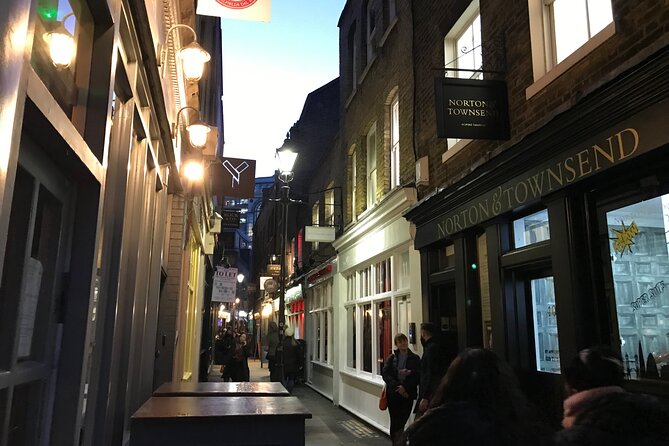
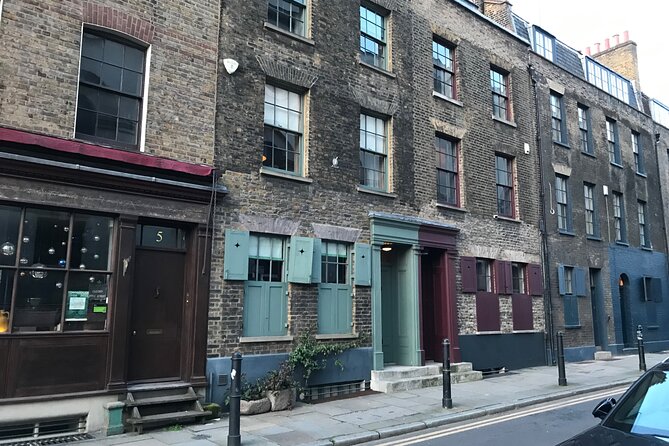
Jack the Ripper stories can feel like pop culture until you walk the streets that shaped the investigation. This tour leans hard into place, not just plot. You’ll follow the routes tied to the murders through Whitechapel and the surrounding East End, where the past still shows up in building fronts and street layout.
The best part is that the guide doesn’t treat the case like a simple villain-and-victims tale. The stories are told with sympathy, and many details are presented from the perspective of those affected. That tone matters, because the subject is grim, and you’ll feel the difference between a respectful guide and someone simply chasing thrills.
This also isn’t a quick bus-style “drive by the spots.” It’s built as a walk where context can land. You’ll get enough time for the connections to make sense, without the tour feeling rushed.
You can also read our reviews of more tours and experiences in London.



Meeting at Aldgate East and avoiding the first stress
You meet by Aldgate East station, right next to the meeting point marked as Fashion Warehouse. The easiest win here is arriving a few minutes early and taking a moment to confirm you’re at the right side of the station entrances.
Aldgate East has multiple exits, and it can be confusing if you’re counting on landmarks you can see from the street. I recommend you pick one exit as your reference point when you get to the station, then treat the area around Fashion Warehouse like your anchor.
Also, the guide can’t wait for late arrivals. If your Underground route has even a small delay, you’ll want buffer time so you don’t start the walk flustered.
Whitechapel Road: where the story turns into street-level reality
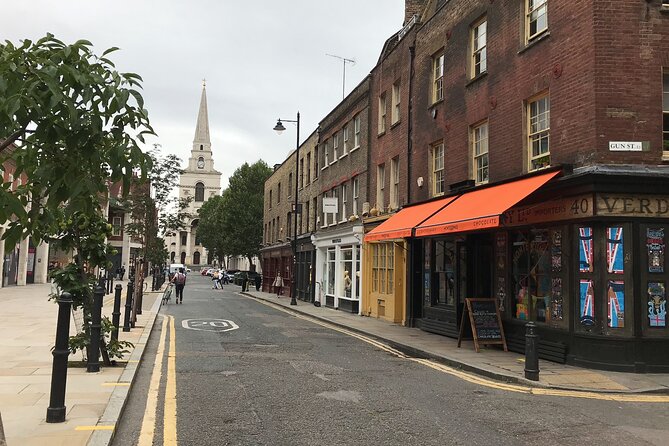
Whitechapel is the center of gravity for this case, and the tour’s opening leg is all about context. You start in the heart of Whitechapel and move along Whitechapel Road, where multiple victims’ routes and final moments are connected to the neighborhood’s streets.
What makes this stop feel different is how the guide ties the geography to the timeline. Instead of throwing information at you, you learn how people would have moved through the area, what kinds of streets they were dealing with, and why witnesses and investigators faced the kinds of limitations they faced.
If you like true crime history that respects the facts, this is where the tour earns its keep. The tone is serious, but it doesn’t become a dry lecture. The guide keeps the case coherent as you walk.
Spitalfields and the market streets: life alongside the crimes
Spitalfields is a smart addition because it reminds you this wasn’t a movie set. It was working London, with markets, traffic, and neighborhoods that kept functioning even while fear spread.
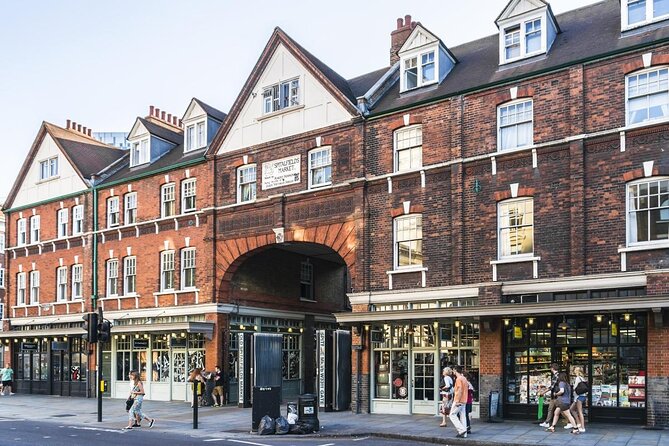
This part of the walk gives you a sense of Victorian-era daily life around Spitalfields Market and the surrounding streets. Even if you know some Ripper basics already, the change in atmosphere helps you understand how the case sat inside a living community, not just inside a newspaper headline.
A drawback to consider: if you’re expecting only the exact “murder scene” stops, you’ll still get the case, but you’ll also get a lot of neighborhood context. That’s a value add for most people, but if you want pure location pin-pointing only, you may wish the pace was a little tighter.
Ten Bells Pub: the landmark stop where rumor meets evidence
One of the most talked-about places connected to the Ripper story is Ten Bells Pub. The tour includes a visit here, because several victims were said to have frequented the area.
This stop is effective for two reasons. First, it gives the story a human scale: you can picture people gathering, moving in and out, and sharing local news. Second, the guide doesn’t treat the pub like a magic key. Instead, you’ll hear how lore, reporting, and the limits of evidence fit together.
If you’re into atmosphere, this is a strong moment on the tour. Several guides also use pictures and evidence-style details around this point, which helps you keep track of what’s strongly supported versus what’s more debated.
If you’re sensitive to the darker tone of the evening, this is also where the guide’s style matters. The tour is described as respectful and careful, not graphic-for-the-sake-of-graphic.



Brick Lane and the changing East End
From Ten Bells, the route heads toward Brick Lane, a street famous today for street art and food culture. On this walk, Brick Lane becomes a lesson in change. You’ll hear how the area shifted over time while still carrying traces of the earlier grit.
This isn’t just sightseeing. It’s about learning how a neighborhood can transform while still keeping certain street alignments and built features. That helps you understand why eyewitness accounts and survivor perceptions were shaped by the local environment.
A tip that helps: wear comfortable shoes. This part of London looks walkable, but you’re on a timed experience, and your legs will decide how much detail you catch. The good news is that the pacing is designed for listening and asking questions, not for sprinting between stops.
Aldgate East again: finishing with mystery, not a neat bow
The tour returns you toward Aldgate East, which keeps the route grounded in the same general area as the meeting point. That choice makes it easier to connect the last moments of the tour back to your starting orientation.
A lot of the case’s lasting pull comes from uncertainty. Even with modern research, there are theories and competing interpretations. The guide’s job here is to keep those tensions clear—what’s likely, what’s argued, and what remains unresolved.
If you enjoy discussion, this is where your questions tend to land best. Many guides on this style of tour encourage back-and-forth, and the small group format means you’re not stuck waiting for the end.
How the guides deliver the case: interactive, evidence-led, and human
This experience works because it’s not only narrative. It’s interactive. The guide brings evidence, stories, and re-enactments into the walk so you can follow the logic, not just memorize a timeline.
What I especially appreciate about this style is how it mixes clarity with emotion. The case is violent, but the delivery is often framed with sympathy and sensitivity. You’ll hear the story as a set of lives interrupted, not just a puzzle solved.
You’ll also likely see guidance that uses photos or pictures to anchor details. That kind of visual support helps when you’re outside and it’s hard to imagine old street conditions.
And while the topic is dark, several guides are described as blending respectful humor with seriousness. That balance matters. It prevents the tour from becoming either overly grim or too silly to take seriously.
In terms of language options, the information you’ll see may list English plus another option depending on the date and operator setup. One part of the info says Spanish, while another part lists French. Before you go, check the language listed for your specific booking.
Price and value: why $26 can be a bargain
At about $26 per person for a 2-hour guided walk, the value depends on what you want from London tours. If you’re looking for a bus-and-brochure version of Whitechapel, this isn’t built for that. It’s built for walking with an expert guide for enough time to ask questions.
You’re paying for:
- a focused 2-hour experience in a compact area
- a guided route that connects multiple locations
- evidence-led storytelling and interactive elements
For many people, that’s a better deal than doing a shorter “high level” tour or stacking separate visits to scattered spots on your own. The main cost is the effort of showing up ready to walk and listen.
The biggest value signal here is repeat engagement from guides and the consistent quality of delivery described. It’s not just about seeing landmarks. It’s about understanding why the landmarks matter.
Weather, comfort, and timing: plan like you’re outside for two hours
This tour is outdoors for the full duration, and it’s easy for weather to add mood fast. Cold nights, damp air, and wind can make Whitechapel feel even more atmospheric. The flip side is simple: you’ll want real walking shoes, warm layers, and a rain layer if the forecast is iffy.
Bring:
- comfortable footwear for uneven sidewalks
- a warm top or jacket
- an umbrella or rain shell if you get British weather
Also, because it’s a timed, guided format, you don’t want to arrive late or spend the first ten minutes lost. Get there early and then settle in mentally. The tour hits its stride once everyone’s together.
Who should book this Jack the Ripper walking tour
I’d point you toward this tour if you:
- want to walk Whitechapel with context, not just trivia
- enjoy true crime history told respectfully
- like asking questions in a small group setting
- want a guided evening experience that helps you picture 1888 London
I’d skip it (or think hard before booking) if you:
- need wheelchair-friendly access
- dislike dark topics involving real-world violence
- prefer a very light, casual London stroll with minimal seriousness
Should you book it
Book this tour if you want a guided walk that treats the Jack the Ripper story like history with evidence, built around real streets. The interactive elements, the emphasis on accuracy and victims’ perspectives, and the small group feel make it more than a basic sightseeing loop.
Don’t book it if mobility is an issue or if you don’t want a respectful but heavy subject. Otherwise, this is the kind of experience that sticks with you because you’ll remember the turns you walked, not just the facts you heard.
FAQ
How long is the London Jack the Ripper small-group tour?
The tour runs for 2 hours.
Where do I meet the guide?
Meet at Aldgate East station, next to Fashion Warehouse. Your guide will be waiting there.
What languages are available?
English is available. The tour info also lists French. Another part of the description says Spanish, so check the language option shown for your specific booking date.
Is the tour wheelchair accessible?
No. The tour is not suitable for wheelchair users.
Is food or drink included?
No. Food and drink are not included.
Is this a small group tour?
Yes. It’s designed as a small group experience.
What if I arrive late?
The tour operator cannot wait for late arrivals, so plan extra time to get to the meeting point.
Is there free cancellation?
Yes. Free cancellation is available up to 24 hours in advance for a full refund.
Is there a reserve and pay later option?
Yes. You can reserve now and pay later, meaning you can book your spot and pay nothing today.