Money buys power. It also buys trouble.
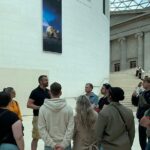
This 2-hour London walking tour turns the usual royal sightseeing script on its head, focusing on lust, greed, and vanity around places like the Royal Academy of Arts and St James’s Park. I like how the route keeps you moving on foot through less obvious corners of central London, so the stories feel connected to the streets you’re actually standing on. If you enjoy a guide who makes court history feel human and messy, this is a fun match.
I love two things most. First, I like the strong sense of place: you stop at recognizable landmarks, but the guide uses them as story anchors, not just photo backdrops—especially at the Royal Academy of Arts. Second, I love the tone: Terry Silvers brings comedy and pace, and the tour balances history with moral discomfort, which makes the two hours fly by.
One possible drawback: the subject matter is intentionally provocative. If you prefer gentle, feel-good sightseeing, you might find the focus on bad behavior and scandals a bit much.
In This Review
- Key highlights you’ll actually feel on the walk
- What You’re Really Paying For in a 2-Hour Scandal Walk
- The Start-to-Finish Route: Burlington Gardens to Westminster Area
- Royal Academy of Arts: Lucifer and the Morals-First Opening
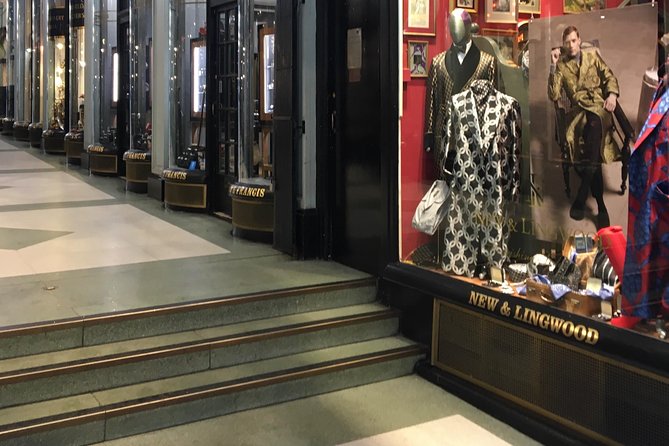
- Burlington Arcade: The First Shopping Mall and a Question of Conscience
- Auction House Scandals and Nell Gwyn’s Money Grabs
- Henry VIII and Anne Boleyn: Love Games as Political Fuel
- St James’s Park: Charles I, Cold Mornings, and a Saint That Might Not Be
- Old Queen Street: Anne, The Favourite, and Court Gossip That Lives On
- Why a Private Guide (and Terry Silvers) Changes the Whole Feel
- Who Should Book This Tour, and Who Should Skip It
- Should You Book Rich People Behaving Badly?
- FAQ
- How long is the Rich people behaving badly tour?
- Is this tour private?
- Where does the tour start and where does it end?
- What language is the tour offered in?
- Are there admission tickets to buy for the stops?
- Do I get a mobile ticket?
- What if the weather is poor?
- Is free cancellation available?
- Are service animals allowed?
Key highlights you’ll actually feel on the walk
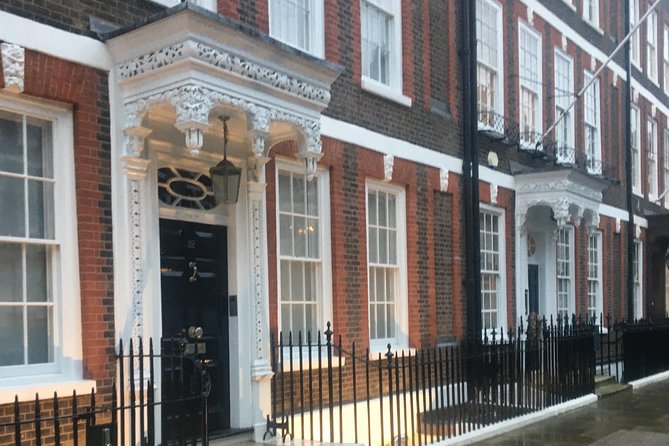
- Lucifer as a starting point at the Royal Academy of Arts sets the moral theme fast
- Burlington Arcade turns high-end shopping into a question about money and morals
- Short, story-packed stops (often around 10 minutes) keep the pace lively
- Royal scandal stops connected to Charles II, Nell Gwyn, Henry VIII, and Anne Boleyn
- Side streets beyond the big landmarks so you see more than the standard brochure route
- Terry Silvers’ style: funny, clear, and full of detail, with comparisons to today
What You’re Really Paying For in a 2-Hour Scandal Walk
At $41.34 per person, you’re not paying for fancy attractions or paid entry fees. The stops are described as admission ticket free, and the real value is the guided storytelling—plus the fact that you walk a compact area of London in a tight time window.
A two-hour walking tour is also a smart choice if you’re already seeing the usual top sights. This type of tour works when you want the back story: who had influence, how money shaped behavior, and why certain people left fingerprints on the city. One review-style takeaway I’d borrow is this: you get more “London detail” when your guide points things out street-by-street instead of relying on bus-window views.
You also get something simple but rare in practice: your guide’s undivided attention. Even though you’re doing a public-style activity with set stops, it’s designed as a private tour for your group only, so it tends to feel less like a lecture and more like a conversation on the move.
You can also read our reviews of more tours and experiences in London.


The Start-to-Finish Route: Burlington Gardens to Westminster Area
The tour begins at 5A Burlington Gardens, London W1S 3EP. It ends at the Queen Elizabeth II Centre, Broad Sanctuary, London SW1P 3EE, which is noted as near Parliament Square and Westminster Tube Station. That’s a useful end point because it plugs you back into the most practical transit area for heading to dinner, a museum, or your next stop.
Start time is 2:00 pm, so I’d treat it like a pre-evening plan. You’ll likely want nearby lunch earlier, because a walking tour that runs close to two hours can tighten your schedule if you’re trying to squeeze it between long ticket lines.
Also, you’ll use a mobile ticket. That’s handy on a city where finding your phone charging habit can be a lifesaver.
Royal Academy of Arts: Lucifer and the Morals-First Opening
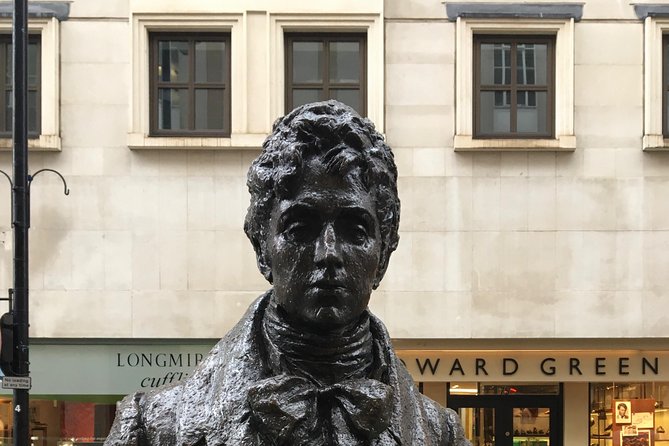
Stop one is the Royal Academy of Arts. The tour kicks off with a specific moral frame: a picture of Lucifer as the patron saint of the idle and self-indulgent. That’s not random shock value. It’s a clear signal for what the whole tour is going to do—take wealth, power, and status, then show you how they can warp ethics.
The guide also sets expectations with a blunt idea: yes, some rich people used their money to help others, but on this tour, those good examples won’t be the focus. Instead, you get stories that lean into lust, greed, and vanity from centuries past—told in a way that connects behavior to buildings and neighborhoods.
What I like about this opening is that it trains your brain to look for cause-and-effect. You’re not just memorizing names. You’re watching a pattern: money changes what people believe they’re entitled to, and London’s elite spaces still hold traces of that.
Potential drawback here: the subject starts dark. If you’re in London for light comedy and zero moral mess, you may feel like you’re walking into a themed lecture right away.
Burlington Arcade: The First Shopping Mall and a Question of Conscience
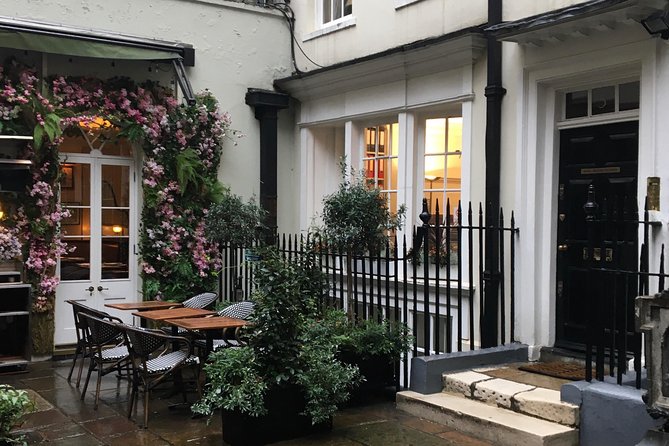
Next is Burlington Arcade, described as London’s first shopping mall and very high-end. Here the tour shifts from “moral symbolism” to something more everyday: shopping spaces, status, and how the atmosphere around wealth can normalize behavior.
The guiding question is essentially this: if money were no object, how might it affect your morals? That’s a strong prompt because it asks you to connect history with your own instincts. You’re standing in a place built for privilege, and the guide turns the experience into an interactive reflection—without pretending the answer is simple.
This stop also works well for keeping the tour fun. Reviews highlight that Terry Silvers makes the walk entertaining and witty, and Burlington Arcade is the kind of setting where the humor lands. It’s easy to follow because the setting is familiar, even if the historical angle isn’t something you’d guess just by looking.
A practical note: this is a short stop, around 10 minutes, so treat it like a story pause, not a time to wander for photos. If you try to “museum it” you’ll miss the point of the pacing.
Auction House Scandals and Nell Gwyn’s Money Grabs
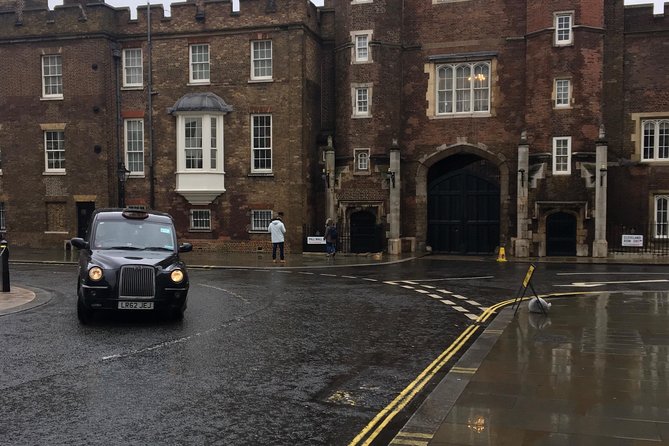
After Burlington Arcade, the route moves into the neighborhood of an exclusive auction house where scandals have played out over time. This is one of those London turns where you feel the city’s continuity: modern prestige in one place, old manipulation in another, and the street corners that keep repeating the same power dynamics.
This segment also brings in Nell Gwyn, one of the most famous mistresses of Charles II, who lived nearby. The tour frames her as ambitious in a world with limited opportunities for women—and specifically highlights her talent for money-grabbing in matters involving the King. That’s a provocative way to tell the story because it doesn’t ask you to like her, just to understand the constraints and the strategy.
I find this portion especially useful if you like history that doesn’t sanitize the past. It pushes you to ask: is behavior “bad” because it’s immoral, or because it’s rewarded? In court life, those two can get tangled.



Henry VIII and Anne Boleyn: Love Games as Political Fuel
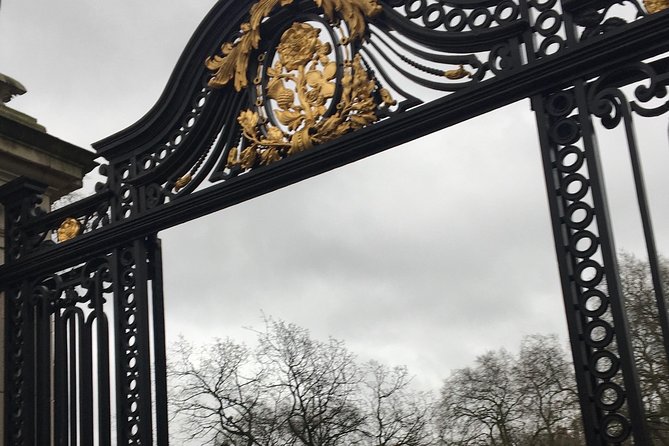
The next scandal beat connects to Henry VIII and Anne Boleyn, described as having love games in this area about five hundred years ago. Even if you’ve heard the big timeline before, a walking tour like this helps you feel how personal relationships turned into political outcomes—fast.
The tour also sets a broader expectation: later centuries are suggested to be equally scandal-filled. That matters because it helps you read London like a living document. You stop seeing a few famous moments and start noticing how the city keeps generating new versions of the same drama.
One thing to keep in mind: this is still story-driven touring, not a slow deep-study session. If you want every detail of Tudor politics, you’ll probably want extra reading afterward. But if you want a smart orientation and a memorable set of images, this is the right format.
St James’s Park: Charles I, Cold Mornings, and a Saint That Might Not Be
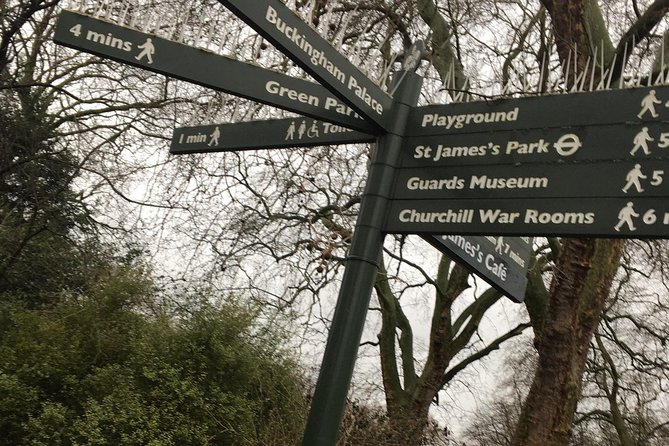
Stop three is St James’s Park. The tour tells you that Charles I walked here to his execution on a cold January morning in 1649. That’s heavy ground, and it changes the mood quickly from court gossip to something closer to real consequence.
The guide adds a challenge question: some people remember Charles I as a martyr saint, but is that accurate if someone knowingly lies? The point isn’t to run a courtroom verdict right there in the park. It’s to show how moral labels get assigned after the fact—often by the people who survived long enough to tell the story.
I like how St James’s Park functions in the route. It’s a calm-looking place, but the tour makes it feel tense. You’re not just viewing greenery. You’re stepping into a path of power collapsing, and the guide helps you connect politics, myth-making, and public memory.
This stop is also marked as about 10 minutes, so you get the big thematic punch without a long sit-down lecture.
Old Queen Street: Anne, The Favourite, and Court Gossip That Lives On
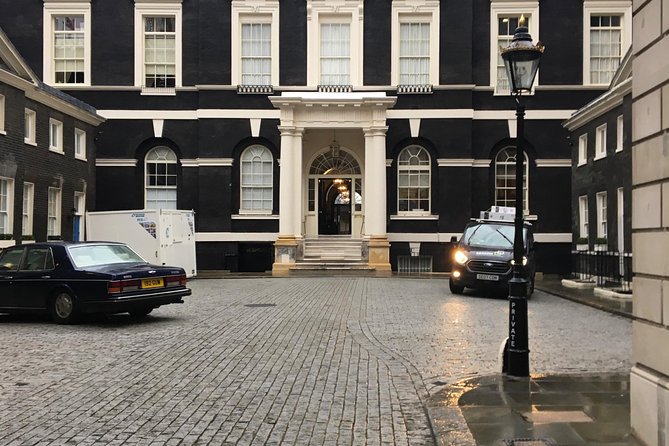
The final stop is Old Queen Street. Here the story centers on the figure of Anne as brought back to life in the film The Favourite, which depicts her as part of a bitter lesbian love triangle. The tour uses that cultural reference as a bridge: modern stories keep repackaging old scandals.
Then the guide asks you a useful question: are you just enjoying gossip history for fun, or is there something to learn about human nature? That’s exactly the sort of reflection that makes a scandal tour more than just shock value.
Old Queen Street also works because it’s a London street experience. You’re moving through a real neighborhood, not a controlled museum environment. In reviews, people specifically mention streets and alleys they wouldn’t have found on their own, which makes this type of ending satisfying—you finish with a sense of place, not just a list of names.
Why a Private Guide (and Terry Silvers) Changes the Whole Feel
This is a private tour/activity, meaning it’s only your group participating. I’ve found that format matters most for story tours like this. When the guide knows your group’s interests, the jokes land better, and the pauses for questions feel natural.
The biggest repeat praise is about Terry Silvers himself. People mention his enthusiasm as contagious, his clarity, and his funny, witty delivery. One review also calls out that he made understandable points even for non-native English speakers, which is a huge plus if you’re bringing friends from abroad.
Another strong theme from the reviews: Terry’s storytelling includes lots of small details, and he makes comparisons between earlier characters and present-day behavior. That technique helps you remember what you learn. Instead of treating the past as a sealed-off museum exhibit, you start seeing the same incentives play out in new costumes.
Who Should Book This Tour, and Who Should Skip It
This tour fits best if you:
- like royal and aristocratic scandal as a lens on power
- want the back story behind famous names and places
- enjoy humor mixed with discomfort
- prefer walking through side streets instead of only sticking to the biggest landmarks
You might skip it if you:
- want only neutral, non-judgmental sightseeing
- dislike tours that focus on lust/greed/vanity themes
- get restless with story-heavy stops rather than hands-on attractions
Also, because it’s described as an activity where most travelers can participate, it sounds broadly doable for many people. Still, it is a walking tour, so if you have mobility limits, you’ll want to plan accordingly—especially with multiple short stops over two hours.
Should You Book Rich People Behaving Badly?
I’d book it if you’re the kind of traveler who enjoys London as a puzzle. This tour treats the city like a set of clues: paintings, arcades, parks, and street corners become evidence in the case of how wealth shaped behavior.
The value feels strong for three reasons. You’re paying for a guide and a story, not entry fees. You get a compact two-hour format that’s easy to slot into an afternoon. And the reviews consistently emphasize the same winning combo: entertaining delivery plus detailed, place-based history around royals.
Book it on a day when you can walk comfortably and you’re ready for the morally awkward parts of history. If that’s your vibe, this is one of those London plans that sticks with you long after you’ve left the street.
FAQ
How long is the Rich people behaving badly tour?
It lasts about 2 hours.
Is this tour private?
Yes. It’s a private tour/activity, so only your group participates.
Where does the tour start and where does it end?
It starts at 5A Burlington Gardens, London W1S 3EP and ends at the Queen Elizabeth II Centre, Broad Sanctuary, London SW1P 3EE, near Parliament Square and Westminster Tube Station.
What language is the tour offered in?
The tour is offered in English.
Are there admission tickets to buy for the stops?
The provided stop details list admission ticket free for the stops described.
Do I get a mobile ticket?
Yes. It includes a mobile ticket.
What if the weather is poor?
The experience requires good weather. If it’s canceled due to poor weather, you’ll be offered a different date or a full refund.
Is free cancellation available?
Yes. You can cancel for a full refund if you cancel up to 24 hours in advance of the experience’s start time.
Are service animals allowed?
Yes. Service animals are allowed.