REVIEW · LONDON
London: Jack the Ripper Museum Tickets
Book on GetYourGuide →Operated by Golden Tours - Gray Line London · Bookable on GetYourGuide
Whitechapel gets dark, floor by floor. This museum ticket takes you into a six-floor setup built around the 1888 Ripper story, and I especially liked the Mitre Square recreation and the autopsy-photo morgue.
There is one big consideration: the subject matter is intense, including actual autopsy photos and reports of the murders.
This is best for you if you like history with atmosphere, prefer walking at your own pace, and don’t mind that the experience is small enough that you can truly slow down and read.
In This Review
- Quick Take: What Makes This Ticket Special
- London’s Jack the Ripper Museum: What You’ll See Across Six Floors
- Price and Time: Is $18.86 Worth It
- Walking the Rooms: Audio, Effects, and the Basement Mannequins
- Mitre Square: P. C. Watkins, Catherine Eddowes, and the Crime Scene Setup
- Jack’s Sitting Room and Walter Sickert’s Red-Ink Drawing
- Whitechapel Police Station Recreation and the From Hell / Dear Boss Letters
- Mary Jane Kelly’s Attic Bedroom and the Victims’ Everyday Lives
- The Morgue Room: Autopsy Photos and How to Handle the Graphic Stuff
- Getting There at 12 Cable Street and a Simple Plan for Your Visit
- Should You Book? (Quick Decision Guide)
- FAQ
- Where is the Jack the Ripper Museum, and what’s closest for the Tube?
- How much are London: Jack the Ripper Museum tickets?
- How long is the ticket valid?
- What’s included with the ticket?
- How long should I plan to spend inside?
- What are the standout rooms to see?
- Is there audio or sound effects in the museum?
- Is the museum ever closed?
- Can I cancel, and is there a concession for disabled visitors’ companions?
Quick Take: What Makes This Ticket Special
- Six floors of themed rooms, with audio and realistic reenactments that keep you moving.
- Mitre Square scene with P. C. Watkins discovering Catherine Eddowes, presented as a lifelike waxwork moment.
- Jack the Ripper’s sitting room with medical instruments, maps, letters, and Victorian Ripper memorabilia, plus Walter Sickert’s original drawing signed in red ink.
- Whitechapel Police Station recreation featuring evidence boards plus the From Hell and Dear Boss letters and police artifacts.
- Mary Jane Kelly’s attic bedroom, built from domestic details like photographs, clothing, and a straw mattress.
- The morgue room with actual autopsy photos and murder reports related to the nine victims.
London’s Jack the Ripper Museum: What You’ll See Across Six Floors
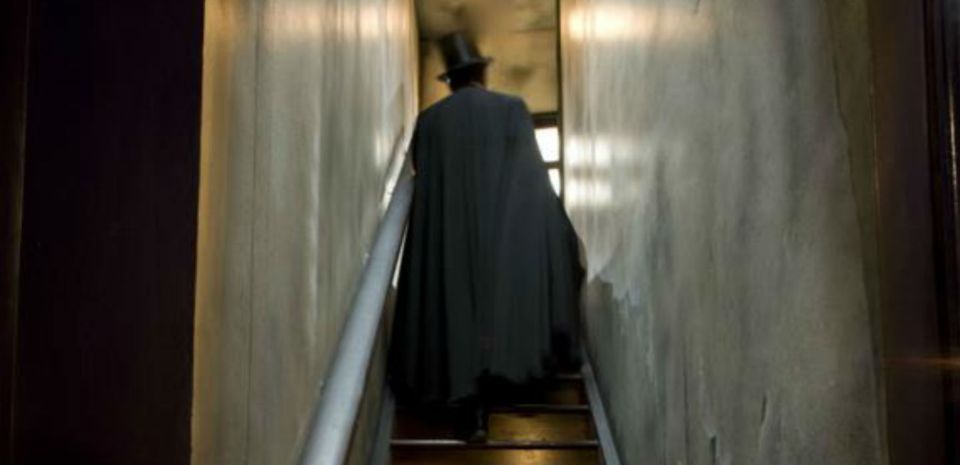
The Jack the Ripper Museum is in Greater London, at 12 Cable Street, and it’s designed like a story you can walk through. Instead of one big exhibit hall, it’s spread across six floors, so your visit feels like moving from scene to scene in 1888.
You’ll start with the dramatized discovery in Mitre Square, then work your way through rooms tied to the investigation and the victims. Key items show up in context, not just behind glass. That matters, because it helps you connect the letters, artifacts, and scenes into one case timeline.
This isn’t a museum for everyone. If you want only clean, distant history, you may find the tone too heavy. If you like true crime and period details, you’ll likely feel right at home.
You can also read our reviews of more tours and experiences in London


Price and Time: Is $18.86 Worth It
At about $18.86 per person, you’re paying for a compact, themed museum experience rather than a huge collection. The value here comes from density: you’re getting multiple recreated settings, audio, and specific labeled items tied to the investigation.
Time-wise, I’d plan for about 45 minutes to 90 minutes, depending on how much you read and how often you stop. The museum is small enough that you won’t get tired wandering for hours, but big enough that rushing would be a mistake. If you like to take your time, you can easily spend close to an hour and a half.
Also, the ticket is valid for 1 day, and you’ll want to check availability for starting times. If your schedule is flexible, the reserve-and-pay-later option can be handy.
Walking the Rooms: Audio, Effects, and the Basement Mannequins
Once you step inside, the museum uses a mix of set design and sound to create a specific mood. I like that it’s not just text panels. You’ll find audio elements in the rooms, and they help you stay oriented even as you move between floors.
One detail that really sticks: the museum includes creepy figures in the basement area, including two mannequins, which adds to the staged realism. You may also notice the way the interior walls help tie the rooms together, making the visit feel like one continuous walkthrough rather than separate displays.
When you enter, ask the staff about the best route around the museum. People tend to get the most out of it when they don’t spend their first five minutes second-guessing which floor to do first.
Mitre Square: P. C. Watkins, Catherine Eddowes, and the Crime Scene Setup
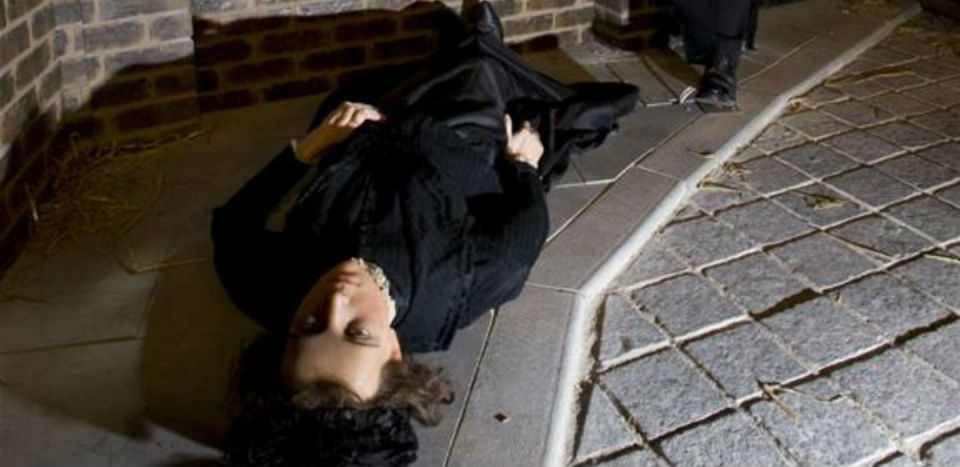
Your first big stop is Mitre Square, with a realistic waxwork recreation of P. C. Watkins discovering the body of Catherine Eddowes. This is the moment the museum leans into hardest: the shock of the discovery, shown as a scene you can stand in front of.
What works best here is how the museum frames the scene like an event that started the whole case’s public attention. Even if you’ve heard parts of the story before, seeing it in a physical, room-sized format makes it easier to picture the sequence.
Tip: don’t treat this like a quick photo stop. Read the labels and pause long enough to take in the “what you’re supposed to notice” details. The museum clearly wants you to pay attention to the setup around Watkins’s discovery, including the role of the police response.
Jack’s Sitting Room and Walter Sickert’s Red-Ink Drawing
From Mitre Square, you move into Jack the Ripper’s sitting room. This section feels like a Victorian nerve center: you’ll see medical instruments, books, maps, letters, and a collection of Ripper memorabilia.
One item gets special attention: Walter Sickert’s original drawing showing a body on a metal bed, signed in red ink. If you’re the kind of visitor who likes to connect art, accusation, and evidence, this is the moment that turns the museum from atmosphere into a more pointed case discussion.
This room also helps you understand why people still debate the case. The museum isn’t only recreating murders. It’s presenting the idea of investigation artifacts and suspect-related material in a way that feels time-appropriate for the era.
If you’re sensitive to disturbing themes, you can slow down here and skip what feels too intense for your comfort level.
You can also read our reviews of more museum experiences in London





Whitechapel Police Station Recreation and the From Hell / Dear Boss Letters
Next up is the Whitechapel Police Station recreation, designed as the epicenter of the investigation. This room is one of the more practical sections of the museum because it organizes the case like evidence gathering.
You’ll see crime-related evidence presented on boards, plus artifacts such as the From Hell and Dear Boss letters, original newspapers, and police items. There’s also a display tied to P. C. Watkins’s response: the whistle he blew to call for help, along with his notebook, handcuffs, and truncheon.
One reason I think this section adds value is that it puts the case into the ordinary workflow of police work. Even though it’s dramatized, the museum wants you to feel how tangible the objects were, not just the rumor-and-mystery version of the story.
Mary Jane Kelly’s Attic Bedroom and the Victims’ Everyday Lives
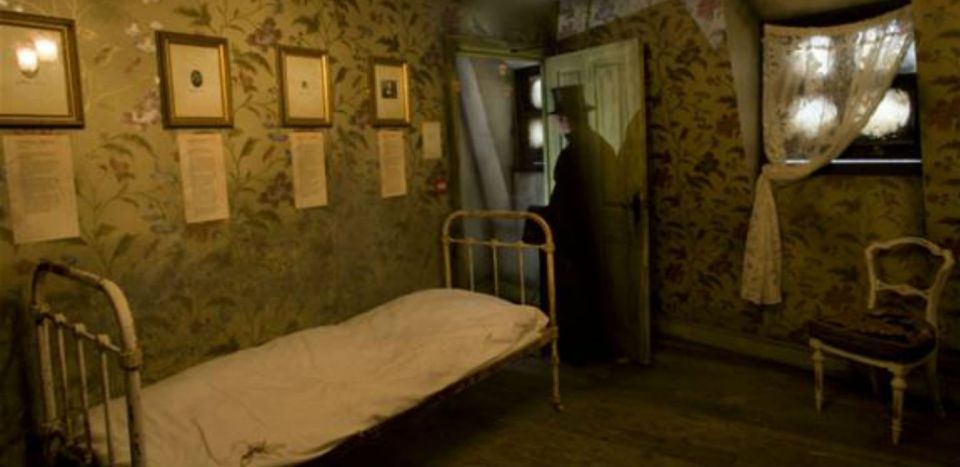
The attic is a shift in tone. It recreates Mary Jane Kelly’s bedroom, the setting tied to the Ripper’s most horrific murder. Here, the museum emphasizes not only the event, but what the victims’ lives looked like.
You’ll see domestic photographs of the women and their families, plus period details such as boots, bonnets, and a metal-framed bed with a straw mattress. The museum also shows meager possessions—small, personal objects that help you think about the gap between headline crimes and everyday lives.
A key moment is the mood-setting audio upstairs. You may hear a haunting singing voice through a speaker in the attic area, which turns the room into something closer to a memory than a puzzle.
If you want the visit to feel meaningful rather than only spooky, this is the stop to linger in.
The Morgue Room: Autopsy Photos and How to Handle the Graphic Stuff
The morgue room is the museum’s hardest-hitting area. You can study actual autopsy photos and read reports describing the mutilation and murder of the nine women tied to the case.
This is the part where you should be honest with yourself about your comfort level. The museum doesn’t hide that it’s dealing with graphic subject matter, and the displays are there to be examined, not lightly referenced.
If you’re bringing teens or you’re unsure about what they can handle, I’d treat the morgue as a choose-your-own-adventure moment. You can always focus on the other floors first, and come back only if you’re ready.
The museum does a good job of keeping the room tied to documentation and reports. Still, it’s not a casual stroll.
Getting There at 12 Cable Street and a Simple Plan for Your Visit
The museum address is 12 Cable Street, London E1 8JG. The nearest underground and train stops listed are Tower Gateway, Tower Hill, and Aldgate East, so you can build your day around whichever one fits your other London plans.
Transportation isn’t included with the ticket, so you’ll want to plan your own route and budget time for walking between stations and the museum. The activity itself ends back at the meeting point, which makes it easy to plug into the rest of your day in East London.
My practical game plan:
- Start on the floor you’re most curious about, but don’t skip Mitre Square.
- Do Whitechapel Police Station next, since the letters and evidence help anchor everything you saw earlier.
- Save the attic and morgue for when you can slow down and handle the mood.
It’s a lot of emotional weight packed into a small footprint, so pace matters.
Should You Book? (Quick Decision Guide)
Book this ticket if you want a walk-through museum that mixes crime-scene recreations, investigation evidence, and victim-focused period detail, all within a short-to-medium time window. It’s also a good choice if you enjoy the “read the documents and look at objects” side of true crime.
Skip it if you’re looking for a light, upbeat museum day, or if the words and photos related to the autopsy material will put you off. If you’re unsure, you can always sample the less graphic floors first and decide later.
If you’re spending time in East London anyway, this is one of the few places where you can see the case presented across multiple themed rooms, with specific artifacts like the From Hell and Dear Boss letters and the P. C. Watkins items brought into a real museum setting.
FAQ
Where is the Jack the Ripper Museum, and what’s closest for the Tube?
The museum is at 12 Cable Street, London E1 8JG. The nearest underground and train stations listed are Tower Gateway, Tower Hill, and Aldgate East.
How much are London: Jack the Ripper Museum tickets?
The price is $18.86 per person.
How long is the ticket valid?
The ticket is valid for 1 day. You should check availability to see starting times.
What’s included with the ticket?
The ticket includes museum admission only.
How long should I plan to spend inside?
You can take your time across the six floors. A typical pace can be around 45 minutes if you move more quickly, or about an hour and a half if you read carefully and linger.
What are the standout rooms to see?
Key stops include the Mitre Square recreation with P. C. Watkins and Catherine Eddowes, the Whitechapel Police Station recreation with evidence boards and letters, the attic bedroom recreation of Mary Jane Kelly, and the morgue room with autopsy photos and related reports.
Is there audio or sound effects in the museum?
Yes. Audio features are included in rooms, including a haunting singing voice through a speaker in the attic area.
Is the museum ever closed?
The museum is closed on Christmas Day.
Can I cancel, and is there a concession for disabled visitors’ companions?
You can cancel up to 24 hours in advance for a full refund. Also, the person accompanying a disabled person receives free entrance.