REVIEW · LONDON
London: Jack the Ripper tour in Spanish (RLA Winner)
Book on GetYourGuide →Operated by Whitechapel Tours · Bookable on GetYourGuide
If you like facts with a pulse, start here. This 2-hour Spanish walking tour in Whitechapel focuses on the real streets of the Whitechapel murders, not a quick skim of legends. I love how the guide blends academic weight with everyday street detail, and you’ll actually get time to ask questions instead of just listening.
The best part is the guide himself: José Oranto, winner of an RLA Award in 2023 and author of Jack el Destripador y las crónicas de Whitechapel. If you’re hoping for a dark, cinematic show, there’s still drama in the story, but the tone stays factual and tied to locations. One consideration: this is walking in weather, so bring weather-appropriate clothing and expect a steady city pace for a couple of hours.
In This Review
- Key things that make this tour worth your time
- Whitechapel in Spanish: why this format actually helps
- Meet José Oranto: award-winning research on real streets
- Where the tour starts: St Marys Whitechapel Church Memorial
- 2 hours on foot: the pace, the walking, and who it suits
- The walking route: what each stop teaches you
- Brick Lane (visit)
- Gunthorpe Street (visit, 16 Gunthorpe St)
- Flower and Dean Walk (pass by, 49 Flower and Dean Walk)
- Banglatown Arch (visit)
- Hanbury Street (visit, 29 Hanbury St)
- Ten Bells, Spitalfields (pass by)
- Mitre Square Garden (visit)
- Goulston Street (visit, 46 Goulston St)
- White’s Row (visit, 6 White’s Row)
- How the tour separates myth from story
- Spanish guide + interaction: what that feels like in practice
- Price and value: how $21 makes sense for what you get
- Quick practical tips before you go
- Should you book this Jack the Ripper tour in Spanish?
- FAQ
- How long is the Jack the Ripper tour in Spanish?
- What language is the guide?
- Where does the tour start?
- How much does the tour cost?
- Is the tour wheelchair accessible?
- Is video recording allowed during the tour?
- Do I need to walk a lot?
- Can I cancel for a full refund?
- Is there an option to reserve now and pay later?
- Is it interactive, or mostly listening?
Key things that make this tour worth your time
- José Oranto’s credentials: RLA Award winner (2023) and published author of Whitechapel-focused work
- Real street locations: you visit the settings tied to the murders and hear how the case played out there
- Spanish-led, interactive format: questions are welcome throughout, and debate is part of the experience
- Street-scale storytelling: you connect architecture and context to what happened on these blocks
- Helpful extras: the guide also answers practical questions about getting around London, like the metro
Whitechapel in Spanish: why this format actually helps
A Jack the Ripper tour can go two ways: spooky vibes with blurry facts, or solid context that makes the myths feel less like magic and more like history. This one leans hard into the second option, and doing it in Spanish can be a real plus if you want to think through the story in the language you’re using on the trip.
You’ll also appreciate that the tour isn’t built like a lecture you have to endure. The format is designed for back-and-forth discussion, so when something feels unclear, you can ask on the spot. That keeps the whole experience from turning into a one-way timeline.
You can also read our reviews of more tours and experiences in London.



Meet José Oranto: award-winning research on real streets
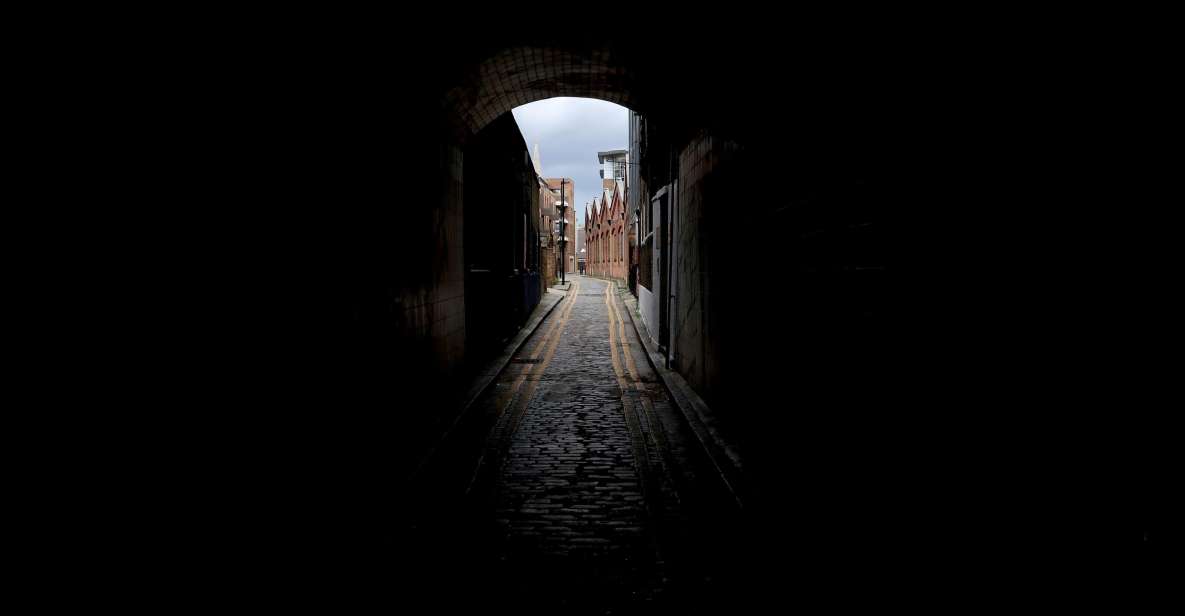
José Oranto isn’t just a storyteller. He’s presented here as a historian and leading authority in the historical investigation of the Whitechapel murders, with major publication credits tied to the case. His work is described as being endorsed by the Robert Linford Award (2023), and recognized by Ripperologist as one of the top three prominent investigators (2024).
Why that matters to you on the ground: you get explanations that don’t wobble between certainty and fan-fiction. When the story gets complicated, the guide can talk through details with enough structure that you can follow along even if you’re starting from scratch.
It also helps that the tour includes visual support—photos and images are used as part of the way the guide explains events. When you’re dealing with an infamous case that’s been repeated for well over a century, visuals can keep your brain anchored on what the guide is referring to.
Where the tour starts: St Marys Whitechapel Church Memorial
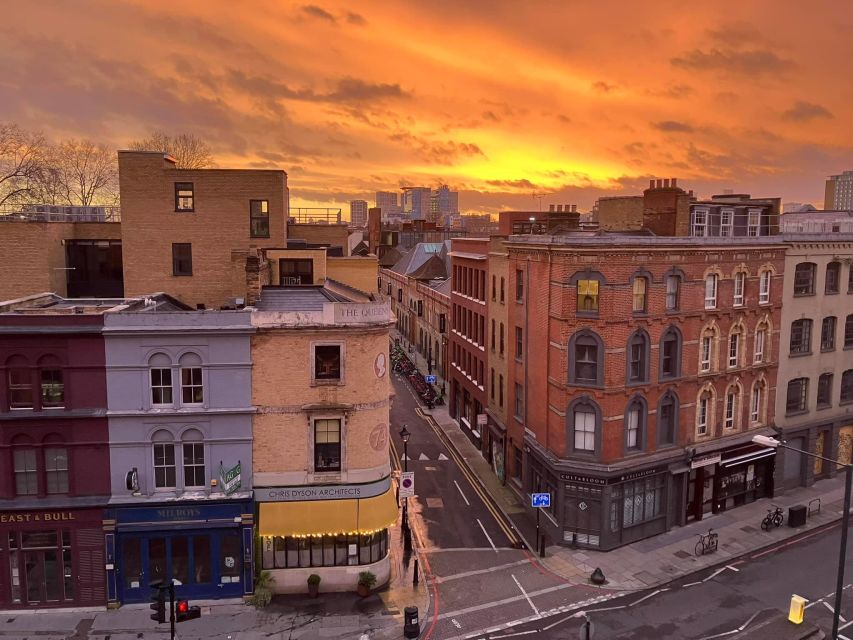
You begin at the St Marys Whitechapel Church Memorial, which sets the tone immediately. Starting at a memorial makes the experience feel grounded and human. It also helps you get oriented in Whitechapel before you start stepping into the specific street-by-street settings.
This first moment is useful even if you’ve read about the case before. It gives you a framework for thinking about the area as a place where people lived their daily lives, not just a stage set for a legend.
2 hours on foot: the pace, the walking, and who it suits
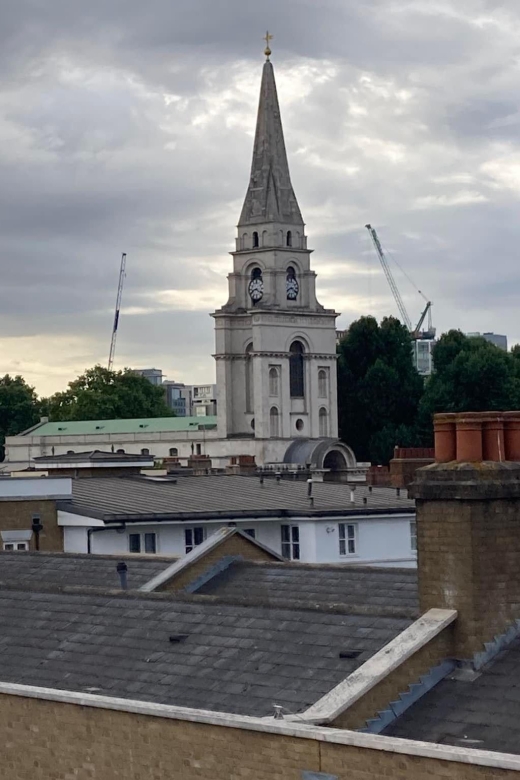
This tour runs for 2 hours, and it’s set up as a walking experience without being an all-day slog. One of the practical strengths mentioned is that it doesn’t require walking too much, which matters if your feet hate you by mid-trip.
It’s also wheelchair accessible, which is a big deal for a neighborhood tour where other experiences can feel too rigid. If you need accessible routes or time to move slowly, this is the kind of tour that’s more likely to work than a purely “stand-and-go” walking playlist.
What you should bring is simple: weather-appropriate clothing. You’ll be outside in central London, and the route is short enough that your comfort is mostly about layers, not gear.
The walking route: what each stop teaches you
This tour is built around a sequence of street addresses and key nearby points. Some are visited in detail, others you pass by. The value is that each stop connects architecture, location, and the story around what happened there.
Below is what you can expect from the stops, and why each one fits the tour’s goal of connecting myth to place.



Brick Lane (visit)
You’ll start moving into the area around Brick Lane, where the street scale and building lines help you picture what daily life looked like in the Victorian era. Even without a long deep-ruin detour, the street itself gives you a visual reference point.
This is where the guide’s narration tends to shift from broad background into “this is where it happened” thinking. It’s also a good moment to ask questions early, since the group tone is usually lively at the start.
Gunthorpe Street (visit, 16 Gunthorpe St)
At 16 Gunthorpe St, the tour keeps you focused on a specific setting tied to the case. When you stand in front of a real address, it’s easier to understand how events would have unfolded in a neighborhood rather than in an isolated scene.
This is the kind of stop where discussion can get interesting. The story is famous, but the details are often argued; being able to question the narrative in real time can make the whole thing stick.
Flower and Dean Walk (pass by, 49 Flower and Dean Walk)
You pass by 49 Flower and Dean Walk, so think of this as a quick orientation checkpoint. It’s useful for linking different parts of the neighborhood and helping you see how the streets relate to one another.
Even as a pass-by stop, it adds spatial clarity: you start to feel the “shape” of the area rather than treating every address as an isolated trivia card.
Banglatown Arch (visit)
At the Banglatown Arch, you get a strong sense of how Whitechapel has layers. The tour uses the area to connect the past to what you can still see today.
Why I like this stop: it reminds you that history lives inside neighborhoods that are still alive. The guide’s tone here tends to steer you back toward context—what these streets meant as lived-in places, not just case markers.
Hanbury Street (visit, 29 Hanbury St)
At 29 Hanbury St, the tour focuses on a specific street scene. This is where you’ll likely hear a tighter explanation of how the case is tied to that location and what makes it significant.
If you’re the type who gets lost in names and dates, this stop helps you regroup. Real locations act like mental hooks, so your brain stops trying to memorize the entire case at once and starts to map it.
Ten Bells, Spitalfields (pass by)
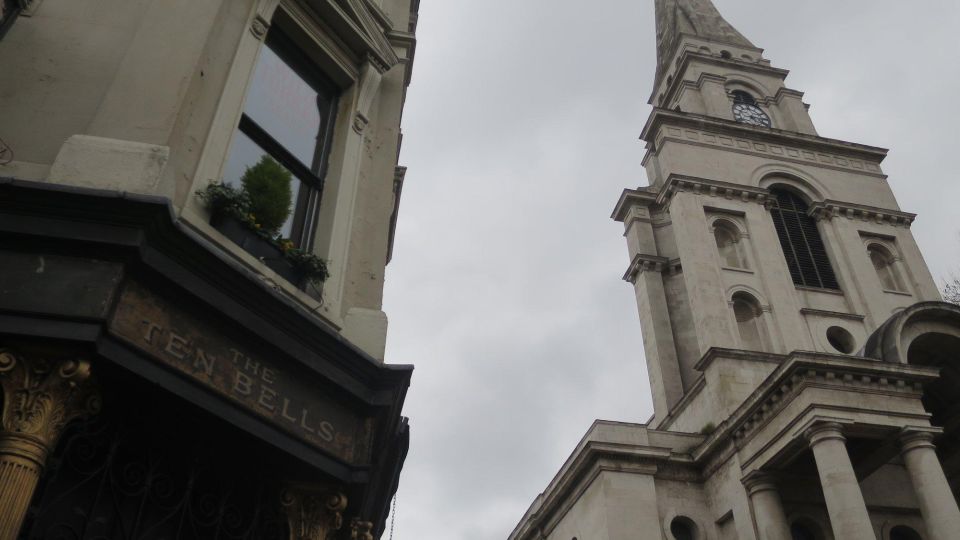
You’ll pass by the Ten Bells Spitalfields. Since it’s a pass-by point, it’s best treated as a snapshot in the route, not a long pause.
Still, this kind of stop can add atmosphere to what you’re hearing. It’s one of those places where the surrounding streets help you picture how people moved through the area.
Mitre Square Garden (visit)
At Mitre Square Garden, the tour shifts into a more open, grounded space. A garden or square tends to change the way you listen—your attention sharpens, and you can absorb details without feeling like you’re constantly dodging traffic and street corners.
This is often the kind of stop where Q&A can really work, because the space gives you a calmer moment to talk and think.
Goulston Street (visit, 46 Goulston St)
At 46 Goulston St, the narration typically leans back into the “real scenario” approach the tour promises. This is where the guide’s research style matters, because you’re not just chasing spooky vibes—you’re tying story beats to a location.
Stand here and let the guide’s photos and images do their job, if they come up during your group’s timing. Seeing support material while you’re at the street helps reduce the sense that you’re watching a myth from a distance.
White’s Row (visit, 6 White’s Row)
You finish the main sequence at 6 White’s Row. Late in a walking tour, that last stop becomes a kind of mental checkpoint: you’ve heard enough context to start forming connections, so the ending location can feel like it “locks” the story into place.
If you’re curious and want to keep thinking, this is also a good time to ask one more question. The guide’s style is described as open to doubts, and you’ll want to end with clarity rather than a foggy “that was interesting” feeling.
How the tour separates myth from story
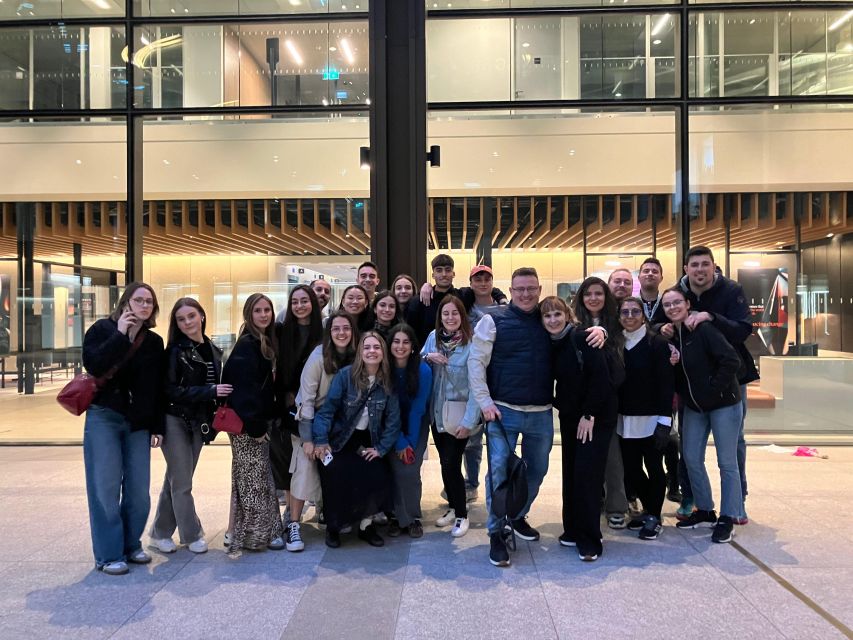
Jack the Ripper is a magnet for myths. This tour fights that problem by doing something simple: it anchors the narrative in street locations and in Victorian-era context. You’ll hear about the settings and the area’s architecture, along with how the victims lived day to day.
That matters because it changes the emotional math. Instead of feeling like you’re consuming a legend, you start to treat the case as something rooted in a specific place and time. It can still be intense, but it’s more respectful and more understandable.
The tour also encourages debate. You’re invited to ask, debate, and share theories in a direct dialogue. That doesn’t mean everyone just throws ideas at the wall. It’s more like the guide sets a historical baseline, then lets your questions test where the evidence is strong and where it’s harder to prove.
Spanish guide + interaction: what that feels like in practice
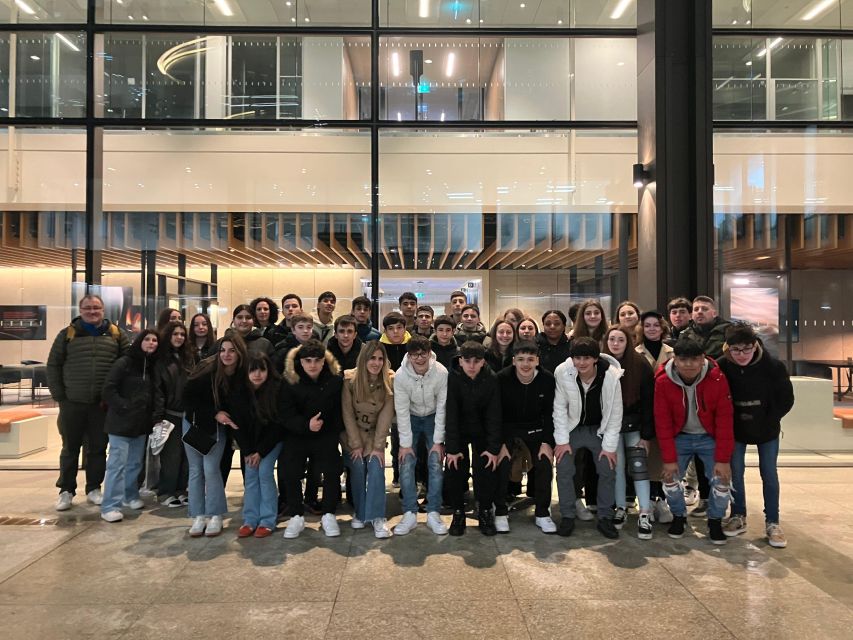
A Spanish-led tour is a smart choice if you want to practice listening while sightseeing. More importantly, the tour is designed for interaction, so you’re not stuck quietly nodding through details you don’t fully catch.
From what the guide experience is described as, José Oranto keeps people engaged and answers doubts both about the experience and about your broader London trip. One practical example mentioned is help with the metro and points of interest. That kind of bonus turns the tour from a one-off attraction into something that helps you navigate the rest of the city.
Also, because you’ll have a running chance to ask questions, you don’t have to wait until the end to clarify what the guide means by a specific claim. For a case with lots of competing theories, that on-the-spot clarity is a big value.
Price and value: how $21 makes sense for what you get
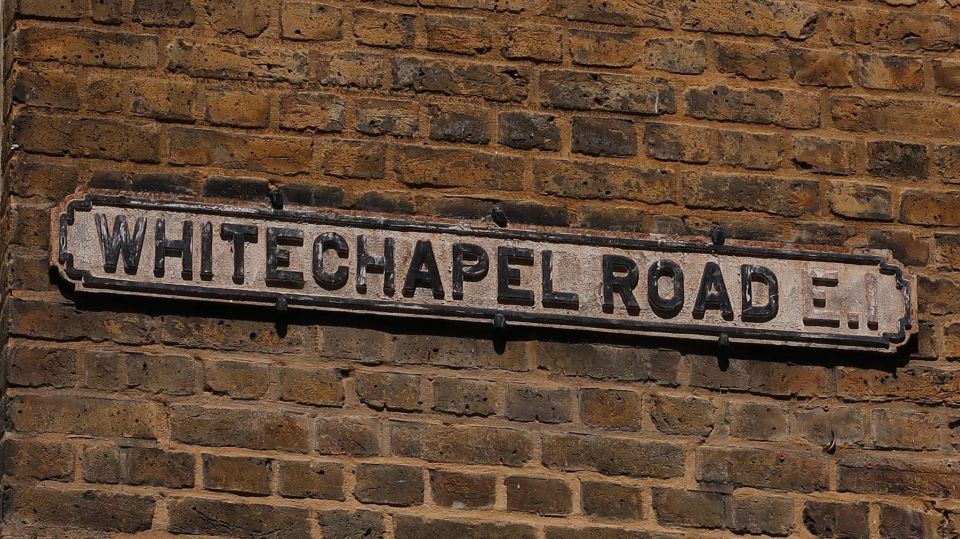
At $21 per person for a 2-hour guided walking tour, this is priced like a budget-friendly “must-do.” The value is strongest if you care about three things: a serious guide, real locations, and time to ask questions.
Many cheaper tours leave you with generic stories and a rushed ending. Here, the cost buys something more specific: a research-led guide with major credentials, a route that aims for crime-scene streets, and a format built for dialogue. If you’re someone who wants to understand the case rather than just collect photos, that’s where the price feels fair.
The tour is also wheelchair accessible, which adds value in a category where some experiences are not flexible.
Quick practical tips before you go
Here are the things I’d plan around so you get the most out of the walk:
- Wear weather-appropriate clothing and layer up, since London weather loves last-minute changes.
- Bring curiosity. The tour works best if you’re willing to ask questions and challenge points that don’t sit right with you.
- Skip heavy expectations of a performance-style show. This is story plus evidence plus street context.
Also, remember the rule: no video recording. If you want photos for your memories, that’s typically the kind of rule set you’ll follow easily, but videos are specifically not allowed.
Should you book this Jack the Ripper tour in Spanish?
Book it if you want a real Whitechapel street experience with a guide who brings research credentials and a discussion-friendly style. It’s a strong fit for anyone who likes to learn, ask questions, and connect architecture and place to the story.
Skip it (or consider another format) if you only want a quick spooky walk with minimal walking and zero discussion. This tour is interactive, and it leans factual over theatrical.
If you’re in London for a short stay and want one outing that helps you understand the case without turning it into a shallow myth tour, this is an easy pick—especially if Spanish is one of your working languages.
FAQ
How long is the Jack the Ripper tour in Spanish?
It lasts 2 hours.
What language is the guide?
The tour is led in Spanish.
Where does the tour start?
It starts at St Marys Whitechapel Church Memorial.
How much does the tour cost?
The price is $21 per person.
Is the tour wheelchair accessible?
Yes, the tour is wheelchair accessible.
Is video recording allowed during the tour?
No, video recording is not allowed.
Do I need to walk a lot?
The tour is described as not requiring walking too much, while still being a true walking experience.
Can I cancel for a full refund?
Yes. Free cancellation up to 24 hours in advance is offered for a full refund.
Is there an option to reserve now and pay later?
Yes. You can reserve now and pay later, meaning you pay nothing today.
Is it interactive, or mostly listening?
It’s interactive. You can ask questions and join in an open dialogue during the tour.