REVIEW · LONDON
London Rock Music Heritage Soho and North London Tour
Book on Viator →Operated by ACCESS ALL AREAS (GB) ltd · Bookable on Viator
London turns into a jukebox on this bus tour. It’s a smart way to connect famous musicians to real street corners across Soho and Camden.
I especially like how the tour builds stories through short photo stops instead of endless wandering. I also like the way the guide work can make it feel personal, with guide names like Collin, Lucky, and Ian showing up in the guide style people talk about.
One heads-up: like most London coach routes, you’ll spend some time driving, and the itinerary can shift with weather or traffic.
In This Review
- Key highlights worth knowing
- Why this London Rock Tour works better than a self-guided day
- Starting at Duke of York Column and ending near Piccadilly Circus
- The coach ride: how the route turns cities into a music timeline
- Roundhouse and the story of London live music venues
- Soho on foot: Wardour Street and Soho Square
- Denmark Street: Tin Pan Alley energy in today’s London
- Camden Market and the changing face of musical London
- Abbey Road crossing: the photo stop that actually feels worth it
- Beyond the headline names: studios, gigs, and darker stories
- Price and value: what $151 buys you in real terms
- Who will love this tour most
- Should you book London Rock Music Heritage: Soho and North London?
- FAQ
- How long is the London Rock Music Heritage Soho and North London tour?
- Where does the tour start and where does it end?
- What is included in the tour price?
- Is food included?
- Do I need to buy tickets for any stops?
- Is the route fixed?
- Is there free cancellation?
Key highlights worth knowing
- Short, well-timed photo stops so you can actually get pictures at the iconic spots
- Music club stories from the 50s through today tied to real venues and streets
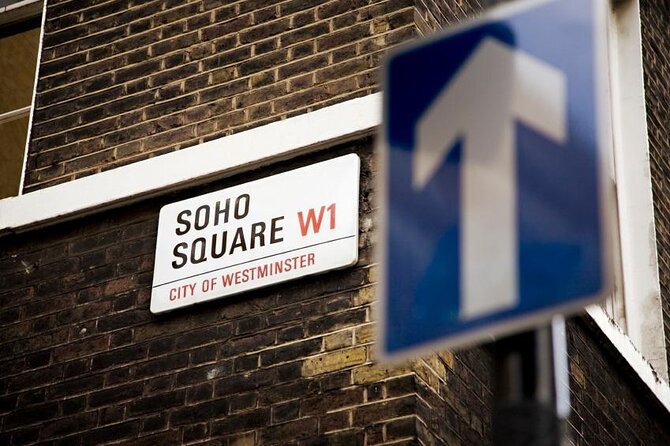
- Soho on foot at Wardour Street and Soho Square, plus a walk through music retail legend Denmark Street
- Camden Market and its changing scenes from earlier counterculture to later Britpop eras
- Abbey Road crossing with real time to recreate the photo moment
- A small-group feel with a cap of 45 travelers so questions stay practical
Why this London Rock Tour works better than a self-guided day

If you want London music to mean something, this tour is built for you. Instead of bouncing between landmarks and trying to stitch the story together yourself, you get an organized route with commentary that links bands, studios, and venues to specific neighborhoods.
The second big win is the pace. Stops are brief but frequent, which helps you avoid the common “we drove for an hour to see one wall” problem. You still get walking moments in the neighborhoods that matter, plus photo time at the headline locations.
And yes, you’ll hear a lot of rock-pop trivia. Not the random kind either. The style people praise most is the guide who adds anecdotes and personal stories, then times the stops so you’re not stuck waiting at a curb with nothing happening.
You can also read our reviews of more historical tours in London
Starting at Duke of York Column and ending near Piccadilly Circus
This tour is designed for an easy morning. You start at Duke of York Column in St. James’s, then finish near Piccadilly Circus, a strong location for restaurants, theaters, and tube connections.
That matters because London is good at eating your time. A tour that starts central and ends central helps you keep the rest of your day intact. You won’t need a separate plan just to get yourself back to the places you’ll want later.
Also, the tour uses an air-conditioned coach. On warm days (or just on days when your walking tolerance is tired), that comfort buys you energy for the moments that require you outside.
The coach ride: how the route turns cities into a music timeline
The core idea is simple: the story of rock and pop in London is not one place. It’s many scenes, layered through decades, and the coach route is what keeps the jumps logical.
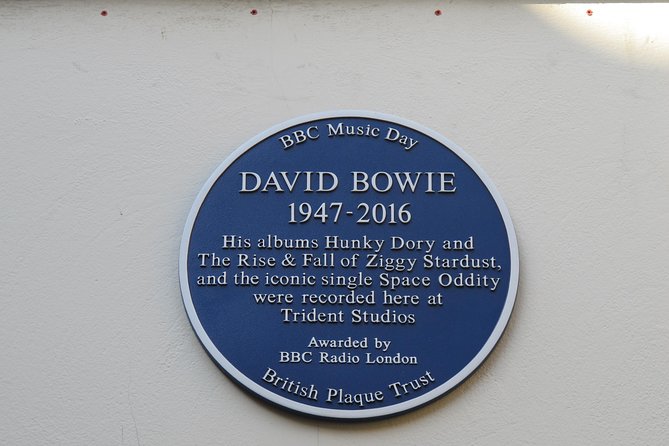
As you travel, you pass by and hear about places tied to famous names and key moments. You’ll hear the kind of details that usually stay locked in books: where Jimmy Page cut his first disc, the darker story linked to Joe Meek, and where The Clash recorded London Calling. You also get references to Pink Floyd’s former studio.
A good part of the storytelling is how it connects the dots between neighborhoods and careers. Soho and Camden show up as cultural magnets at different times. Hampstead is treated more like an address for artists who shaped the sound. Muswell Hill shows up as a shrine stop, tied to The Kinks.
One more practical note: the route can change without notice because of weather or traffic. That doesn’t mean you’ll lose the theme. It just means London may reorder the timing of a few places.
Roundhouse and the story of London live music venues
Your first meaningful stop is at the Roundhouse. You get a short visit and a chance to take in the venue itself, plus the history that explains why it matters in London rock and alternative culture.
What I like about starting with the Roundhouse is that it anchors the day in live music first, not just famous buildings. London’s sound has always been tied to gigs, club nights, and the rooms where people made scenes feel real. When you hear about the venue early, the rest of the day has better context.
This stop is short, so set expectations: you’re not touring inside all morning. Still, it’s a helpful spark. If you’re the type who loves “where it happened,” you’ll appreciate that you’re starting with a place that still has identity.
Soho on foot: Wardour Street and Soho Square
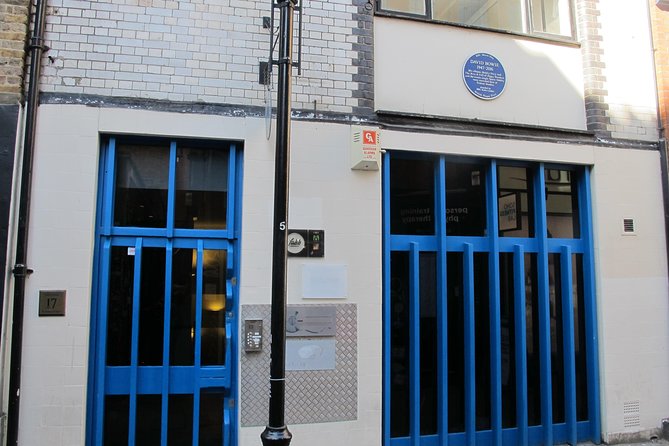
Soho is the part of London where the streets feel like they should have music leaking out of every doorway. This tour gives you a chance to walk without turning it into a long maze.
You spend time on Wardour Street, moving through narrow, winding streets that fit the entertainment-district vibe. You also stop around Soho Square, where the tour connects places to the Beatles, David Bowie, and the broader 60s folk scene.
Here’s the key value for you: walking a small section with commentary is a shortcut. You learn what to notice. Otherwise, you’d just see trendy shops and classic facades and guess what mattered.
A drawback to keep in mind: Soho is busy and your time is limited. The stop length is brief, so if you’re hoping for deep exploration of side streets, plan to use the later free time after the tour. This is the guided sampler, not the do-everything package.





Denmark Street: Tin Pan Alley energy in today’s London
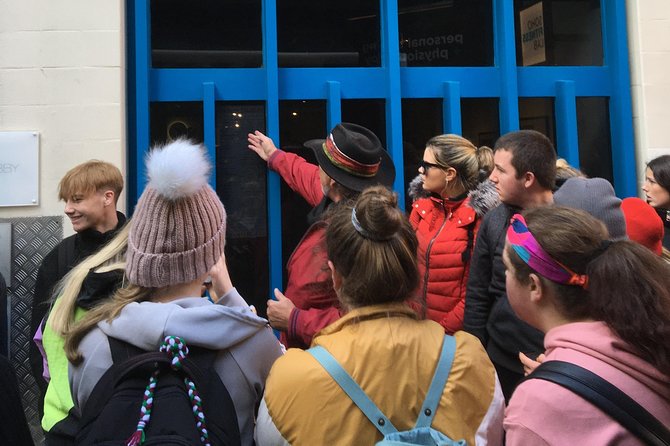
Denmark Street is one of those names that sounds mythic, and it still feels like it carries that music-business weight. You get time to stand in the area associated with Tin Pan Alley and hear why it mattered.
The tour also calls out the famous list of artists linked to the street, including The Rolling Stones, The Kinks, David Bowie, Elton John, the Sex Pistols, and Jimi Hendrix.
Why that helps: it turns a street you might otherwise pass by into a map. Once you understand the idea of a music-business hub where songs and performers intersected, the rest of your London trip starts to feel more connected.
You’re not shopping for memorabilia here, either. You’re learning how the industry used to work on the ground, then seeing the modern city layered over it.
Camden Market and the changing face of musical London
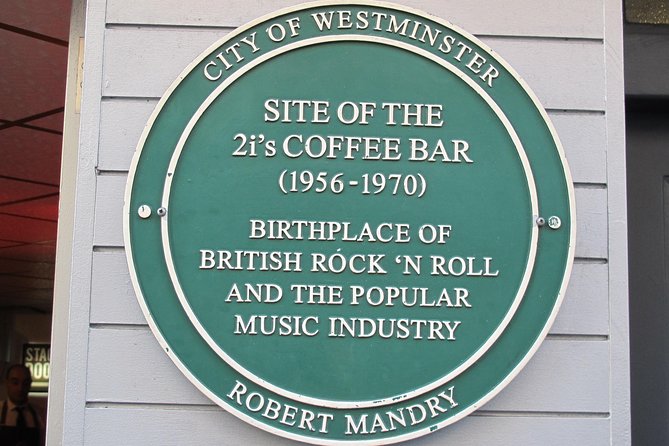
Camden Market is one of the most visually obvious stops of the day. The point isn’t just photos and atmosphere. The point is how Camden shifts through time and how different scenes share the same address.
You’ll hear about Amy Winehouse and earlier hippie London culture. You’ll also connect Camden to The Clash and later eras that include Madness, U2 in the 80s, and the Britpop push and pull of the 90s.
This is where the tour earns fans who don’t all agree on the same genre. Camden can feel like a disagreement session in the best way. Punk history sits near later pop energy. If you like rock in general rather than one narrow playlist, Camden’s role makes sense.
Just keep your practical mindset: you’ll have limited time on the ground. If you want to shop or snack, treat it as a quick stop and plan to return later if you fall in love with the vibe.
Abbey Road crossing: the photo stop that actually feels worth it
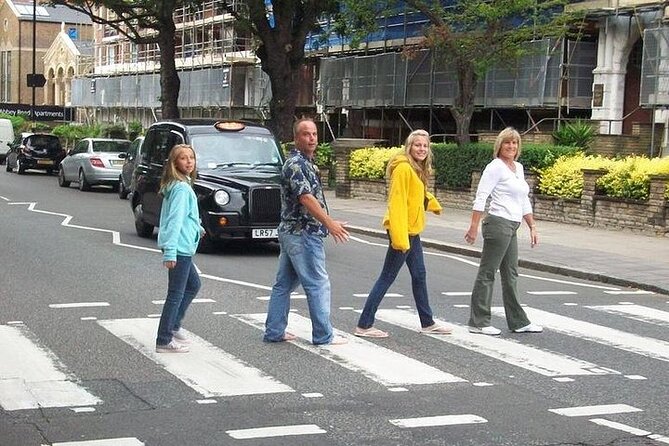
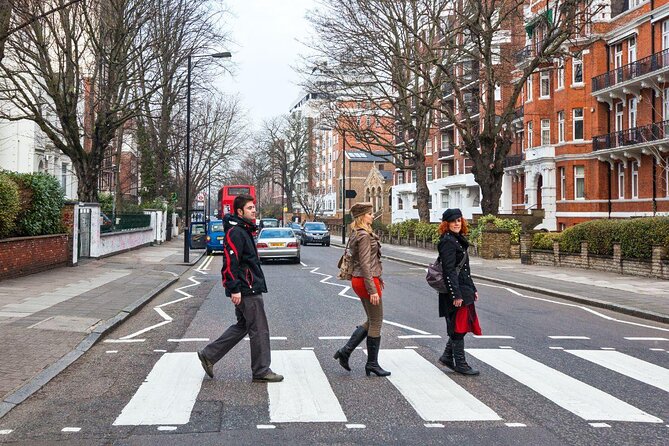
Every London music fan knows the Abbey Road crossing. What makes this tour stop different is that you’re given focused time for the walk-and-photo moment.
You also get a stop at Abbey Road Studios, so the tour isn’t only about the crossing as a single prop. It frames why the location has become a global symbol of London rock.
A little strategy helps: if you care about getting a clean photo, be ready to move quickly when the light and foot traffic give you a window. The stop is short, so you’re not wandering around for half an hour deciding what pose to do.
If you have kids, teens, or anyone who loves iconic images, this is often the emotional payoff of the morning. People like the chance to recreate the crossing rather than just seeing it from a distance.
Beyond the headline names: studios, gigs, and darker stories
This tour doesn’t limit itself to the obvious postcards. While you’re on the coach, it covers the in-between pieces that make London music feel like a full system.
You’ll hear stories and place markers tied to:
- where Jimmy Page cut his first disc
- the Joe Meek story involving his landlady
- the record-making context for The Clash and London Calling
- key gig venues such as the 100 Club and Ronnie Scott’s
You also get notes around major artist homes and addresses in areas like Hampstead Heath, including mentions tied to Boy George, George Michael, and Sting.
This section matters because it teaches you the difference between a museum view and a living city view. London’s music story isn’t one monument. It’s found in working spaces, old venues, and the city’s neighborhoods.
The guide tone is where the magic often lands. In the feedback people share, what stands out most is the ability to tell personal anecdotes and connect facts in a way that feels like a conversation with someone who genuinely loves the subject. Different guides like Collin, Lucky, and Ian each seem to bring their own rhythm, but the common thread is that the tour keeps moving and keeps you listening.
Price and value: what $151 buys you in real terms
At $151 for about 3 hours 30 minutes, you’re paying for three things that add up fast in London:
- Transport by air-conditioned coach without you planning routes and transfers
- A professional local guide who connects sites into a coherent story
- Time at key locations so you don’t waste your half-day chasing info
Is it expensive for a walking tour? Yes, in the sense that you’re not “just paying for shoes.” But this is not just sightseeing. It’s a guided route with multiple neighborhoods and specific stop timing built around iconic music geography.
Also, the tour keeps group size limited (maximum 45). That helps with the feel and makes Q and A easier, even if you’re not the type to ask questions constantly.
The best value test is this: if you want to see Abbey Road, Soho, Camden, and live-venue history in one morning, this price often looks fair. If you already know you only care about one area, you might prefer a simpler, cheaper plan.
Who will love this tour most
This is a strong match if you:
- like rock and pop across decades, not just one era
- want famous names connected to real streets and venues
- enjoy photo stops but also want context, not just scenery
- appreciate a guide who adds stories and makes the route feel like a narrative
It can also work for mixed groups. The day touches everything from Beatles-era references to punk, ska, Britpop, and later chart culture tied to Camden.
If you’re someone who hates any time on a coach, you might feel the driving time more than you’d like. In that case, you’d probably enjoy a shorter neighborhood walking-focused option instead.
Should you book London Rock Music Heritage: Soho and North London?
I’d book it if you want a time-efficient, guide-led way to turn London’s rock mythology into something you can point to on a map. The mix of Soho walking, Camden Market time, and Abbey Road’s crossing moment is a good set of anchors, and the route’s stories help you connect them without doing homework all week.
If you’re picky about pacing, go in with realistic expectations: short stops mean you’ll see a lot of locations, not one location in depth. And since the route can shift with weather or traffic, don’t plan a tight schedule for the exact minute you get off the coach.
FAQ
How long is the London Rock Music Heritage Soho and North London tour?
It runs about 3 hours 30 minutes.
Where does the tour start and where does it end?
It starts at Duke of York Column in St. James’s, London (SW1Y 5AJ) and ends near Piccadilly Circus.
What is included in the tour price?
You get a professional local guide and transport by air-conditioned coach.
Is food included?
Food and drinks are not included unless specified.
Do I need to buy tickets for any stops?
Some stops are described as free admission (for example, the Roundhouse stop notes a free admission ticket). Other parts are street-level sightseeing and photo stops.
Is the route fixed?
The route is subject to change due to weather or traffic conditions.
Is there free cancellation?
Yes. You can cancel up to 24 hours in advance for a full refund.