REVIEW · LONDON
London: Secrets of Freddie Mercury Tour with a Cocktail
Book on GetYourGuide →Operated by Pigeon Tours London · Bookable on GetYourGuide
Freddie Mercury walks right beside you. This 2.5-hour London tour strings together real street locations and big-name music milestones, from where he lived with Mary Austin to recording-room stops tied to Queen’s sound. I like that it’s built like a story: it moves through homes, rehearsal and recording studios, and cultural venues instead of just listing plaques. I also love the personal angles, like the Mary Austin connection and the Montserrat Caballé meeting. One thing to consider: the route is mostly outside, so in bad weather the experience can feel more like a walk-and-look than a sit-down deep lecture, and the price may sting if you’re expecting tons of indoor time and photo stops.
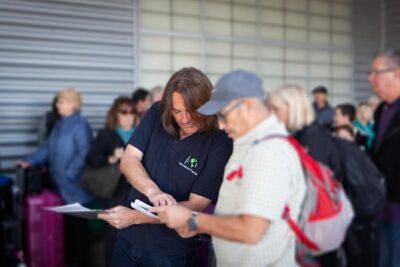
A good guide makes or breaks this kind of tour. In past tours, a guide named Valery stood out for pushing through language barriers and keeping things lively even when it rained. The tour also offers English, Russian, and Ukrainian, so you can match your comfort level. Just know it’s a guided walking format, so you’ll get a lot more out of it if you enjoy moving through neighborhoods and spotting details at street level.
In This Review
- Key things I’d circle in your notes
- Starting in Hammersmith at The Hand & Flower
- Mary Austin, Freddie’s last years, and the homes you can still picture
- Trident Studios and the recordings that put Queen on the map
- The pub stop that connects Freddie to the band’s story
- Royal Opera House and Montserrat Caballé: where genres shook hands
- From Kensington Market streets to Freddie’s last performance in Time
- How the 2.5 hours usually feels: pace, breaks, and weather reality
- Price and value: what $344 buys in this format
- Who should book this Queen-focused walk, and who might pass
- Final verdict: should you book Secrets of Freddie Mercury with a Cocktail?
- FAQ
- How long is the London Secrets of Freddie Mercury Tour with a Cocktail?
- Where is the meeting point?
- What’s the tour route like at the end?
- What languages do the guides speak?
- Is the tour wheelchair accessible?
- Do I need a transport ticket or Oyster card?
- FAQ
- Does the tour include a cocktail?
- What major music-related locations are included?
- What performance-venue connection is included?
Key things I’d circle in your notes
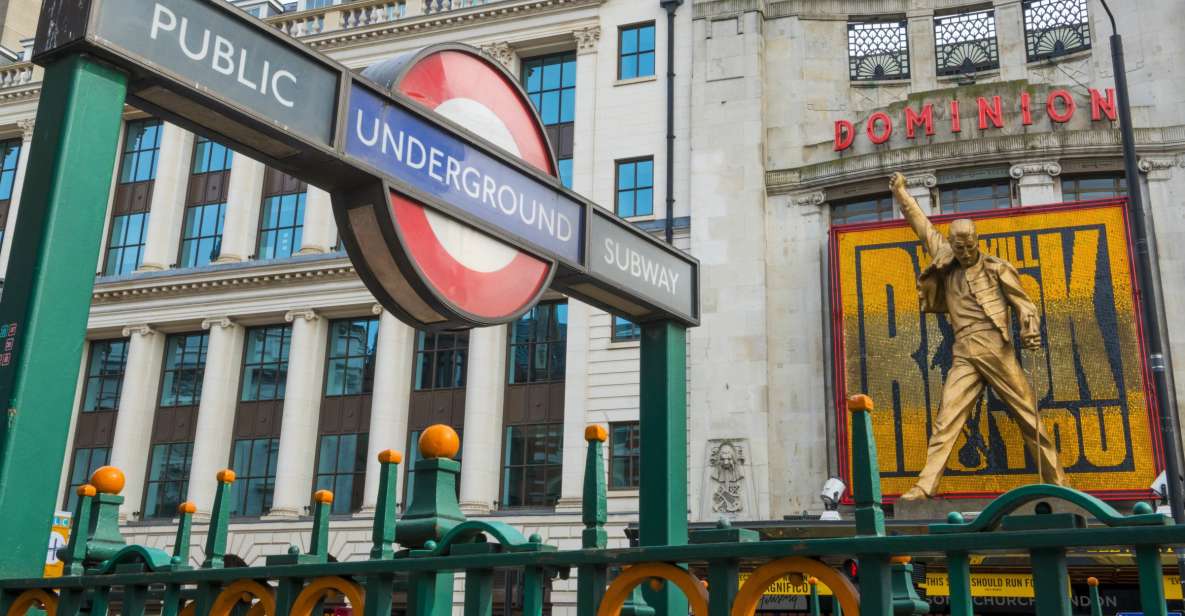
- Freddie’s homes mapped in a tight route around Mary Austin, his last years, and earlier addresses
- Trident Studios and other studio stops linked to specific Queen recordings
- An iconic pub stop connected to Freddie meeting the band’s inner circle
- Royal Opera House tie-in, including his meeting with Montserrat Caballé
- Covent Garden area finale, tied to Freddie’s very last performance in Time (14 April 1988)
Starting in Hammersmith at The Hand & Flower
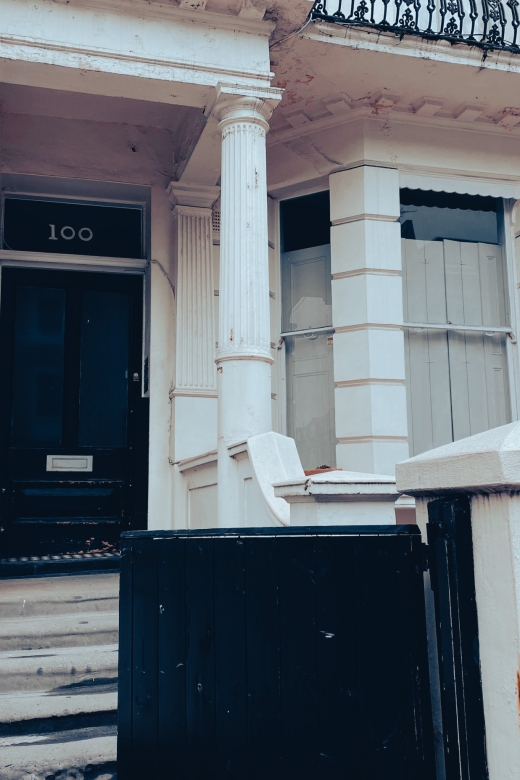
The tour kicks off right where it should: outside The Hand & Flower in Hammersmith. It’s an easy point to find (1 Hammersmith Rd, Hammersmith, London W14 8XJ) and it sets the tone. You’re not starting in a museum. You’re starting in the real London that shaped Freddie’s world—streets, pubs, and everyday places where history happened between rehearsals and late nights.
This matters because the tour isn’t just about famous names. It’s about how London geography works. I like that you’ll walk from one connected area to another rather than bouncing randomly across the city. Even if you’re only in London for a short visit, it gives you a “this is the map” feeling fast—especially if you’re pairing it with other central sightseeing.
You’ll also want to have your local transport sorted. The tour asks you to have your day tickets/Oyster cards ready, which is a polite way of saying you’ll be using public transport or at least dealing with the city between stops. If your plan is to cram this tour on top of every other appointment, build in buffer time for connections and weather.
You can also read our reviews of more tours and experiences in London.


Mary Austin, Freddie’s last years, and the homes you can still picture
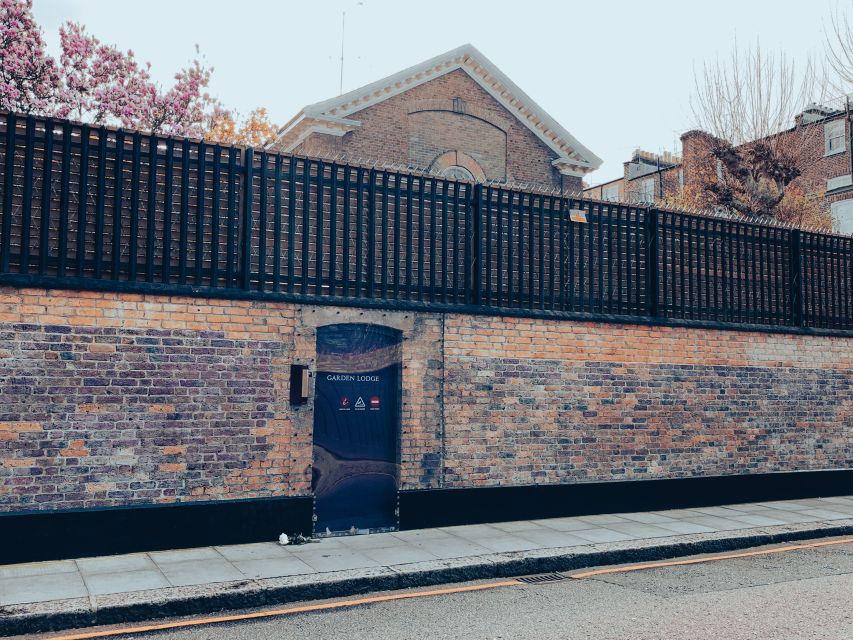
One of the strongest parts of this tour is the residential leg. You’ll see where Freddie lived with Mary Austin in the 1970s—plus locations tied to Love of My Life, the song dedicated to her. That songwriter-to-address link is exactly the kind of detail that turns fan trivia into something you can actually feel. Instead of memorizing, you start picturing: rooms, walks, and routines.
You’ll also walk by the area connected to Freddie’s final years. The tour includes seeing the house where Freddie died, and it’s described as being occupied by Mary Austin and her family. That’s a heavy detail, and it lands differently when you’re standing near the front of a real home rather than scrolling photos at 1 a.m.
Another residential stop includes the flat where Queen members shared space in the early 1970s. That’s a great reminder that this band wasn’t born fully formed in a studio booth. Early Queen was collaboration, schedules, and shared walls—then the music starts scaling up.
A practical note: these stops can be subtle. Some addresses don’t come with obvious Freddie “signals” you can point at. If you want a tour that slows down for lots of close-up visual evidence, keep your expectations realistic. This experience leans more toward guiding your eyes and your imagination than providing a photo-heavy, indoors-heavy show.
Trident Studios and the recordings that put Queen on the map
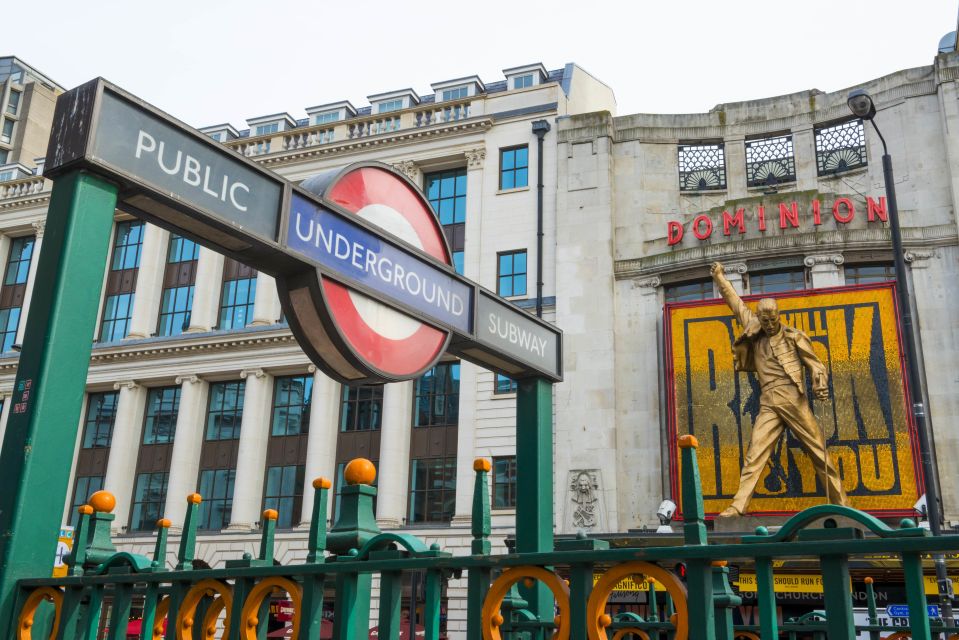
Music fans get paid back here. The tour takes you to Trident Studios, spotlighted as a place where songs like Who Wants to Live Forever and Barcelona were recorded. It’s not just “here’s a studio.” You’ll connect the building to the work created inside it, which helps the music feel less like a playlist and more like a process.
The tour also includes a stop at another popular studio used for rehearsals. Even without a huge amount of technical talk, that distinction is important. Recording is finished-product energy. Rehearsals are where a band tests rhythm, structure, and sound before it becomes the version you hear on an album.
You’ll also walk by the place tied to where Queen recorded all the songs for their first two albums. That’s a big deal if you care about the band’s early identity—those formative sounds that set the template for everything that followed.
What I like most is how the route treats music-making as part of London life. You’re not just visiting an industry landmark. You’re moving between homes, pubs, and performance venues, so the studio stops feel earned—not random “music pilgrimage” detours.
The pub stop that connects Freddie to the band’s story
Every band has origin stories, and for Queen fans, pubs are part of the legend. The tour includes an iconic pub where Freddie met Mary, Brian, and Roger. This kind of stop works because it’s grounded in how people actually form creative alliances. Not in fantasy. In meeting points.
A good guided walk here can turn a standard street into a timeline. You’ll be guided toward the pub, then later you’ll connect it to other stops that explain why these meetings mattered. It’s the connective tissue: the moments between the big performances and studio sessions.
Also, if the tour includes a cocktail (it’s in the experience name), this is the kind of time when it fits naturally. You’ll be part of the pacing that ends the walk with something fun and themed, rather than turning it into a separate bar-hopping mission.
Royal Opera House and Montserrat Caballé: where genres shook hands
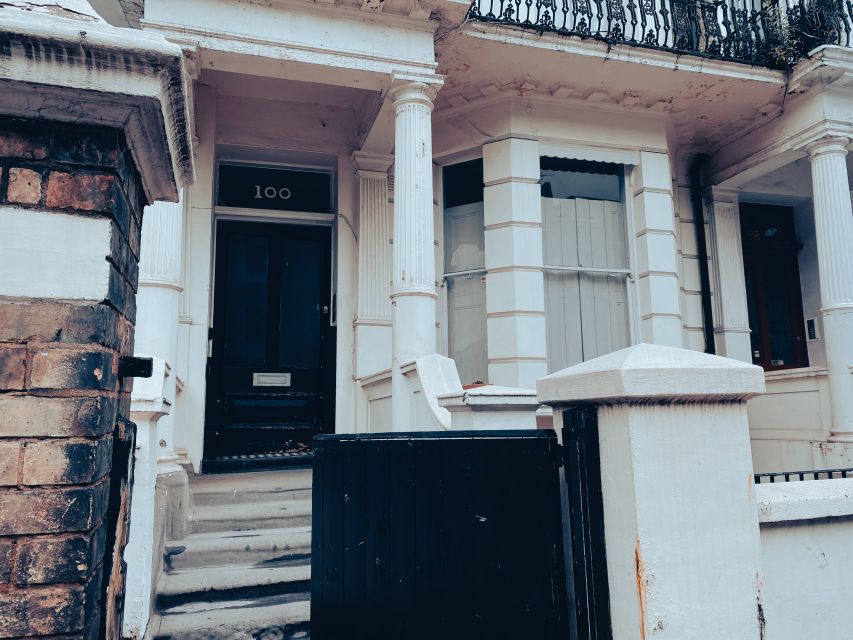
Another highlight is the visit to the Royal Opera House area. The tour includes time here for sightseeing, and it ties Freddie’s orbit to one of the most famous cross-genre moments of his career—his meeting with Montserrat Caballé. That’s a reminder Queen wasn’t trapped in one lane. Freddie was drawn to scale, drama, and big-stage performance culture.
This stop is also a good change of mood. After houses and studios, you get architecture and performance history. It’s the kind of location where your brain automatically starts thinking in terms of rooms full of sound—fitting for a band built on theatrical emotion.
Even if opera isn’t your thing, the meeting connection adds meaning. It answers the question fans often have: how did a rock frontman step into opera-level artistry? Here, you’re not just told. You’re placed near the kind of venue where that crossover could feel natural.


From Kensington Market streets to Freddie’s last performance in Time
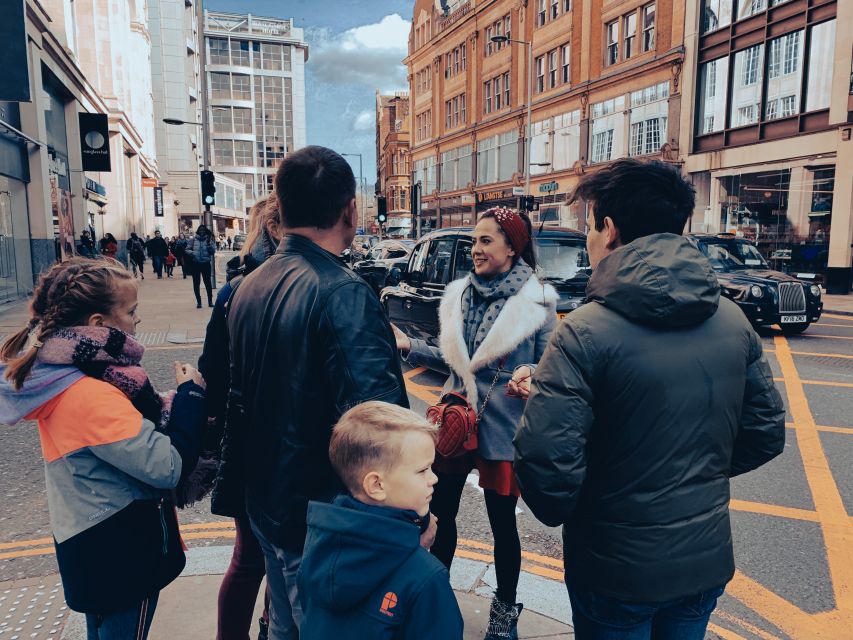
The tour includes a London neighborhood angle tied to Freddie’s early days. You’ll walk through a place described as once a Kensington Market, where Freddie was often seen selling shoes and art. That’s one of the most human details in the whole experience. It makes Freddie’s rise feel earned rather than magical.
Then you’ll connect that early scene back to Queen’s music origin, including where the band recorded songs for their first two albums. The contrast is striking: one stop says hustling and selling art. The next says major recordings. Same person. Different level of attention.
The finale is tied to Freddie’s very last performance in the musical Time on 14 April 1988. The tour finishes in the Covent Garden area, which is a logical-feeling wrap-up zone: it’s central, scenic, and easy to fold back into dinner plans afterward.
If you like a clear arc—early life, creative partnerships, recording breakthroughs, then the closing chapter—this ending gives you that. It also gives you a concrete date in your head, which makes the whole story feel real rather than vague.
How the 2.5 hours usually feels: pace, breaks, and weather reality
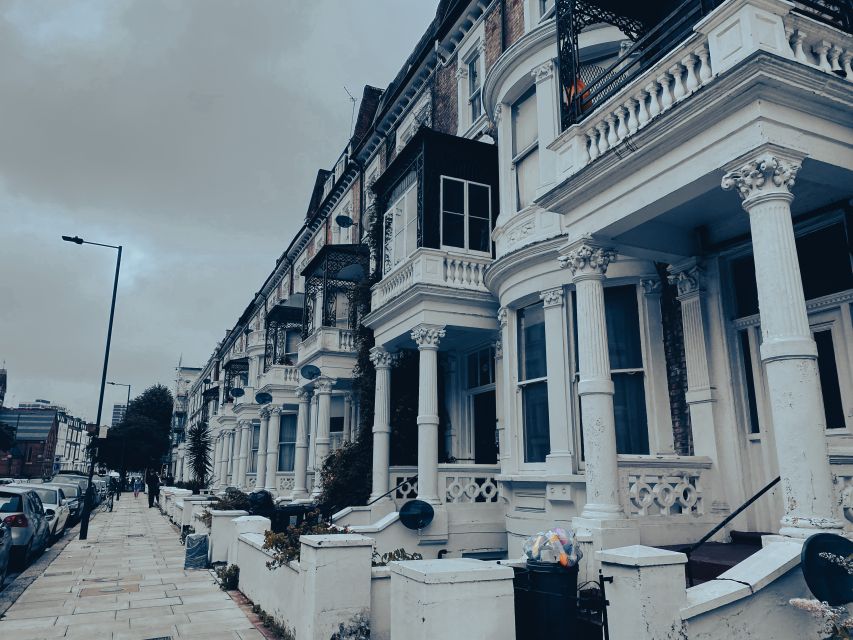
This isn’t a slow museum tour. It’s a walking route with a few built-in pauses. You’ll get a photo stop described as a secret stop (with 30 minutes set aside), plus a local café break (20 minutes). There’s also time around Covent Garden and a short sightseeing window around Royal Ballet and Opera.
So yes, you’ll move. And yes, rain can happen. One past attendee credited the guide for making a rainy day work. That’s the practical truth: you’ll enjoy this more if your attitude is flexible and you don’t melt down because London is London.
What you should bring is simple:
- Comfortable shoes. You’re on pavement for a reason.
- A layer you can manage. Rain is the uninvited co-star in London.
- Your transport plan ready, since the tour expects you to have day tickets/Oyster cards.
Also, since there’s a cocktail component, don’t schedule this right before something you can’t be flexible with. Plan a normal pace afterward. You’ll be walking and talking for 2.5 hours, and then you’ll want time to cool down and enjoy Covent Garden.
Price and value: what $344 buys in this format
At $344 per person for about 2.5 hours, this is not a bargain-priced “see a few plaques” outing. The value comes from density: you’re getting a lot of connected locations in a relatively short time—homes tied to Mary Austin, studios tied to recordings, a pub tied to band meetings, and a performance-venue tie-in tied to Caballé and the Time finale.
The trade-off is that the format is still street-level. Some people want more indoor access, more signage, more photos, or more time in one place. If that’s you, this tour might feel expensive for how much of it is simply looking at buildings from the sidewalk.
On the positive side, the tour aims for more than sightseeing. Past feedback highlighted guides who stay organized, explain context well, and keep things moving in a way that even avid Queen fans can appreciate. One attendee even mentioned a small Queen-themed lottery as a fun extra—these little touches help justify the cost because they add atmosphere, not just route pins.
My advice: if you’re a true Queen fan and you like the idea of a concentrated Freddie timeline, this is the kind of ticket that can feel like paying for focus. If you want deep research delivered at a lecture pace, you may wish this had more time or more interior stops.
Who should book this Queen-focused walk, and who might pass
This tour fits best if you:
- Know Queen’s songs but want the places to click in your head
- Like walking routes that feel like a story, not a checklist
- Enjoy venue connections—studios, opera spaces, and performance landmarks
- Prefer guided context so you’re not trying to connect dots on your own
It might be less ideal if you:
- Hate rain and dislike being outdoors with limited shelter
- Want tons of factual detail and visual proof at every stop
- Expect public transport costs to be handled for you (the tour expects you to have your own tickets/Oyster card)
One more quick note: language. The guides can work in English, Russian, and Ukrainian. If you’re booking and you’re not fluent in English, make sure you’re comfortable with the language that will be used.
Final verdict: should you book Secrets of Freddie Mercury with a Cocktail?
I’d book it if you want a compact, Freddie-centered London story that connects addresses to songs, studios to specific recordings, and opera and theatre to the bigger arc of his life. The combination of Mary Austin locations, Trident Studios, and the Royal Opera House tie-in gives you more than one angle on Freddie.
I’d hesitate only if you’re expecting a heavy, indoor, photo-driven production. This is a guided walk. The value is in the route’s connections and the guide’s ability to turn street corners into meaning—especially at the residential and music-site stops.
FAQ
How long is the London Secrets of Freddie Mercury Tour with a Cocktail?
It lasts 2.5 hours.
Where is the meeting point?
Meet in front of The Hand & Flower at 1 Hammersmith Rd, Hammersmith, London W14 8XJ, UK.
What’s the tour route like at the end?
The tour finishes in the Covent Garden area.
What languages do the guides speak?
The live tour guide options are English, Russian, and Ukrainian.
Is the tour wheelchair accessible?
Yes, it is wheelchair accessible.
Do I need a transport ticket or Oyster card?
You should have your day-travel tickets or Oyster cards ready.
FAQ
Does the tour include a cocktail?
The experience is titled with a cocktail, so the cocktail is part of the tour experience.
What major music-related locations are included?
You’ll see Trident Studios and other studio stops tied to Queen’s recordings, plus areas connected to where Queen worked on early music.
What performance-venue connection is included?
You’ll visit the Royal Opera House area and the route also connects to Freddie’s last performance in the musical Time on 14 April 1988.