REVIEW · LONDON
London: The Lost Tunnels of Euston Station Guided Tour
Book on GetYourGuide →Operated by London Transport Museum · Bookable on GetYourGuide
A train station with a secret underworld. This guided walk through Euston’s disused underground spaces is one of the most different ways to see London’s Tube story, from old posters to future HS2 changes, all in about 75 minutes.
I love two things here: the practical, human explanations from guides and the chance to see the vanished corners of Euston that most people never get close to. It feels like someone pulled back a curtain on how the station works, not just how it looks above ground.
One consideration: the tour is physically demanding, with lots of walking, low lighting, uneven ground, and stairs, plus there are no toilets. If you’re claustrophobic or have mobility limits, this one may not be a good fit.
In This Review
- Key things to know before you go
- Starting at the south exit of Euston Square station (you’ll find it fast)
- 75 minutes underground: what the pace and conditions really feel like
- The Euston tunnels: seeing a Tube station from the wrong side
- Vintage posters hidden for 50 years: what that reveals about station life
- Leslie Green and the “before” view you won’t get later
- Euston’s humble beginnings on Melton and Drummond Streets
- HS2 at Euston: why the future is baked into today’s tunnels
- The secret ventilation shaft and the Victoria Line view
- What you actually get for the $60.61 price
- Comfort and practicality: what to bring, what to wear, what to skip
- Who should book this Euston tunnel tour
- Should you book the London Lost Tunnels of Euston tour?
- FAQ
- Where do I meet my guide?
- How long is the tour?
- What’s included in the price?
- What should I bring?
- What isn’t allowed during the tour?
- Is the tour suitable for everyone?
- Are there toilets on the tour?
Key things to know before you go
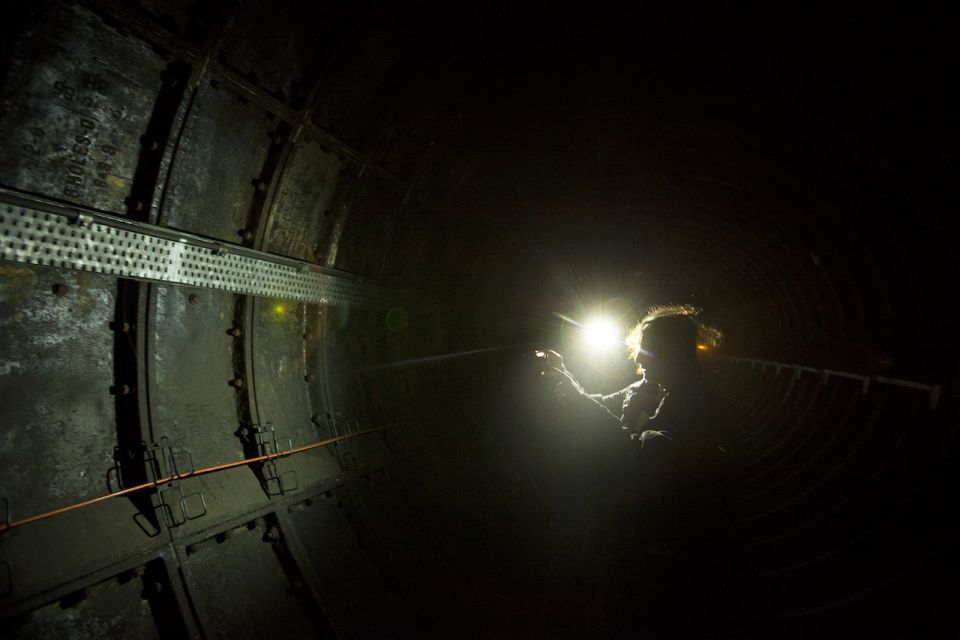
- You’re walking real disused passageways: dark, dusty corridors that were once used by the public.
- HS2 context is part of the route: you’ll hear how Euston is set to change with High Speed 2 to the Midlands.
- Vintage posters are preserved in plain sight—hidden for decades: you’ll spot remnants that have stayed out of view for about 50 years.
- A secret vent shaft is a highlight: you’ll head to it and look down on Victoria Line trains.
- Small-group energy is a plus: the tone stays friendly and photo-friendly, especially when the group is small.
- Bring sturdy shoes and patience: uneven ground, stairs, and no toilets shape the experience.
Starting at the south exit of Euston Square station (you’ll find it fast)
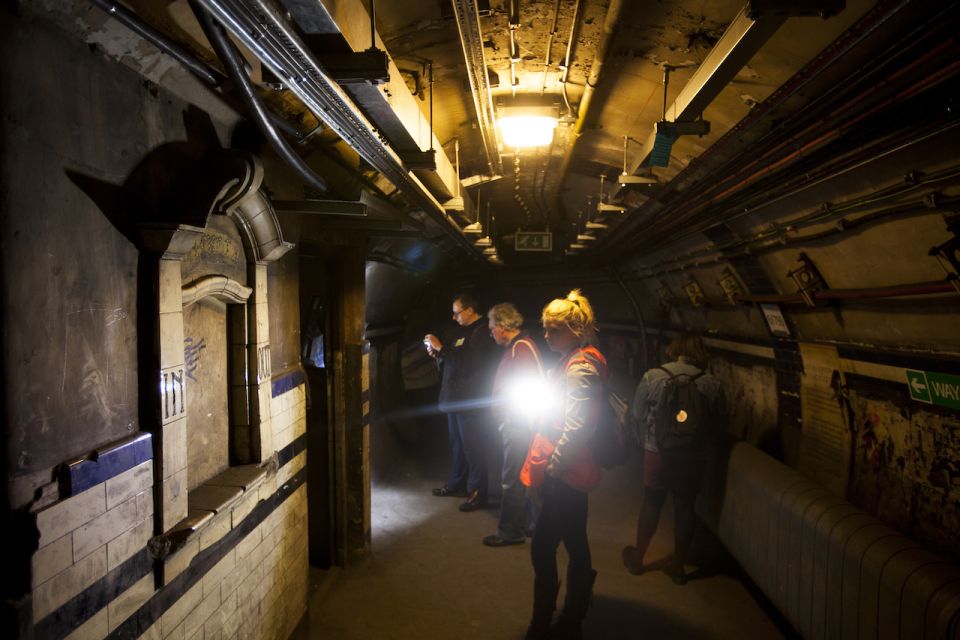
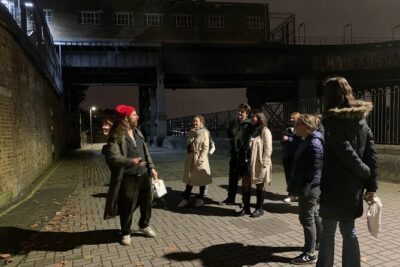
You meet your guide at the south exit of Euston Square station (NW1 2BF), on the corner of Gower Street and Gower Place. Look for the entrance with the glass façade on the hospital side of Euston Road, and use the what3words location baked.bend.worry if you want a backup.
This start point matters because it puts you in the right part of the Euston area before the walk leads you toward the Underground complex. It also means you’re not trying to solve station signage on the fly while others are already moving.
Tip: since you’ll be on uneven ground and stairs later, I’d arrive with your comfy shoes already on and your ID ready. You bring a passport or ID card, and that’s one less thing to juggle once the group is walking.
You can also read our reviews of more guided tours in London



75 minutes underground: what the pace and conditions really feel like
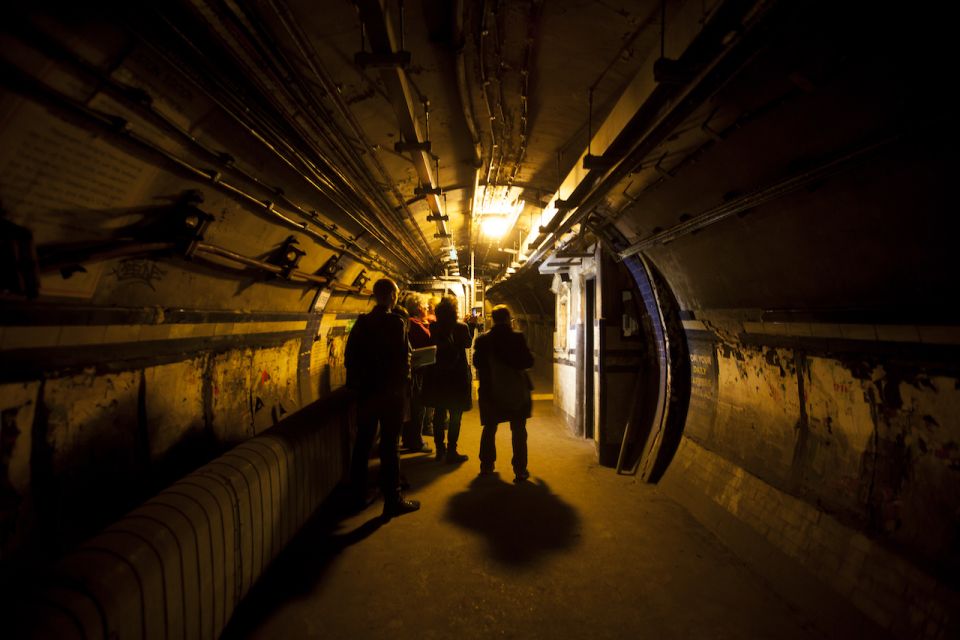
The tour runs for 75 minutes, and it’s mostly walking. Expect low lighting, uneven ground, and stairs. The route isn’t described as a quick hallway stroll—it’s more like a guided route through hidden station spaces that once had public foot traffic.
That sounds thrilling, but it also means your body does a bit of work. If you’re the type who gets tired by short stair climbs in daily life, plan accordingly. There are no toilets, and food or drinks aren’t allowed, so you’ll want to handle that before you start.
If you’re prone to claustrophobia, take the warning seriously. This is a tunnel tour, not an above-ground history lecture, and the spaces are described as dark and dusty.
The Euston tunnels: seeing a Tube station from the wrong side
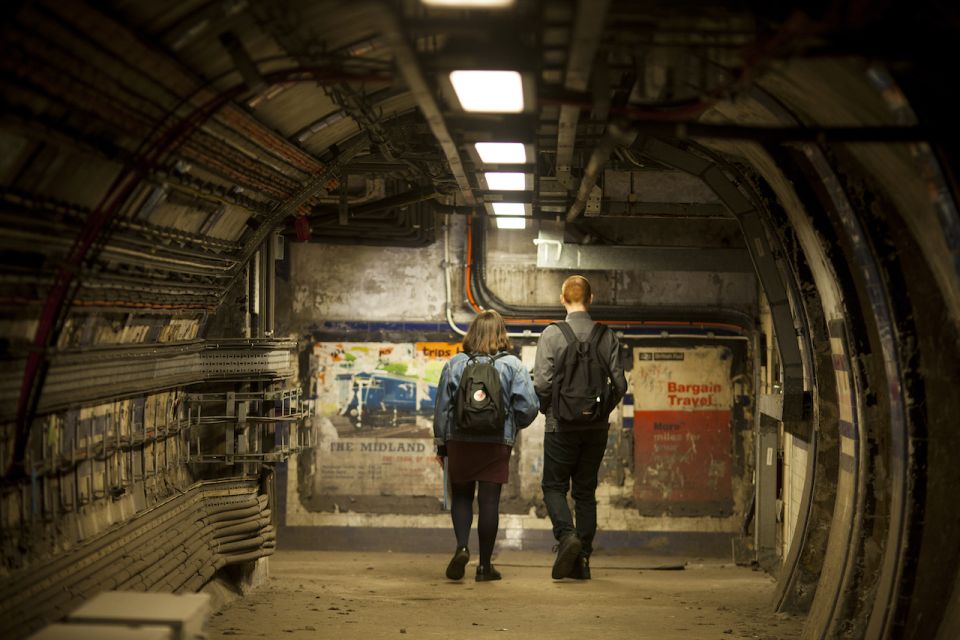
Euston Underground isn’t just a place you pass through. On this tour, you see it as a physical machine—corridors and passageways that don’t show up on your usual platform-to-exit routine.
You’ll follow your guide through a labyrinth of disused tunnels and older passageways that were once used by traveling public. The impact here is simple: you get a new mental map of Euston, not just a list of facts. After you’ve walked it, you’ll understand how the station’s underground network connects, even if the public doesn’t normally experience it.
Also, the tour gives context for why spaces like this get closed, and how station operations change over time. The best moments aren’t only the visuals; they’re the explanation of how the Underground adapts to real-world needs.
Vintage posters hidden for 50 years: what that reveals about station life
One of the most eye-catching parts is the remnants of vintage advertising posters that were concealed for decades. You’ll see poster fragments that have been hidden from sight for over 50 years—an odd little time capsule tucked into a working transport structure.
I like this element because it’s not just nostalgia. It shows how station environments change in layers: signage gets covered, spaces get repurposed, and sometimes the most interesting evidence survives in the corners that weren’t meant for daytime audiences.
When you spot these remnants, you’re doing more than looking at old ads. You’re seeing how public-facing spaces get managed and reshaped—sometimes quietly—for decades.
Leslie Green and the “before” view you won’t get later
The tour also includes a look at the iconic Leslie Green station and its surroundings before major changes happen. You’re basically seeing the station’s past aesthetic before development sweeps certain areas away.
This is one of those moments where the guide’s storytelling helps you pay attention. Instead of thinking only about what you’re seeing right now, you start comparing it to what you’ve seen on the way in—station design above ground versus what’s tucked away below.
It also gives you a feeling for what’s at stake with long-term transport upgrades. Euston is a huge, high-volume station, and the spaces around it have to evolve. This tour helps you notice that evolution instead of hearing it only as a headline.





Euston’s humble beginnings on Melton and Drummond Streets
You’ll hear how Euston Station began on the corner of Melton and Drummond Streets. That detail might sound small, but it’s a good way to reframe the station as something with roots—not just an enormous present-day hub.
I find that origin stories work best on tours like this because they give meaning to the physical layout. When you know the station has grown out of a specific place and time, the underground spaces you’re walking through feel less random. They feel like part of a long build-out and rework cycle.
This is also where the guide’s clarity matters. Good guiding here keeps the history tied to the corridors you’re standing in, so you’re not just collecting dates.
HS2 at Euston: why the future is baked into today’s tunnels
A big theme is the arrival of High Speed 2 (HS2) and what it means for Euston as the London terminus for the new line up to the Midlands. You’ll hear how the station is set to change, and why those changes are tied to planning and passenger needs at this scale.
I like this angle because it prevents the tour from becoming only a curiosity walk. You’re not just chasing spooky underground vibes. You’re learning how London transport keeps upgrading—how older structures get managed while new infrastructure comes online.
Also, Euston serves over 42 million passengers each year. That number isn’t just trivia; it’s the reason decisions about space, access, and operations matter. A station that handles that volume can’t stay frozen in time, even if people want the romantic version of Tube history.
The secret ventilation shaft and the Victoria Line view
Toward the end, you’ll head to a secret ventilation shaft and look down on Victoria Line trains. This is a true wow moment because it flips your perspective. Instead of looking at trains from the platform level, you’re getting a vertical view into the system.
It’s also a clean payoff for the work you did walking through darker spaces. You’ve been underground in passageways, and then suddenly you’re looking at trains from a new angle—like the station briefly turns into a stage set.
If you care about photography, this part is especially useful. The tour is set up to give you time for looking and pictures, and a good guide will help you get your bearings before you start moving again. (In recent comments, guides like Scott and Anthony were praised for friendliness and for giving enough time to take photos.)
What you actually get for the $60.61 price
At $60.61 per person, this isn’t a budget activity. But you’re paying for two things that add real value: access to disused underground spaces and an expert guide who can connect what you see to how Euston works and why it’s changing.
The duration—75 minutes—also helps. You’re not committing to a half-day chase across London. You get a focused, story-led walk with specific set pieces: tunnels, hidden ads, Leslie Green context, and the ventilation shaft view.
For me, the value comes down to whether you like transport design and infrastructure stories. If you enjoy how cities function under the surface, this tour delivers in a way that a standard station walk never will.
Comfort and practicality: what to bring, what to wear, what to skip
What to bring:
- Passport or ID card
- Comfortable shoes
- Comfortable clothes
- Weather-appropriate clothing
Not allowed:
- Food and drinks
- Luggage or large bags
- Open-toed shoes
The “no open-toed shoes” rule is more than safety theater. You’ll be on stairs and uneven ground in low lighting, so closed, grippy footwear is your friend. And because there are no toilets, you’ll want to plan your timing around it.
Group dynamics can also affect comfort. The tour can be quiet when the group is small, which helps when you’re trying to hear explanations over footsteps and want a calmer pace for photos. If you’re sensitive to crowd noise or tight movement, a smaller group experience is the better match.
Who should book this Euston tunnel tour
This is a great choice if you want:
- A different way to see Euston Station beyond platforms and signage
- A guided look at disused underground spaces and how they relate to today’s operations
- Clear explanations about station change tied to HS2
- A memorable photo moment from the ventilation shaft
It may be the wrong choice if:
- You’re under 10 (the tour isn’t suitable for children under 10)
- You have mobility impairments (not suitable)
- You have claustrophobia
- You struggle with stairs and uneven ground in low lighting
If you’re traveling as a family, note the child limit: up to four children aged 10–15 per adult. That keeps the group manageable in the tunnels.
Should you book the London Lost Tunnels of Euston tour?
If you like transport history, urban infrastructure, and “how the machine works” stories, I’d book this. You get a tight 75-minute route with a clear payoff: disused tunnels, hidden vintage posters, Leslie Green context, and a Victoria Line look from a secret ventilation shaft—plus the HS2 future that’s already reshaping the station’s role.
But if you’re looking for an easy, mostly indoor walking tour with minimal stairs and no low-light sections, skip it. The conditions are part of what makes the tour work, and they’re also what makes it unsuitable for some people.
If you’re on the fence, think about your comfort level more than your interest level. If you can handle enclosed, low-lit spaces and uneven ground, this is the kind of London experience that gives you a whole new mental picture of the Tube.
FAQ
Where do I meet my guide?
Meet your guide at the south exit of Euston Square station (NW1 2BF), on the corner of Gower Street and Gower Place, at the entrance with the glass façade on the hospital side of Euston Road.
How long is the tour?
The tour lasts 75 minutes. Starting times depend on availability.
What’s included in the price?
Your ticket includes an Euston Tube station tour and a live English-speaking guide.
What should I bring?
Bring a passport or ID card, comfortable shoes, comfortable clothes, and weather-appropriate clothing.
What isn’t allowed during the tour?
Food and drinks aren’t allowed, and you should not bring luggage or large bags. Open-toed shoes are also not allowed.
Is the tour suitable for everyone?
It is not suitable for people with mobility impairments or for children under 10. It is also not suitable for people with claustrophobia. The tour involves low lighting, uneven ground, and stairs.
Are there toilets on the tour?
No. There are no toilets available during the experience.