REVIEW · LONDON
London: Tour of the British Museum
Book on GetYourGuide →Operated by Paseando por Europa · Bookable on GetYourGuide
A two-hour tour can change how you see London. This British Museum experience turns a huge museum into a clear history-of-mankind route, with a local guide to explain what matters (and why).
I especially like the way the walk starts right at the entrance and builds momentum with stories and museum myths, not just labels.
Second, I really like the object-focused stops: the Hall of Enlightenment with King George III’s famous book collection, plus key civilizations like Ancient Egypt, Assyria, and Greece. You finish with major-world surprises, including Aztec pieces and the oversized Easter Island moai.
One drawback to plan for: the museum queues and the meeting spot can be a little tricky at first. The guide’s blue-green flag is the key, and it may take a quick scan before you spot it.
In This Review
- Key things to know before you go
- A British Museum visit that actually feels doable
- Meeting at Great Russell Street: don’t let queues steal your time
- Entrance courtyard to first hall: the museum sets the tone fast
- Hall of Enlightenment and King George III’s books: a strange, perfect start
- Ancient Egypt funerary rites: learning to read objects
- Assyria: the power story you’ll feel more than remember
- Greece and the Parthenon fragment: proof that the museum tells partial stories
- Aztecs and the Easter Island moai: the tour saves its wow for the end
- Price and value: $14 for a focused route through a free museum
- Who this tour fits best
- Small practical notes that can make or break the experience
- Should you book the London British Museum Tour?
- FAQ
- How long is the British Museum Tour?
- What languages are the live guides?
- Where do I meet the tour guide?
- What’s included in the price?
- Are food and drinks included?
- Is the tour wheelchair accessible, and are there restrictions on what I can bring?
Key things to know before you go
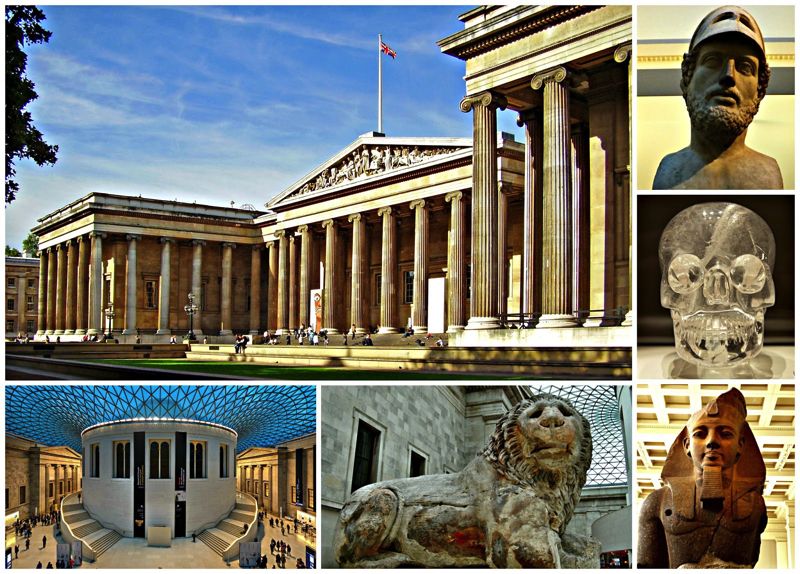
- You get a guided story, not a random museum shuffle, with an official-style approach and a subject expert vibe
- Hall of Enlightenment is a standout early stop, anchored by the scale of King George III’s books
- The tour follows a human timeline, linking Egypt, Assyria, Greece, and beyond in one walk
- You’ll see a Parthenon-related fragment, which is easy to miss if you’re exploring alone
- Ending with global “big wow” objects means the last hour doesn’t feel like filler
- Finding the guide is the main practical challenge, so arrive early and look for the Paseando por Europa flag
A British Museum visit that actually feels doable
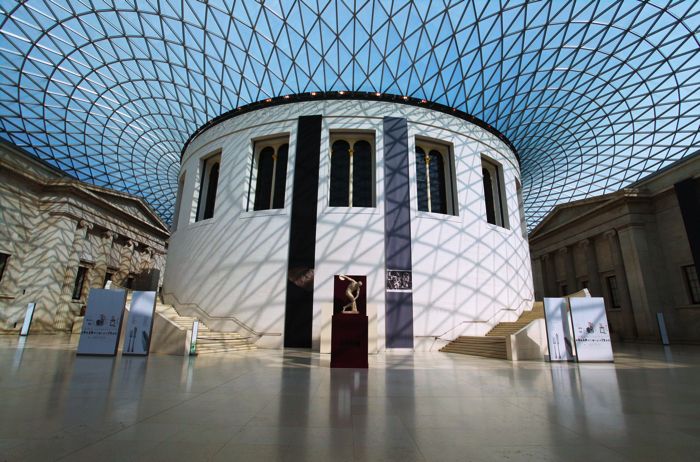
The British Museum is one of those places that can make you freeze. It’s free, huge, and full of objects that look equally important when you first walk in. This is why a short, guided highlights route helps so much. You don’t just learn facts—you get a structure for what to look at, and what to pay attention to as you move from hall to hall.
This tour is built for a limited timeframe: 2 hours, a walking tour, and a live guide (Spanish and English). The goal is simple. You walk in expecting artifacts, and you leave with a story about how different civilizations understood life, death, power, art, and belief.
Also, the pace tends to work well. People often mention that the guide helps them avoid overwhelm, and that matters in a museum where you could easily spend an entire day without seeing the main threads.
You can also read our reviews of more museum experiences in London



Meeting at Great Russell Street: don’t let queues steal your time
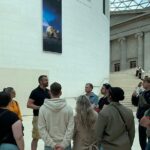
Your day starts outside, at the stairs to the main entrance on Great Russell Street, in front of Starbucks, after you pass the security checkpoint. From there, you’re looking for a guide holding a blue-green flag with the Paseando por Europa logo.
Here’s the practical mindset I’d use: arrive early enough to handle entry lines. Even if you think you’re early, plan for the fact that the museum entrance area can slow down. One helpful tip from real-world experience: if you want to feel calm, you’ll probably want extra buffer time to both clear security and locate the flag.
Bring what you’re allowed to bring. Pets aren’t allowed, smoking is not allowed, and oversize luggage / large bags are not allowed (and the tour notes that luggage or large bags aren’t permitted). Keep it light so you don’t lose time figuring out what fits through the process.
Entrance courtyard to first hall: the museum sets the tone fast
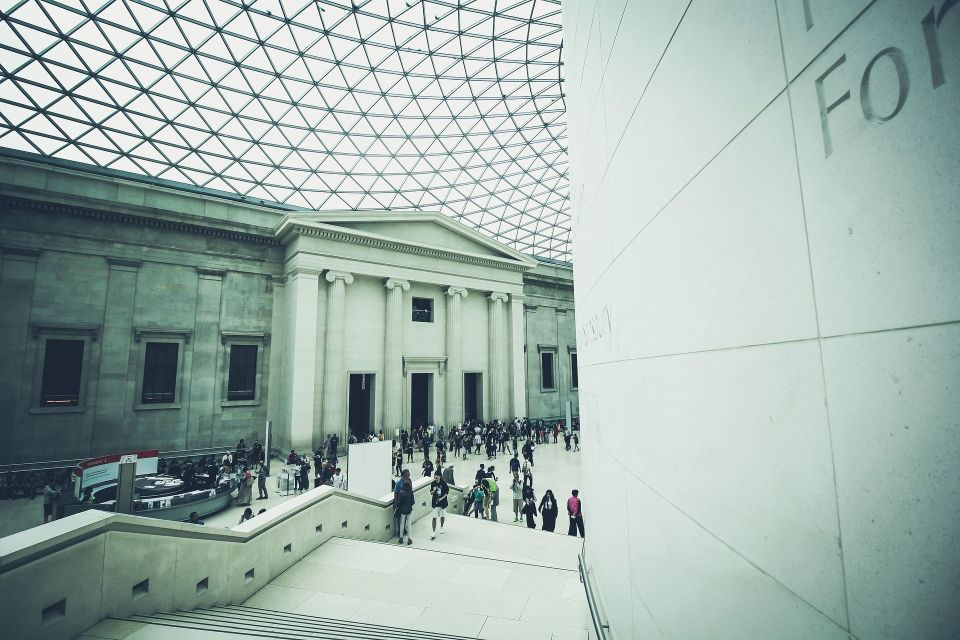
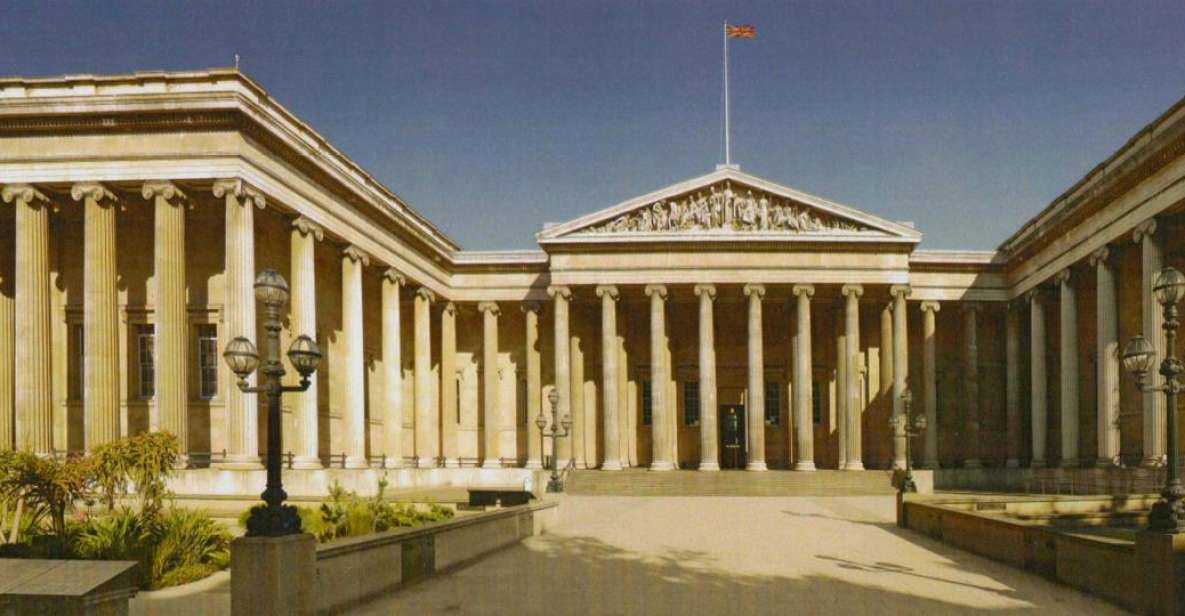
The tour begins at the museum entrance and immediately points out the building’s classical influence—something you can easily miss if you rush inside. The guide helps you notice the resemblance to Classical Greece. That matters because it sets up the later stops: Greece isn’t just a random topic on the route. It becomes a recurring thread.
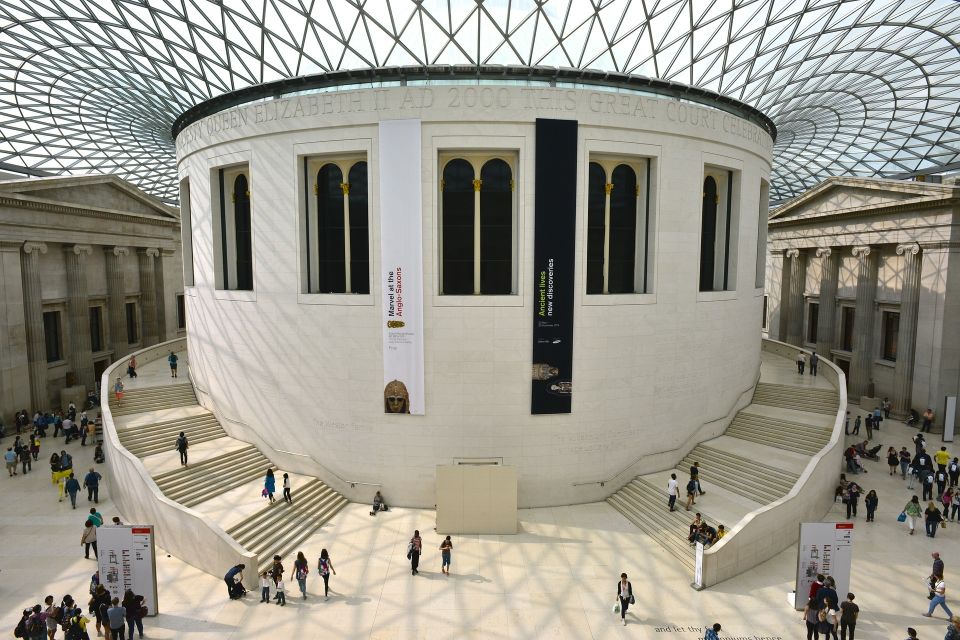
Then you move toward the Hall of Enlightenment, and this is where the tour starts flexing its “hidden wonder” plan. You’re not only seeing another room—you’re being handed a big-picture clue about how the museum itself grew into a kind of public knowledge machine.
Hall of Enlightenment and King George III’s books: a strange, perfect start
The Hall of Enlightenment is the oldest hall in the museum, and the tour gives it a reason to matter right away. You’ll see the collection of more than 60,000 books by King George III. That number is the sort of detail that can sound abstract—until you’re standing there and the guide frames it as part of how collecting and scholarship evolved.
This stop works for two reasons:
- It anchors you in the idea that the museum isn’t only about faraway cultures. It’s also about how European collectors and thinkers organized knowledge.
- It gives you a calm landing before the route shifts into ancient civilizations and funerary, political, and myth-heavy themes.
If you’re the type who’s worried you’ll get lost, this early guidance is a win. It helps you understand the museum’s logic before you sprint into the more famous galleries.
Ancient Egypt funerary rites: learning to read objects
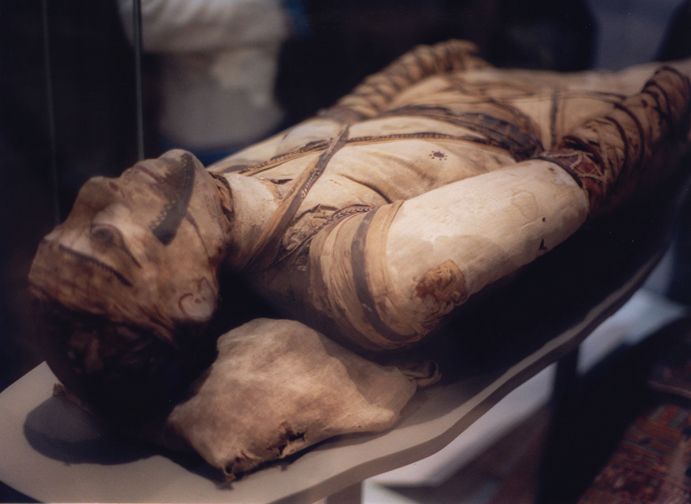
Next comes Ancient Egypt, and the tour focuses on Egyptian funerary rites. Even if you’ve seen Egyptian things before, this kind of guide-led framing changes what you notice. Instead of treating every artifact as a decoration, you start asking what it was for: what it was meant to do for someone’s afterlife, status, or memory.
A good guide will connect three dots quickly: belief systems, ceremonial practice, and what objects were used to support those beliefs. That’s the value of a short highlights tour here—you don’t have time to cover everything, but you can still understand what the artifacts represent.
For many first-timers, Egypt can be the most memorable section because it’s both visual and narrative. The guide’s job is to keep that narrative clear while you’re surrounded by a lot of information.





Assyria: the power story you’ll feel more than remember
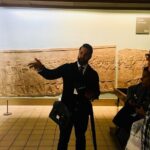
From Egypt, the route continues to the Assyrian civilization. Again, you’re not trying to master a whole civilization in 120 minutes. The point is to see enough context that the Assyrian presence feels meaningful—not just another stop on a list.
Assyria’s strength in a museum setting is how it communicates authority and identity. When the guide explains what you’re looking at—how rulers, symbols, and storytelling were built into objects—you start to recognize patterns. That makes the experience stick longer than a checklist.
Greece and the Parthenon fragment: proof that the museum tells partial stories
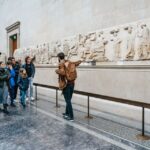
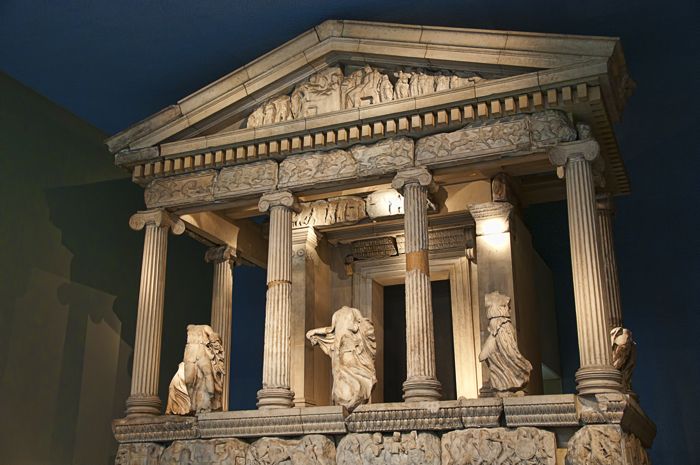
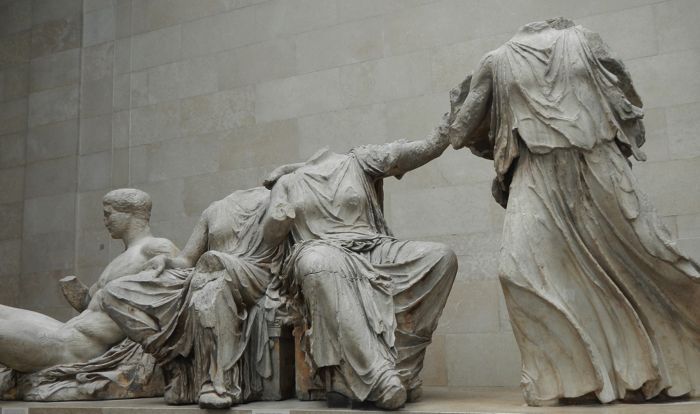
Then you reach the Greek section, including an important part of the structure of the Parthenon of Athens. This is a standout stop because it gives you a tangible connection to one of the most recognizable buildings in the world.
If you’re visiting without a guide, a Parthenon-related piece can feel like another large sculpture or architectural fragment. With a guide, it becomes a clue to how history is preserved—and how history is also broken apart when it ends up in a different place.
Even within the limits of a highlights tour, this stop helps you learn how to look. You’ll pay more attention to scale, materials, and what “structure” means when something is no longer whole.
Aztecs and the Easter Island moai: the tour saves its wow for the end
The last stretch shifts toward Aztec pieces, after meeting Hoa Hakananai’a, a moai from Easter Island that’s more than two meters high. This is a very smart closing move.
Why? Because the moai is physical and immediate. Even if you’re fading at the end of a museum day, a large carved figure pulls you back in. It’s the kind of object that makes you stop walking. And once you stop, the guide can connect the final section—Aztec pieces—with broader themes of art, meaning, and culture across the world.
By finishing this way, you don’t end with “administrative museum stuff.” You end with scale, presence, and the feeling that you really did travel beyond London without leaving the city.
Price and value: $14 for a focused route through a free museum
At $14 per person for 2 hours, this tour is priced in a way that makes sense for a museum visit. The British Museum is free to enter, but free entry doesn’t automatically give you a plan. What you’re paying for is guidance: a route, interpretation, and momentum.
In a place this large, value usually comes from two things:
- Saving time by showing you the objects and halls that match the story you want
- Reducing mental load so you actually enjoy what you see instead of feeling overwhelmed
The guide-led format also tends to be great for questions. People often say the tour pace feels right and that the guide helps them slow down when they want to. Even though you’re only there for 2 hours, you leave with a sense of what you’ve seen and why.
If you’re trying to maximize your London time, I’d view this as a shortcut to a meaningful museum visit—especially if you don’t want to spend your energy building a self-made itinerary.
Who this tour fits best
This is a strong choice if:
- You’re in London for a short stay and want a high-impact museum stop
- You like history but don’t want to spend hours planning what to see first
- You prefer a guided route that helps you connect civilizations rather than just viewing artifacts one by one
- You’re traveling with teens or adults who need structure to stay interested
It also works well for mixed language needs since the tour runs in English and Spanish.
If you’re visiting with someone who uses a wheelchair, the tour notes wheelchair accessibility, which is a big deal in a museum setting where navigation can vary by space.
Small practical notes that can make or break the experience
A few details matter more than they sound:
- Go early so you’re not stress-matching your meeting point while the museum line is swelling.
- Bring your confirmation/voucher: you’ll need to show the printed confirmation email or the mobile voucher at the meeting point.
- Plan around no food included: the tour does not include food and drinks, so you’ll want to manage breaks separately if you need them.
- Don’t pack heavy: pets aren’t allowed, and large bags and oversize luggage are not allowed.
One other tip from real logistics: the guide flag can be easy to miss if you’re scanning quickly. Give yourself time to look around properly once you clear security.
Should you book the London British Museum Tour?
Yes—if you want a guided path through major civilizations without turning your day into an endless hallway hunt. This tour is particularly appealing because it links themes across Egypt, Assyria, Greece, and beyond, and it ends with big visual impact, not last-minute filler.
I’d book it if you’re the type who values a clear plan and wants to feel oriented in a huge museum. If you prefer roaming at your own rhythm and you’re already confident about what you want to see, you can DIY. But for most first-timers, a focused 2-hour guide is the easiest way to walk away feeling like you actually understood what you saw.
FAQ
How long is the British Museum Tour?
The tour lasts 2 hours.
What languages are the live guides?
The tour is guided in Spanish and English.
Where do I meet the tour guide?
Meet at the stairs to the main entrance of the British Museum on Great Russell Street, in front of Starbucks, after you pass the security checkpoint. Look for the guide holding a blue-green flag with the Paseando por Europa logo.
What’s included in the price?
You get a guide and a walking tour.
Are food and drinks included?
No. Food and drinks are not included.
Is the tour wheelchair accessible, and are there restrictions on what I can bring?
Yes, the tour is wheelchair accessible. Pets are not allowed, and you also can’t bring oversize luggage or large bags. Smoking is not allowed.