REVIEW · LONDON
London: Westminster WW2 Tour & Churchill’s War Rooms Ticket
Book on GetYourGuide →Operated by City Wonders Ltd. UK · Bookable on GetYourGuide
Churchill’s bunker is just steps away. This Westminster tour strings together the city’s WWII symbols and then sends you underground to see the secret war rooms used during the Blitz. I love the mix of street-level landmarks like 10 Downing Street and the maze of preserved rooms where strategy was planned. I also like how the tour sets up the human side of secrecy, from deciphering communications to the strange day-to-day realities of life below ground. One consideration: the walking portion keeps you on your feet, and the tour isn’t set up for wheelchairs or mobility needs.
If you’ve ever wondered how a government kept working while bombs fell, this is the practical answer. It’s part history lesson, part guided route through Westminster’s power center, and then you get to wander the War Rooms at your own pace with an audio guide. Guides such as Paul and Michael (both praised in the past) tend to use humor and clear storytelling to connect the dots fast, which matters when you’re covering a lot of ground in a short window.
In This Review
- Key things I found most compelling
- Westminster landmarks first, so the War Rooms land harder
- Meeting point near Westminster Station: get the timing right
- The Westminster walking tour: 10 Downing Street, Parliament, Abbey, and the people politics mattered
- 10 Downing Street and the Cenotaph: the war story gets personal
- Churchill’s War Rooms: the preserved bunker that still feels claustrophobic
- Audio guide inside: what it’s doing well, and where you might get stuck
- Life and work below ground: sun lamps, secrecy, and the reality of waiting
- The Transatlantic Telephone Room and Roosevelt: strategy as a constant conversation
- Churchill’s kitchen and the bunker’s daily rhythm: war wasn’t all strategy
- What to wear and bring: you’ll earn your access
- Price and value: $59 that buys context, direction, and access
- Should you book this Westminster WWII tour?
- FAQ
- How long is the tour?
- Where do I meet the guide?
- Where does the tour finish?
- Is Westminster Abbey included?
- Will there be an audio guide in the War Rooms?
- Is it suitable for wheelchair users or limited mobility?
- Can I cancel for a refund?
Key things I found most compelling
- The WWII framing walk through Westminster before you hit the bunker, so the War Rooms make instant sense
- Churchill’s War Rooms preserved as of 1945, including signs showing the weather outside
- Headsets for the guided route, so you can hear your guide even with busy traffic and crowds
- Audio guide focus inside the War Rooms, covering rooms like the Transatlantic Telephone Room and Churchill’s kitchen
- Specific wartime details such as cipher work, maps of troop movements, and even the use of sun lamps
- High guide energy in the walking portion, with past guides including Maggie and Andy noted for being engaging and funny
Westminster landmarks first, so the War Rooms land harder
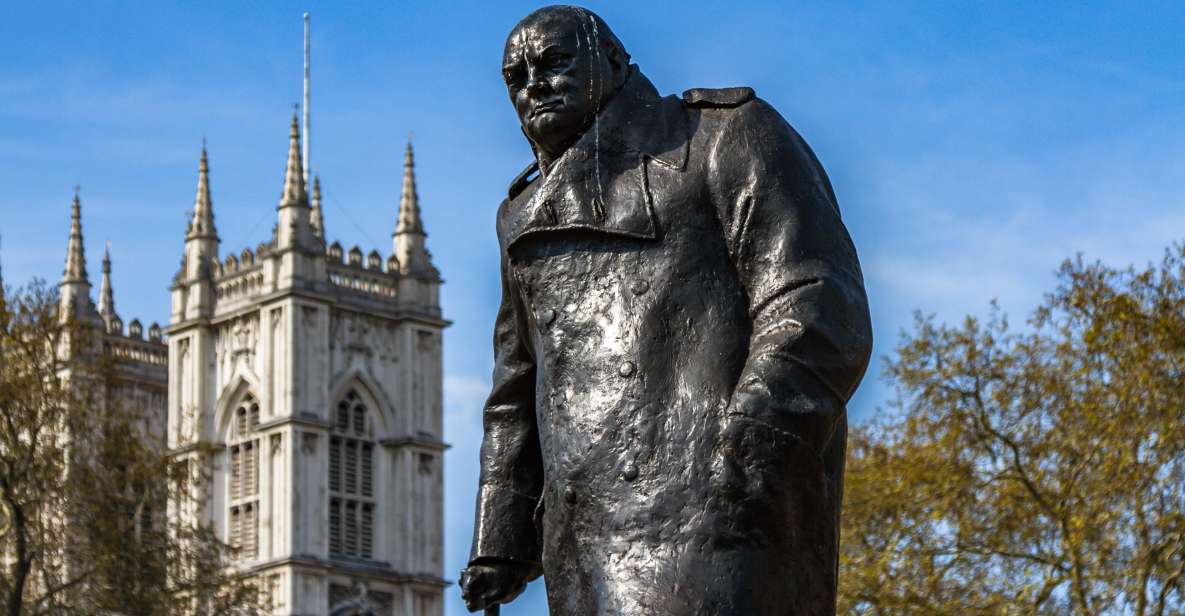
This tour is built like a good lesson plan. You start above ground, in Westminster’s most recognizable sites, then you drop into the Churchill War Rooms with context already in your head. That order matters. You’re not just looking at a museum. You’re learning why this bunker existed and why it had to function under pressure.
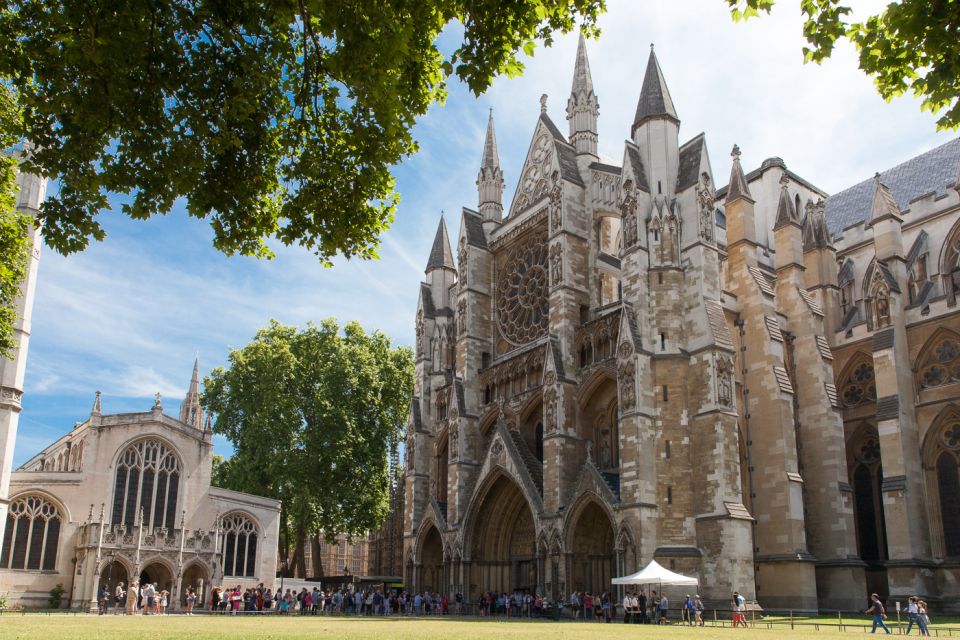
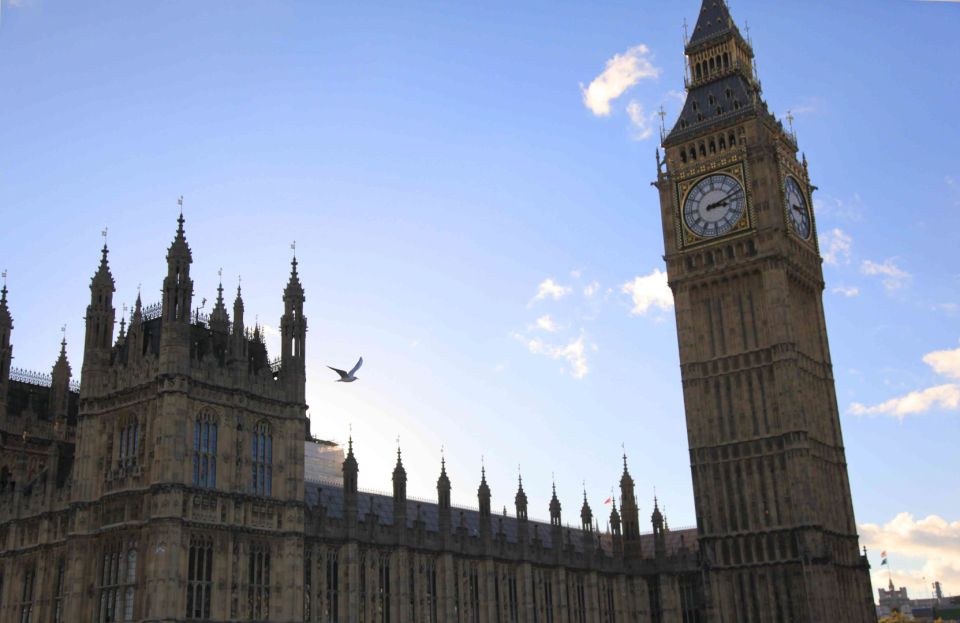
I especially like that the route is short enough to feel efficient but long enough to create a storyline. Big-name photo stops (Big Ben, Parliament, Westminster Abbey area) give you orientation, while the guide fills in the “what was happening here during WWII” gaps. The result is a smoother transition when you finally see the underground rooms.
You can also read our reviews of more tours and experiences in London


Meeting point near Westminster Station: get the timing right
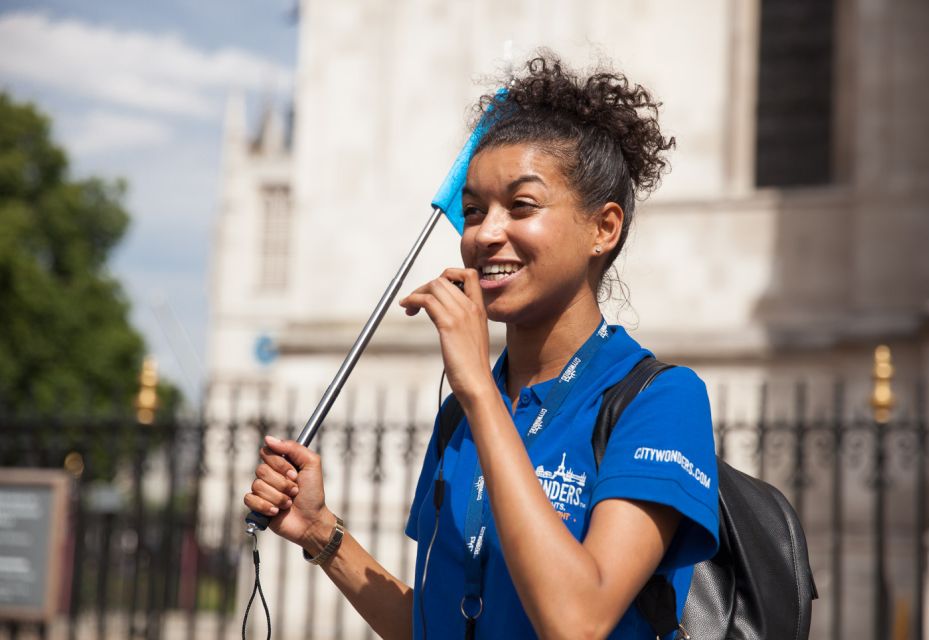
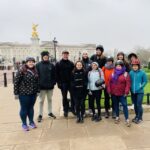
You meet your guide outside Westminster Station. Follow the signs for Exit 2 Victoria Embankment, then take the stairs up to street level. The group gathers behind the statue of Boadicea on a chariot. Don’t show up late; the walking portion moves quickly and headsets go out early.
The tour starts in the Westminster area, so you’ll be walking through a dense part of central London. Plan your tube arrival with a little buffer. Even if you’re comfortable in London crowds, this route is tight and you’ll want to be in position before the group starts rolling.
The Westminster walking tour: 10 Downing Street, Parliament, Abbey, and the people politics mattered
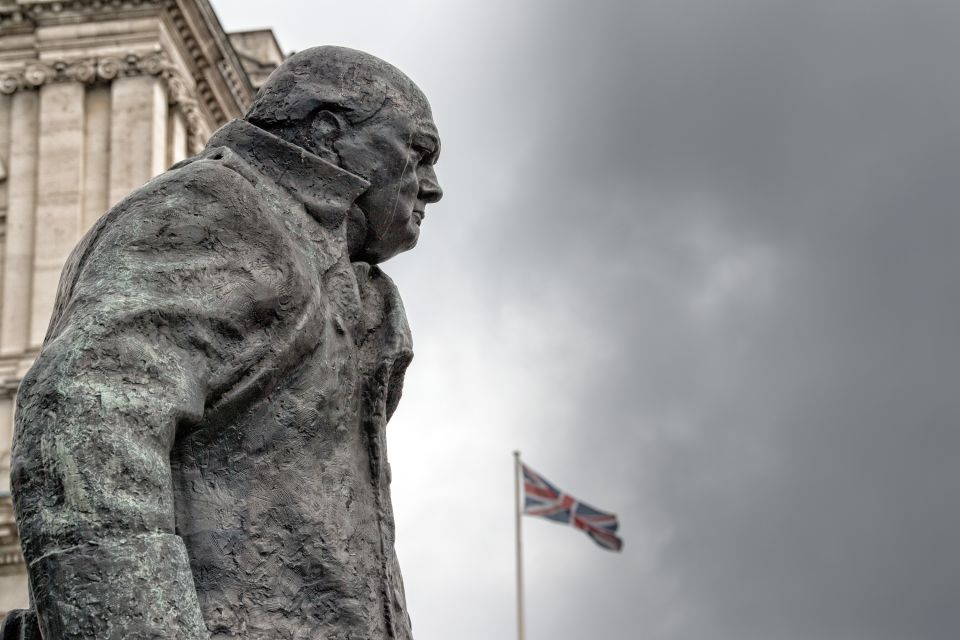
The guided walk runs about one hour and works like a rapid political map of WWII-era Britain. The stops are designed to hit three themes at once: leadership, legitimacy, and what happens when a city becomes a target.
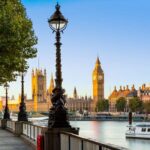
- Big Ben photo stop (about 15 minutes): You get a quick Westminster anchor point. It’s also a reminder that this area was both symbolic and operational—central government lives here, even in wartime.
- Houses of Parliament photo stop (about 10 minutes): This is where the tour’s WWII angle clicks. Your guide connects the building complex with the idea of a government under threat, not just a sightseeing backdrop.
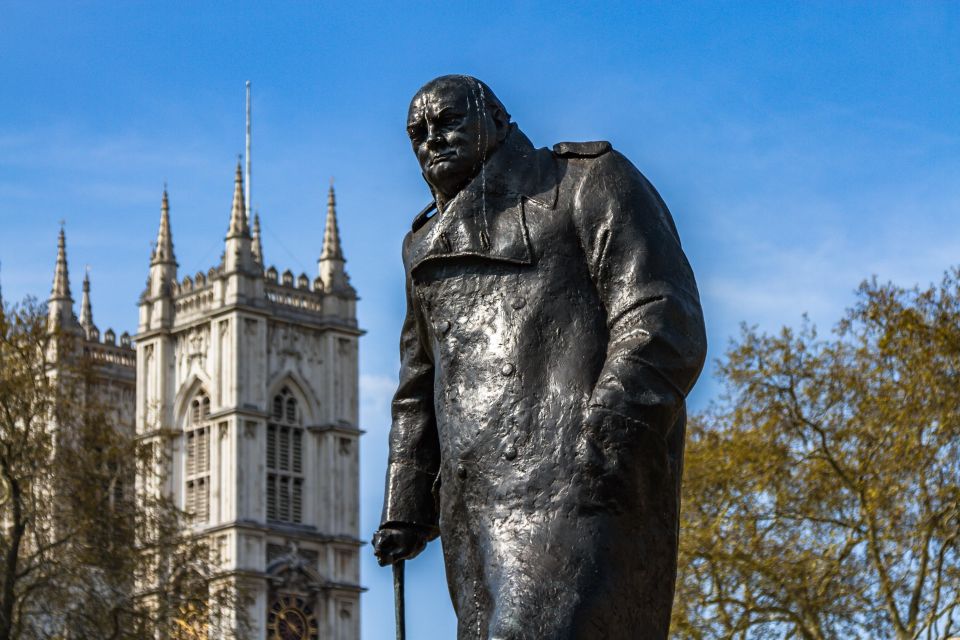
- Westminster Abbey photo stop (about 10 minutes): You don’t do a full Abbey visit on this tour (more on that below), but the stop helps frame how Britain’s public institutions were viewed and discussed during the war.
10 Downing Street and the Cenotaph: the war story gets personal
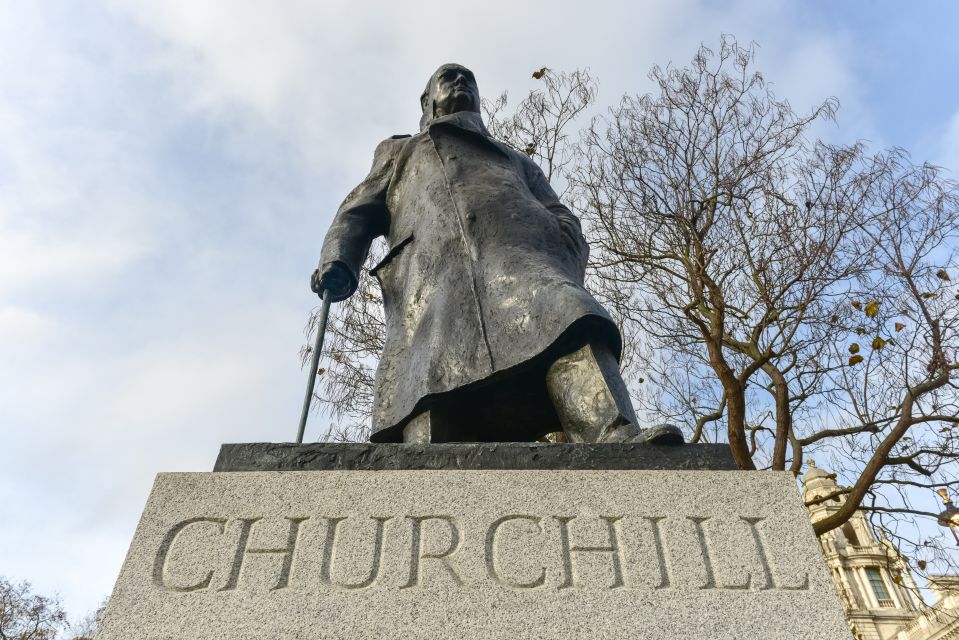
You’ll also stop by 10 Downing Street for photos. Past guides like Paul and Michael have been singled out for turning Churchill’s role into something you can picture, not just memorize. One standout detail you’ll connect later in the War Rooms: the original door to 10 Downing Street that Churchill walked through after becoming prime minister.
Then you end the walking portion at the Cenotaph, the UK’s primary national war memorial. That’s not random. It helps you switch from “events and buildings” to “why these decisions mattered.” The Cenotaph stop gives the tour a pause button before the underground stuff starts, which makes the bunker visit feel less like a history lecture and more like a lived emergency.
Churchill’s War Rooms: the preserved bunker that still feels claustrophobic
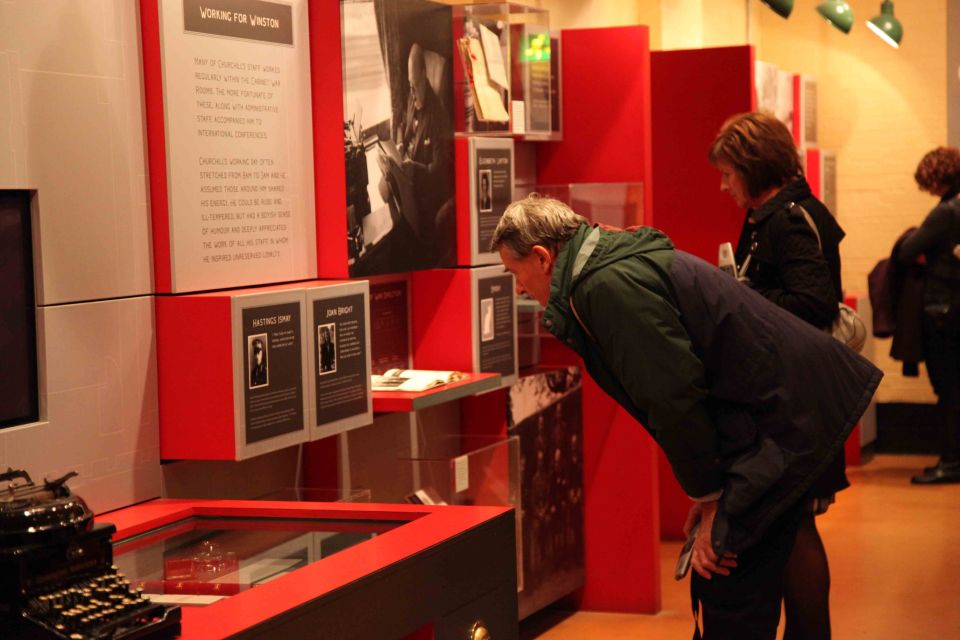
After the walking tour, you head to Churchill’s War Rooms. The museum portion is about 1.5 hours, and it’s self-guided once you’re inside. You’ll have access to the Churchill Museum and then the preserved War Rooms maze, with an audio guide to keep you on track.
Here’s the core reason this works: the War Rooms are preserved as they were on the day the lights were switched off in 1945. You’ll even see signs indicating the weather outside. That’s the kind of detail that turns a “cool bunker” into a genuine time capsule.
Also, the layout is underground and can feel cramped. That’s not a complaint so much as a reality of how the space was designed. If you don’t like tight museum corridors or shoulder-to-shoulder bottlenecks, this part can test your patience.




Audio guide inside: what it’s doing well, and where you might get stuck
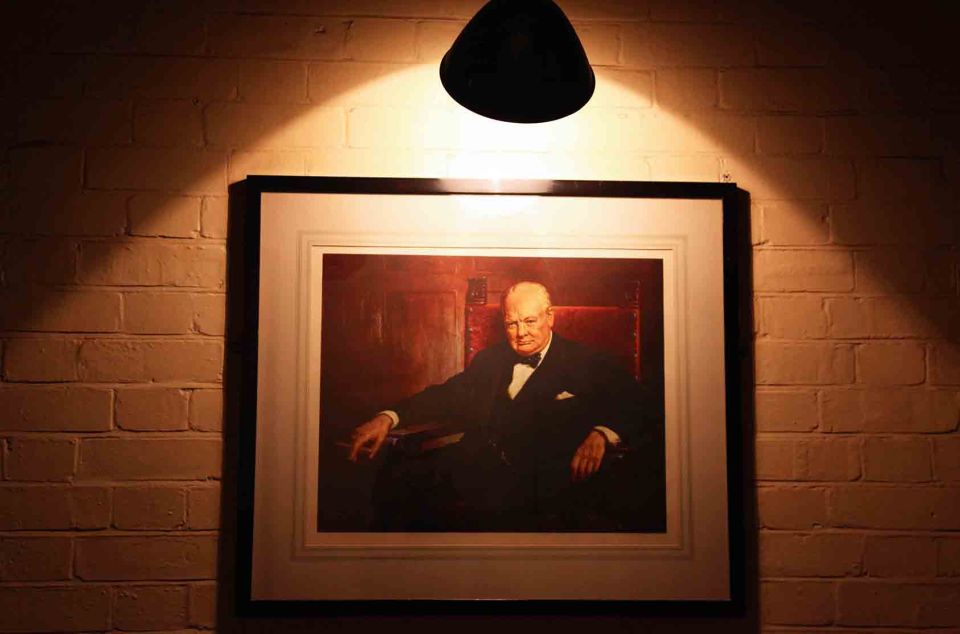
The audio guide is included, and you’ll use it as you wander. It’s your main tool for connecting room to room. The guide content is aimed at helping you understand how operations worked, from wartime planning to the people doing the work.
A practical tip: your audio guide experience depends on clear coordination in each room. Some visitors have noted that syncing can take a little troubleshooting, like switching channels and returning. If you hit that situation, don’t assume you’re doing something wrong. Give it a moment and adjust until the audio makes sense again. Once it clicks, the storytelling is much easier to follow.
Life and work below ground: sun lamps, secrecy, and the reality of waiting
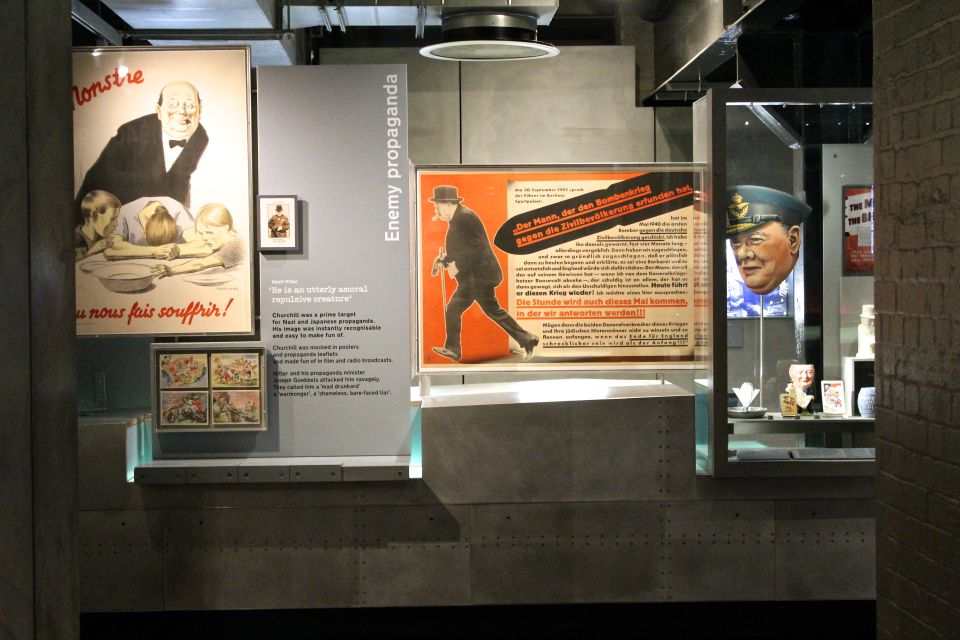
What I love most about the War Rooms isn’t just the big strategic rooms. It’s the evidence that the bunker tried to keep people functioning. You’ll learn about the maze of underground rooms used to plot and plan war strategies, plus how staff created maps of the army’s movements and worked on deciphering enemy communications.
Then the tour adds the unsettling human layer. The War Rooms included primitive sun lamps used to provide enough vitamin D, because people were spending their days underground. You’ll also hear that families of staff couldn’t really know what the workers did for a living. That secrecy didn’t just protect secrets from enemies. It shaped domestic life too.
If you’re the kind of person who wants history with texture, these details do the job.
The Transatlantic Telephone Room and Roosevelt: strategy as a constant conversation
One of the most fascinating threads you’ll encounter is the relationship between Churchill and Roosevelt. The audio guide points you toward the Transatlantic Telephone Room, where top-secret conversations between Churchill and Roosevelt were conducted. That’s a very specific detail, and it changes how you interpret Churchill’s leadership. This wasn’t just speeches and press conferences. It was ongoing communication while the crisis expanded.
You’ll also hear authentic audio of Churchill’s wartime speeches, which helps you put a voice to the decisions. The combination of speech audio plus room context makes it easier to understand why Churchill’s words mattered in real time.
Churchill’s kitchen and the bunker’s daily rhythm: war wasn’t all strategy
Another reason this visit feels real: you see how life continued underground beyond the dramatic command rooms. The Churchill kitchen is part of that picture, and it’s a reminder that people ate, waited, and kept routines moving even while the world burned above them.
This is where the War Rooms get surprisingly “ordinary.” The building is extraordinary, but the human needs were still there. That contrast is exactly what makes the story stick. War planning doesn’t happen in a vacuum. It happens inside systems run by tired people.
What to wear and bring: you’ll earn your access
Wear comfortable shoes. Even with only about 2.5 hours total, you’re in central London and you’ll be walking nonstop during the guided portion. The War Rooms visit is underground and can involve lots of turning and stopping in tight spaces.
Also note what’s not allowed: baby strollers. And the tour isn’t suitable for mobility impairments or wheelchair users. If accessibility is a concern, this is the kind of “plan before you commit” activity—because the experience relies on walking and navigating confined areas.
Price and value: $59 that buys context, direction, and access
At about $59 per person for a 2.5-hour experience, the value comes from what you get bundled together. You’re paying for:
- A guided Westminster WWII walking tour with an English-speaking guide
- Headsets, which make hearing easier during a busy city route
- Entry and reservation fee for Churchill’s War Rooms
- An audio guide once you’re inside
- Time to roam the War Rooms at your own pace after the walk
Compared to simply buying War Rooms tickets alone, the price feels justified because the walking portion gives you the “why.” Several visitors have noted it’s not much more than a standalone War Rooms visit, and the walk is what turns the bunker into a story rather than a collection of rooms.
In other words: you’re not just paying for access. You’re paying for a guided mental setup.
Should you book this Westminster WWII tour?
Book it if you want a quick, focused WWII experience that links London’s landmarks to the real machinery of wartime decision-making. It’s a smart choice for first-timers in Westminster who want more than postcard history and for Churchill fans who want the Roosevelt connection explained in practical terms.
Skip it (or adjust expectations) if you hate walking or need wheelchair-friendly routing. Also be aware that the underground rooms can feel crowded and cramped, so don’t book this expecting spacious galleries.
If you’re set on getting value, arrive ready to walk, listen carefully on the headsets, and then take your time underground with the audio guide. That combo is what makes this tour work.
FAQ
How long is the tour?
The total duration is about 2.5 hours, with roughly 1 hour for the Westminster walking portion and about 1.5 hours for the Churchill War Rooms visit.
Where do I meet the guide?
Meet your guide outside Westminster Station, near Exit 2 Victoria Embankment. The group meets behind the statue of Boadicea on a chariot.
Where does the tour finish?
The tour finishes at Churchill War Rooms.
Is Westminster Abbey included?
No. Westminster Abbey visit is not included, though you may have a photo stop during the walking portion.
Will there be an audio guide in the War Rooms?
Yes. You’ll get an audio guide for the Churchill War Rooms, and the War Rooms portion is self-guided.
Is it suitable for wheelchair users or limited mobility?
No. It is not suitable for people with mobility impairments and wheelchair users, and baby strollers are also not allowed.
Can I cancel for a refund?
Yes. Free cancellation is available up to 24 hours in advance for a full refund.