REVIEW · LONDON
London Zoo Entry Ticket
Book on Viator →Operated by London Zoo · Bookable on Viator
A London day that teaches kids and adults alike. With a ticket that lets you choose your route, London Zoo works great for families, animal lovers, and anyone who wants a calm, self-guided outing in the middle of the city. You’ll hit headline exhibits and smaller indoor spots, with plenty of information along the way.
I especially like the way the zoo mixes big wow moments with learning that actually feels practical. Two highlights for me are close-up predator exhibits like Land of the Lions and Tiger Territory, and the indoor Tiny Giants area that shines even when the weather turns.
The one thing I’d watch is that the grounds are big, so you’ll do real walking. If you want to stay flexible, build extra time for steep sections and for areas that may be closed for maintenance or renovations.
In This Review
- Key things to know before you go
- London Zoo Entry Ticket: What You Get in 3 to 5 Hours
- Entering the Zoo and Finding Your Route Without Stress
- Land of the Lions: The Big Start for Lions and Learning
- Tiger Territory: Watching Behavior and Conservation Messaging
- Tiny Giants Indoors: Invertebrates and a Coral Reef Tank
- Humboldt Penguins and Into Africa: Wet, Funny, and Elegant
- Gorilla Kingdom: A Classic Zoo Moment (Plan Around the Walk)
- Walking, Seating, and the Real Life of a Big London Zoo
- Tickets, Price, and Value: Is $41.82 Worth It?
- Accessibility and Mobility Notes That Actually Matter
- Practical Tips for a Smooth Day (Maps, Food, and Closing Time)
- Should You Book This London Zoo Ticket?
- FAQ
- What’s included with the London Zoo entry ticket?
- How long should I plan to visit London Zoo?
- Is this ticket mobile?
- When is the last time I can enter?
- Is there luggage storage at the zoo?
- Are bikes or scooters allowed inside the zoo?
- How accessible is the zoo for mobility needs?
- Are there dates when the zoo closes early or shuts down?
Key things to know before you go

- Land of the Lions and Tiger Territory deliver the big, up-close London Zoo energy
- Tiny Giants is an indoor break with invertebrates plus a coral reef tank
- Humboldt penguins are on a schedule you can plan around, with underwater viewing windows
- The site is large and signposting can be hit-or-miss, so a map helps
- No left luggage means travel light, especially if you’re doing other London stops first
- Accessibility is mostly workable, with a few steep spots (and electric scooters available for hire)
London Zoo Entry Ticket: What You Get in 3 to 5 Hours
This is a straightforward London Zoo admission ticket (ZSL London Zoo). There’s no guided commentary included and no hotel pickup, so the value is in letting you use the zoo’s layout and exhibits at your own pace. Most people plan about 3 to 5 hours, which is enough time to see the major featured areas without feeling rushed.
At $41.82 per person, it’s not a bargain, but it can be good value if you treat it like a full afternoon. You’re paying for a top-name London attraction, the chance to see animals in carefully designed habitats, and the built-in “free extras” of benches, indoor exhibits, and lots of interpretive info.
One small detail that matters: food and drinks aren’t included. So if you budget like you would for a museum day—snacks plus a sit-down meal—you’ll be happier when you see the on-site prices.
You can also read our reviews of more tours and experiences in London



Entering the Zoo and Finding Your Route Without Stress
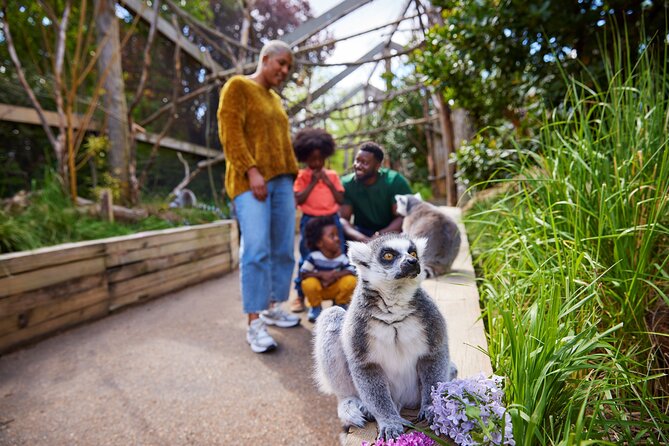
Your ticket is a mobile ticket, and you’ll want to have it ready at entry. Once you’re inside, I suggest you do two quick things before you chase animals: get your bearings, then pick a top priority route so you don’t wander for an hour.
The zoo encourages map use, and it’s worth asking at the entrance or the information kiosk for a large-print map if you prefer bigger text. Some areas are easy to locate; others can take more trial-and-error, especially if you’re trying to jump straight to a specific exhibit.
Also note how the grounds are built. Paths are generally tarmac and most buildings have level or ramped access, which helps for strollers and many mobility needs. Still, there are steep slopes leading to two tunnels, so plan your walk with that in mind.
Practical heads-up: bikes, scooters, rollerblades, and skateboards aren’t allowed on zoo premises. If you’re traveling with any of those, arrange other transport for getting to the entrance and keep the day simple.
Land of the Lions: The Big Start for Lions and Learning
Land of the Lions is the kind of exhibit that changes your pace. It’s the zoo’s biggest experience, and it gives you walkways covering about 2,500 square meters of an Indian-themed setup. That layout matters because it’s designed for moving and watching, not just standing in one spot.
If you’re with kids, this is usually the first “wow.” If you’re with adults, it’s still satisfying because you can slow down and read the conservation messaging between viewing points. Either way, you’ll likely spend more time here than you expect, since the exhibit supports repeat viewing from different angles.
The upside of starting strong: when you move on after Land of the Lions, the rest of your visit feels like you’re building a playlist, not guessing what matters. The downside: if you’re only here for a shorter window, you’ll want to keep an eye on time and don’t get stuck purely on one area.
Tiger Territory: Watching Behavior and Conservation Messaging

Next up is Tiger Territory, where the focus is on how Sumatran tigers behave and why conservation matters. This is one of those exhibits where you can learn without it feeling like homework. You’ll see information about natural behaviors and the conservation issues tigers face in the wild, and it gives context to what you’re seeing.
What I like about this stop is that it adds emotional depth to the animals you’re watching. Instead of just thinking, Wow, it’s a tiger, you also understand how their habitat and survival are linked to bigger environmental pressures.
One practical consideration: tigers can be active or quiet depending on the day and the schedule of feeding. Plan to stand and watch for a bit, but don’t assume they’ll be constantly on display. If they’re not active, shift your attention to the interpretive boards and observation points until you get better sightings.
Tiny Giants Indoors: Invertebrates and a Coral Reef Tank
If you want a break from sun, wind, or London drizzle, Tiny Giants is your friend. It celebrates all things small but powerful, with a focus on invertebrates that most visitors might skip if the day is only about the biggest mammals.
This area is also indoor, which helps you keep your energy up. It includes a coral reef tank, and that’s the kind of visual payoff that works even for people who don’t usually care about reefs.
What makes Tiny Giants valuable is that it expands the zoo’s story beyond the headline species. You leave with a different kind of respect—less about size, more about ecosystem role. If you’re traveling with a family, this stop can also rescue a day when outdoor animals aren’t doing much at a given moment.
You can also read our reviews of more tours and experiences in London


Humboldt Penguins and Into Africa: Wet, Funny, and Elegant

The penguins are a standout because the exhibit is made for viewing. Heading down to the Humboldt penguin area lets you watch the colony swim, move around, and plunge into the water. The setup includes England’s largest penguin pool plus large underwater viewing windows, so you’re not stuck with distant silhouettes.
I also like this stop because it’s naturally engaging. Even when the day feels busy, penguins give you constant small moments: posture changes, short bursts of movement, and group activity near the viewing levels.
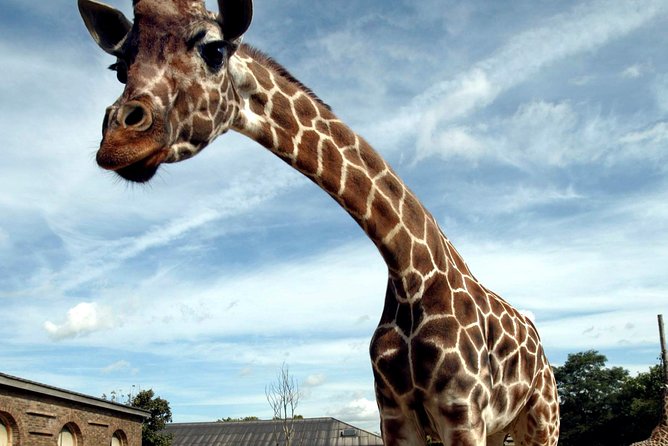
Then comes Into Africa, with giraffes and an elegant flow into the zoo’s wider themed storytelling. Seeing giraffes after penguins can be a nice rhythm shift—less frantic water energy, more slow, graceful viewing. If you’re aiming for photos, this is one of the places where you can get pleasing shots without needing to run across the grounds.
Gorilla Kingdom: A Classic Zoo Moment (Plan Around the Walk)

Gorilla Kingdom is the kind of exhibit that pulls people in fast, even if they didn’t plan to spend much time there. It’s a “stay and watch” habitat, and it helps anchor your visit around a large, recognizable species.
The bigger reality here is distance and pacing. The zoo is large enough that you’ll want to build your route like a loop, not a straight line. Some enclosures can be more rewarding than others on the day, especially if animals are resting, an area is undergoing renovation, or you’re aiming for too many targets.
If your goal is to see the best variety, I recommend you treat Gorilla Kingdom as a middle-to-late stop rather than your first. That way, you’ll still have steam left if you spend longer than expected earlier in the day—Land of the Lions and Tiger Territory often eat time.
Walking, Seating, and the Real Life of a Big London Zoo
One of the most consistent practical themes is that this is a big site. You’ll walk between exhibits, and even though there are plenty of benches, it helps to wear supportive shoes. If you take a break whenever you feel the urge, you’ll enjoy more exhibits instead of rushing through the rest.
Good news: there are plenty of restroom facilities and they’re described as clean and well maintained. I found that comforting because zoos can feel chaotic when you’re hunting for basic needs.
Seating is also a plus if you’re traveling with kids or if you’re managing mobility or fatigue. And on colder months, it’s extra helpful to plan for where you can warm up. One note to keep in mind: during winter, indoor spaces for coffee can feel limited, so the main restaurant is often your go-to option.
If you’re driving, parking is described as available outside if you arrive early enough. If you’re using public transport, the zoo is near public transit, but the nearest Underground stations may not be as close as you’d hope—so allow walking time once you exit the tube.
Tickets, Price, and Value: Is $41.82 Worth It?
For a famous London attraction, $41.82 is a solid entry point, especially with a mobile ticket that makes entry smoother. The price makes the most sense if you plan to see a chunk of the zoo, not just one exhibit and then leave.
To judge value, think about what you’ll get beyond animal sightings:
- interpretive info that adds meaning to what you’re seeing
- indoor time at Tiny Giants when weather is rough
- exhibits designed for observation, like penguins with underwater windows
- a day out that keeps you busy for 3 to 5 hours
What’s not included is equally important. Food and drinks cost extra, and the zoo doesn’t provide a guide book with your ticket. If you want a printed map or specialty information, you’ll need to get it on-site.
Also: some people report portions of the zoo can be under renovation or have restricted access. That doesn’t automatically ruin the day, but it can affect how many animals you see if you’re trying to tick off everything.
Accessibility and Mobility Notes That Actually Matter
Paths are largely tarmac, and most buildings have level or ramped access. That makes the day easier for wheelchairs, strollers, and many visitors with mobility needs.
If you need extra help, London Zoo offers a couple of electric scooters for hire, and the stated cost is £20 per day. That can be a lifesaver if you’re doing steep sections or if you want to keep up with kids.
The tricky parts aren’t deal-breakers; they’re just details you should plan around. Slopes leading to the two tunnels are quite steep, and there’s no left luggage provision. So if you’re carrying bags, coats, or shopping, keep it light or plan storage elsewhere before you arrive.
Practical Tips for a Smooth Day (Maps, Food, and Closing Time)
If you want to avoid the classic “we ran out of time” problem, start early and aim to hit your top exhibits first. Last admission is one hour before advertised closing time, and some animal areas may close up to 30 minutes before the zoo closes.
The zoo can also have special closing schedules for Zoo Nights, including early closure at 5pm on certain dates in June and July 2024. During annual maintenance, the zoo closes entirely for weekday weeks in January 2025 (open on weekends). If you’re traveling at those times, check the dates before you plan your whole itinerary.
Food-wise, the restaurant is described as offering a variety of choices. It’s also described as expensive, and at peak times you might see a messy dining area before it gets cleaned. My advice: if you can, eat slightly off-peak and keep expectations realistic for a popular London day.
One more small but important rule: there’s no left luggage. So don’t assume you can check bags once you arrive. Travel light, or use storage options in London before you head to the zoo.
Should You Book This London Zoo Ticket?
Book it if you want a classic London attraction that mixes big-name animal exhibits with indoor learning at Tiny Giants. It’s especially worth it for families and for people who like self-guided exploring, since the ticket lets you decide your own route.
I’d think twice if you’re very sensitive to long walking days or steep sections. Even though the zoo is mostly ramp-friendly, the tunnels include steep slopes, and public transport involves walking once you arrive. Also, if you’re expecting absolutely every exhibit to be open and active that day, build in flexibility for restricted areas or quiet animal behavior.
If you do book, I’d plan your route around Land of the Lions, Tiger Territory, Tiny Giants, and the penguin exhibit first. Once those are locked in, you can enjoy the rest without stress.
FAQ
What’s included with the London Zoo entry ticket?
Your ticket includes entrance to ZSL London Zoo. Guide book, food, and drinks are not included.
How long should I plan to visit London Zoo?
Plan around 3 to 5 hours for a well-paced visit.
Is this ticket mobile?
Yes, the ticket is issued as a mobile ticket.
When is the last time I can enter?
Last admission is one hour before the advertised closing time.
Is there luggage storage at the zoo?
No. There is no provision for left luggage.
Are bikes or scooters allowed inside the zoo?
No. Bicycles, scooters, rollerskates, rollerblades, and skateboards are not allowed on Zoo premises.
How accessible is the zoo for mobility needs?
Paths are generally tarmac, and there is level or ramped access to most buildings. If needed, there are electric scooters for hire (£20 per day). Be aware that slopes leading to two tunnels are quite steep.
Are there dates when the zoo closes early or shuts down?
Yes. The zoo closes at 5pm on Zoo Nights on specific dates in June and July 2024, and both Zoos are closed for annual maintenance on weekdays from Monday 20 to Friday 24 January 2025 and the following week (Monday 27 to Friday 31 January 2025), while weekends stay open.