REVIEW · LONDON
Make Your own Amazing Chocolate in Notting Hill
Book on Viator →Operated by Melt Chocolates Notting Hill · Bookable on Viator
Chocolate meets hands-on fun in Notting Hill. This 1.5-hour workshop at Melt Chocolates Notting Hill turns cacao basics into a bar you can decorate, flavor, and wrap to take home. You’ll also get to taste different chocolate origins and percentages, then learn how chocolate moves from cacao bean to finished bar.
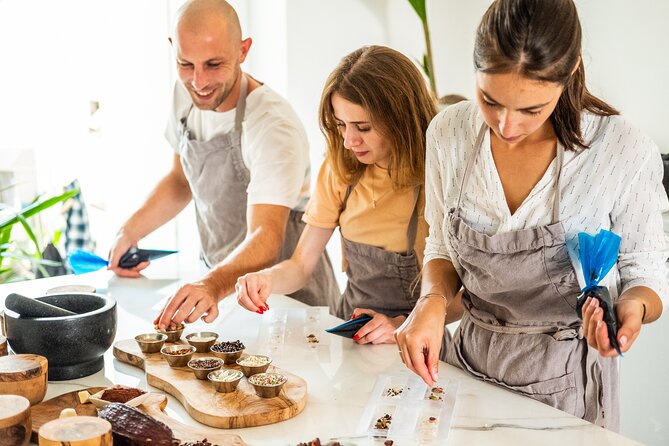
I especially like that the class stays personal. With a maximum of eight people, you’re not stuck watching from the sidelines; you’re making, tasting, and learning as you go. I also like the “real workshop” feel: you get an overview of the full process, including how chocolate is poured into moulds, not just a quick demo.
One thing to consider: you’re making three dark chocolate bars, so if you only like milk chocolate (or hate dark), this may not feel like the best match.
In This Review
- Key things to know before you go
- Notting Hill’s chocolate workshop vibe: easy, central, and practical
- The small-group setup (max 8) and why it changes everything
- From cacao bean to moulds: what the lesson covers while you work
- Tasting chocolate by origin and percentage: the lesson you can taste
- Making your three dark bars: flavors, decorations, and take-home satisfaction
- Who runs the class: the tone matters as much as the technique
- Price and value for $74.31: what you’re really paying for
- Who should book this workshop (and who might skip it)
- Should you book Make Your Own Amazing Chocolate in Notting Hill?
- FAQ
- How long is the chocolate workshop?
- What is the price per person?
- What will I make during the workshop?
- How much chocolate do I take home?
- How many people are in the class?
- Where do I meet, and where does it end?
- Is the workshop offered in English?
- Can I get a refund if I cancel?
Key things to know before you go
- Small-group workshop (up to 8 people) keeps the pace comfortable and hands-on
- You make three 45g bars and take them home hand wrapped
- Tastings across origins and percentages help you understand what changes the flavor
- Bean-to-bar explanation gives context while you’re working
- Notting Hill location makes it easy to pair with other nearby plans
Notting Hill’s chocolate workshop vibe: easy, central, and practical
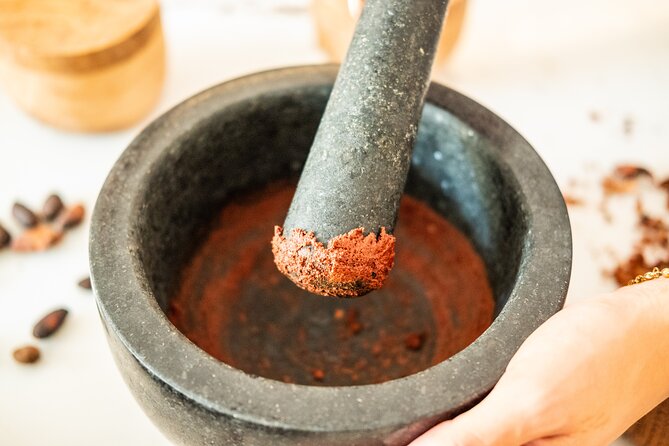
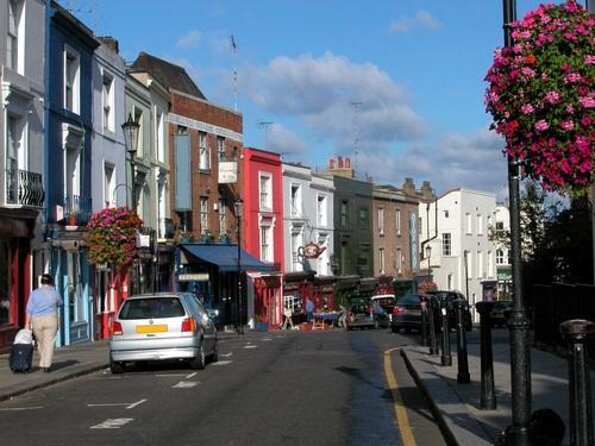
Notting Hill is a smart setting for a chocolate class. The neighborhood has that calm pre-planned feel, but you still get the feeling you’re in real London life, not a theme park. You meet at 59 Ledbury Rd, London W11 2AA, right in the middle of it, and the activity ends back at the same spot.
Because the workshop is near public transportation, you can treat it like a focused “one-and-done” experience. That matters in a city where travel time can eat your day. Plan for 1 hour 30 minutes total, plus whatever buffer you want to get there without stress.
The location also helps with pairing. If you’re already exploring Notting Hill, you can slot this in without feeling like you’re crossing town for a single activity. And if you’re coming from somewhere else, the central meeting point keeps it straightforward.
Finally, the setting is in a chocolate shop environment, which changes the mood. You’re not wandering into a random community room. You’re in the right place for chocolate smells, cocoa talk, and that friendly workshop energy that makes learning feel light.
You can also read our reviews of more tours and experiences in London


The small-group setup (max 8) and why it changes everything
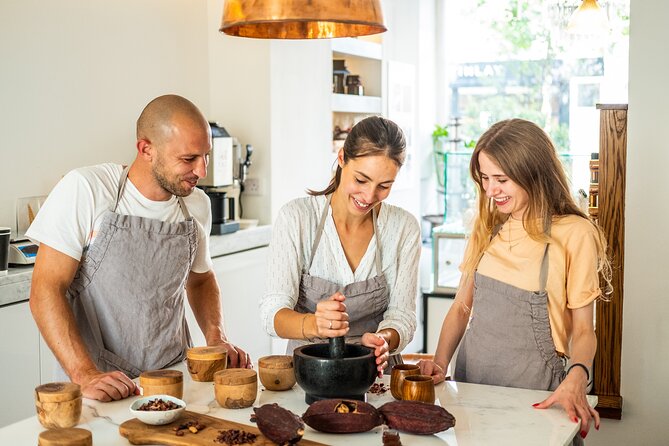
This is not a big auditorium class where you get one glance and then wait. The workshop runs with a maximum of eight travelers, which is a big deal for a hands-on food activity.
Here’s what that means for you in real terms:
- You get more time at the work area, with guidance while you’re doing the steps.
- You’re more likely to get answers to your questions, whether they’re basic (how does it set) or more curious (why do origins taste different).
- The group stays manageable, so the instructor can keep things flowing without rushing everyone.
It also tends to make the class feel relaxed. People can laugh, ask things, and actually participate without feeling like they’re behind a long line of strangers.
If you’re traveling with teens or a mixed-age group, small-group format often helps. One part is that kids and adults can both stay engaged. Another part is that you can get the workshop vibe without it turning into a lecture.
In short: small group size turns this from a “see chocolate happen” experience into a “you made it” experience.
From cacao bean to moulds: what the lesson covers while you work
The workshop is built around a clear flow: you learn the chocolate story and then you apply it immediately with your own bars. You start with an informative overview of how chocolate is made, from cacao bean to bar, so the tasting and the hands-on part feel connected instead of random.
You also get a brief walk-through of where cocoa comes from. The goal here isn’t to send you on a long geography tour. It’s to give you enough context to connect what you’re tasting with the source of the ingredients.
Then you move into the making portion with guidance from the Melt team. One of the most practical parts of the experience is that you’re shown how chocolate ends up poured into moulds, and you see how the process becomes a finished bar shape.
So you’re not just decorating something at the end. You’re learning alongside the steps that create the bar.
A helpful way to think about it: the class gives you a “why” as you do the “how.” When you taste different chocolates later, you’ll understand what you’re responding to instead of only guessing based on sweetness or bitterness.
Tasting chocolate by origin and percentage: the lesson you can taste
One of the best parts of this workshop is that it treats tasting like a skill. You sample chocolate from different regions of the world and you also compare different percentages. That’s how you start to understand why two bars that both say dark can taste totally different.
You’ll taste enough to notice patterns:
- Higher or lower percentage often changes how the chocolate tastes and feels on your tongue.
- Different origins can shift flavor notes and intensity in ways you can actually pick out while you’re working.
You also get to connect taste to the bigger story the instructor explains. That’s the difference between “free chocolate samples” and learning why the samples taste the way they do.
If you’re the type who buys chocolate but doesn’t know how to choose, this is a huge win. After a class like this, you tend to shop smarter because you have real sensory anchors. Instead of guessing, you remember how percentage and origin affected the flavor.
And because you’re tasting while you’re in the making mood, the lesson sticks. Your brain is already focused on what changes when chocolate transforms from bean ingredients into a finished bar.
Making your three dark bars: flavors, decorations, and take-home satisfaction
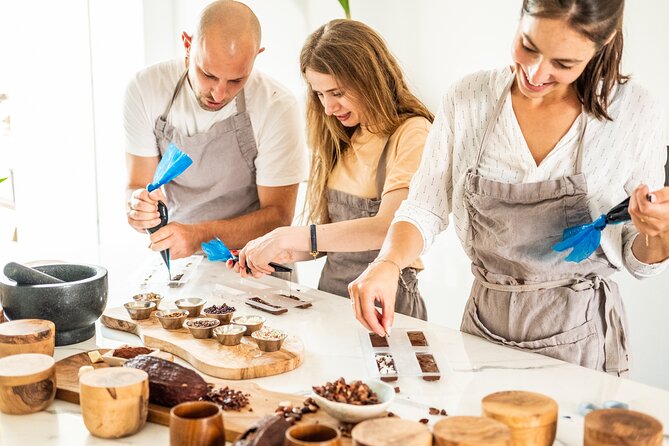
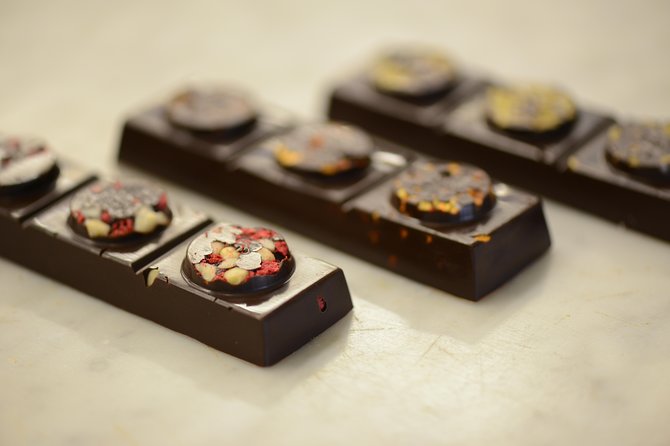
Your work product is straightforward and delightful: you create three dark chocolate bars, and you take home all three. The bars are sized at 45g each, and they’re hand wrapped for you.
The class also lets you personalize them. You’ll add custom decorations and flavors, which means the bars aren’t just identical “souvenirs.” They’re your version of a chocolate bar.
That matters, because the takeaway becomes both edible and meaningful. You can bring one for a friend, keep one for yourself, and still have an extra bar as backup for a chocolate craving later. (Yes, this is a real travel strategy. Chocolate is better than another keychain.)
The “three bars” structure also makes the workshop feel complete. You’re not finishing with one bar and then leaving. You end with a set, which feels like an actual product you made, not a single-use taste.
Also, you get the hands-on satisfaction of watching your work become a real moulded bar. That visual and physical result is a big part of why this class ranks high for fun and education at the same time.






Who runs the class: the tone matters as much as the technique
The workshop leadership has a lot to do with the overall feel. Melt’s instructors have been described as warm, fun, and super knowledgeable in how they teach. That tone changes the classroom from stiff to friendly.
Two instructor names come up clearly: Christina and Paul. Both are recognized for making the experience feel informative but not heavy. One class vibe described is educational and relaxing, with a lot of laughter.
That matters because chocolate-making can feel like a “science-y” topic if the teacher leans too hard into lecture mode. Instead, the workshop keeps it approachable. You’re learning in the moment, so you can focus on what you’re doing and why it matters.
Practical tip for you: ask questions while you’re working. If something about the tastings or the process feels confusing, it’s easier to clear it up immediately than to wait until the end. With a group size of eight, you’re not likely to get brushed aside.
Price and value for $74.31: what you’re really paying for
At $74.31 per person, this is not a “grab a snack and watch a video” type of activity. But it also isn’t priced like a high-end private chef experience. It lands in the sweet spot: instruction plus ingredients plus take-home product.
Here’s the value math that helps you decide:
- You leave with three 45g dark bars that you made and that are hand wrapped.
- You get guided education covering bean-to-bar, plus tastings of different origins and percentages.
- You benefit from small-group attention, which you don’t get with larger classes.
If you’ve ever bought fancy chocolate in London, you’ll recognize how quickly the cost can add up for a few bars. This class gives you a larger quantity of chocolate in a guided setting, with the satisfaction of making it yourself.
You’re also paying for time. Ninety minutes in a great location, with focused attention, beats trying to recreate this experience on your own during a busy sightseeing day.
If you’re a chocolate lover, the price feels easier to justify because you’re getting both education and a tangible edible outcome. If you’re not a chocolate person, it may feel less compelling since the product is the main point.
Who should book this workshop (and who might skip it)
This is a great fit if:
- You like chocolate and want to understand what makes different bars taste different.
- You enjoy hands-on activities where you get to do the process, not just watch.
- You’re traveling with teens. The class has worked well for families with kids around early teen age through adults, and it supports mixed ages because the group stays small.
You might skip it if:
- You dislike dark chocolate and aren’t interested in learning about it.
- You prefer purely sightseeing over food workshops.
- You’re short on time and only want a quick, casual snack stop. This is designed as a focused experience, not a wandering tasting.
A good compromise if you’re unsure: think of it as a structured chocolate lesson plus a souvenir. Even if you don’t become a chocolate expert, you’ll walk away with better taste instincts and bars you can share.
Should you book Make Your Own Amazing Chocolate in Notting Hill?
If you want a fun London food experience that’s more than eating, I think this is worth booking. The small group size, the clear bean-to-bar education, and the fact that you take home three 45g hand wrapped bars make it feel substantial for the time.
The biggest reason to book is simple: you get to taste like a student and leave like a maker. If you’re traveling solo, you’ll enjoy the guided attention. If you’re traveling with family, the workshop format keeps it engaging without becoming chaotic.
The only real hesitation is dark-chocolate preference. If dark works for you, this is an easy yes.
FAQ
How long is the chocolate workshop?
The workshop lasts about 1 hour 30 minutes.
What is the price per person?
The price is $74.31 per person.
What will I make during the workshop?
You’ll make three dark chocolate bars with custom decorations and flavors.
How much chocolate do I take home?
You take home three 45g bars that are hand wrapped.
How many people are in the class?
The class has a maximum of eight travelers.
Where do I meet, and where does it end?
You meet at 59 Ledbury Rd, London W11 2AA, UK, and the activity ends back at the same meeting point.
Is the workshop offered in English?
Yes, it’s offered in English.
Can I get a refund if I cancel?
Free cancellation is available. You can cancel up to 24 hours in advance for a full refund.