REVIEW · LONDON
Melt Chocolate’s Magical Master Class
Book on Viator →Operated by Melt Chocolates Notting Hill · Bookable on Viator
Chocolate lessons beat museum time. In Notting Hill, Melt Chocolate runs a hands-on master class that turns a 3-hour session into real chocolate-making skill, not just tasting. I especially like the max 6-person setup, which means you’re not stuck watching from the sidelines, and you get proper attention at each step.
The other thing I like is the bean-to-bar focus. You work through the process from cocoa beans to finished chocolate, with tasting moments so you can actually notice how flavors change as you grind, temper, and mould. The class also weaves in some chocolate history, including how the Aztecs used cocoa.
One consideration: this is a splurge at $204.39 per person, and transport isn’t included, so factor in getting yourself to 59 Ledbury Rd (W11 2AA).
In This Review
- Key highlights you’ll care about
- Chocolate by the clock: what 3 hours in Notting Hill feels like
- Small group hands-on: why the max 6 matters
- Bean-to-bar station: cracking, winnowing, grinding, and tasting
- The drawback to keep in mind
- Tempering and moulding: making your chocolate bar look—and behave—right
- Ganache, bonbons, and praline crunch: the sweet workshop menu
- What you take home: your bar, plus gift-ready presentation
- Price and value in London: is $204.39 worth it?
- Who should book Melt’s master class (and who might not)
- Practical tips for your visit to 59 Ledbury Rd
- Should you book Melt’s Magical Master Class?
- FAQ
- How long is Melt Chocolate’s Magical Master Class?
- Where is the class meeting point?
- What’s the group size limit?
- What chocolate-making activities are included?
- What’s included in the price?
- Is transport included?
- What is the cancellation policy?
Key highlights you’ll care about
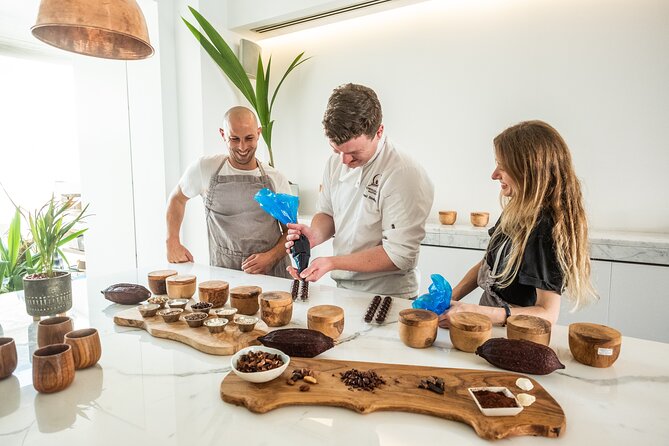
- Max 6 travelers means more hands-on time and less waiting around
- Crack, winnow, grind, and taste so you understand flavor changes step by step
- Tempering practice that teaches you how to get chocolate bars right for moulding/piping
- Ganache and bonbon making, including a signature crunchy praline bonbon
- You take home your own chocolate bar in gift-ready packaging and a designer bag
Chocolate by the clock: what 3 hours in Notting Hill feels like
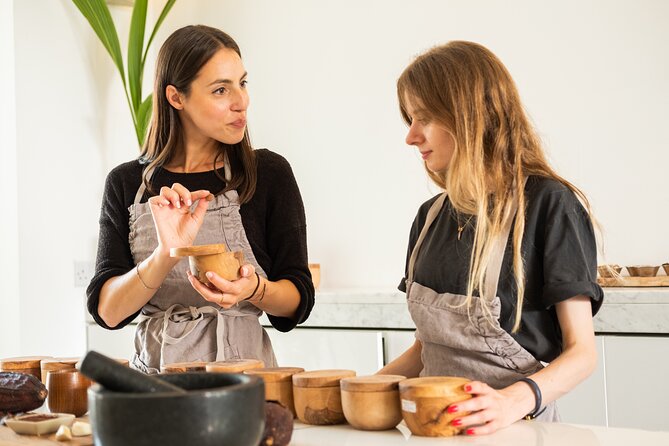
A chocolate class can either feel rushed or strangely slow. This one hits a sweet spot because it’s built as a full production chain in about 3 hours. You’re not just learning one technique. You move through multiple stages—so your brain stays engaged, and your hands stay busy.
This pacing also matters for value. At $204.39, you want more than a single “here’s how” moment. The structure here is designed so you’re actively making things as you go, with guidance as you crack and process beans, then move into tempering and moulding/piping techniques. By the end, you’re not leaving with vague chocolate knowledge—you understand how the process creates specific results.
Also, the setting in Notting Hill is part of the experience. You’re meeting at 59 Ledbury Rd, and the whole session stays in that same neighborhood rhythm, so it doesn’t feel like a multi-stop day. For many visitors, that’s a relief: you can still enjoy London after class without stitching together transport and timing puzzles.
You can also read our reviews of more tours and experiences in London



Small group hands-on: why the max 6 matters
When a class is capped at 6 travelers, you feel it immediately. There’s no crowding around the workstations, and the instructor team can correct technique while you’re doing the task—not after it’s already set.
Practically, that means:
- You get more direct help while you’re grinding or tempering.
- You’re more likely to finish the tasks you start, instead of waiting while someone else uses the equipment.
- You get to taste and compare flavors at the right moments, because the group size makes the pacing manageable.
That personal attention is one of the reasons people rate this class so highly. It’s easy for a chocolate workshop to become a lecture. Here, it stays practical.
One more subtle benefit: with a small class, you also tend to learn the “why” faster. Chocolate is temperamental (yes, pun intended), and small corrections—temperature, texture, timing—matter. A smaller group makes those corrections actually stick.
Bean-to-bar station: cracking, winnowing, grinding, and tasting
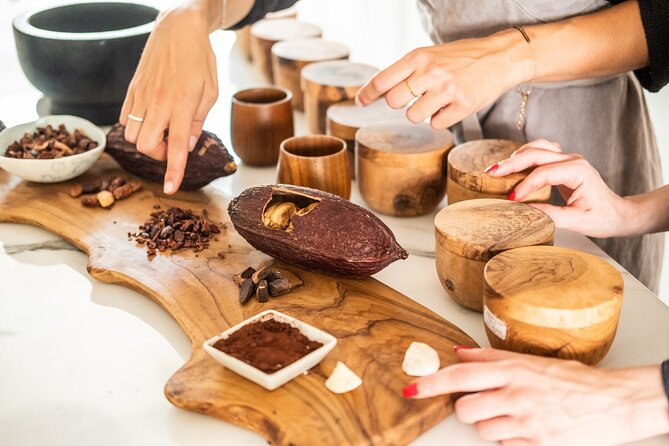
Here’s where the class turns into a true skills workshop. You start with cocoa beans and work through steps that many people only hear about.
You’ll crack and winnow cocoa beans, then grind the beans using a pestle and mortar. That detail matters. Grinding isn’t just prep—it changes texture and exposes different flavor notes. And you don’t do it blindly. You’ll taste the chocolate at each stage so you can observe how flavors develop over time.
I like this tasting approach because it trains your palate in a structured way. Instead of tasting one finished product and guessing why it’s good, you learn what happens as the process changes the chocolate. You start noticing differences like how bitterness, sweetness impressions, and overall aroma can shift as cocoa moves from bean form into ground chocolate.
The class also ties the technique to context. You’ll learn some history of chocolate along the way, including how the Aztecs created such beautiful cocoa. Even if you’re not a trivia person, it helps you remember what you’re doing—and it gives the bean-to-bar process meaning beyond “we make sweets.”
The drawback to keep in mind
Bean-to-bar work includes hands-on prep steps. If you hate getting messy with food processes, you might find the early stages a bit more hands-on than you expected. But if you want a real cooking-class vibe, that’s a plus.
Tempering and moulding: making your chocolate bar look—and behave—right
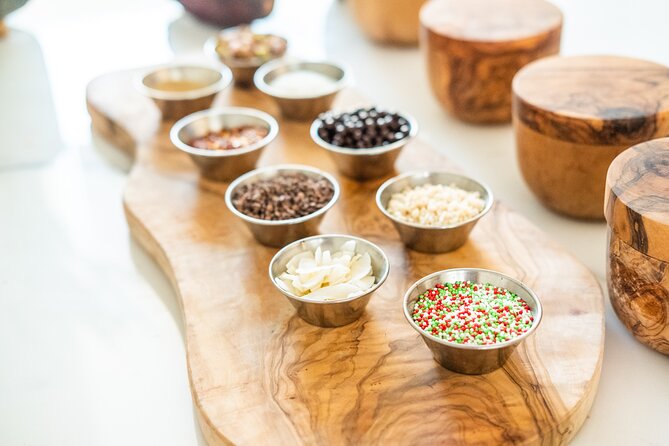
Tempering is where chocolate goes from tasty to truly polished. It’s also the stage that separates “I made chocolate” from “I made proper chocolate.”
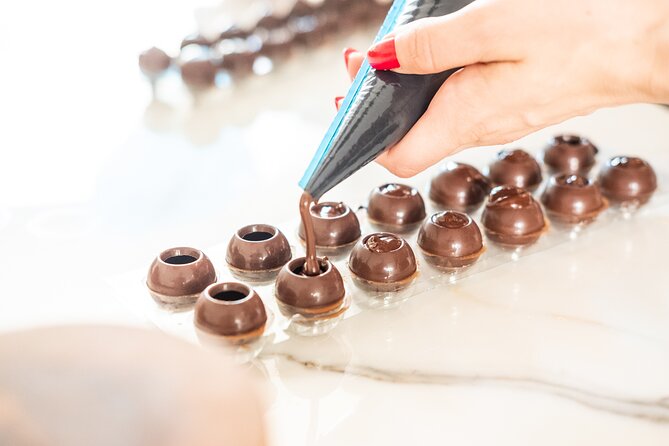
In this class, tempering includes piping or moulding chocolate into your own chocolate bar. The goal is a bar that sets with the right feel and finish—think clean snaps and a smoother look. You’ll learn the technique with guidance from the Melt team of top chefs, so you aren’t stuck guessing temperatures or timing.
One of the most useful things you take from a tempering lesson is understanding what went wrong when chocolate doesn’t work. Even without fancy thermometers, tempered chocolate behaves differently than untempered chocolate. The class structure supports that learning because you’ve already tasted earlier stages, so you know what “good chocolate” should taste like before it turns into a bar.
Also, tempering plus moulding/piping means you get something tangible at the end. This isn’t just a lesson on theory—it’s practice that ends in a finished item you can hold, share, and show off.
You can also read our reviews of more tours and experiences in London





Ganache, bonbons, and praline crunch: the sweet workshop menu
The class doesn’t stop at bars. It branches into classic confection techniques, which is great if you want variety and actual repeatable recipes.
Here’s what your session covers on the sweets side:
- Dark Chocolate Bar: the hosts will make two dark chocolate bars, which gives you a strong template to compare against your own work.
- Bonbons: you’ll learn how to make ganache and create a dozen bonbons.
- Praline bonbon: you’ll make a signature crunchy praline bonbon.
Ganache is one of the best foundations to learn because it teaches balance—how cream and chocolate combine into a texture that’s workable for stuffing or forming. Once you understand ganache consistency, you can understand a lot of other confections, too.
Then the bonbons add technique: enrobing and shaping steps require a steady hand and correct timing. And the praline bonbon brings texture contrast—crunchy bits inside a chocolate experience. That combo is exactly why chocolate workshops feel more “festival” than “lesson.” You end up with different mouthfeel moments, not just sweetness.
If you’re the type who wants to leave with a range of flavors to share—rather than one single item—this menu gives you that. You’ll also appreciate the ingredient-and-material approach. The class uses provided ingredients and professional materials, which reduces your frustration and lets you focus on learning the method.
What you take home: your bar, plus gift-ready presentation
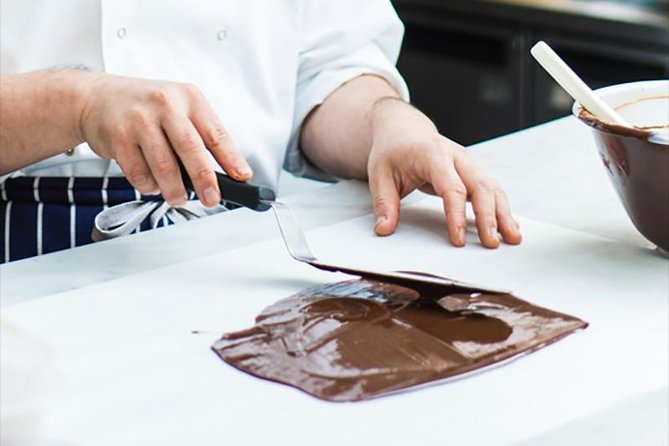
The best part of many food classes is eating. The second best is gifting. This one does both, and it’s built for take-home wow.
You’ll take your own unique chocolate bar home with Melt’s beautiful packaging and a designer bag. That matters if you’re traveling and don’t want to worry about how your gift will survive a day in your bag. The packaging also helps you avoid the “I made it but now it looks like I made it at home” problem.
And if you’re coming to London with friends or family back home, that design detail is practical. You’re not just carrying chocolate—you’re carrying something that feels ready to give.
Price and value in London: is $204.39 worth it?
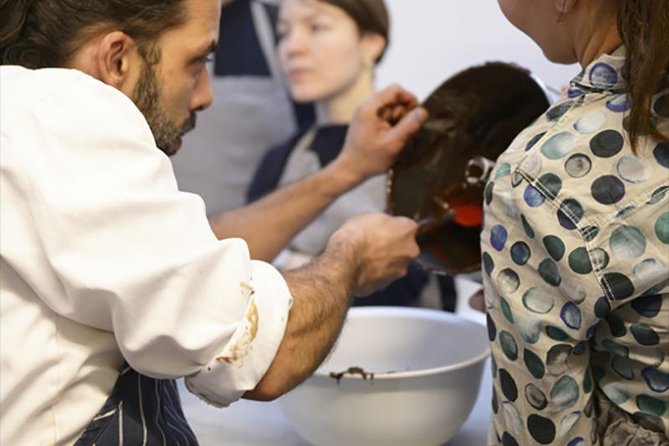
Let’s talk money in a way that actually helps you decide. At $204.39 per person, this is not a budget activity. It’s priced like a premium, small-group workshop with real hands-on technique.
What you’re paying for:
- Small class size (max 6), which usually means more instructor time per person
- Included chocolate class and ingredients
- Multiple techniques: bean processing, grinding, tasting stages, tempering, moulding/piping, ganache, and bonbon making
- Take-home value: your own chocolate bar, plus packaging and a designer bag
What might make it feel pricey:
- Transport isn’t included, so your true cost depends on how you get there.
- It’s offered in English, so if you’re not comfortable working that way, you may feel less confident.
For me, the value case is strongest if you’re the type who loves practical skills and wants to leave with something you can’t easily DIY on the same day. If you’re mostly looking for a quick snack tour, there are cheaper ways to eat chocolate in London. But if you want real competence—temper, mould, and build confections—this price starts to make sense fast.
Who should book Melt’s master class (and who might not)

This class is a strong match for:
- You want hands-on cooking more than passive tasting
- You enjoy candy craft and want to learn techniques you can repeat later
- You like gifts that look thoughtful without needing extra wrapping effort
- You’re curious about the bean-to-bar process, not just the final sweet
It may be less ideal if:
- You’re trying to keep London costs super low
- You strongly prefer a short, casual experience with no hands-on prep
- You need transport included in the price (it isn’t)
Also, because it’s 3 hours, it suits a half-day plan. You can fit it before dinner, or after a morning of walking, without turning your schedule into a spreadsheet.
Practical tips for your visit to 59 Ledbury Rd
A few small things can make your experience smoother:
- Arrive a little early so you can settle in. Your start point is 59 Ledbury Rd, London W11 2AA.
- Bring a mindset that you’ll be working with food processes. Even if the workshop is neat, the nature of bean processing and chocolate work means you’ll be more involved than you would be in a tasting-only activity.
- Since the class is English, it helps to feel comfortable with instruction and questions. You don’t need fancy vocabulary—just basic comfort speaking and listening.
One more practical note: your ticket is mobile, so plan on having your phone charged and ready. London logistics are easier when you don’t add the scramble of finding Wi-Fi right before start time.
Should you book Melt’s Magical Master Class?
If you’re deciding between “another London activity” and something you’ll actually remember with your hands and palate, I’d book it. The strong case is simple: small group size, real bean-to-bar learning, and a finished product you can take home with professional packaging.
I’d especially recommend it if you want gifts. Chocolate made by hand with a bar-to-gift presentation is the kind of thing people genuinely appreciate because it looks special and feels personal. And if you’re a fan of learning how flavor changes as you process cocoa, the tasting-at-each-stage design is exactly the right kind of structure.
Skip it only if you’re strictly on a budget, want transport solved for you, or prefer purely observational experiences. Otherwise, this is one of those London moments where you leave with more than photos—you leave with skills and chocolate.
FAQ
How long is Melt Chocolate’s Magical Master Class?
It lasts about 3 hours.
Where is the class meeting point?
You’ll start at 59 Ledbury Rd, London W11 2AA, UK, and the activity ends back at the meeting point.
What’s the group size limit?
The class has a maximum of 6 travelers.
What chocolate-making activities are included?
You’ll make and learn multiple techniques, including tempering and moulding/piping chocolate, making ganache, creating a dozen bonbons, and making a crunchy praline bonbon. You’ll also make dark chocolate bar(s) as part of the workshop.
What’s included in the price?
The price includes the chocolate class and chocolate ingredients.
Is transport included?
No, transport is not included.
What is the cancellation policy?
You can cancel for a full refund up to 24 hours in advance of the experience’s start time.