REVIEW · LONDON
Private London Street Photography Workshop
Book on Viator →Operated by London Photo Tours and Workshops · Bookable on Viator
London street life moves fast.
This private 4-hour workshop puts you on the sidewalks around Charing Cross Road, Chinatown, Soho, and Piccadilly Circus, guided by fine art photographer Lou Smith, with hands-on instruction built for real street conditions.
What I like most is the way the session balances technique with actual shooting time. You get short shooting assignments designed to pull candid frames out of busy corners, and you also receive personal feedback on your images to help you improve quickly.
One thing to consider: it’s an outdoor, hands-on experience, so expect to work at street pace and dress for the weather. If you want a relaxed walk with zero pressure to shoot, this might feel more intense than you’re expecting.
In This Review
- Key highlights that make this workshop worth your time
- A street photography workshop that teaches you to react, not just record
- Meet Lou Smith: professional guidance with a methodical teaching style
- The route: Charing Cross Road, Chinatown, Soho, and Piccadilly Circus
- Stop 1: Charing Cross Road (start with momentum and practice fast)
- Stop 2: Chinatown (use atmosphere and contrast in your frames)
- Stop 3: Soho (turn everyday scenes into a story)
- Stop 4: Piccadilly Circus (classic scene, street-level approach)
- How the teaching works: short assignments, practice blocks, and real photo review
- Camera setup and focusing tips you can use immediately
- Creative techniques: black-and-white, color mood, and building narrative
- Private workshop value: what you’re paying for at $332.90 per person
- Where you’ll start (and why the meeting point matters)
- Who this workshop is best for
- Should you book this private London street photography workshop?
- FAQ
- How long is the Private London Street Photography Workshop?
- Where does the workshop start and end?
- What is included in the instruction?
- Can I bring a smartphone instead of a camera?
- Is the workshop offered for all skill levels?
- What’s the cancellation policy?
Key highlights that make this workshop worth your time
- Lou Smith’s street-focused coaching: practical guidance on focusing, framing, and camera setup for changing street light.
- Assignments that force better seeing: short tasks aimed at helping you notice and capture moments instead of overthinking.
- B/W and color for mood: you’ll try both black-and-white approaches and using color to steer the emotional tone.
- People + city in one frame: composition practice that blends subjects with the environment.
- Photo review built in: time to look at your results and tighten your skills with feedback.
A street photography workshop that teaches you to react, not just record
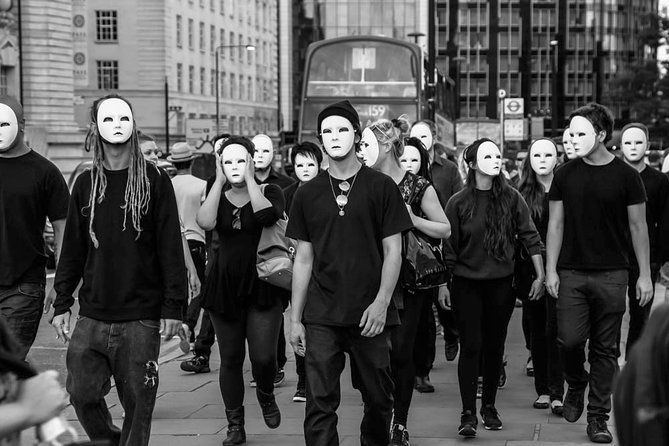
Street photography rewards timing. The London you photograph isn’t waiting for you to get comfortable with your camera settings, your position, or your nerves.
That’s why this kind of private workshop clicks for me: it’s structured around learning while you’re actively making images. You’re not stuck in a classroom staring at examples. You’re out in Central London, moving between scenes where the details change fast—cobbled backstreets, small shops, and tight streets where there’s always something happening just out of frame.
The instructor’s background as a fine art photographer also matters. The teaching isn’t only about technical correctness. The goal is to capture the feel of contemporary London and to build images with a sense of story—so your photos don’t just show what’s there, but suggest why it matters.
You can also read our reviews of more private tours in London
Meet Lou Smith: professional guidance with a methodical teaching style
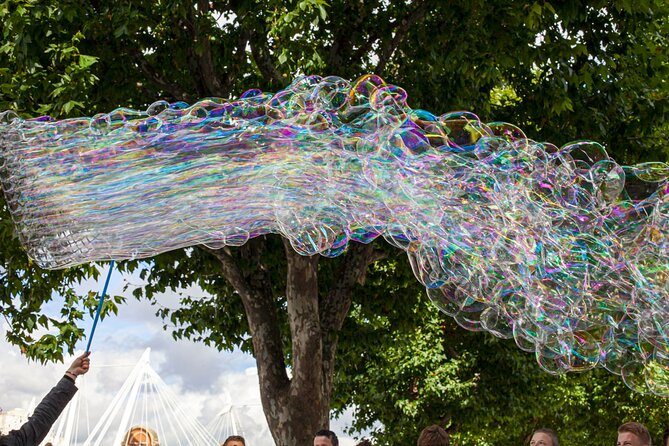
The workshop is led by Lou Smith, a fine art photographer with extensive teaching experience. The approach you get is intentionally step-by-step, focused on helping you build confidence rather than dumping a pile of settings on you and hoping for the best.
From past experiences shared by participants, Lou’s teaching style is described as thoughtful and methodical. People also highlight that she understood what they wanted to improve, then helped them get results during the session—not later, not someday, today.
You’ll get instruction on:
- how to set your camera up for street photography
- how to frame and compose quick moving subjects
- focusing techniques specifically for street scenes
- how to think about the image before pressing the shutter
If you’re the type who often shoots on Auto and feels stuck, this format can help you break out of that loop fast.
The route: Charing Cross Road, Chinatown, Soho, and Piccadilly Circus
This is a Central London walk that mixes big landmarks with smaller, story-rich street scenes. You start at Charing Cross Strand (WC2N 5HF) and finish back there.
Stop 1: Charing Cross Road (start with momentum and practice fast)
Charing Cross Road is a strong place to begin because it lets you get your street legs quickly. You can experiment with quick framing, learn how to spot your subject early, and test focusing choices in a zone where movement is constant.
Early on, you’ll likely be working on basics like:
- camera setup for street shooting
- how to keep subjects in focus
- composing people and environment together
The benefit of starting here is psychological: you get to fail fast and learn fast. By the time you reach quieter corners later, you’ll already have the muscle memory.
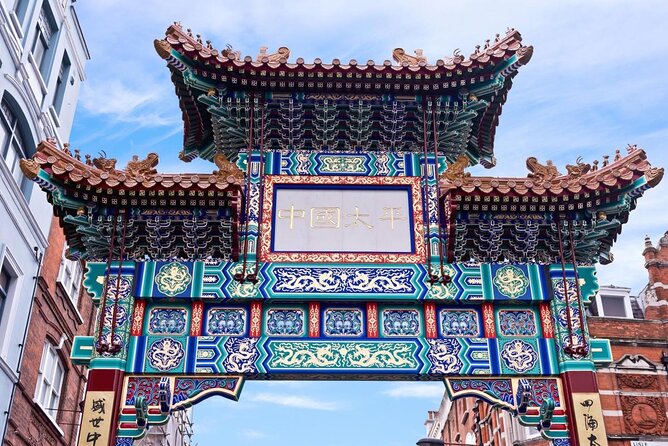
Stop 2: Chinatown (use atmosphere and contrast in your frames)
Chinatown gives you dense visual texture. Expect plenty of small storefront energy and street life details that help you practice composition and narrative.
This stop is a good match for the workshop’s creative goals: blending people with cityscape and building a sense of place. You can also test black-and-white vs color here because street scenes often have strong contrast—signs, faces, shadows, and bright elements.
If you struggle with deciding what to shoot, Chinatown tends to overwhelm in the best way. Your instructor’s job is to help you become selective.
You can also read our reviews of more photography tours in London
Stop 3: Soho (turn everyday scenes into a story)
Soho is where street photography becomes more about relationships in the frame: how a person’s movement interacts with the street, the mood you build with color, and the way you use environment to set context.
This stop supports the workshop’s theme of narrative. You’ll do short assignments meant to increase your “before the shutter” thinking. Instead of randomly photographing what’s in front of you, you’ll practice asking:
- What’s the point of this frame?
- What emotion or story is present in this moment?
- How does the background strengthen the subject?
From the feedback on this workshop, one common win is that people learn to be more selective—capturing fewer images, but stronger ones.
Stop 4: Piccadilly Circus (classic scene, street-level approach)
Piccadilly Circus is a familiar London reference point, but the workshop helps you photograph it like a street story, not a postcard. You can practice quick moving subjects, learn how to frame confidently in a crowd situation, and capture the “time in which you live” rather than only the landmark.
This stop can also be useful if you want to test your settings under mixed light. It’s the kind of area where color and contrast can shift quickly as people move and the lighting changes.
How the teaching works: short assignments, practice blocks, and real photo review
Street photography feels simple until you try it. The hardest part isn’t holding a camera—it’s seeing, deciding, focusing, and composing while your subject changes instantly.
This workshop is built around:
- short assignments to drive candid capture
- hands-on practice (including breaks to try techniques)
- structured review of your photos
The review component is one of the biggest value adds. You don’t just collect images and hope they teach you something. You get guidance on how to develop your skills based on what you actually shot during the session.
If you want a concrete outcome, you might leave with a strong set of images. One participant specifically mentioned getting more than 15 strong photos from the workshop, and that kind of result usually happens when the coaching pushes you to apply technique in the moment rather than just learn it.
Camera setup and focusing tips you can use immediately
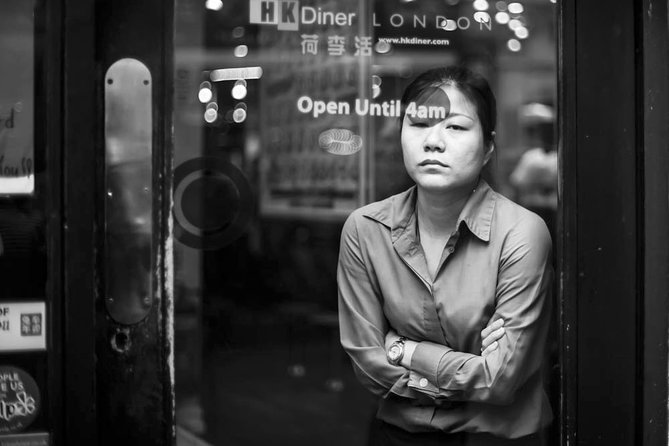
The workshop explicitly covers how to set up your camera for street photography and how to frame moving subjects. That matters because street shooting punishes delays.
Here’s what you should expect to get clarity on:
- focusing techniques for street scenes (where your subject might move or you might not get perfect framing)
- how to set your camera for street use
- how to compose quickly, with confidence, even when things happen fast
The workshop also supports manual control. One participant highlighted that Lou helped them gain control over manual exposure, which is a huge step if you’ve been letting the camera decide everything for you.
Good news: you don’t need a specific brand or model. The session is suitable for all types of digital cameras, including smartphones. So if you’re traveling light, you can still learn the thinking behind street photography—composition choices, narrative, and how to react quickly.
Creative techniques: black-and-white, color mood, and building narrative
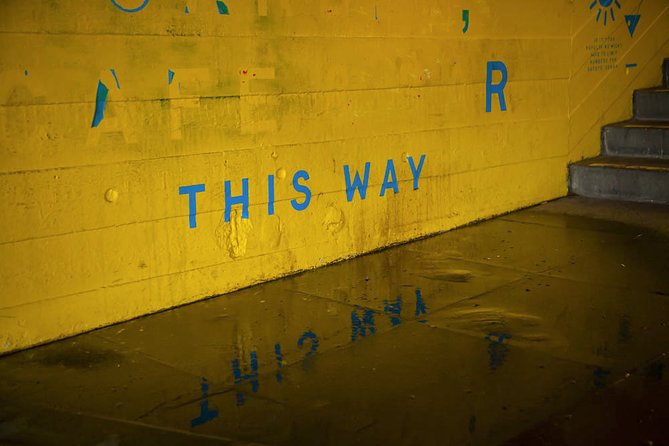
The creative part of this workshop isn’t just optional. It’s the bridge between technical ability and a personal style.
You’ll work on:
- capturing the true feel of contemporary London
- exploring black and white captures
- using color to create mood and atmosphere
- integrating the environment in your photographs
- creating a blend of people and cityscape
- learning focusing techniques specifically for street photography
- learning how to set your camera for street photography
- adding narrative to your images
That “narrative” goal is important. Lots of street photos look great, but they don’t always say anything. Narrative doesn’t require a movie plot. It can be as simple as showing a moment that feels connected: a glance that suggests a relationship, a posture that hints at emotion, or a scene where the street details make sense together.
So your end result should feel more intentional—even when you’re photographing something spontaneous.
Private workshop value: what you’re paying for at $332.90 per person
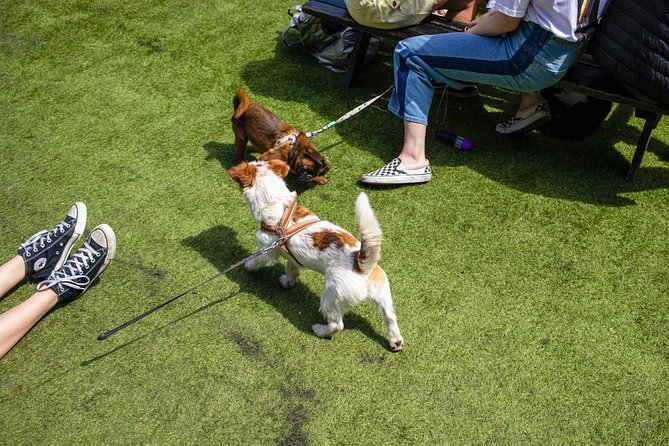
At $332.90 per person, this isn’t a cheap “walk and learn” option. You’re paying for something specific: a private street workshop with a professional photographer, plus photo review and on-the-spot coaching.
Where the value shows up:
- Personal instruction time rather than generic tips for a large group
- Practice opportunities tailored to your pace and your camera comfort level
- Feedback on images you actually shot during the session
- A route designed around street photography practice: big and small scenes, varied light, and lots of subject opportunities
If you’re serious about improving (or you already shoot but feel stuck in autopilot), the price can make sense quickly. You’re buying time with someone who can point out what’s holding your photos back and give you next-step adjustments.
If, on the other hand, you’re purely looking for sightseeing photos and you don’t want instruction, you may feel like you paid for something you won’t use.
Where you’ll start (and why the meeting point matters)
You meet at Charing Cross Strand, London WC2N 5HF, and the activity ends back at the same meeting point.
Starting around Charing Cross helps because it’s connected and easy to reach by public transportation. Also, you’re beginning the workshop where street scenes are close enough to practice repeatedly. Ending back where you started is convenient at the end of an outdoor session.
Before you go, bring:
- your own camera with a fully charged battery (spare battery if you have one)
- wear weather-appropriate clothing since it’s outdoors
Who this workshop is best for
This private street photography workshop is a strong match if you:
- want targeted street photography instruction (not just a scenic walk)
- need help with camera settings, focusing, and quick composition
- want a mix of technique and creativity (black-and-white plus color mood)
- like structured practice: short assignments and feedback
It’s also suitable for all skill levels, so if you’re brand new, you can learn the basics without feeling judged. And if you already shoot, the focusing and narrative coaching can push your work beyond simple documentation.
Should you book this private London street photography workshop?
Book it if you want London street photos that feel intentional—shots with story, not just clicks. You’ll get a professional instructor (Lou Smith) who can teach you street camera setup, focusing, and composition while you’re out shooting, then help you improve through photo review.
Skip it if you mainly want landmark photos with minimal effort and you’re not interested in practice assignments or feedback.
If you want a fast, practical way to upgrade your street photography in one afternoon, this is a smart bet.
FAQ
How long is the Private London Street Photography Workshop?
It runs for about 4 hours.
Where does the workshop start and end?
The meeting point is Charing Cross Strand, London WC2N 5HF, and it ends back at the meeting point.
What is included in the instruction?
You get instruction from a professional fine art photographer (Lou Smith) plus photo review, guidance on developing your skills, and a private workshop experience with expert photography instruction.
Can I bring a smartphone instead of a camera?
Yes. It’s suitable for all types of digital cameras including smart phones.
Is the workshop offered for all skill levels?
Yes. It’s suitable for all skill levels.
What’s the cancellation policy?
You can cancel for a full refund if you cancel up to 24 hours in advance of the experience start time. If you cancel less than 24 hours before, the amount paid is not refunded.