REVIEW · LONDON
Royal London Westminster Tour
Book on Viator →Operated by Tours by Foot London · Bookable on Viator
Westminster on foot is a fast way to feel London. This tour links royal landmarks with the real work of government, with a local guide who knows where to stand.
I especially like the small-group size and the guide-style storytelling that makes the places click, not just stack photos. One thing to plan for: the Changing of the Guard can shift or pause, and several stops are view-only from the outside rather than full entries.
In This Review
- Key Points You Can Count On
- Why This 2.5-Hour Westminster Walk Is So Worth Your Time
- Starting at Diana’s Fountain: Find the Group and Get Oriented Fast
- Buckingham Palace: More Than a Famous Wall
- Changing of the Guard: Your Best View Depends on the Day
- Clarence House and St. James’s Palace: Royals With Less Noise
- St. James’s Park and Trafalgar Square: A Breath Between Palaces
- Whitehall and Royal Horse Guards: Where Ceremony Meets Government
- Number 10 Downing Street: Spot It From the Street
- Churchill War Rooms: You Don’t Enter, But You Walk on the Story
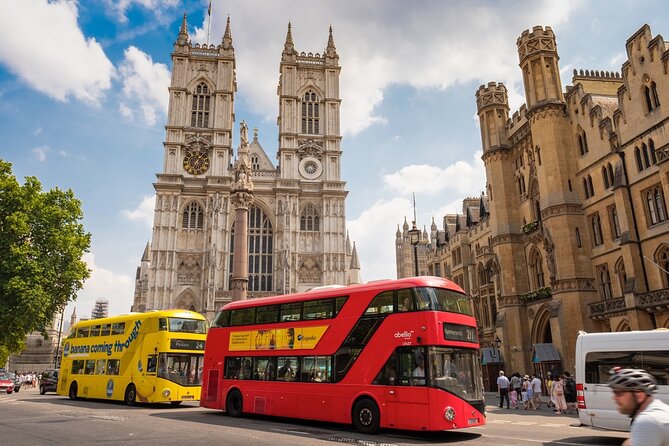
- Westminster Abbey: Stand in the Shadow of a World Icon
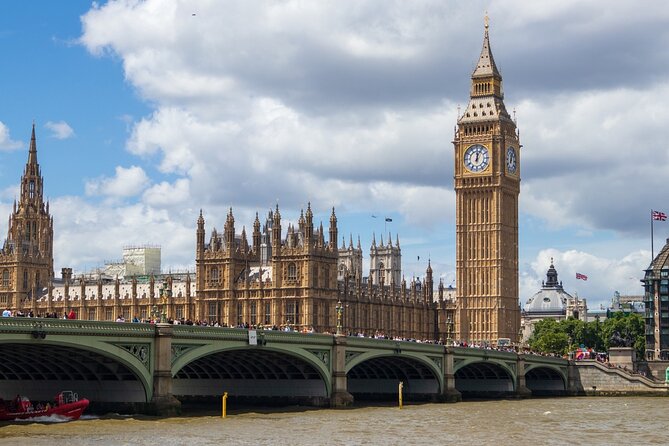
- Palace of Westminster and Westminster Hall: The Political Core in One Shot
- Big Ben: Get the Photos, Then Learn What You’re Actually Pointing At
- How I’d Plan Your Day Around This Tour
- Who Should Book (and Who Might Skip It)
- Should You Book the Royal London Westminster Tour?
- FAQ
- FAQ
- How long is the Royal London Westminster Tour?
- What does the $49 price include?
- Are tickets or entries included for Buckingham Palace, Westminster Abbey, and Parliament?
- Where does the tour start, and what time does it begin?
- How many people are in the group?
- What days is the Changing of the Guard scheduled?
- What if the weather is bad or the ceremony doesn’t happen?
Key Points You Can Count On
- Prime photo positioning at Buckingham Palace and Big Ben, not just random walking stops
- Changing of the Guard viewing when it’s running, with a schedule that can change due to weather or official activity
- Whitehall power sites like Royal Horse Guards, Clarence House, and St. James’s Palace from the street perspective
- Government history context tying Downing Street and Westminster’s political buildings to what you see
- A smart mix of scenes: palaces, parks, a major square, and the ceremonial center around Westminster Abbey
Why This 2.5-Hour Westminster Walk Is So Worth Your Time
London can feel like a blur of landmarks. This tour is built for focus. In about 2 hours 30 minutes, you sweep through the core of UK power and pageantry—royal residences, the ceremony crowds, and the parliamentary center—without needing to figure out where everything is in relation to everything else.
The price, at $49 per person, is reasonable for what you get: a live local guide, a capped group size of up to 20, and a route that hits the classic sights most first-timers want. You’re not paying for museum admissions here. You’re paying for the right viewpoints, the right order, and the story that connects each stop so you remember it later.
Also, this isn’t a tiring all-day hike. You do want moderate physical fitness since it’s a walking tour through central London streets. Still, the pacing is designed for photo stops and short explanation moments.
You can also read our reviews of more tours and experiences in London.


Starting at Diana’s Fountain: Find the Group and Get Oriented Fast
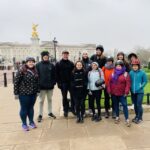
You meet at the Constance Fund fountain of Diana, London SW1A 1RD, with a start time of 10:00 am. That location works well because it’s central and easy to reach by public transportation.
I like tours that start with a clear anchor point. It means less wandering, less time lost, and you can get moving quickly into the Westminster area. You’ll also get a mobile ticket, which simplifies things on a phone, especially if you’re juggling transit cards, maps, and weather updates.
If you’re traveling with kids, older relatives, or anyone who prefers not to sprint between stops, the short duration and tight route make this a good fit.
Buckingham Palace: More Than a Famous Wall
The tour begins with Buckingham Palace. You don’t just walk by it—you get placed where the photos tend to come out better. The palace is the obvious draw, but what makes this stop feel worthwhile is how your guide frames it in real terms: it’s been tied to the monarchy for nearly 200 years, so it’s more than a pretty facade.
A practical note: there’s no admission included for this stop. Plan to enjoy the exterior and the ceremony-adjacent atmosphere rather than expecting an inside visit. If you want palace rooms, that’s a separate ticket plan for another day.
Still, as a first encounter, this works. It helps you set a baseline for everything you’ll see later—Whitehall, Westminster Abbey, and Parliament—since the royal and governmental worlds sit close enough to overlap.
Changing of the Guard: Your Best View Depends on the Day
This is the headline stop for many people. The tour aims for a tried-and-tested viewpoint for a front-row feel. That matters because the ceremony happens in a tight space, and crowds can form fast.
The schedule given is Mondays, Wednesdays, Fridays, and Sundays, and the tour notes that the timing can change. It can also be disrupted by adverse weather, London events, and official activity relating to the Royal Family. So treat this as a bonus if it’s running, not a guarantee.
Here’s how you can set yourself up for success:
- Dress for wind and drizzle. If the weather is bad, even the best-laid plan can pause.
- Give yourself a little patience. The ceremony is precise, so the crowd moves when it’s time.
- Keep your expectations flexible. If the guard schedule shifts, you’ll still get a guided royal route and context around what you’re seeing.
When it’s operating, it’s one of the most iconic things you can watch in London, and having a guide reduce the guesswork is a real value.
Clarence House and St. James’s Palace: Royals With Less Noise
After the palace and ceremony area, you move into calmer royal territory.
Clarence House is described as the other-half kind of residence. You’ll peek through the gates and see how the monarchy lives beyond the big public spectacle. It’s tied to Elizabeth, the Queen Mother, and is now the current residence of King Charles II and Queen Camilla (as described on the tour). That adds a useful layer: you’re not only seeing royal buildings—you’re seeing where royal life continues between headline moments.
Then comes St. James’s Palace, built by Henry VIII. It’s less famous than some nearby palaces, but that’s exactly why I like it on a guided route. Your guide can explain why it matters, so it doesn’t feel like just another facade photo.
Again, no admissions are included for these stops. The payoff is how the guide helps you read what you’re looking at, including what each place signals about the monarchy’s role.



St. James’s Park and Trafalgar Square: A Breath Between Palaces
This tour doesn’t keep you in ceremony mode the whole time. You walk through St. James’s Park, which opened to the public in the 17th century under King Charles II. It’s also known for birds—specifically swans and pelicans mentioned as belonging to the King.
This stop is useful even if you’re not a bird person. Parks interrupt the nonstop London “must-see” pressure. They also give your legs a break without stepping away from the central story.
Then you arrive at Trafalgar Square, often described as a common room for Londoners. You’ll stand near Nelson’s column and the four lions at its base—one of those spots that feels like a world landmark even when you’re just standing still.
The guide’s job here is to connect what you see (this public square) to how London uses space: for celebration, protest, and everyday life. That makes the square feel less like a postcard and more like the city in action.
Whitehall and Royal Horse Guards: Where Ceremony Meets Government
Whitehall is where London’s political machinery lives, and this tour doesn’t treat it like a dark office district. It’s framed as part of the same system as the monarchy.
You visit Royal Horse Guards at Horse Guards Parade. The space is home to the King’s Life Guard and their horses, and it connects directly to Trooping the Colour, the monarch’s birthday celebration. If the Changing of the Horse Guards is happening, the tour notes you can get front-row views.
This is a stop where timing matters, but the atmosphere even without perfect timing can still feel special. You’re watching a visible slice of institutional tradition—something you can’t really recreate by reading alone.
Number 10 Downing Street: Spot It From the Street
On this walk, you pass by Number 10 Downing Street and the guide points out what to look for. The tour explains it was built in the 18th century and has been home to Prime Ministers since the role was created.
You’re not going inside here, and you’re also not supposed to treat this as a random photo stop. The value is in the framing: it helps you understand why this address sits at the center of so many political stories.
If you’re traveling with a history-minded partner (or you’re the history-minded one), this kind of context makes the street-level view more meaningful.
Churchill War Rooms: You Don’t Enter, But You Walk on the Story
This stop is clever because it’s different from the rest. The tour says you can’t see the War Rooms themselves, but you’ll walk on top of the most important war-time structures in the county while moving through Whitehall’s governmental center.
The War Rooms are described as purpose-built rooms underneath the Treasury, where Winston Churchill led British forces during World War Two. Now they’re open as a museum, but this walking tour stays outside that experience.
I like this approach because it gives you a sense of place. You’re not losing the thread to a ticket line or museum schedule. Instead, you get the context that makes a later museum visit (if you choose one) feel sharper.
Westminster Abbey: Stand in the Shadow of a World Icon
Next is Westminster Abbey. The tour positions you to stand in the shadow of one of the world’s best-known churches. The guide ties it to major national moments: royal weddings, coronations, and state funerals, plus the resting places of kings, queens, and other famous figures.
The exterior is described as detailed, and the guide makes sure you get a good view. No admission ticket is included here, so again, plan for an exterior appreciation and guided context rather than entry.
This stop works best when you remember it’s not only a building—it’s a setting for repeated ceremonies and state rituals. That’s why the Abbey stop lands so well in a Westminster walk like this.
Palace of Westminster and Westminster Hall: The Political Core in One Shot
The tour then reaches the Palace of Westminster, also home to the Houses of Parliament. The guide calls this a two-for-one: you’re seeing the center of the UK legislature, and you’re learning about its key historic interior space even if you’re not going inside today.
The tour notes that the building is largely Victorian, but contains Westminster Hall, built back in 1097. That space has held trials to coronation banquets, laying-in-state, and even executions—so it’s not only about modern politics. It’s about centuries of justice, ceremony, and state power.
This is where a guided walk earns its fee. If you show up on your own, you can still see the buildings. But you might not connect Westminster Hall’s timeline to what you’re standing near.
Big Ben: Get the Photos, Then Learn What You’re Actually Pointing At
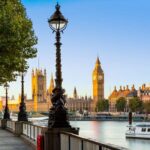
You finish the core sightseeing with Big Ben. The tour highlights that the guide puts you in prime position for photos, and then explains a key detail: you’re not technically taking photos of Big Ben.
That’s the kind of small correction that turns a generic landmark into a memorable fact. It also helps you look smarter in your own camera roll later.
As with other stops, you’re not entering anything here through the tour. You’re placed for the best view and then you move on while the guide connects the site to the Westminster story you’ve been building for the past couple of hours.
How I’d Plan Your Day Around This Tour
This is a great morning or early afternoon activity because it sets context for everything else you might do in London’s center.
A good plan looks like this:
- Do this walk early to understand the layout of Westminster.
- Afterward, decide what you want to ticket separately. The tour mentions museum access for places like the Churchill War Rooms, but the walking tour itself keeps you outside, so later add-ons depend on your interests.
If you’re a first-time London visitor, you’ll likely leave with a strong mental map. If you’re a returning visitor, you may still appreciate the focus and the guide’s habit of connecting stories to exact viewing spots.
Who Should Book (and Who Might Skip It)
This tour suits you if:
- You want the Westminster highlights in a compact time window.
- You like photo-friendly positioning and short, guided explanations.
- You enjoy conversation-style history. In the praise you see for Tours by Foot, guides like Sinead are repeatedly noted for bringing history to life in a personal, conversational way.
You might consider another option if:
- You need paid entry to major sites as part of the experience.
- You only care about a single inside attraction (like a full museum visit or an inside palace tour).
Since admission tickets aren’t included at the stops listed, treat this as a guided “see it from the right angle” tour, not a ticket-saver for indoor attractions.
Should You Book the Royal London Westminster Tour?
If your priority is classic Westminster—royal palaces, Changing of the Guard energy, the parliamentary core, and a Big Ben photo you’ll actually like—this is a strong booking. For $49, you’re buying a local guide, small group pacing, and viewpoint expertise across multiple iconic spots in one morning-length outing.
My main caution is the ceremony timing. The Changing of the Guard schedule can change due to weather, events, or official Royal Family activity. If that’s your one must-see, go anyway, but keep your expectations flexible.
Overall, I’d book it if you want a smart orientation to London’s power center and you like the feeling of a walk guided by someone who truly enjoys explaining what you’re looking at.
FAQ
FAQ
How long is the Royal London Westminster Tour?
The tour lasts about 2 hours 30 minutes.
What does the $49 price include?
It includes an entertaining tour led by a London local and the chance to see the Changing of the Guard when it’s taking place. Admission tickets are not included for the stops mentioned.
Are tickets or entries included for Buckingham Palace, Westminster Abbey, and Parliament?
No. The tour describes these as viewing stops with admission ticket not included.
Where does the tour start, and what time does it begin?
It starts at the Constance Fund fountain of Diana, London SW1A 1RD, UK, with a start time of 10:00 am.
How many people are in the group?
The tour has a maximum of 20 travelers.
What days is the Changing of the Guard scheduled?
The schedule is listed as Mondays, Wednesdays, Fridays, and Sundays. The tour also notes the schedule can change and may be disrupted.
What if the weather is bad or the ceremony doesn’t happen?
The tour requires good weather. If canceled due to poor weather, you’ll be offered a different date or a full refund. The Changing of the Guard can also be disrupted by weather or official activity.
If you want, tell me when you’re traveling and which day of the week you’re in London—I can help you plan around the Changing of the Guard schedule using only what’s provided here.