REVIEW · LONDON
Slave Trade Money Trail Tour in the City of London
Book on Viator →Operated by Darrel Blake · Bookable on Viator
If you want the City’s money story, start here. This 3-hour London walking tour traces how major financial sites in the City of London were tied to the transatlantic slave trade, with clear guidance from Darrel Blake and a tour booklet. I especially like the money trail format and the way the guide connects famous buildings to real systems of profit. One thing to consider: the topic is serious and emotional, so don’t book this as a casual sightseeing break.
I also like that the route stays practical: it’s concentrated in the City, it moves at a human pace, and it keeps you focused on a few major landmarks instead of a long list of sights. With only up to 30 people, you’re more likely to hear explanations clearly and ask questions when they come up. Bring a bit of patience for the weight of the material—this is history you feel, not just facts you memorize.
In This Review
- Key things to know before you go
- Starting at the Royal Exchange: why this route feels different
- Stop 1: The City of London Bank area and the finance behind the system
- Stop 2: The Royal Exchange and commercial power you can see
- Stop 3: 20 Fenchurch Street and the shipping profits thread
- Stop 4: Lloyd’s of London and underwriting as a form of risk control
- Stop 5: Borough Market and goods tied to enslaved labor
- Price and value: is $48.01 worth it?
- How long it really feels: pacing, group size, and what to bring
- Who this tour is best for (and who may want a different pick)
- Practical tips that make the day smoother
- Should you book this Slave Trade Money Trail Tour?
- FAQ
- How long is the Slave Trade Money Trail Tour?
- Where does the tour start and end?
- What is the meeting start time?
- What is included in the ticket price?
- Is lunch included?
- Is bottled water included?
- Are there admission fees at the stops?
- What language is the tour offered in?
- How big is the group?
- What’s the cancellation policy?
Key things to know before you go
- City of London focus: All stops are in the financial core, so the story stays tight and relevant.
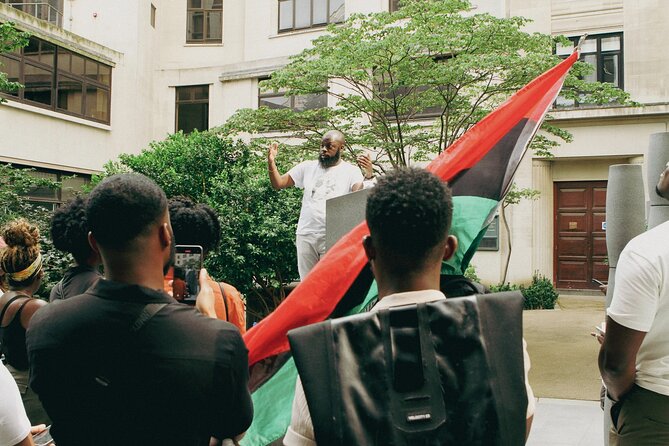
- Darrel Blake’s delivery: The guide’s approach is described as clear, personal, and backed by proof.
- Tour booklet in hand: You get printed help that supports what you’re seeing and hearing on the walk.
- Big-name sites, specific connections: Bank area institutions, the Royal Exchange, 20 Fenchurch Street, Lloyd’s of London, and Borough Market each tie to the slave trade story in a different way.
- Borough Market admission not included: Most stops are ticket-free, but you’ll need to plan for the final stop separately.
- Good weather matters: The experience requires good weather, with a refund or alternate date if it’s canceled for poor conditions.
Starting at the Royal Exchange: why this route feels different
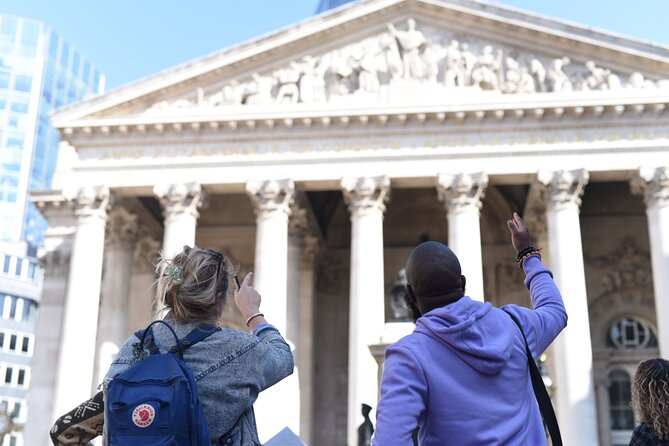
You start at the Royal Exchange area (Royal Exchange, London EC3V 3LL) at 12:00 pm, and you end at Borough Market (London SE1 9AL). The timing and the straight-line feel of the day matter. You’re not trying to cram London into three hours. You’re learning one thread—how money moved, who financed it, and how London’s growth links to that.
This tour also has a built-in advantage: it stays in places that are still part of London’s business identity. That means the contrast lands harder. You look at the modern purpose of these buildings, and the guide helps you understand the older one—profit tied to enslavement across the Atlantic.
You can also read our reviews of more city tours in London


Stop 1: The City of London Bank area and the finance behind the system
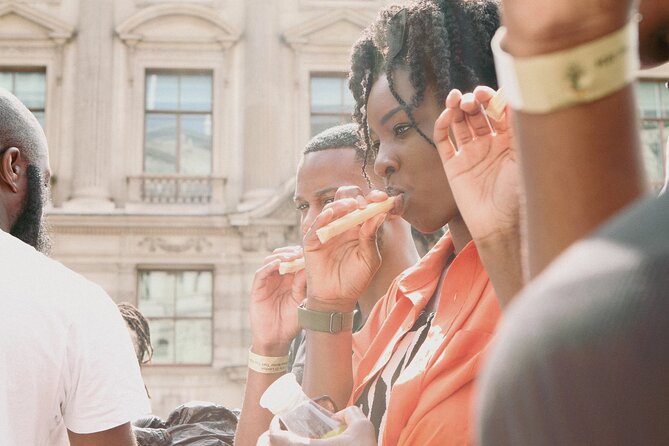
The first stop sits in the Bank area of the City of London, around the historic financial hub. Here, the emphasis is on the financial institutions that were entangled in the transatlantic slave trade. Even without going inside buildings, you’re guided to see how banking and capital weren’t side characters—they were part of the engine.
Why this first stop works: it sets the tone that follows. The story isn’t only about ships and plantations. It’s also about underwriting, investing, and the paperwork that made trading profitable. If you come in thinking slavery was far away from everyday London life, this is where the tour starts pulling that distance apart.
A practical note: the stop lasts about 15 minutes, so keep your questions simple and focused. You’ll get more chances later, but this is the moment to build the base map in your head.
Stop 2: The Royal Exchange and commercial power you can see
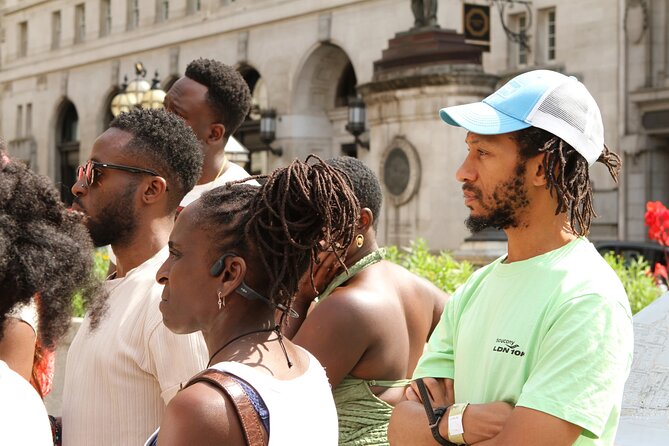
Next you head to the Royal Exchange building, the grand symbol of London’s trading life. You’ll learn how this center of commerce played a role in facilitating the transatlantic slave trade. This is one of those sites where the architecture can trick you into thinking it’s just ceremonial grandeur. The guide reframes it as infrastructure for trade—trade that, in this case, included human beings treated as commodities.
This stop runs around 20 minutes, which is enough time to connect the idea of exchange (buying, selling, and negotiating) to the real historical consequences. I like that the tour doesn’t stay abstract. You get a sense of how the system worked in practice, not just how it was remembered.
Stop 3: 20 Fenchurch Street and the shipping profits thread
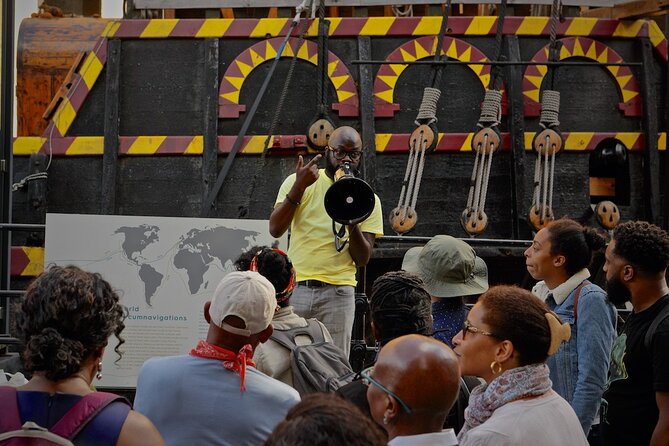
At 20 Fenchurch Street, the tour shifts toward the shipping side of the story. The point here is that this part of the financial district was at the heart of Britain’s economy tied to the transatlantic slave trade, with deep historical connections to the shipping industry.
This is where you start seeing how different parts of the same machine connect:
- finance helps move money,
- commerce helps move goods and contracts,
- and shipping helps move people and products across oceans.
The stop is longer—about 50 minutes—so you’ll likely spend more time on this section and asking questions. If you’re the type who likes to understand mechanisms (who did what, and why it mattered), this is a great place to settle in. On the other hand, if you prefer quick, low-emotion tours, this is where the story may feel most dense.
Stop 4: Lloyd’s of London and underwriting as a form of risk control
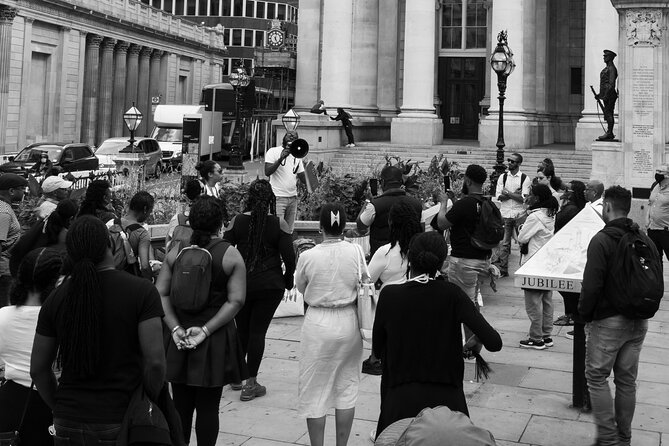
You then move to Lloyd’s of London, an iconic institution known for insurance. The guide explains how Lloyd’s played a pivotal role in underwriting the transatlantic slave trade. This is a mind-shift for many people: insurance can sound neutral, but underwriting decisions influence what gets financed and what gets repeated.
This stop is about 20 minutes. In that short time, the key value is the connection between modern finance and historical cruelty. You’re learning that systems don’t just happen—they’re designed, managed, and approved. If you’ve ever wondered how large-scale harm becomes routine, this is a strong stop to understand the infrastructure of decision-making.






Stop 5: Borough Market and goods tied to enslaved labor

The final stop is Borough Market (London SE1 9AL). Here, the tour lands on the consumer and supply chain side: you’ll explore how this historic trading hub was connected to goods produced through enslaved labor, including sugar and tobacco.
This ending makes a lot of sense. By the time you reach a market, you’ve already traced money movement, commercial exchange, shipping, and underwriting. Now you see the “end result” of that system: what people bought, ate, used, and exported. The tour also notes that the market sits in a busy trading network with a dark history linked to African exploitation—an important reminder that everyday commerce can carry long shadows.
The Borough Market time is about 20 minutes, and the big practical catch is that admission is not included. Plan for that when you budget, even if you don’t expect a large additional cost. This stop also helps you decide what kind of history you want after the walk: you may feel ready to browse with context, or you might want to step away and decompress.
Price and value: is $48.01 worth it?
At $48.01 per person for roughly 3 hours, this is priced like a serious guided experience rather than a quick walk-by. The value comes from three things you can feel in practice:
- Focused route: You’re not hopping around London. The time is concentrated on major money-linked landmarks.
- A guide who tells the story with structure: Darrel Blake’s style is described as clear and concise, and he uses personal experiences and artefacts to bring points to life.
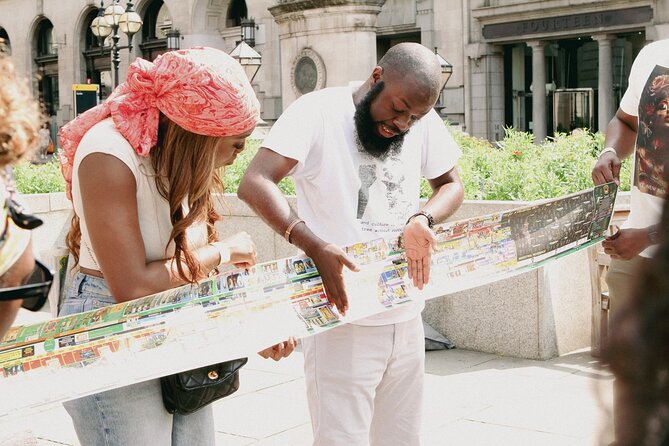
- A booklet you can keep: The tour booklet helps you stay oriented and remember what you learned after you’ve left the street corner.
Is it expensive for London? Not really, especially in central areas where even basic tours can run higher. The only cost surprises are the things not included: lunch and bottled water, plus the fact that Borough Market admission isn’t included. If you plan to buy a snack and water separately, you’ll stay comfortable.
One more value factor: group size caps at 30 travelers. That doesn’t just improve comfort—it helps the guide manage questions and keep attention on the key locations.
How long it really feels: pacing, group size, and what to bring

The tour runs for about 3 hours, starting at 12:00 pm. With five stops, you should expect a steady rhythm rather than long indoor breaks. Most parts are ticket-free, so you spend more time walking and listening.
Because the topic is heavy, pacing matters. The guide’s approach is described as involving questions and checking understanding while speaking clearly. That can make the tour feel interactive instead of lecture-style, even if you’re just walking along.
What I’d bring:
- Comfortable walking shoes (City streets add up fast).
- A refill plan for water since bottled water isn’t included.
- Your curiosity, not your armor. If you feel uneasy, that’s normal. The goal isn’t to shock you for sport—it’s to connect facts to real human harm and lasting impact.
Also, confirmation is received at booking time, and service animals are allowed. The tour is near public transportation, which helps if you’re running late.
Who this tour is best for (and who may want a different pick)
This is a great fit for history buffs, people interested in social justice and human rights, and anyone who wants to understand how London’s financial power connected to the transatlantic slave trade from the inside.
It’s especially suited to travelers who like learning through specific places. If you enjoy standing outside a building and getting the story behind why it matters, you’ll get a lot from this day.
You might consider a different tour if you want light, upbeat sightseeing. The topic is serious. You’ll also do better if you’re ready to process uncomfortable connections between major institutions and exploitation.
If you’re visiting with kids or teens, reviews suggest some families brought younger relatives (including teens) and found the guide’s explanations accessible. Still, you know your group best. For younger visitors, you may want to prepare them mentally for sensitive content.
Practical tips that make the day smoother
- Arrive a few minutes early at the Royal Exchange so you start calm, not rushed.
- Use the tour booklet while you walk. Glance at it during stops, then read more after.
- Ask one clear question at a time. The guide’s style is set up for discussion, so short questions work well.
- Don’t plan a long, emotional night afterward without breathing room. Three hours is long enough to shift how you see the city.
- Check weather expectations. The experience requires good weather, and if it’s canceled for poor conditions, you’ll be offered another date or a full refund.
Should you book this Slave Trade Money Trail Tour?
Yes, if you want a London experience that connects big institutions to human consequences in a concrete way. The combination of Darrel Blake’s delivery, the keepable tour booklet, and the focused City-area route makes it feel more like a guided investigation than a generic history walk.
Book it when you can give it your full attention. Come curious, not distracted. And make peace with the fact that this tour doesn’t treat slavery as distant trivia. It shows how the money trail shaped London’s rise—and why that history still matters.
If you’re looking for a respectful, structured way to see the City of London with new eyes, this is one of the best values you’ll find for central, guided, story-driven sightseeing.
FAQ
How long is the Slave Trade Money Trail Tour?
It lasts about 3 hours.
Where does the tour start and end?
It starts at the Royal Exchange (London EC3V 3LL) and ends at Borough Market (London SE1 9AL).
What is the meeting start time?
The tour starts at 12:00 pm.
What is included in the ticket price?
The tour includes a tour guide and a tour booklet. Mobile tickets are provided.
Is lunch included?
No, lunch is not included.
Is bottled water included?
No, bottled water is not included.
Are there admission fees at the stops?
Most stops have admission ticket free. Borough Market admission is not included.
What language is the tour offered in?
The tour is offered in English.
How big is the group?
The tour has a maximum of 30 travelers.
What’s the cancellation policy?
You can cancel for a full refund up to 24 hours before the experience starts. If it’s canceled due to poor weather, you’ll be offered a different date or a full refund.