Street photos stop being scary. This 6-hour small-group workshop turns Fleet Street into a hands-on practice space, guided by Cyrus and Marc with plenty of real shooting and feedback. I especially like how quickly you go from wondering what to shoot to actually building images on the sidewalk.
My second favorite part is the photo critique rhythm. You’ll review photos you sent in ahead of time, then get gentle, specific notes you can use immediately while you’re out photographing. One possible drawback: the day moves fast, with lots of shooting, talking, and critique, so you may feel like you have more to try than the time allows.
In This Review
- Key things to know before you go
- Fleet Street Starting Point: Why this area works for street shooting
- Meet Cyrus and Marc: Coaching that helps you actually improve
- Pre-workshop photo critique: Getting notes you can use the same day
- What you’ll learn on composition, light, color, and subject focus
- On-street assignments: Learning by doing under gentle pressure
- Lesser-known vantage points: Less crowd stress, more picture time
- The 6-hour rhythm: A full day of shooting, lectures, and critique
- What to bring (and how to prepare) so you get full value
- Safety and confidence: Photographing strangers without freezing
- Who should book this London street photography workshop
- Should you book? My take on the value
- FAQ
- How long is the Street Photography Workshop in London?
- Where does the workshop start?
- What time does the workshop begin?
- Is there a maximum group size?
- What language is the workshop offered in?
- Do I need to bring a camera or iPhone?
- Will my photos be reviewed during the workshop?
- Does the workshop include lectures and critique?
- Are service animals allowed?
- What is the cancellation policy?
Key things to know before you go
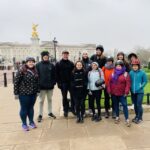
- Small group (max 8): more time for your questions and more chances to refine your approach
- Pre-sent photo feedback: Cyrus and Marc go through your images and give practical guidance
- On-street assignments: you shoot with constraints that make learning happen faster
- Fewer-crowd vantage points: you’ll head to spots where it’s easier to focus on the frame
- Stranger-shooting confidence: you’ll get safety-minded advice for photographing people respectfully
Fleet Street Starting Point: Why this area works for street shooting
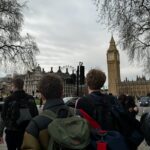
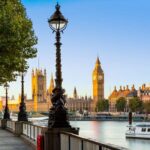
Fleet Street is a smart classroom for street photography because it’s a mix of texture and story—busy enough to learn from, but structured enough to navigate. Starting at Fleet St, London EC4A 2DQ (near public transportation) keeps logistics easy. You’re not spending your morning figuring out where to stand; you’re using the time to practice seeing.
You’ll also be moving around the area rather than staying in one photo spot. That matters because street photography is mostly a decision-making skill: where to wait, when to move, how to read the light, and how to notice subject moments before they vanish. A guided walk helps you build that instinct without guessing.
The workshop is also designed so you’re not only chasing landmark views. You’re learning to pick subjects, work with light and color, and make your frame feel intentional—even when the street scene is chaotic.
You can also read our reviews of more photography tours in London
Meet Cyrus and Marc: Coaching that helps you actually improve
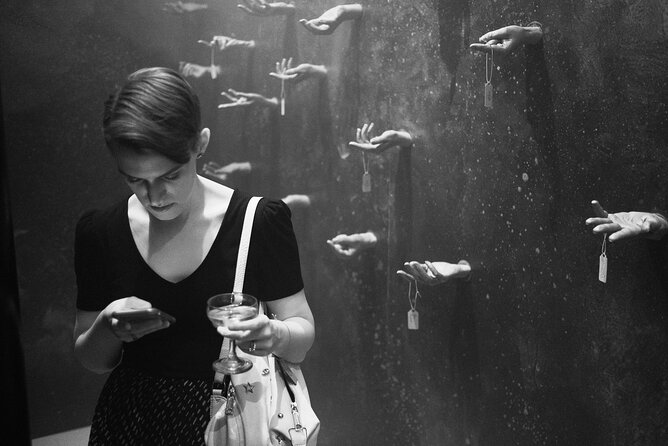
Cyrus and Marc run the workshop like working photographers, not like slideshow teachers. The tone is relaxed but focused. You’re encouraged, but you’re also asked to think: what’s the subject, what’s the story, and how does your composition guide attention?
A big part of why this works is the way the feedback is framed. The workshop is built for people who feel uncomfortable shooting strangers or who think their photos are just average. If that’s you, you’ll get reassurance with real technique, not generic confidence talk.
From the way the instruction is described, you should expect more than one style of guidance. You’ll hear lecture-style lessons on composition and the role of subject matter, then you’ll get critiques that connect those ideas to specific frames you captured. That link—idea to image—is the fastest route to progress.
Pre-workshop photo critique: Getting notes you can use the same day
You’ll be asked to send photos in the night before. Then, during the workshop, Cyrus and Marc review what you brought, discuss what works, and offer gentle advice. This is a powerful format because you’re not starting from scratch. You already have real material to study, and you get a third-party eye on what you’re doing.
I like this approach because it turns critique into a tool, not a verdict. Instead of only talking about photography in the abstract, you see examples from your own work. You can immediately correct patterns—like unclear subject focus, weak use of light, or compositions where the background is stealing attention.
Expect the critique to be structured. There’s time for discussion of what’s strong, and time for next-step suggestions. The goal is that by the time you head back out to shoot, you have a checklist in your head that feels doable.
What you’ll learn on composition, light, color, and subject focus
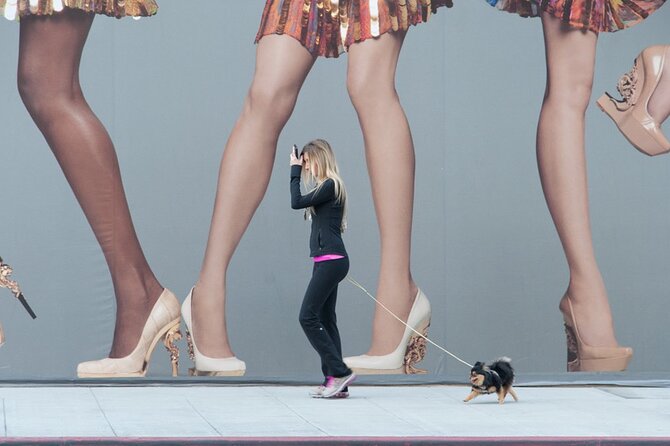
The teaching covers several core ideas that street photographers use all the time, even when they don’t realize it. You’ll get guidance on composition, the importance of the subject, and how to create impact using light and color.
Here’s what that means in real-world street terms. Light isn’t just about “golden hour.” It affects contrast, mood, and how people pop from the background. Color affects whether the scene feels cohesive or messy. Composition affects what your viewer’s eye lands on first—and whether they stay there.
You’re also pushed to think about subject matter, not just scenery. London streets offer endless visual noise, so the workshop trains you to decide what matters. That skill makes your photos feel less like random snapshots and more like deliberate scenes.
And because this is a workshop, not a lecture, you won’t just hear these concepts. You’ll carry them into on-street assignments designed to make you practice.
On-street assignments: Learning by doing under gentle pressure
During the workshop, you’ll head out on assignments. This is where the day gets intense—in a good way. The idea is that you’ll shoot while being guided toward specific learning goals, then return for more discussion and critique.
Assignments work because they remove the option to drift. If you’re new, street photography can feel like you’re just walking around and hoping for a moment. Constraints fix that. You start looking for the exact kind of scene or composition you’ve been working on.
You should also expect more criticism during the day. The workshop is not shy about feedback, which is exactly what makes it useful. If you want improvement, you need a loop: shoot, review, adjust, shoot again.
One extra detail that shows the workshop’s mindset: talks are included to help you avoid the problems that commonly hold people back. You’ll also be encouraged to look at the instructors’ work, though criticism of it is optional. That can help you see how strong frames are built—without treating the instructors like untouchable celebrities.
You can also read our reviews of more tours and experiences in London



Lesser-known vantage points: Less crowd stress, more picture time
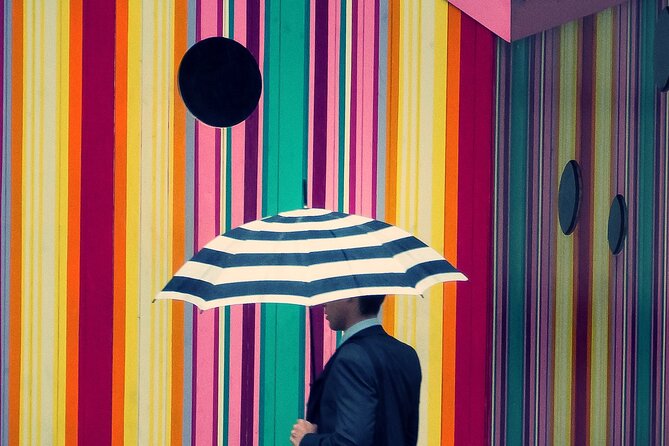
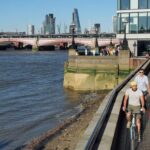
A stated highlight is heading to lesser-known vantage points so you can snap photos with less crowd pressure. That’s more than a nice perk. Crowds change behavior: people block frames, background noise rises, and you stop concentrating on your subject.
With fewer crowds, you can focus on timing. Street photography is often about anticipation: a face turns, a gesture lands, light shifts, or someone steps into your frame. If you’re constantly fighting other photographers, those moments pass.
These quieter spots also make it easier to practice approaching scenes with confidence. If you’re nervous about photographing strangers, less chaos on the street can make the whole process feel more controlled. You’ll still be working with real public space—just with better odds of getting clean, readable images.
The 6-hour rhythm: A full day of shooting, lectures, and critique
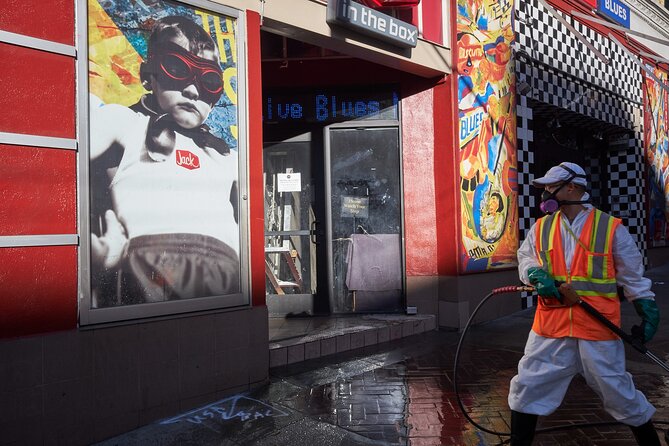
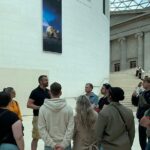
This is an approximately 6-hour session that mixes rooms-based learning with time on the streets around Fleet Street. The workshop includes lecturing and critiquing, plus discussion of photographs and technique. You should expect a steady flow—shooting, then stopping to analyze, then heading out again.
One honest caution: the day won’t slow down to let you perfect every frame. It’s set up so you practice more than you edit. The description even hints that there won’t be enough time to do all the shooting, editing, critiquing, talking, and looking at everything you might want to review. That can feel like a tradeoff, but it’s also the point. You leave with momentum and new targets for your next shoot.
If you like structured learning with feedback, this pacing is a win. If you want a leisurely, take-your-time photo walk with zero critique, you might find it more intense than expected.
What to bring (and how to prepare) so you get full value
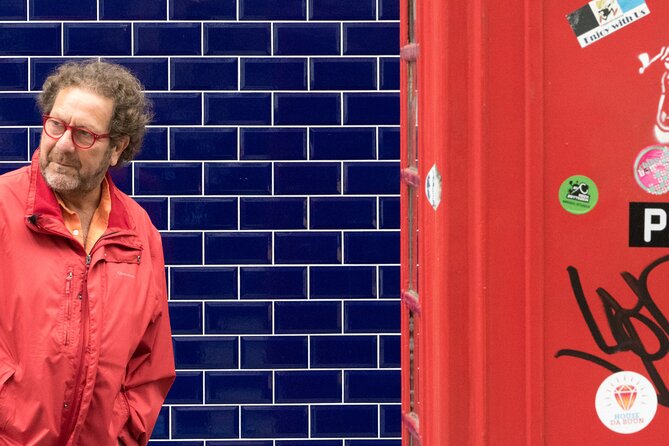
You’ll need to bring a camera or iPhone. The workshop isn’t set up as a gear lesson, so come ready to shoot. If you can, bring the device you’re most comfortable using daily—street photography is hardest when you’re busy fighting settings.
Before you go, prepare any photos you’re able to send in advance, since you’ll review them during the session. That’s where you get personalized attention quickly, because the feedback is based on your actual frames rather than generic examples.
Also, wear shoes you can walk in. You’ll be moving around Fleet Street and doing on-street assignments. Even when the distance isn’t huge, street photography means stopping, waiting, and repositioning fast.
Safety and confidence: Photographing strangers without freezing
For many people, the hardest part is emotional, not technical. You might feel scared photographing strangers, or worry you’re being intrusive. This workshop directly addresses that fear by showing you how to photograph safely.
The training is practical and calming. It’s also framed for people who feel uncomfortable at the start. Over the course of the day, you should feel more at ease because you’ll understand what to do and how to think while you’re approaching scenes.
A key benefit is confidence-building through feedback. When you see what works in your own images, it becomes easier to trust your eye. That’s especially true for beginners to intermediate photographers, who often know they have good instincts but lack the technique to turn them into consistent results.
Who should book this London street photography workshop
This workshop is best for you if you want to improve fast with real feedback and you’re open to critique. It’s a great fit for beginner to intermediate photographers because it combines basic concepts—composition, subject focus, using light and color—with practice that pushes you beyond safe habits.
It’s also a good match if you’re nervous about street photography. The guidance is built for people who think their photos are average or who feel uncomfortable photographing strangers. With a small group, you won’t be lost in the crowd, and you’ll have more opportunities to ask questions.
If you’re an advanced photographer looking for very niche, highly technical topics (like advanced lighting setups or deep post-processing workflows), you might still enjoy it—but the day is intentionally focused on street practice and feedback, not equipment engineering.
Should you book? My take on the value
I’d book this workshop if your goal is to come home with better street photos and a clear plan for what to shoot next. The value is the coaching loop: critique based on your work, then on-street assignments that let you apply it immediately.
The small group size (max 8) is a big deal here. It means the instructors can spend time with your questions, not just do a general talk. The workshop also adds variety: studio or room-based critique plus walking and shooting around Fleet Street, including suggestions for lesser-known vantage points.
If you hate critique, or you want a purely self-directed photo walk, this might feel too structured. But if you want to learn how to see and shoot with confidence, Cyrus and Marc’s approach is exactly the kind of focused practice that pays off quickly.
FAQ
How long is the Street Photography Workshop in London?
The workshop lasts about 6 hours.
Where does the workshop start?
It starts at Fleet St, London EC4A 2DQ, UK.
What time does the workshop begin?
The start time is 10:00 am.
Is there a maximum group size?
Yes. The workshop has a maximum of 8 travelers.
What language is the workshop offered in?
The workshop is offered in English.
Do I need to bring a camera or iPhone?
Yes. You need to bring your camera or iPhone.
Will my photos be reviewed during the workshop?
Yes. You’ll go through photographs you sent in the night before, with discussion and feedback.
Does the workshop include lectures and critique?
Yes. Lecturing and critiquing are included, and you’ll also cover topics like composition and the role of subject matter.
Are service animals allowed?
Yes, service animals are allowed.
What is the cancellation policy?
You can cancel for a full refund if you cancel at least 24 hours in advance. If you cancel less than 24 hours before the experience’s start time, the amount you paid is not refunded.