REVIEW · LONDON
Beatles London Walking Tour of Soho and Apple Studios
Book on Viator →Operated by Brit Music Tours · Bookable on Viator
Beatles time travel is on foot. This 2-hour Soho-and-Apple-Studios style walk turns London streets into a practical music timeline, with sights that connect directly to the band’s world and the machine behind the hits. I love how the tour favors small side streets over obvious landmarks, so you get that I-walked-right-into-the-story feeling fast. I also like the way the guide blends humor with solid Beatles-and-London context, so it stays fun even if you’re not a deep-cut collector.
My other favorite part is the stop-by-stop pacing. You spend the longest stretch in Soho, including music venues and studio-related details, then you hop to Mayfair for a rooftop moment and St. James’s for John and Yoko’s first meeting. One thing to consider: it’s a walking tour with set stops, so if you want lots of free time wandering on your own, you may feel a little “on schedule.”
Quick hits before you go
- Soho first, long stop: 1 hour 30 minutes centered on music venues, studio talk, and the business side of Beatlemania
- Mayfair rooftop viewpoint: You look up at the roof where the Beatles played live together for the last time
- John and Yoko connection: A St. James’s stop tied to Yoko’s art exhibition and their first meeting
- Small groups: Max 20 people makes it easier to hear the guide and stay engaged
- A guide you’ll remember: Names like Michael, Charlie, Tim, Rob, Jess, and Spencer K Gibbins show up in high praise for energy and detail
In This Review
- Soho Side Streets: Why This Walk Works
- Stop 1 in Soho: Studios, Jazz, and the Business Behind the Music
- The studio talk isn’t just trivia
- Ronnie Scott’s and the 1960s music engine
- The money side: spin-offs and royalties
- What to watch for during this long segment
- Mayfair Rooftop: Looking Up at the Last Live Moment
- St. James’s John and Yoko: From an Art Exhibition to an Enduring Story
- The Guides: Humor, Pace, and Facts That Stick
- Pace that doesn’t drag
- Personal stories add texture
- Price and Value: $18.71 for a Two-Hour Beatles Hit
- How to Get the Most Out of the Walk
- Who Should Book This Beatles London Walking Tour
- Should You Book It?
- FAQ
- Where does the tour start?
- Where does the tour end?
- What time does the tour begin?
- How long is the tour?
- How much does it cost?
- Is a guide included?
- Is the tour offered in English?
- Are there admission fees at the stops?
- How big is the group?
- Are service animals allowed?
- Is gratuity included in the price?
Soho Side Streets: Why This Walk Works
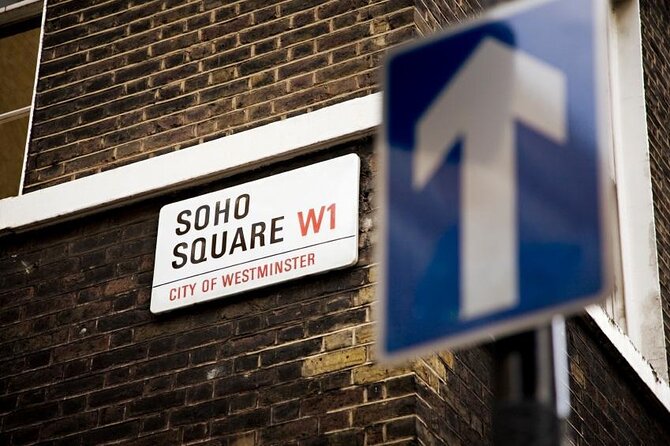
This tour is built around one smart idea: don’t just see Beatles plaques—walk the neighborhoods that shaped the sound. Soho is a natural choice because it’s where a lot of London’s music industry energy lived in the 1960s. The walk format helps because streets, signs, and building shapes matter when you’re trying to picture the era.
I also like that this is not an all-day slog. At about 2 hours, you get a concentrated hit of key locations without spending your entire morning in shoes that look like they lost a fight. The route starts at 224 Piccadilly, which is handy if you’re already near central London transit, and it ends near Green Park.
The other reason this works for many people: the guide doesn’t treat the Beatles as a museum case. Instead, they explain how the music world functioned—venues, studios, and the money side—so you finish with a clearer picture of how the whole scene operated.
Stop 1 in Soho: Studios, Jazz, and the Business Behind the Music
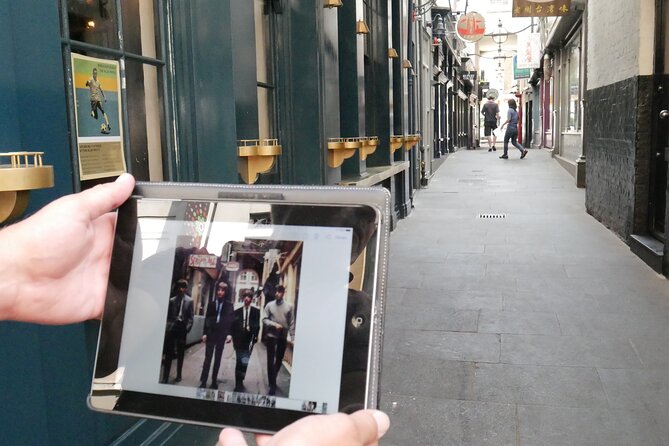
You spend about 1 hour 30 minutes in Soho, and that time shows. The guide leads you through tiny side streets with sites that can be easy to miss if you’re just walking independently. You’re meant to notice the little things: street scale, the feel of the blocks, and how the area connected studios, stages, and late-night conversations.
You can also read our reviews of more walking tours in London



The studio talk isn’t just trivia
One of the big themes here is a discrete recording studio that was used by the Beatles and other major artists like Queen, Elton John, and Rod Stewart. Even if you’ve seen photos of famous music places, the tour’s approach is different. It’s not just naming a location; it’s giving you context for why the studio mattered to the whole ecosystem—songwriting, recording, and the push-and-pull between artistic control and commercial success.
That matters because the Beatles story isn’t only about melodies. It’s also about production, collaboration, and repeatable processes that let the band keep creating at a massive scale.
Ronnie Scott’s and the 1960s music engine
Soho’s role as the beating heart of the music industry gets emphasized in a very practical way: you hear about the jazz culture that surrounded pop success. One specific stop point highlights Ronnie Scott’s, the famous jazz club that the Beatles were known to frequent. This is a smart inclusion. It reminds you that rock wasn’t floating alone—there were cross-currents of style, audiences, and musicianship all mixing in London.
The money side: spin-offs and royalties
Here’s another reason I like this stop: it looks at the business behind the Beatles, including their spin-off companies and royalties. If you’ve ever wondered why a band’s cultural impact turns into long-term industry power, this portion gives you a starting map. You don’t need an MBA to get it; the guide frames it so you understand the basics while still enjoying the walk.
For value, this portion is huge. A low-price walking tour like this rarely spends time on how royalties and company structures shape what happens next. Here, it’s part of the entertainment.
What to watch for during this long segment
- The tour is built for listening. If you’re the type who takes a lot of photos and stops mid-sentence, you’ll lose some of the thread.
- The streets can be narrow. Keep an eye on your footing and be ready for brief slowdowns around corners.





Mayfair Rooftop: Looking Up at the Last Live Moment
After Soho, you move to Mayfair for a short, focused segment—about 15 minutes. The highlight is a roof where the Beatles performed live together for the last time, described as being in a respectable Mayfair street setting.
The roof detail is important because it changes how you imagine the moment. Instead of treating the event as a distant headline, you get to physically look at the kind of vantage point where a “headline performance” becomes possible. It’s quick, but it gives your mind a visual anchor.
One practical tip: wear something with a comfortable temperature buffer. When you stop for a short viewpoint like this, you might be facing outward and exposed a bit longer than you expect.
St. James’s John and Yoko: From an Art Exhibition to an Enduring Story
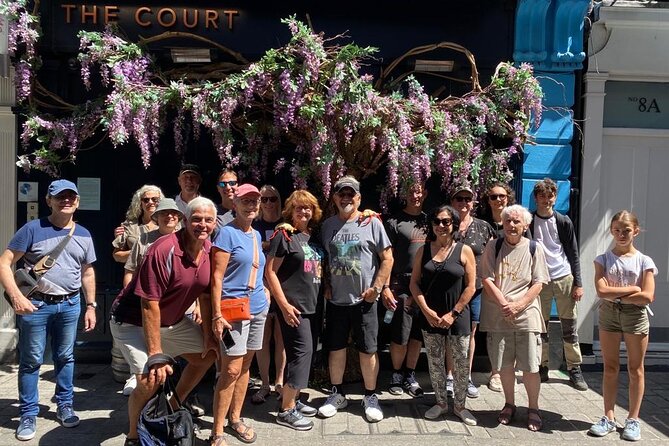
Your final major stop is in St. James’s for about 15 minutes. This part centers on John and Yoko’s first meeting at Yoko’s art exhibition, and how that meeting became the start of their lasting relationship.
I like how the tour connects music culture to the broader art scene instead of keeping everything in a single lane. The Beatles aren’t only a band; they’re a cultural event, and their story crosses into art and public life. This segment helps you understand that the “Beatles world” wasn’t limited to guitars and stage lights.
This stop is shorter by design. It’s meant to be a clean emotional and narrative wrap to the walk: Soho for the music industry and creative infrastructure, Mayfair for a major live moment, then St. James’s for the human story that readers of Beatles lore usually find central.
The Guides: Humor, Pace, and Facts That Stick
A walking tour lives or dies by the guide, and this one has serious momentum in that department. People describe guides like Michael, Charlie, Tim, Rob, Jess, and Spencer K Gibbins as strong storytellers—energetic, funny, and detailed. If you want a tour where you don’t feel like you’re being fed a list, this is the right style.
Pace that doesn’t drag
One theme in the feedback is that time passes quickly. That usually comes from two things: clear explanations and a pace that keeps you moving without rushing you. You get enough time at each stop to take photos and make sense of the story, especially during the long Soho segment.
Personal stories add texture
Spencer K Gibbins specifically gets praise for personal experiences, including stories about working alongside the Beatles themselves and other accomplished musicians. That kind of firsthand angle can make the walk feel less like a slideshow and more like a guided conversation—like the city has a narrator who actually lived the era.
Even if you don’t get a guide with that exact background, the overall guide style is clearly tuned for engagement: humor plus knowledge, and a sense that the Beatles story is tied to real London streets.
Price and Value: $18.71 for a Two-Hour Beatles Hit
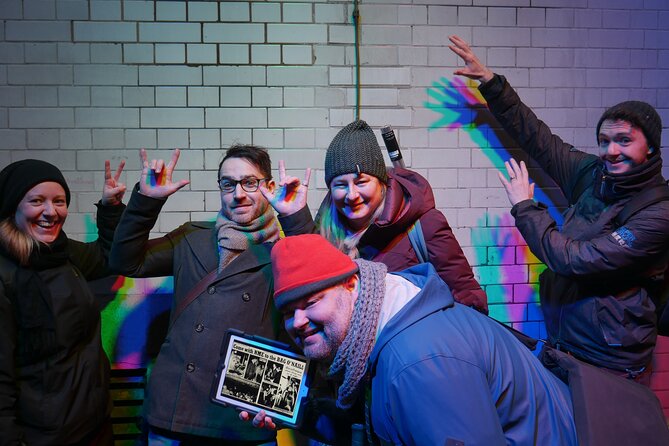
At about $18.71 per person for roughly 2 hours, this tour is priced like a budget-friendly “core experience.” And for that money, you get more than sightseeing. You get a guide, a structured route through three areas, and a mix of music, studio-related details, and business context.
A key value factor: the stops are listed as admission ticket free. So you’re not paying extra just to stand in front of a door or rooftop line. That matters when you’re comparing tours, because many walking tours are cheap but then hit you with “optional” fees.
Group size also supports the value. With a maximum of 20 people, it’s not a sardine-can situation where only the front rows get the good parts.
How to Get the Most Out of the Walk
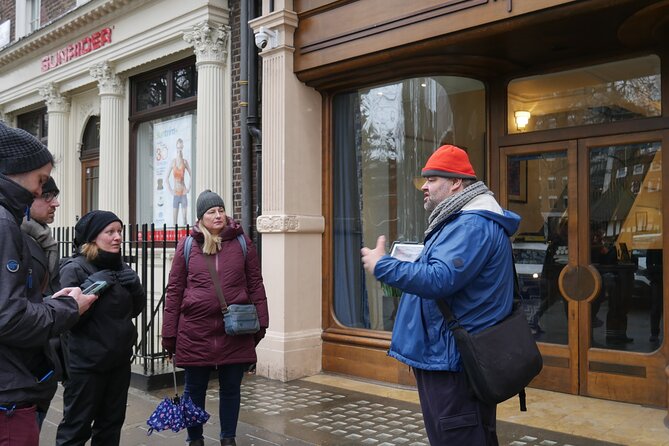
If you want the best experience, bring the right mindset.
First, treat it like a story you’re walking through, not a scavenger hunt. When the guide points out a place tied to a photo or video moment, pause and look around for the angles. That’s how it clicks.
Second, don’t overpack your schedule. If you stack this right before a long museum day, you might feel it in your legs by the second half of Soho. The walk is only about 2 hours, but Soho’s streets can keep you turning your head a lot.
Third, if you care about details, you’ll love the studio and royalties segments. Those sections are where this tour becomes more than “there’s a building; it’s famous.”
Who Should Book This Beatles London Walking Tour
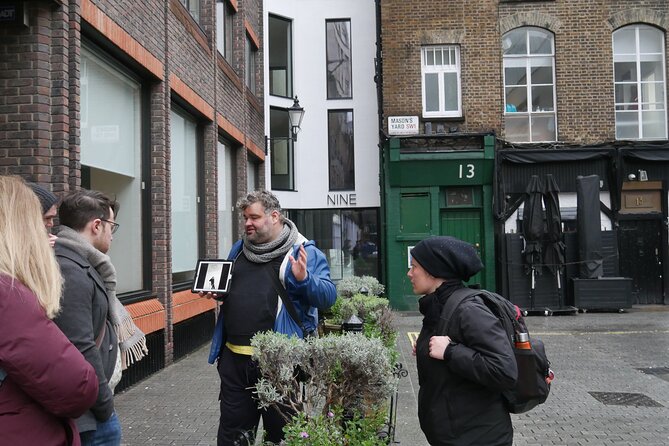
This works especially well if you:
- Love Beatles music but also want the London context around it
- Prefer walking routes that connect the story to real neighborhoods
- Like tours where the guide explains how the entertainment industry works, not just where band members stood
It may be less ideal if you:
- Want lots of downtime and free wandering
- Don’t enjoy music-industry talk or business/royalty explanations
Should You Book It?
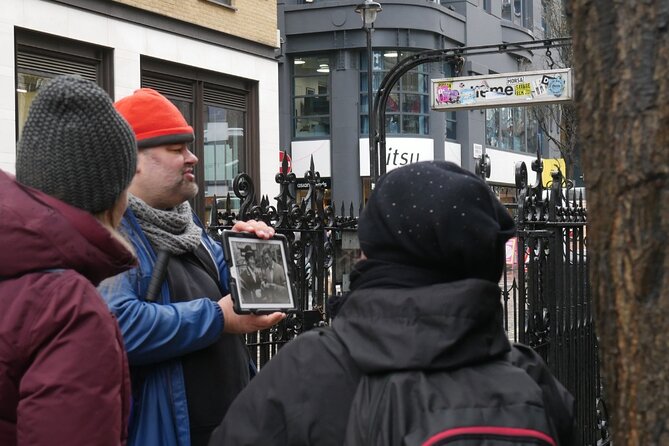
Yes—if your goal is a focused Beatles-and-Soho experience with strong guiding and free stop entries, this is a good bet. The value is strong for the price, and the route gives you a mix: Soho for studio-and-industry context, Mayfair for a rooftop “last live together” moment, and St. James’s for John and Yoko’s first meeting at an art exhibition.
If you’re a serious Beatles fan, you’ll likely appreciate the extra layers—studio references, Ronnie Scott’s connection, and the royalties/business discussion. If you’re newer to the Beatles, you’ll still get a clear storyline without needing to know anything in advance.
FAQ
Where does the tour start?
The tour starts at 224 Piccadilly, London W1J 9HP, UK.
Where does the tour end?
It ends at Green Park Underground Ltd, Piccadilly, London W1J 9DZ, UK.
What time does the tour begin?
The start time is 11:00 am.
How long is the tour?
The duration is approximately 2 hours.
How much does it cost?
The price is $18.71 per person.
Is a guide included?
Yes. A guide is included.
Is the tour offered in English?
Yes, the tour is offered in English.
Are there admission fees at the stops?
The stop descriptions list Admission Ticket Free for the locations included on the route.
How big is the group?
The tour has a maximum of 20 travelers.
Are service animals allowed?
Yes, service animals are allowed.
Is gratuity included in the price?
No. Gratuities are optional and not included.