REVIEW · LONDON
Unveil the Rosetta Stone, Parthenon at British Museum
Book on GetYourGuide →Operated by CENTURION · Bookable on GetYourGuide
A dead language suddenly makes sense. That’s what happens when you hit the Rosetta Stone with a guide who can translate the why, not just the what. I also love that the tour threads together civilizations you might not normally connect, from Ancient Egypt to Assyria, with stop-by-stop explanations that keep the story moving.
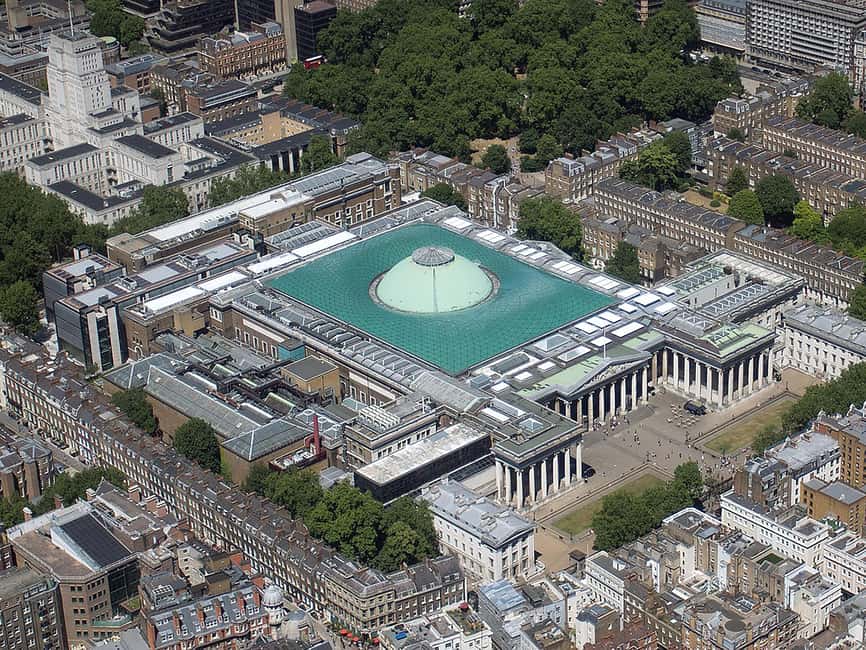
Two big wins for me: you get orientation fast with the Great Court views (yes, that glass roof by Norman Foster), and you leave with clearer context for the museum’s headline objects like the Parthenon sculptures and the Sutton Hoo helmet. One consideration: with only 2 hours, you’re going to see the highlights, not every gallery in the museum. Plan to come back later if you love browsing.
In This Review
- Key Highlights at a Glance
- Entering the British Museum with the Great Court as Your Starting Line
- The Rosetta Stone: Why One Artifact Matters So Much
- Parthenon Sculptures (Elgin Marbles): The Art and the Repatriation Debate
- Ancient Egypt Galleries: Mummies, Burial Beliefs, and What People Wanted
- Sutton Hoo Helmet: A Ship-Burial Treasure from 7th-Century England
- Assyrian Winged Bulls from Khorsabad: Guardians of Power
- Price and Logistics: Is $70.35 Worth It for 2 Hours?
- Who This Tour Suits Best (and Who Should Skip It)
- Should You Book This British Museum Guided Tour?
- FAQ
- FAQ
- How long is the tour?
- Where do I meet the guide?
- Is hotel pick-up included?
- What is included in the price?
- Are food and drinks included?
- What language is the live guide?
- Do I need to bring anything?
- Is the tour private?
- What if I pick a time slot that is not available?
Key Highlights at a Glance
- Rosetta Stone focus: how the inscription becomes the key to reading Egyptian hieroglyphs
- Great Court orientation: a quick route into the British Museum’s most famous space
- Parthenon Sculptures context: the art plus the cultural-heritage debate, explained even-handedly
- Ancient burial stories: Egyptian mummies tied to belief and afterlife ideas
- Anglo-Saxon Sutton Hoo: a 7th-century ship-burial treasure, front and center
- Khorsabad winged bulls: Assyrian palace guardians and what they were meant to do
Entering the British Museum with the Great Court as Your Starting Line
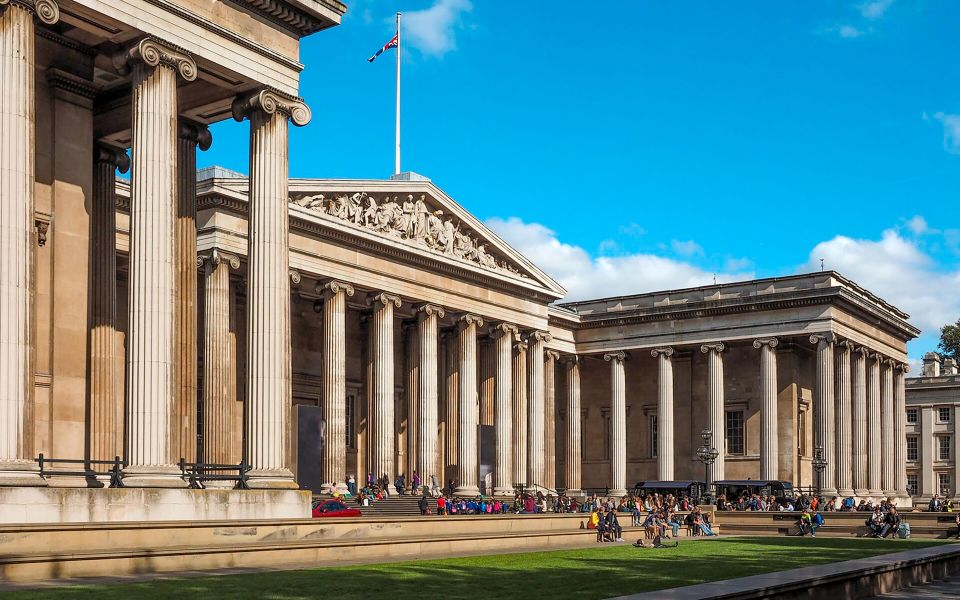
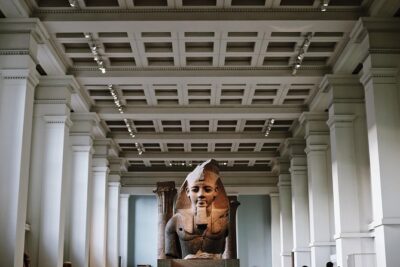
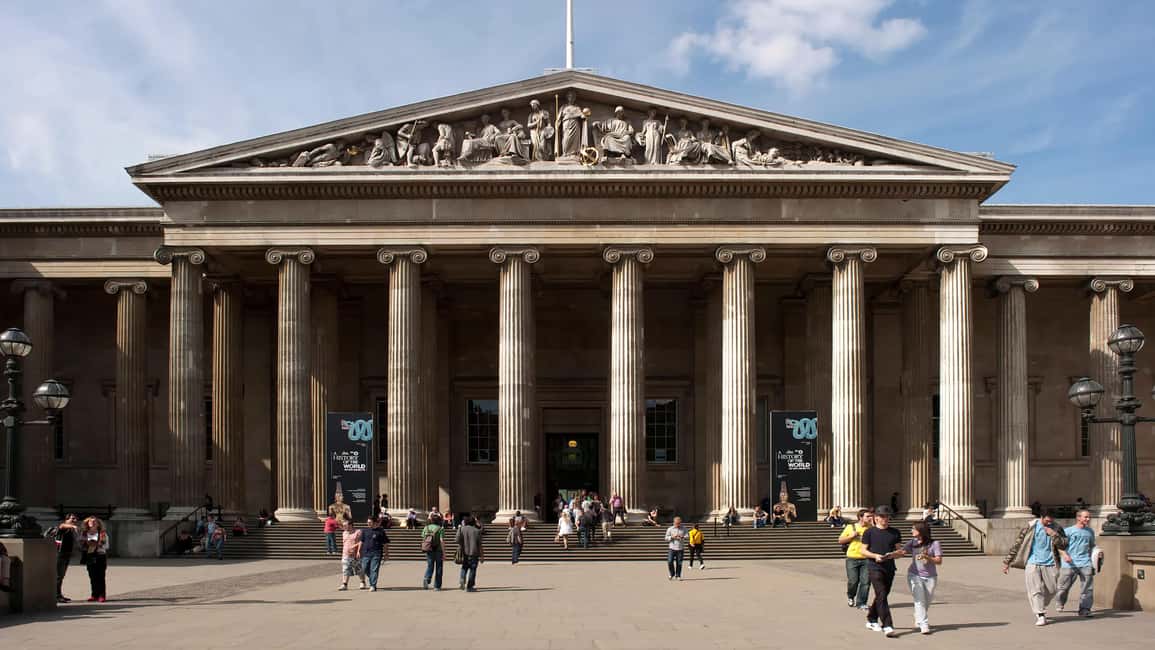
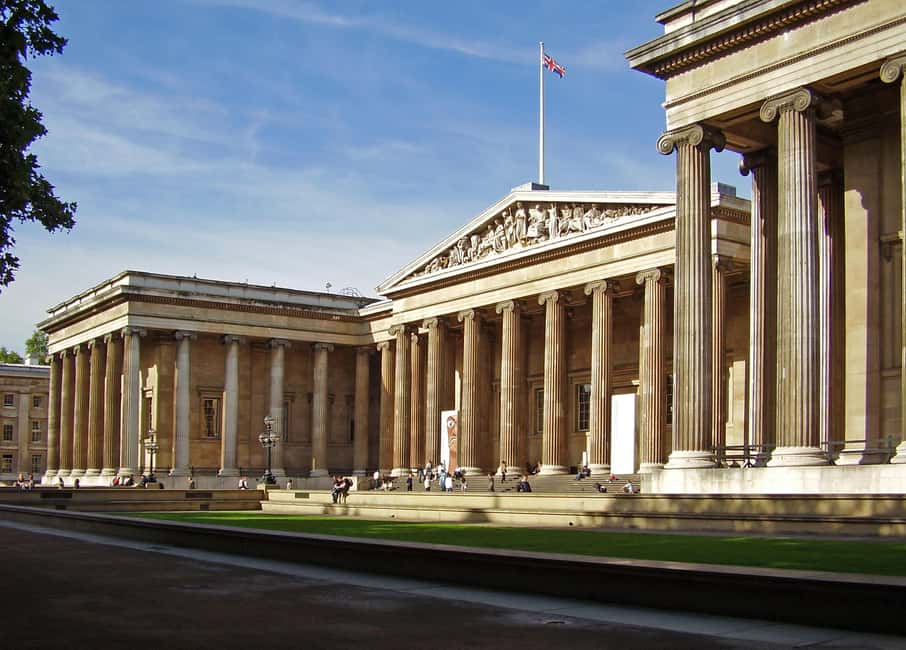
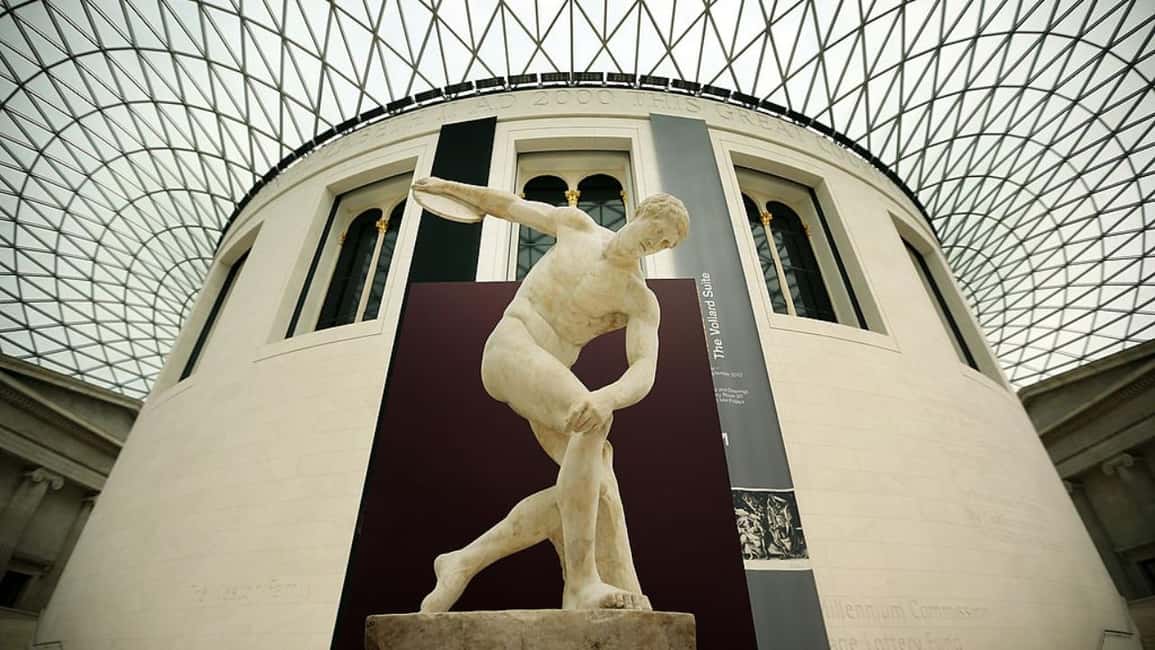
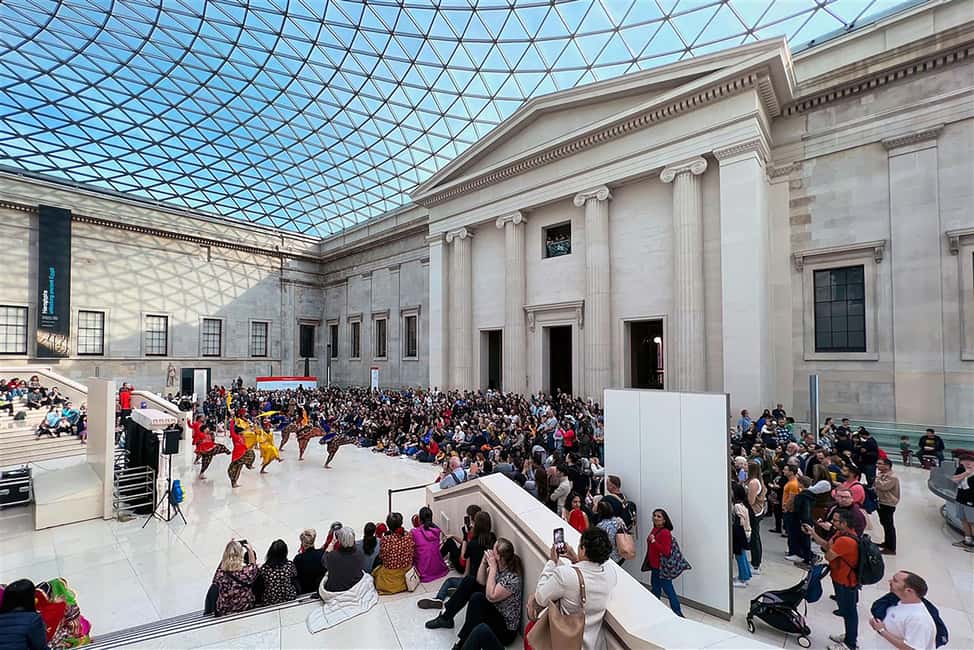
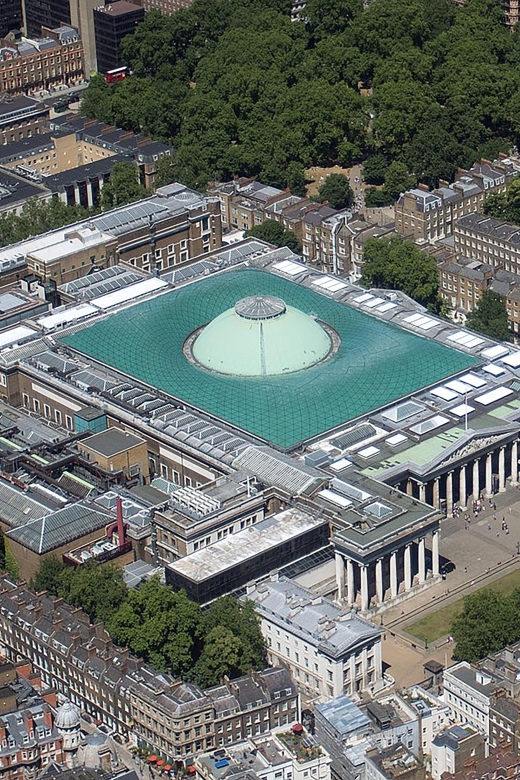
I like starting in the Great Court because it instantly tells you how to move through the British Museum. Before you even reach the famous artifacts, you get that wide, airy view under the glass roof designed by Norman Foster. It’s a practical moment as much as a pretty one: you’re outside the maze for a second, and you can feel how the museum is laid out.
This tour starts at the main entrance, after security checks, and you meet your guide on the stairs. You’ll want to show up early because you’re not just arriving late—you’re also trying to catch the group before the route gets going. Bring your passport or ID card, since the museum security process is part of the rhythm here.
The tour is on foot. Comfortable shoes matter. In a big museum, your legs do the sightseeing even when your eyes want to linger. If you’re the type who stands back, reads slowly, and keeps backing up for one last look, 2 hours may feel fast.
You can also read our reviews of more museum experiences in London



The Rosetta Stone: Why One Artifact Matters So Much
The first true headline moment is the Rosetta Stone. This is the stop you can’t really fake with quick photos, because the value isn’t in the stone being famous—it’s in why it changed the game for reading Egyptian writing.
The Rosetta Stone was discovered in 1799, and it includes the same message in different scripts. That matters because Egyptian hieroglyphs had long been a mystery. With the right comparisons, scholars could connect what they were seeing to real language meaning, and that’s where the breakthrough came from. Your guide will help you understand what made the stone the key, and how historians use objects like this to recover knowledge.
One thing I appreciate here: you’re not left with a trivia fact. You get the human story behind the artifact—how a single discovery can flip research from guesswork to evidence. Even if you know almost nothing about Egyptology, this is a friendly entry point.
Parthenon Sculptures (Elgin Marbles): The Art and the Repatriation Debate

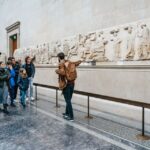
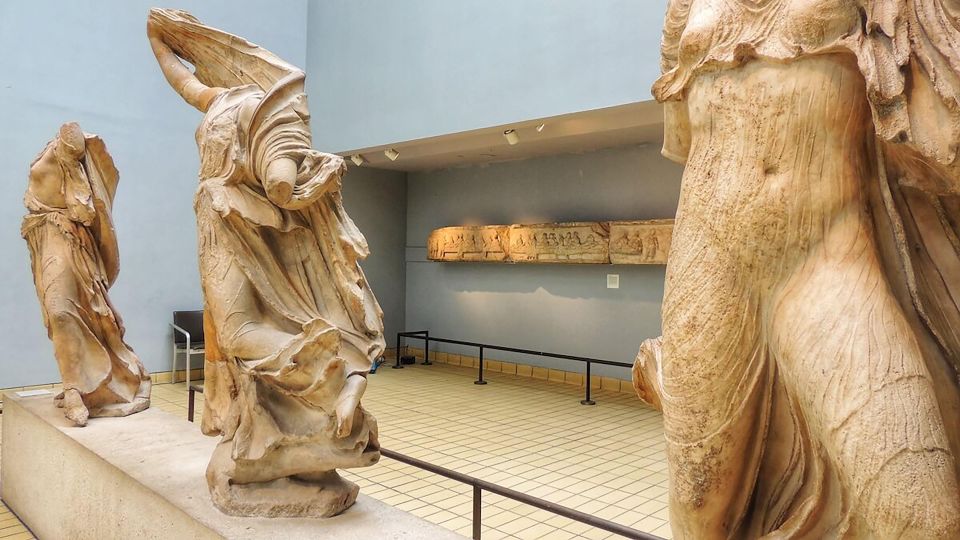
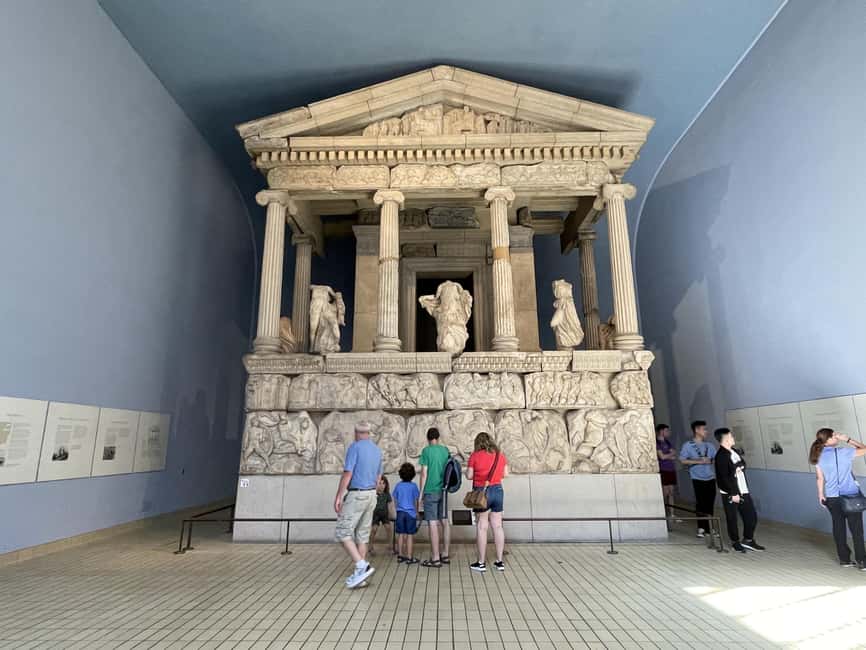
Next comes one of the most discussed stops in the British Museum: the Parthenon Sculptures, often called the Elgin Marbles. The tour treats these as more than museum objects behind glass. They’re framed as pieces of a living debate about cultural heritage.
Here’s the core story you’ll hear: these marble carvings were part of the Parthenon in Athens, and they ended up in Britain through Lord Elgin, the former British ambassador to the Ottoman Empire. That transfer is exactly why people argue about whether they should remain where they are or be returned.
What I like about a guided approach here is that it keeps the conversation grounded. You’ll get a balanced look at why the sculptures are seen as both world-famous art and contested heritage. That balance is useful because it helps you form your own opinion after understanding the main points on both sides, instead of just absorbing one angry sound bite.
If you’re coming into this stop with strong feelings already, you’ll still likely leave with a clearer sense of what’s actually being argued: not just nationalism, but who gets to define ownership, history, and context.
Ancient Egypt Galleries: Mummies, Burial Beliefs, and What People Wanted
Once you move from Greek art into Egypt, the tour shifts gears. The Ancient Egyptian galleries bring you to an especially striking part of the collection: Egyptian mummies and what they reveal about burial practices and beliefs.
Mummies can feel like pure shock value if you see them only as old bodies. With a guide, they come across as something more specific: evidence of ritual, social status, and how people pictured life after death. Your guide explains the burial ideas behind the practices, so you’re not just staring at remains—you’re learning how a society prepared for the afterlife.
This is also a good stop for different learning styles. If you like history facts, you’ll get them. If you like symbolism, the guide’s explanations connect the physical details to the beliefs behind them.
A practical note: this section can involve a lot of looking up close. Take your time, but don’t take forever. The tour needs you moving so you can reach the next major highlights.
Sutton Hoo Helmet: A Ship-Burial Treasure from 7th-Century England
Then the tour steps into Anglo-Saxon England with the Sutton Hoo story. This part is memorable because it’s not just one object—it’s the idea of a burial ship and the treasure placed inside.
At Sutton Hoo, you’re learning about a 7th-century burial ship and the wealth of items recovered from it. The highlight most people remember is the Sutton Hoo helmet—a remarkable piece of craftsmanship that gives you a real sense of skill and status in early medieval England.
What I like here is the contrast. After Egypt and Greece, you get a very different world view and a different kind of historical evidence. With Sutton Hoo, the excitement is in how much you can infer from what was buried, not just from what survives in building ruins or inscriptions. It turns material culture into a story about power, identity, and belief.
If you’re traveling with kids or teens, this stop often works well because it’s dramatic and visual. One thing I’ve seen emphasized with this tour style is the way guides keep younger listeners engaged—quick pacing, clear explanations, and enough energy to hold attention.





Assyrian Winged Bulls from Khorsabad: Guardians of Power
The final major emotional punch comes from the winged bulls from Khorsabad. These colossal statues weren’t random decoration. They were royal guardian figures meant to stand watch at the palace entrance of Assyrian king Sargon II.
Your guide explains what they were designed to do—signal power, protect the space, and reinforce the idea that the king’s world was supported by divine or cosmic order. Once you understand the function, the size feels less like just impressive sculpture and more like deliberate messaging.
I find these a great way to end a short tour because they’re so physical. Even in a museum setting, you can’t miss the scale. And once you see the Assyrian empire through these guardian statues, you’re more likely to notice similar themes elsewhere in the collection.
Price and Logistics: Is $70.35 Worth It for 2 Hours?
At $70.35 per person for a 2-hour guided experience, this isn’t a budget-only outing. But value is strong if you want help turning museum overwhelm into something organized and meaningful.
Here’s what you’re paying for:
- A licensed, specialized guide who connects major artifacts into one chain of ideas
- A tight route through heavyweight objects you’d otherwise have to hunt for
- Time saved in a museum that is huge and easy to wander in circles
If you’re the kind of traveler who likes to pick a few targets and go deep on them alone, you might not need a guided run. But if you’re short on time, new to the British Museum, or you want context fast, this is a practical use of your visit.
Two-hour tours also help you avoid the classic mistake: spending a long time “almost there” before getting distracted by side rooms. Here, the route pushes you to land the biggest moments.
A few practical reminders before you go:
- Wear comfortable shoes; this is on foot
- Plan for walking inside a large museum
- Show up at least 15 minutes early for the meeting point after security
- Don’t plan food around the tour since it doesn’t include meals or drinks
Who This Tour Suits Best (and Who Should Skip It)
This tour is a great fit if you:
- Want a guided highlights route through the British Museum’s most famous objects
- Prefer context and stories over solo wandering
- Are visiting for a limited time and still want to see Egypt, Greece, Assyria, and early England in one outing
You may want to skip or adjust expectations if you:
- Want to browse widely and linger in lots of rooms
- Need wheelchair-friendly access, since it’s not suitable for wheelchair users
- Expect the tour to cover the museum’s full scope—it won’t
If you like your travel with structure but still want a sense of discovery, this hits that sweet spot. And if you’re traveling with a kid, the tour’s entertaining, upbeat guide style can be a big advantage.
Should You Book This British Museum Guided Tour?
I’d book it if you’re visiting the British Museum as a top priority and you want the fastest path to the most talked-about artifacts with real explanation behind them. The strongest reason is the mix: you get the famous Rosetta Stone breakthrough story, the Parthenon sculptures debate explained in a balanced way, and then the tour keeps going to Egypt, Sutton Hoo, and Assyrian guardians.
I wouldn’t book it if you’re planning to spend your day soaking up smaller rooms and reading lots of plaques at your own pace. This tour is about focus, not total coverage. Think of it as your museum “greatest hits” with enough context to make the objects stick.
FAQ
FAQ
How long is the tour?
It lasts 2 hours.
Where do I meet the guide?
Meet your guide on the stairs at the main entrance after security checks.
Is hotel pick-up included?
No, pick up from the hotel is not included.
What is included in the price?
You get the British Museum guided tour and online support at the time of boarding the tour.
Are food and drinks included?
No, food and drinks are not included.
What language is the live guide?
The live tour guide speaks English.
Do I need to bring anything?
Bring a passport or ID card.
Is the tour private?
No, the tour is not private.
What if I pick a time slot that is not available?
If your chosen time isn’t available, you’ll be transferred to another time on the same day (for example, moving to the first available slot). For last-minute bookings with lack of seats, you may be placed on the day following the booked date.