REVIEW · LONDON
7 Day Winter Tour of England and Scotland starting from London
Book on Viator →Operated by goEUgo International Limited · Bookable on Viator
England and Scotland in one week.
This winter tour stitches together the big-name hits—Westminster landmarks, Cambridge colleges, York Minster, and the castles of Edinburgh—without you juggling trains or timetables. I especially like the guided walking-style sights in London on Day 1 and the “royal trail” energy in Edinburgh (Edinburgh Castle plus Holyrood). The main drawback to weigh: language support can vary, and groups may be combined if numbers are low.
You’ll also appreciate the simple structure: hotel stays with private facilities, coach transport, and a tour manager, capped at a maximum of 30 people. Still, most attraction entry fees and many meals are not included, so your real cost depends on what you choose to pay for on-site.
In This Review
- Key things to know before you go
- London Westminster to Tower Bridge: your first day’s tight route
- Where this day shines
- Where to be careful
- Cambridge and York Minster: England’s smart history, then medieval walls
- What makes Day 2 feel worthwhile
- Watch-outs
- Edinburgh Castle and Holyrood: Scotland’s highlights in compact form
- The “royal trail” advantage
- Lake District drives and Windermere choices: nature, plus a real theme park option
- How this day can go right
- How this day can feel tough
- Stratford-upon-Avon and Bicester Village: literature stops and designer resets
- Practical budgeting note
- Bibury and Bath: pretty villages, Roman baths, and a gentler pace
- Where you’ll feel the value
- Small caution
- Stonehenge and Windsor Castle: prehistoric awe then royal power
- Timing reality check
- Price and logistics: is $886.19 good value?
- Hotels, rooms, and what to expect in winter
- Language and group-mix risk: the biggest decision factor
- Should you book this 7-day England and Scotland winter tour?
- FAQ
- Where does the tour start and what time?
- What’s included in the tour price?
- Are attraction admission tickets included?
- Do I need to pay gratuities during the tour?
- How much luggage can I bring?
- What kind of rooms are provided?
- Can the tour include mixed-language groups?
Key things to know before you go
- Coach comfort in winter: modern air-con coaches handle long distances so you don’t lose hours switching transport.
- Two big-city walking blocks: London’s Westminster area is covered on foot, then you transition to coach-based sightseeing.
- Real medieval and royal stops: York Minster and the Edinburgh Castle/Holyrood pairing give you that “old Britain” feeling fast.
- Optional add-ons affect your budget: Lake Windermere cruise, Beatrix Potter option, and certain cafés/experiences can cost extra.
- Language can be uneven: goEUgo may combine language groups; if your comfort zone is detailed commentary, plan for some risk.
London Westminster to Tower Bridge: your first day’s tight route
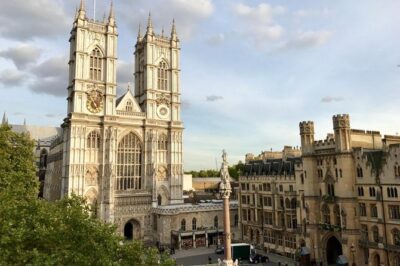
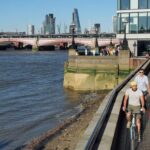
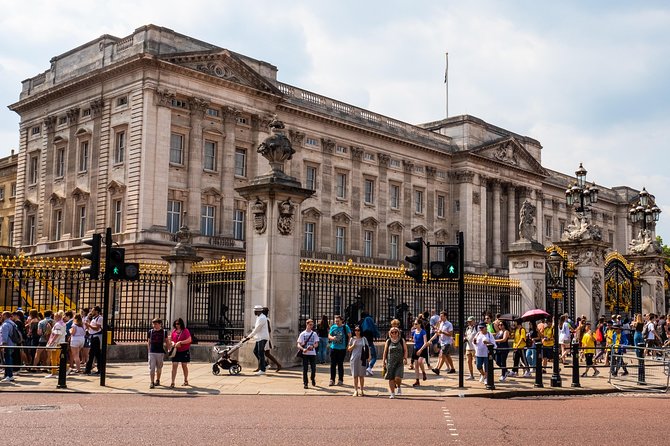
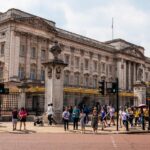
Day 1 is a classic “get your bearings fast” London intro. After breakfast, you do a walking tour passing major landmarks in a logical loop: Big Ben, the House of Parliament, Westminster Abbey, 10 Downing Street, Whitehall, St James’ Park, Buckingham Palace, and along the River Thames.
Two things make this work well in winter. First, you’re on foot where you’re seeing the core sights up close, rather than rushing past them from a window. Second, the order keeps the distances manageable. The tradeoff is simple: this is a sightseeing route, not a long, slow museum day. Many entries are marked as not included, so you’ll mainly be looking rather than going in—unless you decide to spend extra time or upgrade with tickets.
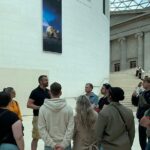
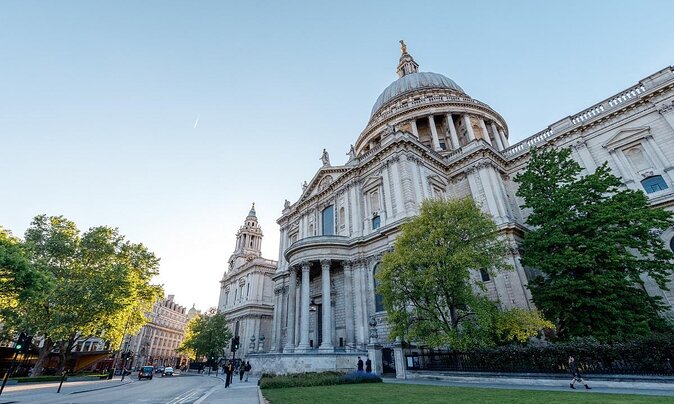
In the afternoon, the pace shifts. You’ll visit the British Museum, and St Paul’s Cathedral is mentioned if there’s enough time. Then you finish with Tower Bridge and the general Tower of London area from the coach—close enough to understand the significance, without committing to a full half-day entry.
Practical tip: since you’re moving between outdoor stops and indoor museums, dress in layers. London in winter can swing from cold damp to sharp gusts, and you’ll be happiest with a coat you can zip up or down quickly.
You can also read our reviews of more tours and experiences in London.


Where this day shines
- It’s a high-efficiency route with lots of iconic “postcard” landmarks.
- If you like understanding how London’s power centers connect (Parliament, royal spaces, government offices), this gives you a clean first map.
Where to be careful
- Since admission tickets are not included for the walk-by sights (and often for the museum/cathedral options), you may want to budget ahead for what you actually want to enter.
Cambridge and York Minster: England’s smart history, then medieval walls
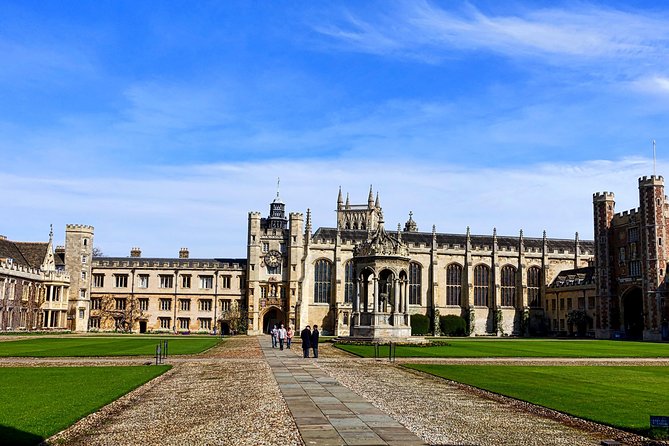
Day 2 moves from London’s politics to England’s education and medieval grit. First up is the University of Cambridge area—King’s College and Queens College are specifically called out. This is less about walking every courtyard and more about getting the vibe: historic stone buildings, famous bridges, and the feel of a university that’s older than many countries.
From there, you head to York. York is described as a layered mix of Roman, Saxon, and Viking history, and the itinerary leans into that. You visit York Minster, identified as the largest Gothic cathedral in northern Europe. Then you step up onto the York city walls, which date back to Roman times.
If you’ve never walked city walls, this is one of those “small effort, big payoff” stops. Walls are made for views, and winter light can make them especially dramatic. You also get some wandering time for small shops.
What makes Day 2 feel worthwhile
- You get two very different “English identity” moments: academic Cambridge and stone-and-history York.
- The Minster plus walls combo gives you a sense of scale you don’t get from just standing outside a building.
You can also read our reviews of more tours and experiences in London

Watch-outs
- Again, entry tickets for major sites are listed as not included. If you want the full experience inside, plan for that cost.
Edinburgh Castle and Holyrood: Scotland’s highlights in compact form
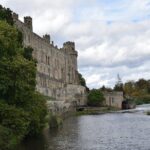
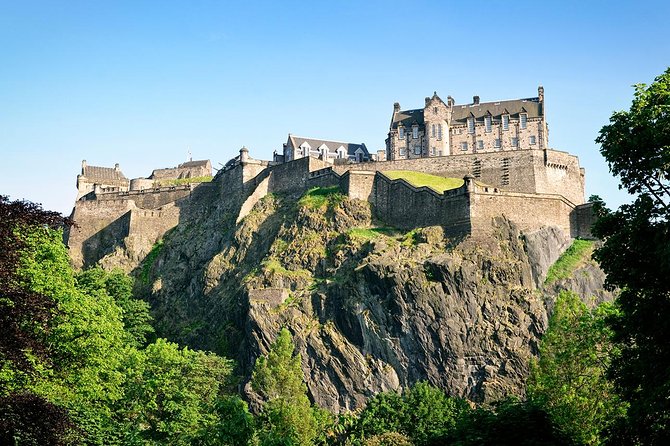
Day 3 is all about Edinburgh. You arrive in the afternoon and first visit Edinburgh Castle, positioned on volcanic rock with big views over the city. The itinerary also highlights the oldest royal crown and jewelry—so when you’re inside, you’re not just touring walls; you’re aiming at the royal core of the place.
Then you continue to Palace of Holyroodhouse and the City Hall. There’s also an optional mention of JK Rowling’s Ivory Café for coffee. Even if you’re not chasing Harry Potter connections, the option is a nice “choose your vibe” moment.
In terms of comfort, this day is winter-friendly because Edinburgh is compact and walkable where it matters. But it’s still hilly, so wear shoes that don’t resent cold steps.
The “royal trail” advantage
Edinburgh Castle plus Holyrood is an efficient pairing. It gives you Scotland’s monarchy story from different angles without forcing you to plan multiple separate outings.
Lake District drives and Windermere choices: nature, plus a real theme park option
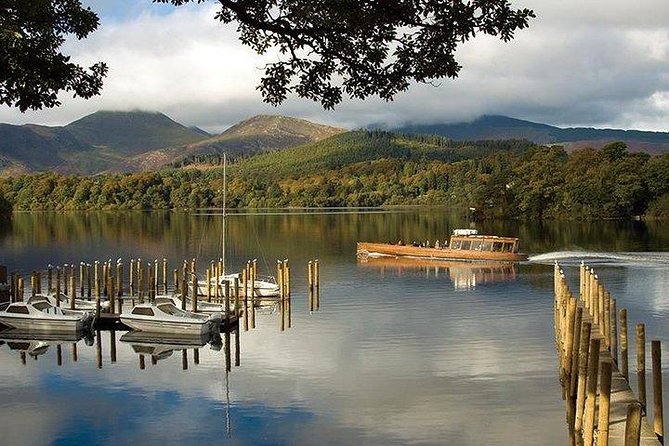
Day 4 shifts gears. You drive to the Lake District National Park and make a stop in Gretna Green—famous for runaway marriages that began in 1754. That’s a very specific bit of Scottish folklore turned tourist tradition, and in winter it’s a good “break your coach day” moment.
Then it’s Lake District time. The itinerary calls it one of the most visited national parks in the UK and focuses on the mix of lakes, valleys, mountains, and waterfalls shaped by geology. You get free time and then a key optional split: you can take a boat cruise on Lake Windermere, or go to the World of Beatrix Potter Attraction.
This optional choice is where you can match the day to your interests:
- If you want big views from the water, pick the cruise.
- If you want something warmer and more structured, Potter’s option can be a better fit on rainy days.
After the Lake District, you head to Manchester, a city described as social, dynamic, and industrial. You’ll have a sense of how the city fits together with sport (Manchester United and Old Trafford mentioned), plus the idea that the area has a real food scene (Chinatown is noted).
How this day can go right
- The Gretna Green stop breaks the long drive.
- Windermere gives you a “winter postcard” feel, even if weather isn’t perfect.
How this day can feel tough
- It’s still a travel-heavy day. If you get motion-sick in winter dark, bring what works for you.
Stratford-upon-Avon and Bicester Village: literature stops and designer resets
Day 5 is a two-part day that mixes cultural England with outlet shopping.
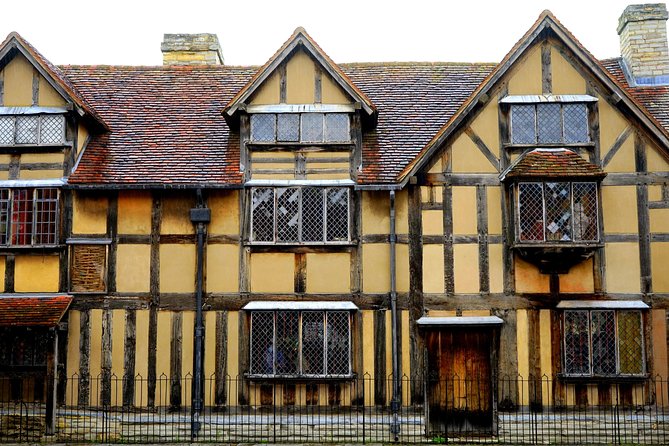
First, you go to Stratford-upon-Avon for Shakespeare’s Birthplace. The itinerary frames it as Shakespeare’s hometown, with cobbled streets, theatres, and drinking dens—so expect a town shaped by its literary brand. It’s scheduled for two hours, which is enough to see the big points and still wander.
Then comes Bicester Village, the outlet shopping center. It’s presented as a planned highlight with more than 130 boutiques and savings up to 60% all year. Famous brands are listed (like Gucci, Armani, Prada, Burberry, and others), and the time is set for two hours.
This pairing makes a lot of sense in real life. Shakespeare gives you the cultural side. Bicester gives you something concrete you can actually use right away—warmer clothes, boots, gifts, stocking-stuffers. In winter, that matters.
Practical budgeting note
Shopping is the easiest part to overdo, because it’s hard to resist when discounts feel huge. Set a rough spending target before you step in.
Bibury and Bath: pretty villages, Roman baths, and a gentler pace
Day 6 is more relaxed, at least in structure. You stop in Bibury—called the most beautiful village in England—with time for a stroll and photos. It’s a short village-style stop, so don’t treat it like a half-day hike. Think: walk a loop, take photos from the best angles, then keep moving.
Next is Bath, a city built around Roman heritage and Georgian architecture. The itinerary points to the Roman baths, the Royal Crescent, and highlights Jane Austen’s house. It also mentions time on the banks of the Avon River, with the suggestion of an English afternoon tea.
This day is a good choice if you want a break from castle-heavy touring. You’ll still be visiting big sights, but the vibe is calmer—ideal for winter fatigue.
Where you’ll feel the value
Bath is the kind of place where one or two great indoor stops (Roman baths area, historic buildings, museums) can make up for a few shorter photo moments elsewhere. You get that balance here.
Small caution
If you’re aiming to see the Roman baths in full detail, remember: admission tickets are not included in the itinerary description, so you may need to pay on-site.
Stonehenge and Windsor Castle: prehistoric awe then royal power
Day 7 stacks two legendary sites.
First, you go to Stonehenge. It’s described as a prehistoric cultural relic and noted as the first UNESCO World Heritage site in the UK. The itinerary also calls out the mystery factor and notes high annual visitor numbers.
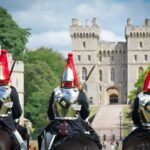
Then you head to Windsor Castle, described as one of the largest and oldest castles in the world and an official royal residence. You’re told you can glimpse 900 years of British history. The itinerary also references St George’s Chapel and mentions the royal wedding of Prince Harry and Meghan.
This is a heavy “big wow” day. Stonehenge can be truly moving even if you’re not a history person. Windsor gives you the other half: the power, the pageantry, and the feeling of monarchy as an operating system, not just a museum label.
Timing reality check
Since admission tickets for both are listed as not included, your experience depends on whether you have the money and energy to go inside at the depth you want.
Price and logistics: is $886.19 good value?
At $886.19 per person for an approximate 7-day tour, you’re paying for fewer moving parts: coaches, a tour manager, hotel nights during the tour window, and 6 breakfasts included. For winter travel across England and Scotland, that’s not a trivial advantage—long-distance logistics are the part that can quietly eat your time and energy.
But you should plan for what’s not included:
- Many attraction admissions are not included (the walk-by sights in London, and major entries like Edinburgh Castle, Stonehenge, and Windsor are all labeled not included in the itinerary).
- Lunch and dinner are not included. The tour leader offers assistance with reservations and directions, but you still need to budget.
- Gratuities are listed as £10 per person per day, collected in cash.
- Accommodation is not included before and on the last day. That matters for your calendar. You may need your own hotel night(s) around the tour dates.
So the value equation depends on your travel style:
- If you’re okay paying for key entrances yourself and prefer the ease of one packaged route, this can feel like a bargain.
- If you want nearly everything included and hate buying tickets, you may feel nickel-and-dimed by extra costs.
Hotels, rooms, and what to expect in winter
You’ll stay in comfortable 3-star (min.) hotels with twin/double/single rooms and private facilities. The tour can book a standard twin room, and a double bed can be requested. Room rules are noted for families (a child may share a twin room without a separate bed up to a certain age range), and triple rooms are limited due to European hotel availability.
Two practical points for winter:
- You’re allowed one luggage item up to 30kg plus one small carry-on.
- Hotel details are provided 24–48 hours before check-in, so don’t expect everything months in advance.
Also, the tour caps at 30 travelers, which usually means you’re not fighting crowds on the bus. Still, it’s a group day-trip style: you’ll be on a schedule.
Language and group-mix risk: the biggest decision factor
The tour company has a specific policy: if there are fewer travelers, they may combine English-speaking customers with Chinese-speaking customers on the same bus. In that case, you’ll have one tour leader able to speak both English and Chinese. They may also combine English and Vietnamese-speaking groups, with two tour leaders in that scenario.
This is helpful on paper because it acknowledges mixed-language reality. The downside is that if your preference is detailed spoken commentary in English all day long, language quality can be uneven. Past feedback tied to this issue is clear: when English wasn’t strong, the sightseeing still looked great, but the explanation felt frustrating.
My practical advice: if language matters a lot to you, check your expectations before you book. Look for proof that your specific departure has enough English coverage, and don’t assume every day will feel equally informative.
Should you book this 7-day England and Scotland winter tour?
Book it if:
- You want a plug-and-play route across England and Scotland without planning every transfer.
- You like a mix of royal sights, medieval stops, and one or two “choose your own adventure” options (like Windermere cruise vs Beatrix Potter).
- You’ll enjoy paying entry fees for the major highlights, while saving time and stress on travel.
Consider skipping or choosing a different format if:
- You need very detailed English narration for every stop.
- You strongly prefer meals and admissions to be fully included.
- Your travel dates don’t leave room for a hotel outside the tour’s included nights (since accommodation before and on the last day is not included).
If you can handle a bus schedule, cold weather layers, and a bit of extra ticket budgeting, this tour can be a solid way to see a lot of icons in a short winter week.
FAQ
Where does the tour start and what time?
It starts at St Pancras International (Euston Rd., London N1C 4QP, UK) and the start time is 9:00 am.
What’s included in the tour price?
The package includes 3-star (min.) hotel accommodations with private facilities, daily transportation on air-conditioned coaches, the services of an experienced tour manager, and breakfast on 6 days.
Are attraction admission tickets included?
No. The itinerary lists admission tickets as not included for multiple sights and options, including major stops like the London landmarks walk, Edinburgh Castle, Stonehenge, and Windsor Castle.
Do I need to pay gratuities during the tour?
Yes. Gratuities are listed as £10 per person per day, collected in cash while on tour.
How much luggage can I bring?
You’re allowed one luggage item up to 30kg and one small hand carry-on (like a purse, backpack, or camera bag).
What kind of rooms are provided?
You’ll get twin/double/single room options with private facilities in 3-star hotels. A standard twin room is booked, and a double bed can be requested.
Can the tour include mixed-language groups?
Yes. If there are fewer travelers, goEUgo may combine English and Chinese speaking customers with one bilingual tour leader, or combine English and Vietnamese speaking customers with two tour leaders who can serve the preferred language.