REVIEW · LONDON
British Museum Tour: Rosetta Stone, Parthenon, Mummies
Book on GetYourGuide →Operated by Move Venezia · Bookable on GetYourGuide
Your afternoon moves fast, in the best way. This British Museum guided tour strings together some of the world’s most discussed objects—Rosetta Stone, Parthenon sculptures, and Egyptian mummies—so you’re not just wandering. I like how it uses a focused route and a live guide, which makes even a giant museum feel doable. One catch: the museum is busy, and if you’re stuck farther back, a softly spoken guide can be hard to hear.
I especially like the way the tour sets up the museum’s big “why”: decoding Egyptian writing with the Rosetta Stone, then shifting gears to burial customs and royal power across different civilizations. The Great Court’s glass roof is another highlight I look for because it gives you a quick sense of the museum’s scale and design. The main drawback is simple—this is a non-private, on-foot tour, and you’ll cover a lot of ground in a short window.
In This Review
- Key highlights to look forward to
- A fast route through the British Museum big leagues
- Meeting on the stairs and getting oriented fast
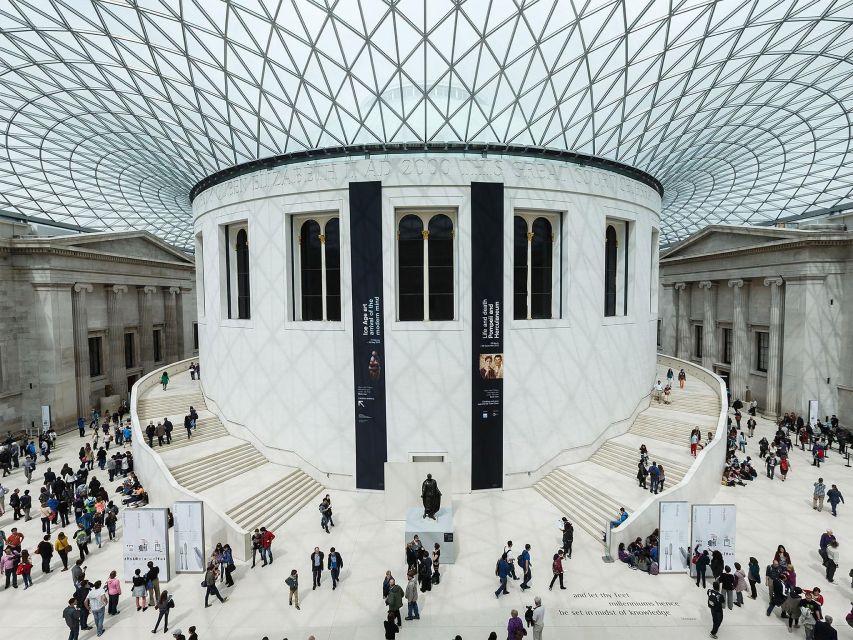
- The Great Court glass roof: the best welcome you’ll get
- Rosetta Stone: the shortcut to hieroglyphs’ backstory
- Parthenon sculptures: art and the uncomfortable debate
- Egyptian mummies: burial practice you can actually understand
- Sutton Hoo treasures: Anglo-Saxon power in a few rooms
- Winged Bulls of Khorsabad: Mesopotamian art with scale
- Price and logistics: what you’re really paying for
- The biggest practical considerations (so you don’t get annoyed)
- Who this tour suits best
- Should you book this British Museum tour?
- FAQ
- How long is the British Museum tour?
- What language is the live guide?
- Where do we meet the guide?
- What should I bring to the museum?
- Is the tour private?
- What’s included in the price?
- What’s not included?
- Is the tour suitable for wheelchair users?
Key highlights to look forward to
- Rosetta Stone context: you’ll learn why it matters for deciphering Egyptian hieroglyphs
- Parthenon sculptures with history attached: including how Lord Elgin took them from Athens
- Mummies and burial artifacts: a close look at Egyptian funerary beliefs and craftsmanship
- Sutton Hoo treasures: early Anglo-Saxon burial finds packed into the same route
- Khorsabad Winged Bulls: monumental Assyrian artwork with palace-guard symbolism
A fast route through the British Museum big leagues
The British Museum can eat a whole day. This tour gives you a concentrated hit of major galleries in just 2 hours, with a licensed guide steering the conversation so you know what you’re looking at. That matters here, because it’s easy to stare at impressive artifacts and still feel like you missed the point.
I like that the focus stays tight: Egypt, Greece, and then a jump to other ancient power centers. You get variety without getting lost in the museum’s endless corridors. Just keep your expectations realistic—this is not the “see everything” option.
You can also read our reviews of more museum experiences in London



Meeting on the stairs and getting oriented fast
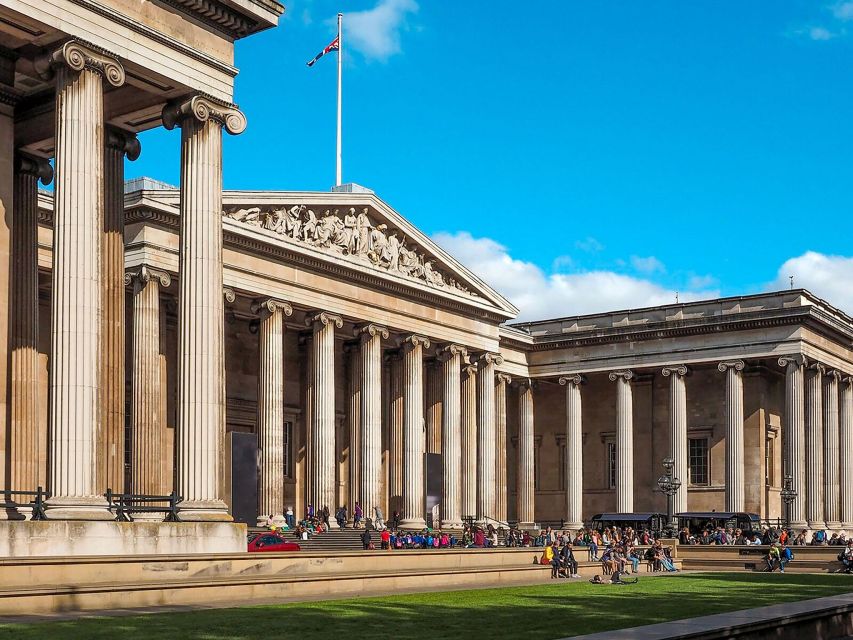
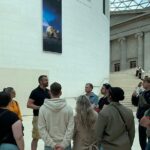
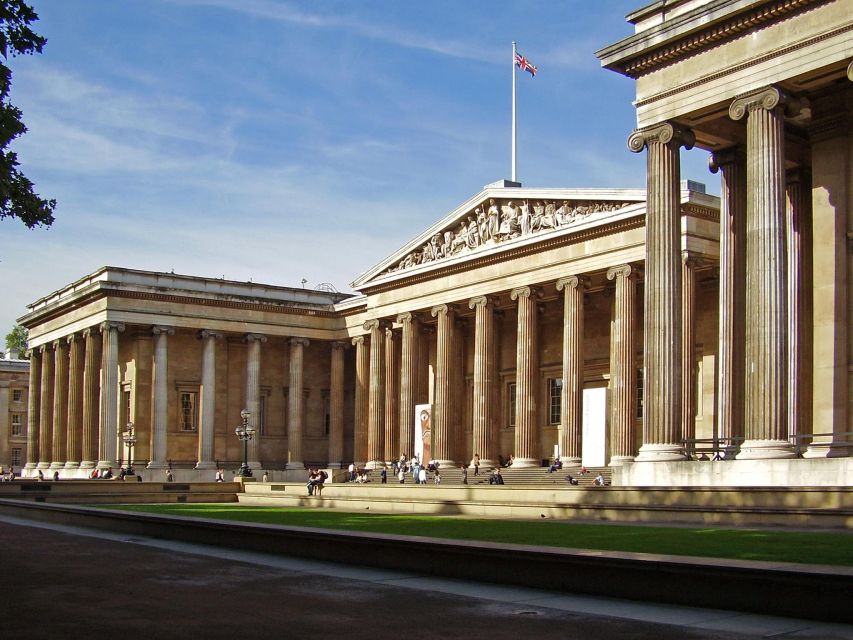
You start at the British Museum main entrance, meeting your guide on the stairs after security. Arrive at least 15 minutes early so you’re not stressing over the queue and locating your exact spot.
From there, you’re walking. Comfortable shoes are a must, because the museum is huge and your time is limited. Plan to stay aware of your group pace—once you fall behind, it can be tough to catch up at crowded museum bottlenecks.
The Great Court glass roof: the best welcome you’ll get
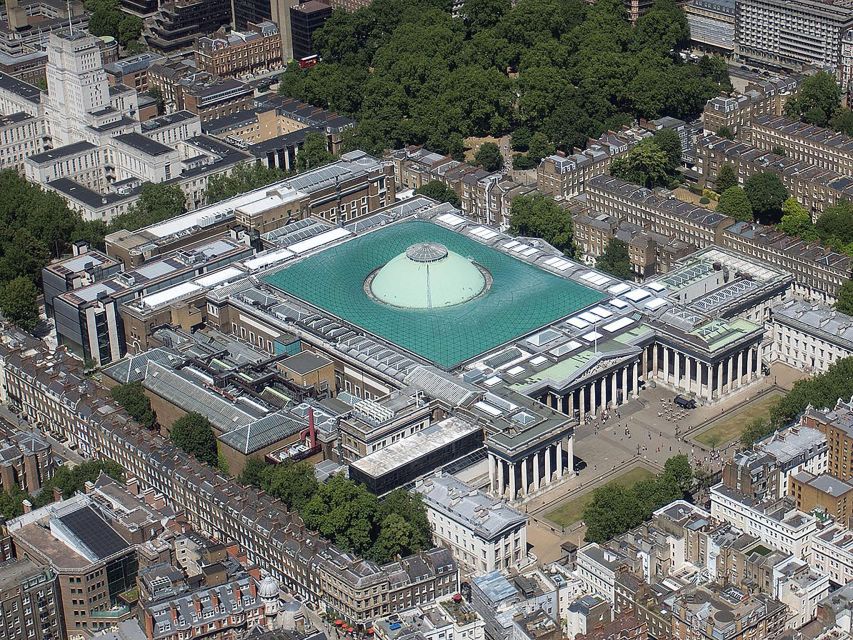
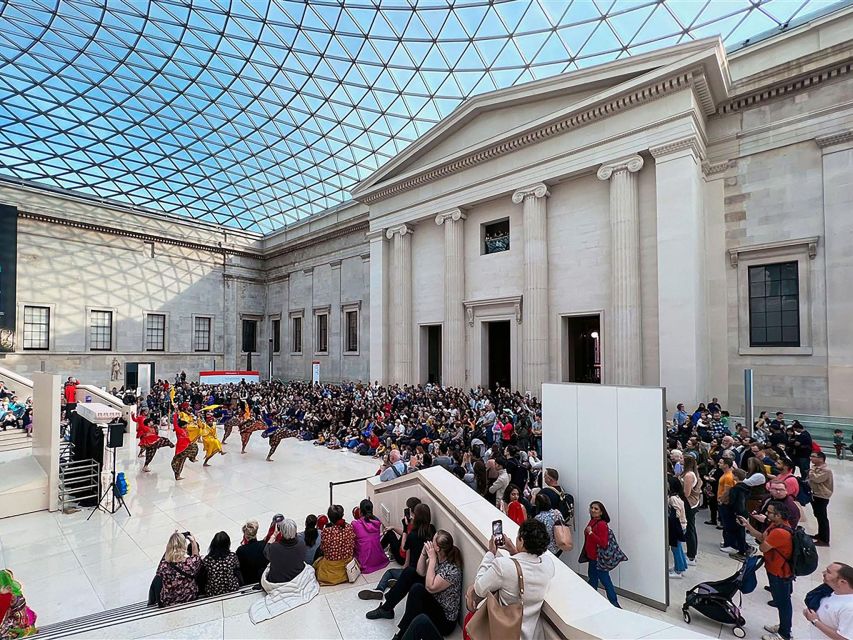
Before you get stuck into objects, you’ll get the architectural payoff: the Great Court and its glass roof. This is one of those places where looking up changes how you experience the building, since you can see how the space connects galleries and levels.
I like treating the Great Court as your reset moment. It helps you understand the museum’s layout quickly, so later you spend less time searching and more time absorbing what the guide is pointing out.
Rosetta Stone: the shortcut to hieroglyphs’ backstory
The tour’s Rosetta Stone stop is the “how did we figure this out?” moment. The Rosetta Stone is famous because it was key to deciphering Egyptian hieroglyphics, which means it played a major role in unlocking Egyptian written language for modern study.
What I like here is that the guide doesn’t just name-drop. You should come away understanding the artifact as a bridge between eras—an object that helped scholars translate the past rather than leaving it sealed off.
If you want to remember one thing from the tour, make it this: you’re not only looking at a stone, you’re looking at a turning point in how people learned to read Egypt.
Parthenon sculptures: art and the uncomfortable debate
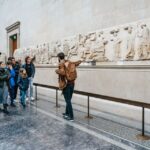
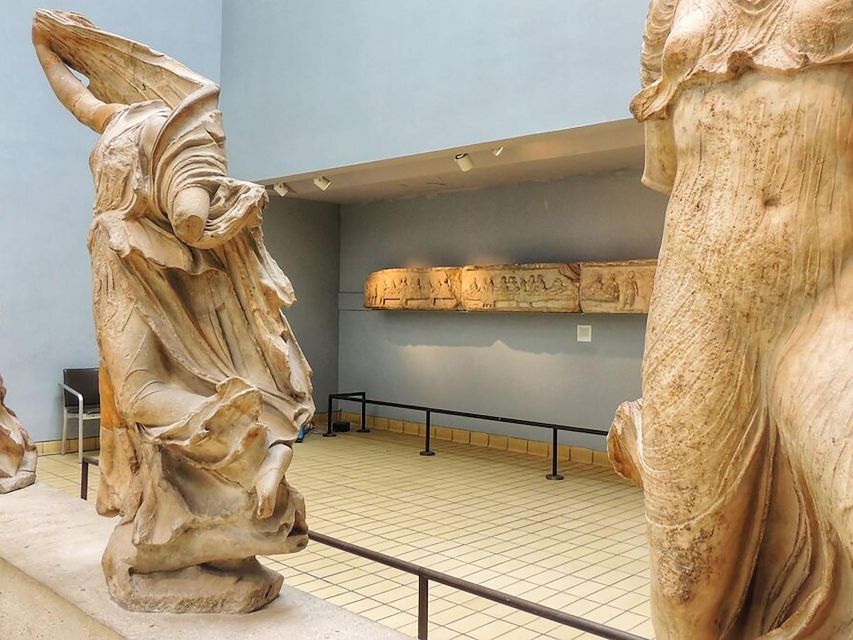
Next comes the Parthenon sculptures, which come with a built-in discussion. The guide explains they were removed from the Parthenon in Athens by Lord Elgin, the British ambassador to the Ottoman Empire, and later brought to the British Museum.
That story matters because it turns the gallery into more than a museum display. It becomes a live question about cultural ownership, historical power, and how museums shape public memory. Even if you’re not into art theory, you’ll understand why this collection is controversial as soon as the context is laid out.
Practical tip: this is often a popular photo stop. Give yourself a moment to read what’s in front of you, even if you’re not taking pictures, so you don’t miss the guide’s context while the crowd swirls.





Egyptian mummies: burial practice you can actually understand
The Egyptian section focuses on mummies and burial artifacts. This is where the tour shifts from big historical puzzles to human rituals—how the Egyptians prepared bodies, and what those choices meant spiritually and socially.
I like how this portion keeps the objects tied to purpose. You’re not only seeing preserved remains; you’re seeing craftsmanship, materials, and burial customs connected to beliefs about the afterlife. The guide’s commentary turns the display into a story you can follow.
One thing to consider: this part can feel emotionally intense, especially if you’re sensitive to human remains. It’s still a fascinating stop, but it’s not just “cool artifacts.”
Sutton Hoo treasures: Anglo-Saxon power in a few rooms
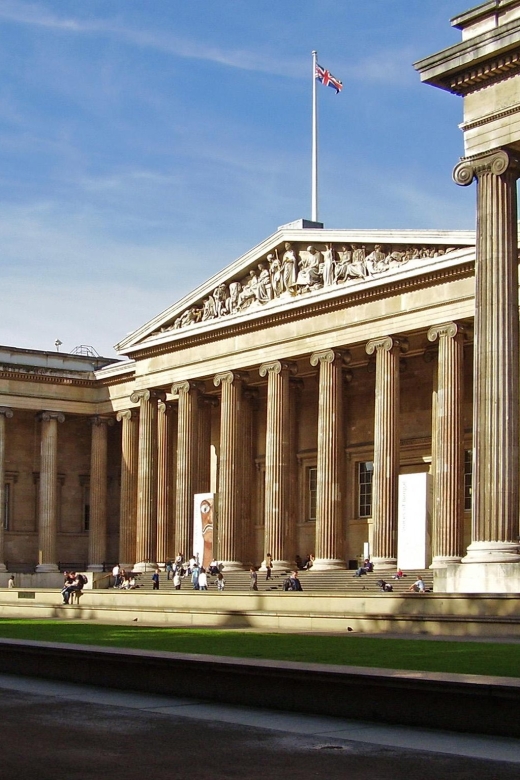
Then you move away from the classical world and into early medieval England with Sutton Hoo. You’ll see treasures connected to an early Anglo-Saxon burial site, which is a reminder that the British Museum doesn’t just focus on faraway empires—it also holds evidence of important local history.
This stop is valuable because it adds variety to the day’s themes. After Greece and Egypt, Sutton Hoo brings you back to a story of elite burial rites and status in Britain itself.
If you like connecting museum objects to real places and time periods, this is a satisfying pivot. It helps you leave the tour with more than one ancient-world “playlist” in your head.
Winged Bulls of Khorsabad: Mesopotamian art with scale
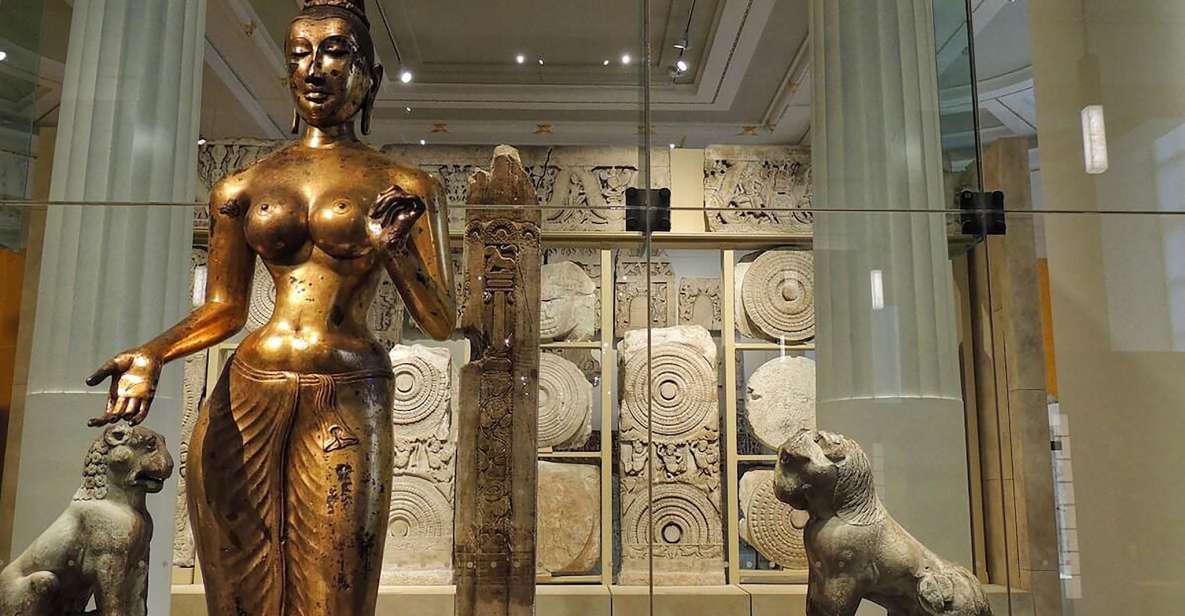
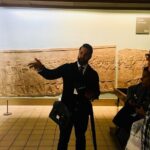
The final major anchor is the Winged Bulls from Khorsabad, associated with ancient Mesopotamian (Assyrian) art and palace architecture. These sculptures are imposing, and that size is part of the message—they were made to guard and impress, not to be casually observed in a corner.
I like this stop because it changes your perspective on what “ancient art” can mean. Instead of only tombs and temples, you get monumental palace guardianship—big forms meant to control movement and communicate authority.
Watch for details the guide points out, like how the figures are designed to feel alive. That’s where the sculptures start to make emotional sense, not just visual sense.
Price and logistics: what you’re really paying for

At $84.69 per person for a 2-hour guided tour, you’re paying for speed plus interpretation. In a museum this large, time is the real expense, and a guide is what turns “I saw stuff” into “I understood why it matters.”
This price can feel steep if you’re the type who enjoys slow, independent wandering. It makes more sense if you want a high-impact route and prefer someone else to do the organizing.
The best value angle here is focus. The tour is built around standout objects, not a vague “general highlights” walk. You’ll still cover a lot of ground, but you’re covering ground with a plan.
The biggest practical considerations (so you don’t get annoyed)
This is a non-private tour. That means group pacing, crowd flow, and sometimes a bit of noise. The museum is very busy, and if the guide speaks softly, hearing can be tricky—especially if you’re not near the front.
Also, this tour is on foot. Even if you’re comfortable walking, the British Museum’s size can surprise you. If you’re expecting a short “stroll,” adjust your mindset and be ready for real museum legs.
Finally, it’s not suitable for wheelchair users based on the tour format. If mobility is a concern, you’ll likely need a different plan.
Who this tour suits best
This tour is a great match for you if you:
- Want to see major museum highlights in a short time
- Like context and stories attached to objects, not just captions
- Enjoy a mix of worlds—Egypt, Greece, Anglo-Saxon England, and Mesopotamia—without switching tours
I’d be more cautious if you:
- Want deep, slow study of one civilization only
- Get frustrated in crowded spaces or struggle to hear in group settings
- Need a fully accessible route designed for wheelchairs
Should you book this British Museum tour?
Yes—if your goal is a structured, high-impact introduction to the British Museum’s heaviest hitters. The route makes sense: Great Court orientation, then Rosetta Stone, then Parthenon sculptures with their complicated removal story, then mummies, and finally Sutton Hoo and Khorsabad for a satisfying turn toward Britain and Mesopotamia.
No—if you want to roam freely and read everything at your own speed. In that case, a self-guided plan might suit you better.
FAQ
How long is the British Museum tour?
It lasts 2 hours.
What language is the live guide?
The live tour guide speaks English.
Where do we meet the guide?
Meet your guide on the stairs at the main entrance, after security checks.
What should I bring to the museum?
Bring a passport or ID card.
Is the tour private?
No, it is not private.
What’s included in the price?
You get a knowledgeable live guide and online support at the time of boarding the tour.
What’s not included?
Hotel pickup and food and drinks are not included.
Is the tour suitable for wheelchair users?
No, it’s not suitable for wheelchair users.