REVIEW · LONDON
Charles Dickens Old London – Very Small Group Tour
Book on Viator →Operated by Richards Tours · Bookable on Viator
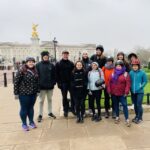
London turns into Dickens on this walk. This small-group tour (capped at 10) keeps the pace human while you move through Fleet Street links, St. Paul’s area churchyard paths, and taverns tied to Charles Dickens’s characters. I especially liked how Richard makes Victorian London feel concrete, not dusty, and how you get Richard’s full attention for questions and photo stops. One downside: food and drinks aren’t included, so you’ll want to plan around it.
You’ll start at Temple Station (Temple Pl) at 10:00 am and finish near Fish Street Hill by the Monument to the Great Fire of London—handy if you want to keep eating and exploring after. Service animals are welcome, and most people can join with comfortable walking shoes. If you want this on your dates, it tends to book up (average purchase time is about 59 days ahead).
In This Review
- Key things to know before you go
- Why this Dickens walk feels different with only 10 people
- Fleet Street: the press, the city, and why Dickens cared
- Inner Temple and the legal streets that shaped Dickens’s settings
- Ye Olde Cheshire Cheese: a 13th-century tavern with real literary gravity
- St. Paul’s churchyard walk: the start of Christmas Carol energy
- St Mary Aldermary: where a guild church becomes a calm pause
- Royal Exchange: Scrooge’s business world and today’s shops and bars
- Leadenhall Market: a Christmas Carol setting with film fame
- Scrooge’s counting house vibe at the George and Vulture (and Simpsons)
- Brabant Court: can you actually find Scrooge’s house?
- Walking times, meeting point, and how to plan your morning
- Price and value: is $108.32 for 2–3 hours fair?
- Who this tour suits best
- Should you book Charles Dickens Old London?
- FAQ
- How long is the Charles Dickens Old London tour?
- What does the $108.32 price include?
- Is food or drinks included?
- Where do I meet, and where does the tour end?
- How big is the group?
- Can I cancel for a full refund?
Key things to know before you go

- A 10-person cap means the guide can slow down when a story needs context.
- Dickens + Christmas Carol focus ties literary places to what you see on the street.
- Short stop times keep momentum, so you’ll cover more ground in 2–3 hours.
- Taverns and courts bring the setting to life without needing museum tickets.
- Flexible storytelling can include other writers and famous London links if you’re interested.
- Start in Temple, end near Leadenhall so you can pair the walk with a proper meal.
Why this Dickens walk feels different with only 10 people
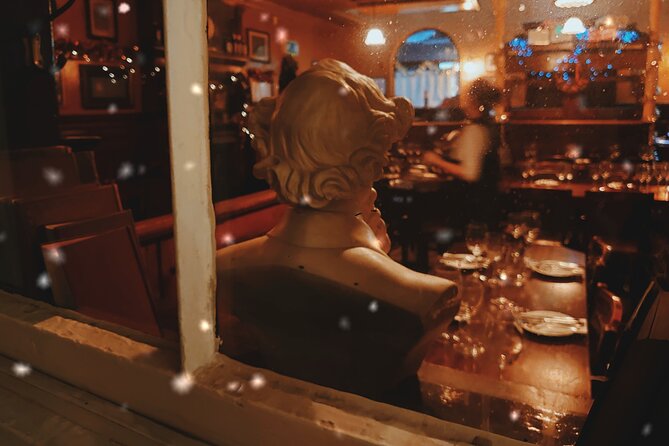
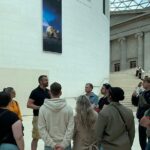
Small groups matter in central London. Here, you’re capped at 10 travelers, so you’re not stuck half-listening from the back. That matters because many stops are “look here” moments—an alley, a court, a facade, a landmark angle—and a guide can point out what you’d otherwise miss.
The guide on this tour is Richard, and what stands out is the way he connects the past to modern London in plain terms. From the start, you get story energy without turning it into a lecture. The tour also uses lots of visual storytelling, so even if you haven’t read Dickens in a while, you’ll still follow the threads.
There’s another practical upside: the tour’s route is compact. You’re moving through old-city pockets around Fleet Street, the Temple area, and the City’s monuments, which keeps the walking efficient for a 2–3 hour outing.
You can also read our reviews of more tours and experiences in London.


Fleet Street: the press, the city, and why Dickens cared
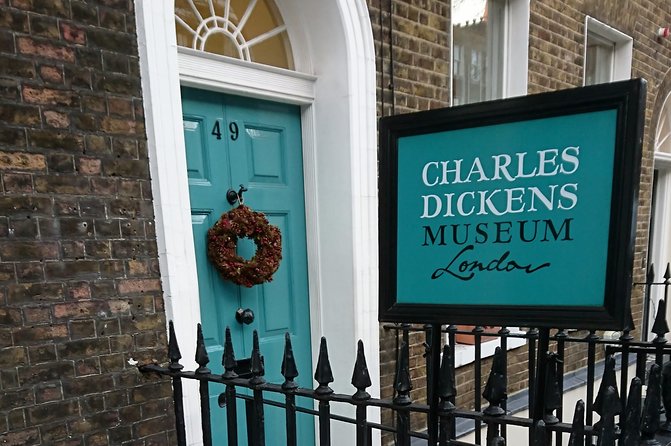
Your first stop is Fleet Street, long tied to the printed press (since 1500). This is where you can start to understand why Dickens’s worlds feel so sharp: the city was a machine for news, gossip, and public opinion, and Dickens wrote into that system.
You’ll walk through the sense of London as a place where words spread fast. Richard ties Fleet Street’s role in print to locations connected with Dickens and themes from his books, so you’re not just seeing a famous street—you’re learning how a story-making ecosystem worked.
A practical note: this is a quick stop (around 10 minutes). Use that time to orient yourself for photos and to get the “what to look for” cues, because the tour keeps moving.
Inner Temple and the legal streets that shaped Dickens’s settings
Next comes Inner Temple, where Dickens worked as a junior clerk. Even if you’ve never read anything set in law offices, this stop helps you see how authors pull material from their daily surroundings. The Inns of Court were mysterious places to outsiders, but for someone working there, they were full of character—ritual, class, rules, and people watching.
Richard connects the area to ideas that show up later in works such as David Copperfield, Great Expectations, and Martin Chuzzlewit. That gives you a useful way to read Dickens: not just as a storyteller, but as someone who observed systems and social pressure and then turned them into plot.
This stop is brief too (about 15 minutes). Wear shoes you’re happy to walk in for repeated short stretches, because the itinerary is built around momentum.
Ye Olde Cheshire Cheese: a 13th-century tavern with real literary gravity
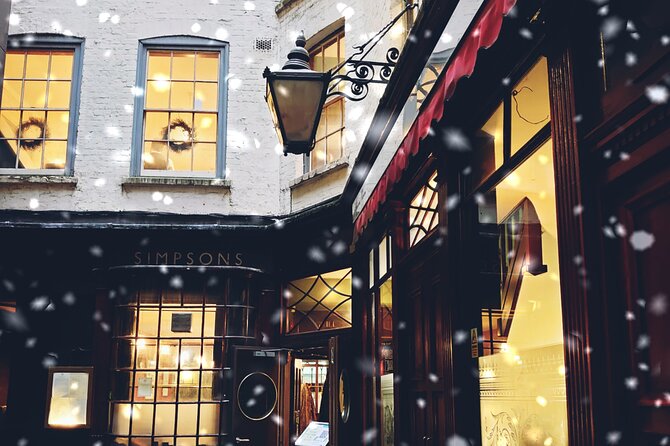
Then you’ll step into Ye Olde Cheshire Cheese, famous for its cellar spaces dating to the 13th century. Taverns like this matter for Dickens because his London isn’t made only of grand speeches. It’s built from everyday meetings, overheard talk, and places where people spend time long enough for stories to develop.
Richard places this tavern in Dickens’s orbit, including links to David Copperfield and the idea of the Hellfire Club meeting culture. Whether you’re a longtime Dickens reader or just curious about his characters, it’s easier to imagine them here. The setting carries that old-city atmosphere without you having to work for it.
You get about 30 minutes at this stop, which is longer than most. If you want a bathroom break, a quick stretch, or time to look around before moving on, this is the moment.
St. Paul’s churchyard walk: the start of Christmas Carol energy
After the tavern, you’ll walk by St. Paul’s Cathedral and through the churchyard area connected to the opening mention in A Christmas Carol. This is one of those London landmarks that can feel unreal at street level—until you slow down and look at how people have used this space for generations.
Richard shows how the cathedral area fits into Dickens’s sense of the old City of London. The walk through the churchyard is also a nice change of pace: you’re moving from tavern life and legal streets into a setting with scale and stillness.
Stop time is short (you’ll be walking past and through), but the point is to get your bearings fast. Think of it as setting the tone for the rest of the morning.

St Mary Aldermary: where a guild church becomes a calm pause
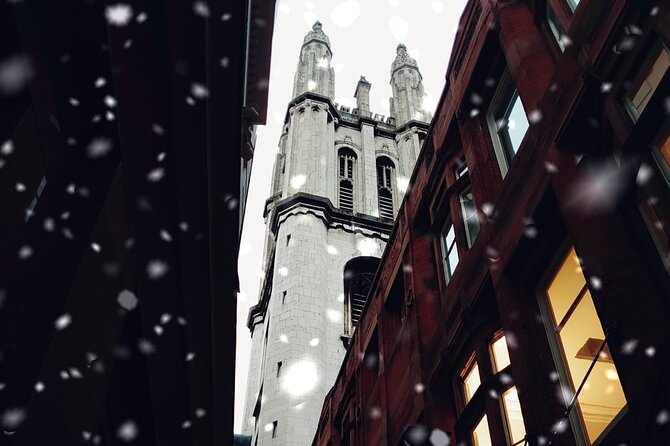
Next is the Guild Church of ST Mary Aldermary, an ancient church in the City that also functions as a popular café space. Even with the café aspect, it’s still described as a working guild church, so you get that layered feeling: history in the structure, daily use in the present.
This is a smart stop if your body needs one. You’ll have about 10 minutes, which may not sound like much, but it’s enough to reset—grab a drink if you want, step away from the street noise, and then rejoin the group.
This is one of the places where the tour’s structure works. The itinerary includes several quick hits; this one helps you avoid feeling rushed through the whole morning.
Royal Exchange: Scrooge’s business world and today’s shops and bars
After that, you’ll reach the Royal Exchange building, right next to the Bank of England. This stop connects two things: the official world of announcements and ceremonies (the Exchange steps were where Royal announcements happened) and the fictional business world that Scrooge is pulled into through the Ghost of Christmas yet to come.
Richard also frames how the space has changed. You can cross the trading-floor area today, but the bankers are long gone, and the energy has shifted toward shops and champagne bars that now bring visitors in.
This is a quick one (about 10 minutes), but it’s a high-payoff stop. It helps you understand Dickens’s central trick: he uses real institutions as stages for moral pressure.
Leadenhall Market: a Christmas Carol setting with film fame
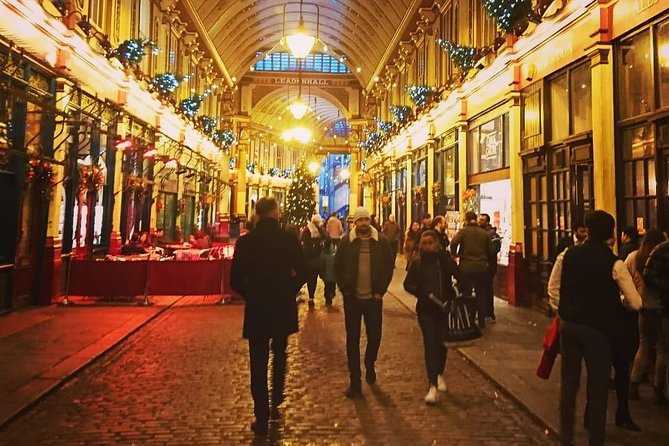
Then it’s Leadenhall Market, a place tied to A Christmas Carol and also used in recent filming, including Harry Potter movies. The practical value here is simple: you’re seeing a real market setting that you can picture from fiction, and you also get the fun bonus of recognizing it from screen imagery.
The time is short (around 10 minutes), so focus on the atmosphere and the architecture cues. If you’re taking photos, this is where you’ll probably want one “wide” shot first, then a closer angle to capture details.
Also, ending your tour near this area later makes Leadenhall feel like a natural “bookend” to the morning.
Scrooge’s counting house vibe at the George and Vulture (and Simpsons)
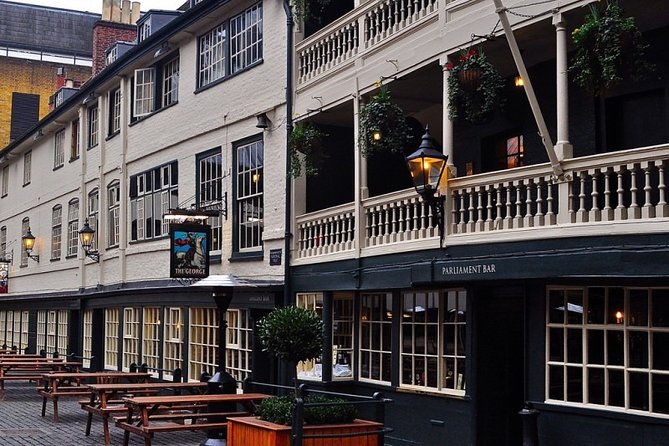
The tour then takes you off the most obvious paths into the world of Ebeneezer Scrooge and A Christmas Carol, with a focus on places like Scrooge’s counting house and a tavern connected with Dickens’s favorite chop house: the George and Vulture. The way Richard tells this part makes it easy to connect text to place. You’re not just hearing names—you’re walking a route that gives the story a physical spine.
Richard also points out that the George and Vulture meeting spot ties into club life, including the Pickwick Club. And there’s another tavern round the corner—Simpsons—described as a likely favorite eating place for Scrooge. Even if you don’t sit down, you’ll understand the story logic behind the food-and-fellowship details.
This is one of the most praised sections of the experience because it blends character talk with “this is still here” reality. Richard has the energy to make it feel like you’re watching Dickens’s London through someone else’s eyes.
Stop time here is about 15 minutes. It’s a good window to decide if you want to buy your own drink or snack, but remember: food and drinks aren’t included with the tour price.
Brabant Court: can you actually find Scrooge’s house?
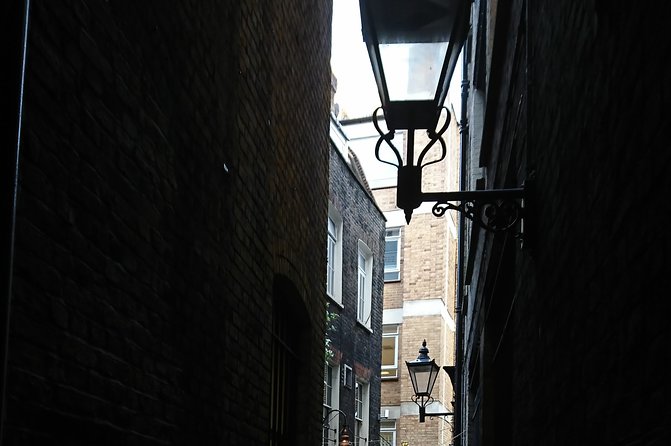
Finally, you’ll finish at Brabant Court, where the tour poses a question: could this be the location tied to Scrooge’s house? Richard guides you to examine the evidence as you look at the court space itself—small enough to feel human, quiet enough to imagine the kind of life that could unfold in a narrow London setting.
This end moment works well because it turns you into the detective. Instead of being handed a conclusion, you’re asked to compare what you see with the story’s clues, which is more satisfying than just listening passively.
You get about 10 minutes here, and then the tour ends near Monument / Fish Street Hill—right where you can keep walking toward food and a museum stop if you want.
Walking times, meeting point, and how to plan your morning
The tour runs about 2 to 3 hours, starting at 10:00 am from Temple Station (Temple Pl). That’s a good start time if you want to keep your afternoon free, but it also means you should wear comfortable shoes right from the beginning.
Your route covers multiple Central London clusters: Fleet Street, Temple/Inner Temple, the City around St. Paul’s, and market areas around Leadenhall. It’s manageable, but it’s still walking. If you’re prone to sore feet, plan a little extra cushion time later.
Also, bring your phone. You’ll have a mobile ticket, and you’ll want it ready when you meet. Arrive a few minutes early so the group can start promptly.
If you like photos, bring a charged battery. Richard’s storytelling includes plenty of “look at this” moments, and you’ll likely want to capture angles—especially around the Exchange area and older courtyards.
Price and value: is $108.32 for 2–3 hours fair?
At $108.32 per person, this isn’t a “wander for cheap” activity. It’s closer to paying for a focused storyteller and careful route design.
Here’s what makes it feel like value:
- You get a professional guide for the full 2–3 hours.
- The route stops are listed as free admission ticket locations, so you’re not paying separate entry fees at each point.
- The group stays under 10, which you can feel in how often you get direct attention.
- You also finish near Leadenhall, which helps you extend the morning without spending time commuting elsewhere.
What to consider:
- No food or drinks are included, so budget a bit for a café pause or a post-tour meal.
- Stops are short and story-focused. If you want long interior time in a single place, this format might feel brisk.
In short: you’re paying for narration, timing, and getting the meaning from places you could otherwise pass by.
Who this tour suits best
This works best if you want Dickens in a way that’s practical and visual. If you love literature, you’ll enjoy the specific links to works and characters. If you don’t, you can still enjoy the London settings and the sense of how stories get built from real streets.
It’s also a strong choice for people who like guidance that stays grounded in the present. Richard isn’t only about Victorian details; he’s also about how modern Britain looks and works around the same streets.
If you want extra depth, ask questions. Richard is flexible and can connect the tour’s Dickens thread to other famous literary and historical figures such as Sherlock Holmes, Benjamin Franklin, and Shakespeare when interest comes up.
Should you book Charles Dickens Old London?
If your goal is to see London through Dickens’s characters, this is a smart booking. The 10-person limit makes it feel personal, the route hits recognizable anchors (Fleet Street, St. Paul’s area, Royal Exchange, Leadenhall), and the tavern stops give the story texture you can’t get from a map alone.
Book it if:
- you want a guided walk that turns landmarks into plot,
- you like storytelling you can follow even without rereading Dickens first,
- you prefer short stops with strong “why this matters” explanations.
Skip it if:
- you need lots of included food or long time inside specific buildings,
- you dislike walking in central London for a solid 2–3 hours.
If you do book: plan one meal after at Leadenhall, and set aside time to wander the courts you’ll notice on the way back. The tour trains your eye.
FAQ
How long is the Charles Dickens Old London tour?
The tour lasts about 2 to 3 hours.
What does the $108.32 price include?
It includes a professional guide. Stops listed on the route are marked as free admission.
Is food or drinks included?
No. Food and drinks are not included, so you’ll want to purchase anything you’d like to eat or drink on your own.
Where do I meet, and where does the tour end?
You meet at Temple Station, Temple Pl, Temple, London WC2R 2PH, UK. The tour ends at the Monument to the Great Fire of London, Fish St Hill, London EC3R 8AH, UK.
How big is the group?
The tour is a very small group with a maximum of 10 travelers.
Can I cancel for a full refund?
Yes. You can cancel for free up to 24 hours in advance for a full refund.